Leave Your Message

Blog

Top Ball Mill Aluminum Powder Manufacturers Worldwide

Top Ball Mill Aluminum Powder Manufacturers Worldwide

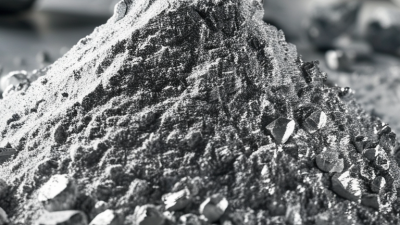
So you're trying to pick a reliable Ball Mill Aluminum Powder manufacturer? It’s not just about who produces the most or who ranks highest online. You really need to dig into things like particle-size distribution, flake morphology, oxygen content, tap density, and how they control contamination. Why? Because those details feed straight into conductivity, sintering behavior, coating quality, and even handling safety. And here’s the thing: a powder can look bright and uniform at first glance, then act all wrong on your actual mixing line. That gap is real. C. Suryanarayana, pretty much a go-to authority on mechanical alloying, put it like this: “Mechanical alloying is a solid-state powder processing technique involving repeated welding, fracturing, and rewelding of powder particles in a high-energy ball mill.” That kind of says it all. Mill design, milling time, atmosphere, process control—these aren’t little technical footnotes. They matter. Companies like Valimet, ECKA Granules, Toyal America, Hunan Jinhao New Material, and AVL Metal Powders each bring different strengths and sit in different spots in the market. So check their real capabilities. Ask for technical datasheets, batch records, quality certificates, and—honestly—get a sample and test it yourself. Little clues tell you a lot about experience. Sealed milling systems? Controlled nitrogen or argon handling? Clean classification equipment? Clear lot traceability? Those are good signs. Ask how they deal with heat buildup and particle agglomeration. If the answer feels vague, ask again. Rankings shift with capacity, region, and application anyway. No single company is best for every grade. And yeah, some public info is incomplete—worth admitting, right? So a careful comparison should pull together factory evidence, independent testing, customer references, and practical trial results before you choose a Ball Mill Aluminum Powder supplier.
Read more »
Asher By:Asher - October 12, 2026
2026 Top ZrO2 Grinding Ball Types for Global Buyers

2026 Top ZrO2 Grinding Ball Types for Global Buyers

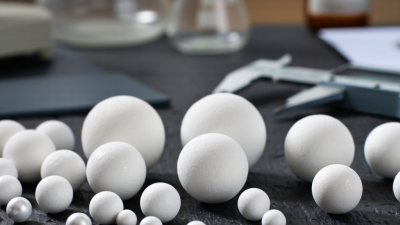
Choosing the right ZrO2 grinding ball can make a real difference in milling efficiency, product purity, equipment wear, and operating costs. And these days, global buyers have a lot of options — yttria-stabilized zirconia, ceria-stabilized zirconia, alumina-toughened zirconia, you name it. Each one acts differently in bead mills, attritors, and lab grinding systems. This guide looks at the main 2026 Zro2 Zirconia Bead Ball Grinding Media types used in industrial and research settings. We’ll look at zirconia content, density, hardness, roundness, crushing strength, and surface finish. Those details really matter when you're processing ceramics, pigments, minerals, pharmaceuticals, electronic materials, or battery compounds. A heavier bead might give you more impact energy, sure — but it can also drive up energy use and put more stress on your equipment. So buyers should compare actual test reports, not just what the catalog says. Particle size distribution, contamination risk, and batch consistency deserve just as much attention. In practice, the small stuff often shows up. A smooth 0.3 mm bead can behave very differently from a rough 0.5 mm one. Tiny variations matter. Material compatibility also needs a careful look. Some published recommendations sound convincing, but they may miss things like slurry viscosity, mill speed, or separator design. No selection guide is perfect. You really want to verify results through controlled trials, supplier documentation, and repeatable quality checks. This overview is meant to help procurement teams, engineers, and lab users make more reliable comparisons. It’s also a nudge to think critically before signing a long-term supply agreement. A suitable ZrO2 grinding ball isn’t just the hardest option. It’s the one that balances performance, cleanliness, durability, and total process value.
Read more »
Asher By:Asher - October 8, 2026
2026 Best Ceramic Jar for Planetary Ball Mill?

2026 Best Ceramic Jar for Planetary Ball Mill?

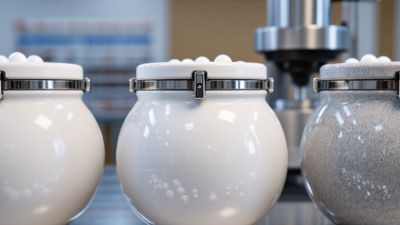
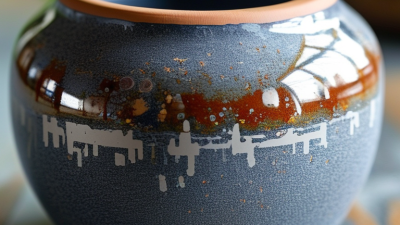
Picking out the best ceramic jar for your 2026 planetary ball mill isn’t just about prices or advertised hardness. Honestly, there’s a bit more to it — like whether the jar can handle repeated impacts without breaking down, keep your samples pure, and match your mill’s speed, size, and grinding media. Materials like alumina, zirconia, and silicon nitride all have their own perks, and honestly, the right pick really depends on what you’re grinding. Dr. Elena Maric, who’s a ceramic processing whiz at Advanced Ceramic Solutions, puts it well: “A reliable jar isn’t just about being hard — it needs to stay chemically stable during impacts.” And I gotta say, that’s super important. Looks can be deceiving; a jar might seem perfect under bright warehouse lights, but after a few milling runs, tiny chips might show up around the rim. Those little fragments can mess with your powders or even weaken the jar over time, so a practical, close-up inspection is a must. Getting the right jar starts with paying attention to some key details — internal volume, wall thickness, sealing design, and whether it’s compatible with your media. Don’t forget to check the manufacturer’s wear data, and look at real operating temperatures — not just what they claim in the lab. Brands like Fritsch, RETSCH, and Across International each have their own planetary mill platforms, and their jars aren’t always interchangeable. Assuming they are can end up being pretty costly. No jar is perfect, of course. Zirconia is great for wear resistance but can be pricey — not always ideal for small labs on a tight budget. Alumina hits a sweet spot for practicality, but it can be brittle and might chip if you’re not careful. It’s smart to keep notes on cycle time, rotation speed, sample weight, and any visible wear. These little details really help when you’re choosing your next jar. And hey, I get it — rushing your decision happens. That’s exactly why this guide emphasizes that the “best” ceramic jar is really the one that fits *your* process, not just what’s on the shelf or in the catalog.
Read more »
Emma By:Emma - October 4, 2026
10 Plastic Packing Tips for Global Buyers

10 Plastic Packing Tips for Global Buyers

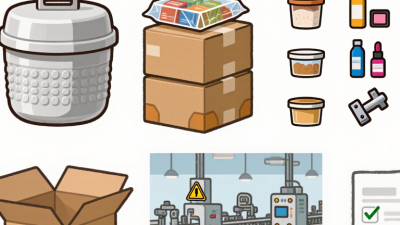
When it comes to buying plastic packaging from overseas, most folks don’t just judge a product by how it looks at first glance. Instead, they’re really checking out how well it protects the contents, if it’s consistent quality-wise, the costs involved, and how easy it is to get everything shipped out. You might come across a shiny pouch that looks great on display, but it could still fail if it’s stacked under heavy boxes. On the flip side, a super sturdy container might end up costing more because it takes up more space and raises freight fees. Basically, smart packing choices are all about balancing product safety, how easy it is to handle in the warehouse, the distance it needs to travel, and what your customers expect. This guide shares ten handy tips for anyone sourcing plastic packaging from abroad. We cover everything from picking the right materials and making sure seals hold up, to barrier protection, printing details, designing cartons, sampling, and quality checks. Experienced packaging folks often start with understanding their product first—whether it’s powders, liquids, cosmetics, food, or industrial parts—they all have different needs. Clear specifications are your best friend here; they help cut down confusion among buyers, factories, inspectors, and logistics people. Plus, they make comparing quotes a whole lot easier. Don’t overlook the small stuff. A zipper that feels smooth might still break after a bunch of uses. A printed label could look sharp, but it might shift around during production. Samples are useful, but they can’t show every possible production scenario — which is kind of annoying. That’s why it’s crucial to verify testing methods, tolerances, packing counts, and shipping documents before placing large orders. Good suppliers are transparent about their materials, production controls, and what they do if things go wrong. No one’s perfect, but a wise buyer thinks ahead and asks, “What could possibly go wrong?” and then plans accordingly. These ten tips on plastic packing are all about helping you make smarter decisions, communicate more clearly, and build trust in your global buying journey.
Read more »
Emma By:Emma - October 1, 2026
How to Choose a High Purity Alumina Ball Supplier?

How to Choose a High Purity Alumina Ball Supplier?

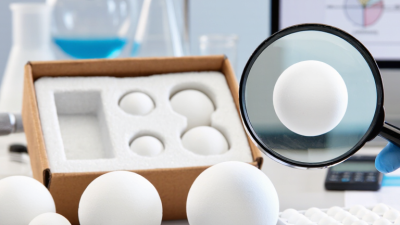
Picking the right supplier for high purity alumina balls isn't just about prices or looking at a shiny product page. Honestly, the best choice really depends on your specific process—what you're milling, the material you're working with, and how much contamination you're willing to accept. Sometimes, paying attention to small details makes a big difference. Things like tiny changes in ball size or surface finish can impact how long the milling takes, how quickly the balls wear out, and whether your final powder stays consistent. Start off by getting a clear picture of the supplier’s claims about alumina purity, density, size options, and tolerances. Don’t hesitate to ask them how they test these figures and whether they apply to the batch you’re planning to buy. It’s a good idea to request a technical data sheet, recent test reports, and clear batch info. Asking for proof — real data or samples — can go a long way. Sometimes, a sample shows you stuff that specs don’t, like chips, uneven sizing, or packaging issues. Also, think about how experienced the supplier is with your type of application, as well as their capacity to produce consistent batches. For example, High Density High Purity Alumina Milling Balls are great for tough grinding jobs, but just seeing that label doesn’t mean they’ll work perfectly with your equipment. Make sure to chat with their tech team about your mill type, the conditions you operate in, and your target particle size. See how they handle quality questions and whether they’re clear and helpful—that really counts. Remember, no supplier’s perfect, and just because someone sounds confident doesn’t automatically mean their product performs well for you. It’s worth comparing documents, samples, communication quality, and delivery plans before you place a big order. This little guide should help you ask the right questions so you can pick a high purity alumina ball that actually fits your process. Taking your time to do this right pays off in the end.
Read more »
Liam By:Liam - September 28, 2026
Top 10 Tyre Balancing Beads Suppliers Worldwide?

Top 10 Tyre Balancing Beads Suppliers Worldwide?

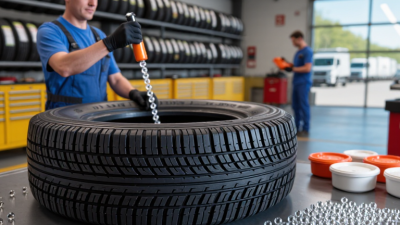
The global tire industry is really evolving—it's becoming more high-tech, service-oriented, and increasingly driven by data. According to Grand View Research, the worldwide tire market hit around $245 billion in 2023. And it's not slowing down anytime soon—forecasts show steady growth through 2030, thanks to ongoing demand from commercial transportation, replacement needs, and stricter maintenance standards. All these trends open up more opportunities for things like Tyre Balancing Beads, especially for trucks, trailers, farm equipment, and long-distance fleets. That said, comparing supplier quality isn’t exactly straightforward. There’s no single, universally trusted ranking that clearly identifies the best manufacturers of Tyre Balancing Beads. So, I’ve looked at a variety of practical factors—like bead material, how well they resist moisture, packaging accuracy, quality of technical info, how widely they’re distributed, warranty policies, and even real customer feedback. Research from MarketsandMarkets points out how crucial tire performance, efficiency, and maintenance costs really are—they all play into what buyers decide to go with. Sometimes, it’s the little things that make all the difference. For example, a poorly sealed package can let moisture get in, or inconsistent bead sizing might mess with balancing performance. Kevin Rohlwing, a highly respected tire-service expert and former training leader at the Tire Industry Association, often reminds us that: “Tire balance is just one part of the whole maintenance puzzle.” That’s a good point worth considering. Tyre Balancing Beads can’t fix damaged tires, bent rims, incorrect inflation, or shoddy installation work. In other words, they’re only part of the story. Also, I focus on credible global suppliers—not just companies that market themselves aggressively. Some rankings might not be perfect, mostly because regional sales data and private-label manufacturing are usually pretty opaque. So, always double-check the testing methods, load ratings, installation instructions, and whether local support is available before settling on a supplier.
Read more »
Asher By:Asher - September 23, 2026
7 Tips for Global Buyers Sourcing Structure Ceramics

7 Tips for Global Buyers Sourcing Structure Ceramics

When international buyers look into Structure Ceramics, they’re often focused on price — but honestly, that’s just part of the story. They really need to see some solid proof of quality, too. Back in 2023, Grand View Research put the worldwide market for advanced ceramics at around USD 89.7 billion, and that number’s expected to climb well into 2030. Now, different sources like MarketsandMarkets toss around slightly different figures, mainly because people tend to define things like technical, structural, and electronic ceramics differently. And that’s a big deal — before you start comparing quotes, you gotta be clear on what exactly each supplier is talking about. C. Barry Carter, who’s a well-respected professor and author in ceramic materials, drops a pretty important truth bomb: “The mechanical properties of ceramics are controlled by flaws.” His point? A shiny, polished sample isn’t gonna tell you the full story. A tiny pore, rough edge, or a firing inconsistency hidden inside can lead to failure down the line. This guide’s got seven practical tips for sourcing ceramics smartly. From choosing the right materials and auditing suppliers to checking dimensional tolerances, testing, reviewing documentation, packaging, and understanding the total cost — each step matters. For example, a simple inspection of alumina brackets under bright light or asking for density data and batch records can reveal big variations in the manufacturing process. And don’t forget about the supplier’s experience. It’s not just about whether they’ve worked with similar materials — ask if they’ve actually produced similar shapes or geometries. Also, take a peek at their ISO 9001 certification, inspection procedures, statistical process control, and traceability records. Companies like CoorsTek and Morgan Advanced Materials show what mature quality systems look like for demanding ceramic parts. Still, no brand, no matter how reputable, can replace thorough, project-specific checks. Of course, no checklist is perfect. Even the most seasoned buyers can sometimes over-rely on lab results alone. Real-world conditions like thermal shocks, vibrations, moisture, and installation stresses often expose weaknesses nobody saw coming. So, it’s a good idea to test samples under actual operating conditions, set clear acceptance criteria early, and keep detailed records of every change. In the end, taking the time to source carefully might seem slow at first — but it saves a ton of headaches and costs later. After all, it’s usually faster (and smarter) to prevent field failures than to fix broken ceramics out in the wild.
Read more »
Asher By:Asher - September 20, 2026
How to Choose Pure Aluminum Powder for Global Sourcing?

How to Choose Pure Aluminum Powder for Global Sourcing?

When it comes to sourcing pure aluminum powder, it’s not just about chasing a high purity number. Buyers need to dig a little deeper—things like checking the chemistry, particle size, shape, how it’s packaged, and whether each batch is consistent. Even if the powder looks super shiny and silver, that doesn’t mean it’s perfect. It could still have too much oxygen or moisture, or contain irregular particles, which can cause issues down the line. According to the 2024 Mineral Commodity Summaries from the U.S. Geological Survey, global primary aluminum production hit around 70 million metric tons in 2023. But here’s the catch—the report talks about aluminum in general, not specifically the powder form. There’s a big difference there. Just because aluminum is produced at a huge scale doesn’t mean the powder you get will meet your standards. Industry guidelines, like those from ASTM International and ISO 52907, also stress the importance of careful powder characterization, especially for advanced manufacturing processes. Dr. John E. Hatch, a well-known expert in aluminum metallurgy, sums it up pretty well: 'A specification without a test method is just a promise.' Basically, buyers should always ask for recent Certificates of Analysis, details on how samples were taken, and results from independent labs. Make sure to verify the purity levels, oxygen and hydrogen content, and any trace elements. Don’t just look at the average particle size—check the D10, D50, and D90 values, too, for a complete picture. And don’t forget to inspect the sealed drums, look at the condition of the desiccants, check lot numbers, and review transportation records. Details like these really do matter. Having an ISO 9001 certificate from your supplier signals that they follow certain quality processes, but it doesn’t guarantee every batch will match your specs. The same goes for a fancy website or low prices. I’ve seen folks get carried away by cheap quotes, only to face rejected batches, yield losses, or flowability problems later on. A smarter move is to weigh all the evidence—look at the technical data, the supplier’s experience, their export reliability, and how they handle corrective actions—before you seal the deal.
Read more »
Liam By:Liam - September 15, 2026
2026 Top Types of Structure Ceramics for Global Buyers?

2026 Top Types of Structure Ceramics for Global Buyers?

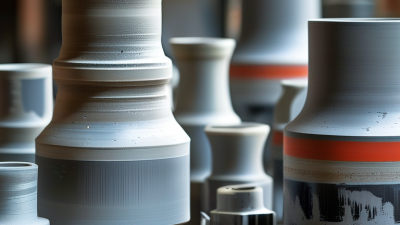
Looking ahead to 2026, global manufacturers are already planning their sourcing strategies, and in this scene, Structure Ceramics are stepping up their game. No longer just used for simple wear-resistant parts, these ceramics now support a whole bunch of high-tech applications—think semiconductor equipment, electric vehicles, thermal systems, medical devices, and even industrial pumps. According to the MarketsandMarkets’ report on Advanced Ceramics, the sector was valued around USD 11.8 billion in 2024. They’re expecting it to grow to roughly USD 17.3 billion by 2029, thanks to pretty impressive compound annual growth. Just a heads up — these figures cover a broader range of advanced ceramics, not just structural grades. That distinction really counts, you know? In this guide, we’ll take a closer look at some of the top types of Structure Ceramics for international buyers. Alumina is still the go-to choice for electrical insulation, chemical resistance, and keeping costs in check. Zirconia, on the other hand, offers better fracture toughness, making it ideal for valves, shafts, and precision parts. Silicon carbide is known for performing well under extreme heat, abrasion, and corrosive conditions. Silicon nitride is pretty impressive too — it’s lightweight but has excellent thermal-shock resistance, especially in bearings and engine parts. Then there’s mullite and cordierite, which are worth considering if thermal processing is involved. But honestly, not every grade is suitable for every factory, so it pays to do your homework. Data from firms like Grand View Research and Fortune Business Insights shows that demand for advanced ceramic components remains strong across sectors like electronics, energy, transportation, and healthcare. Still, keep in mind that market forecasts can vary quite a bit because different analysts define ceramics and their end-use sectors differently. That’s why it’s super important for buyers to double-check things like material purity, density, porosity, dimensional tolerances, thermal conductivity, and how they test these materials. Standards like ISO 13356 and ASTM can help make comparisons more consistent. Big companies like Kyocera and CoorsTek have tons of experience at scale, but supplier capability isn’t the same everywhere. Just a fancy datasheet doesn’t guarantee stable production — always dig a little deeper. All in all, this overview is meant to connect the dots between material science, real-world application experience, and practical purchasing advice — especially for anyone comparing Structure Ceramics in 2026.
Read more »
Asher By:Asher - September 12, 2026
How to Choose a Zirconia Ceramic Grinding Jar in 2026?

How to Choose a Zirconia Ceramic Grinding Jar in 2026?

Picking out the right Zirconia Ceramic Grinding Jar in 2026 isn’t just about comparing prices or glancing at catalog pics. There’s actually a lot more to it, since that jar directly affects things like particle size, contamination control, heat during grinding, and overall efficiency. A solid choice starts with understanding the material itself. For instance, high-purity zirconia usually offers great hardness, durability, and chemical stability—crucial factors when you're processing powders for ceramics, pharmaceuticals, batteries, or cutting-edge research. But here’s the thing—what we call “high purity” can mean different standards depending on the supplier. So, it’s a good idea to ask for certificates, details about testing methods, and traceability info to be sure. Sometimes, it’s the little details that really make a difference. Things like the jar’s internal volume, wall thickness, sealing method, and whether it’s compatible with your mill really matter. Want a small lab-sized jar? Something around 50 mL might work for small batches. Larger ones save you from repeatedly prepping the same material. Also, make sure the grinding media matches the jar material—mixing incompatible stuff can lead to premature wear or unwanted particles getting into your sample. Take a quick peek inside under a good light—any fine scratches or damage? That’s a sign it might’ve seen better days, so don’t overlook it. And here’s a little tip from experience: the most expensive jar isn’t always the best fit for your needs. Sometimes, an oversized jar can actually slow down grinding if you’re working with a small sample. Conversely, a super tight seal might make cleaning and inspection a hassle. These little things are easy to forget but can cause real headaches down the line. It’s also smart to keep track of your milling parameters—like speed, time, temperature—and how easy it is to clean up afterward, during your trials. That way, you can make a more informed decision. But honestly, no matter how much you research, testing your actual samples is key—things like hardness, moisture content, and your specific equipment all matter. In the end, a thoughtful comparison of technical specs, transparency from the supplier, maintenance requirements, and costs over the long haul will save you trouble. Mistakes happen—it’s part of the process. But taking a careful look really makes a difference and keeps costs in check.
Read more »
Asher By:Asher - September 9, 2026
Top 5 Tips for Sourcing Zirconium Oxide Effectively?

Top 5 Tips for Sourcing Zirconium Oxide Effectively?

In the world of materials science, getting a good handle on sourcing Zirconium Oxide is super important, especially if you don't want to compromise on quality. Dr. Emily Carter, who’s a real expert at Advanced Materials Solutions, mentions that “understanding the ins and outs of where and how you source Zirconium Oxide can really make a difference in the final product’s quality and how reliable it ends up being.” That just goes to show how crucial smart sourcing strategies are, especially for industries that depend on this versatile material. Now, when it comes to sourcing Zirconium Oxide Balls, you gotta be careful. Not all suppliers are created equal—some offer better quality and more consistency than others. Finding a supplier you can trust? Honestly, it’s worth spending the time on that. Making sure you get reliable sources means your material will perform at its best in whatever applications you're working with. Keep in mind, the market can be a bit unpredictable—supply and demand fluctuations can impact availability. So, staying up-to-date on industry trends isn’t just smart, it’s essential for anyone involved in procurement. And let’s be real—navigating all these hurdles isn’t exactly straightforward. Finding trustworthy suppliers might actually be trickier than you think. That’s why it’s so important for companies to do their homework, really vet potential partners carefully. Skipping this step could cost more in the long run. Taking the time now to evaluate and check out your options can save you headaches later, and it’s a pretty good way to boost your product’s overall quality too.
Read more »
Asher By:Asher - August 31, 2026
Top Ceramic Rings Trends for 2026 What Buyers Should Know

Top Ceramic Rings Trends for 2026 What Buyers Should Know

As 2026 gets closer, it’s pretty clear that the jewelry scene is going through some notable changes, especially when it comes to Ceramic Rings. If you’ve been paying attention, you’ll notice that the global market for ceramic jewelry is expected to grow around 5% each year, and ceramic rings are really leading the charge. People seem to be loving them because they mix durability with a really cool, stylish look—it's a winning combo. Brands like Tungsten World and GUC are pushing the envelope with fresh, innovative designs that seem to appeal to all kinds of tastes. But here’s the thing—it's worth considering the environmental side of things, too. While some companies are making efforts to be more sustainable, others are still quite behind. Interestingly, about 40% of consumers now prefer eco-friendly materials over traditional options, so this could really push manufacturers to change how they operate. With trends shifting so quickly, buyers are basically faced with a mix of exciting new choices but also some potential risks when picking a ceramic ring. According to a report from Bain & Company, quality matters way more than just chasing after the latest trend. It’s super important to do your homework and verify that your supplier is legit. Staying in the loop about what's trending and what's not can really help you avoid surprises in this evolving ceramic ring market.
Read more »
Emma By:Emma - August 23, 2026