

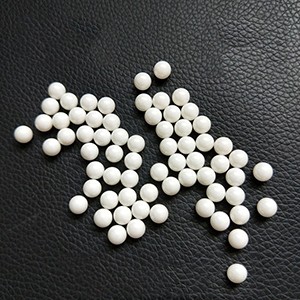

Corrosion Resistant High‑Purity Alumina Grinding Spheres
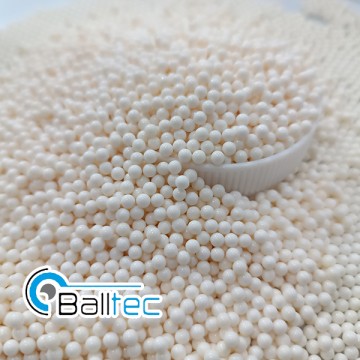
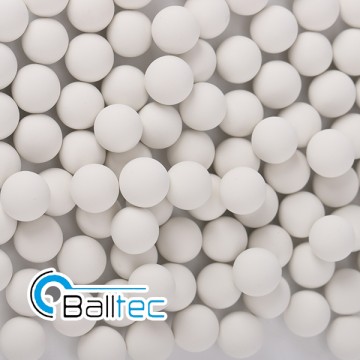
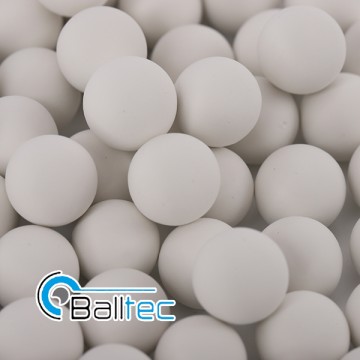
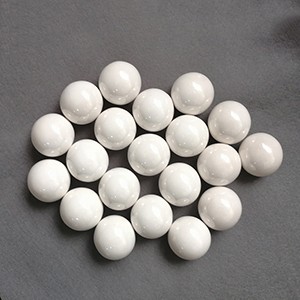
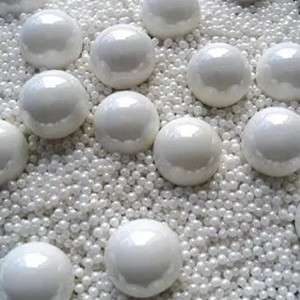
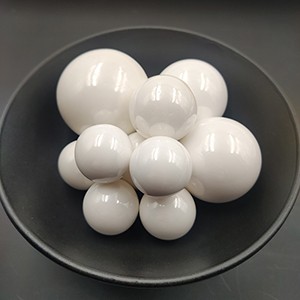
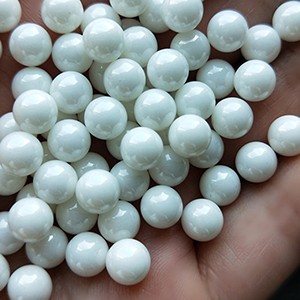
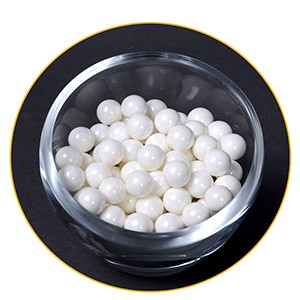
High-purity alumina grinding spheres are premium ceramic grinding media engineered for ultra-fine milling and dispersion processes. Made of high-purity α-alumina, these spheres feature exceptional corrosion resistance, ultra-low impurity content and superior mechanical stability. They effectively avoid medium contamination, ensure consistent grinding fineness, and serve as ideal substitutes for glass beads and common ceramic balls in high-standard industrial production scenarios.
Core Technical Parameters
|
Parameter |
Specification |
|
Alumina Purity |
≥99.9% |
|
Mohs Hardness |
9.0 |
|
Bulk Density |
3.95–3.98 g/cm³ |
|
Size Range |
0.3–20 mm |
|
Wear Rate |
Ultra-low PPM level |
Superior Corrosion and Wear Resistance
These grinding spheres deliver outstanding chemical inertness, resisting most weak acids, alkalis and organic solvents during wet and dry grinding. Different from steel beads that produce metal contamination or ordinary beads with high wear loss, high-purity alumina spheres maintain stable physical and chemical properties. They cause no impurity precipitation or material discoloration, greatly reducing product deterioration and extending the service life of grinding equipment.
Industrial Application Fields
Widely applicable in high-precision industries with strict purity requirements. Typical scenarios include electronic ceramic powder, lithium battery materials, pharmaceutical raw materials, fine pigments and food-grade ingredient processing. They are also suitable for ultra-fine grinding of sapphire substrate materials and high-end chemical slurries, ensuring zero pollution and uniform particle size of finished products.
FAQ
Q1: What makes it different from ordinary alumina grinding balls? A1: It adopts high-purity raw materials with strictly controlled trace impurities. It features stronger corrosion resistance, lower wear loss and no pollution, meeting high-end production standards that ordinary low-purity alumina balls cannot satisfy.
Q2: Is it suitable for long-term continuous milling? A2: Yes. With ultra-high hardness and stable structure, it resists cracking and abrasion during long-term operation. It minimizes frequent medium replacement and downtime, effectively improving overall production efficiency.