Pingxiang Baitian New Materials Co., Ltd

Leave Your Message
0%

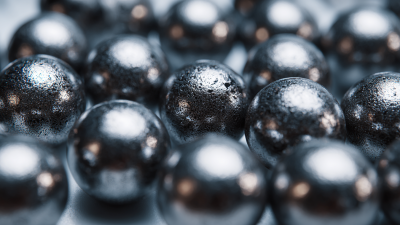
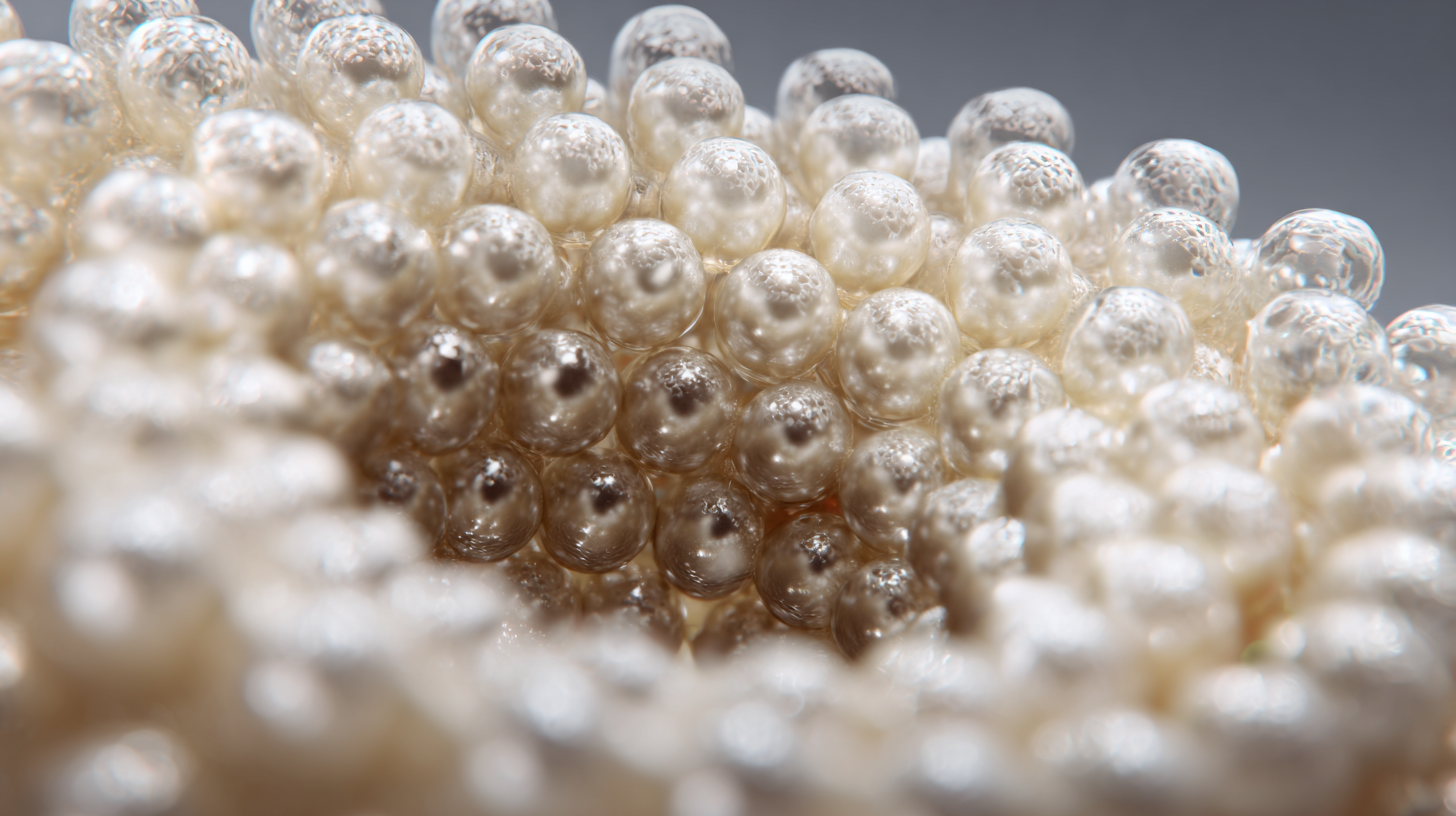
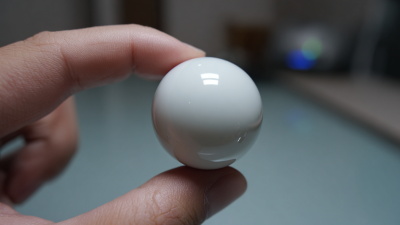
You know, zirconia beads have really become a game-changer in a bunch of modern industrial applications. They've got some seriously impressive qualities like high density, incredible strength, and they’re super wear-resistant. I recently saw a market report saying that the global zirconia market could hit around USD 3.3 billion by 2026—that’s a huge jump. The main drivers? Things like ceramics, dental work, and even some high-tech materials are really pushing demand.
Understanding the Advantages and Applications of Zirconia Bead in Modern Industries

By the way, Pingxiang Baitian (Ball-tec) New Materials Co., Ltd. is pretty much at the forefront here. They’re all about researching, developing, producing, and selling zirconia-based stuff—think micro crystalline ceramic grinding media and high-purity zirconia powder. The thing is, zirconia beads are pretty versatile—they’re used in grinding, dispersing, and even in solid fuel cells or 3D printing. It just goes to show how understanding their benefits and applications can really spark innovation across all sorts of industries.

Advantages of Zirconia Beads in Various Industries

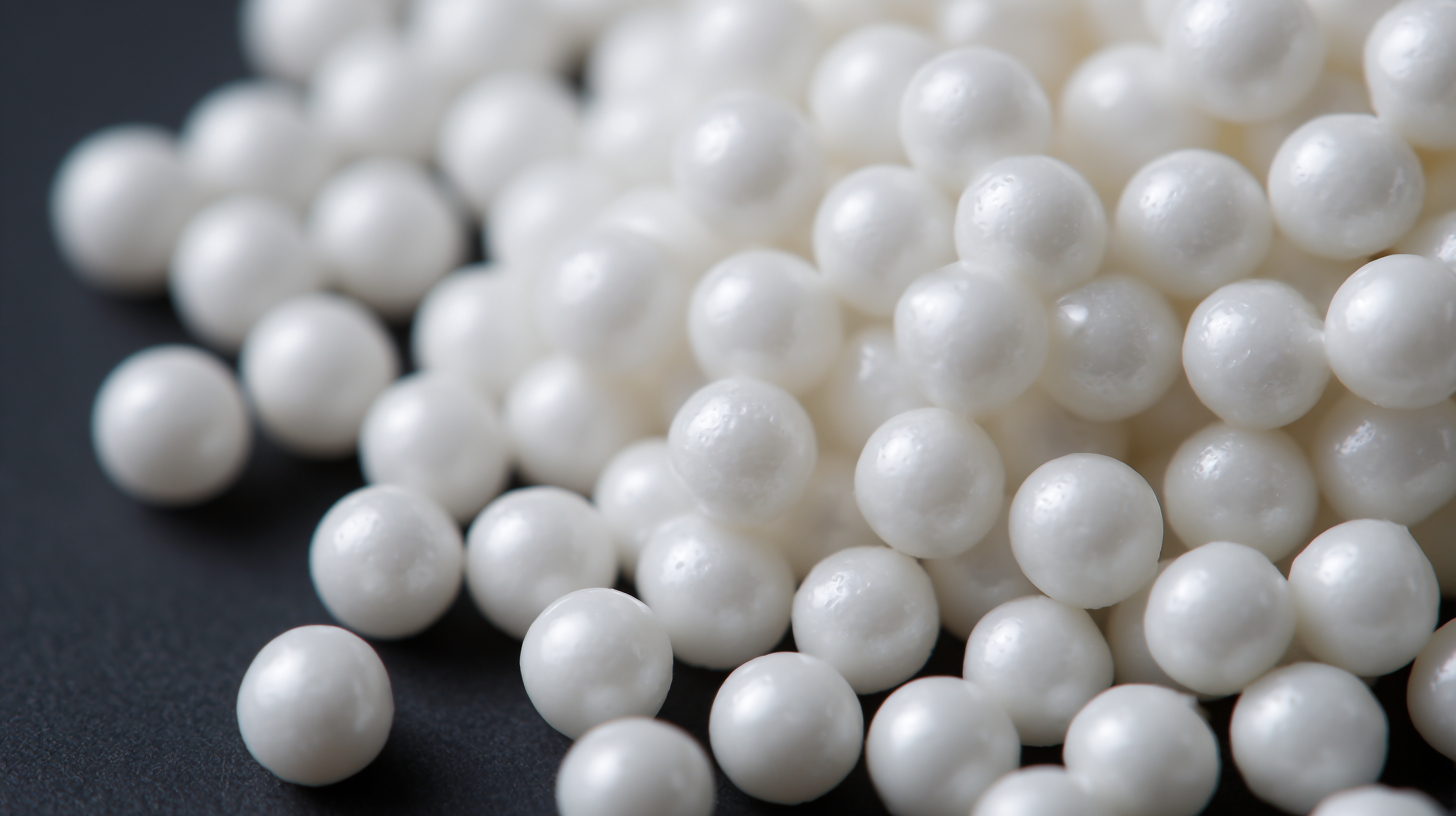
You know, zirconia beads have really become a big deal across a bunch of industries lately. People love them because of their incredible physical and chemical qualities. In areas like ceramics and coatings, they’re pretty much the go-to choice because they’re dense and tough, helping to make milling processes run much smoother and faster. I came across a report from Mordor Intelligence that says the global market for ceramic grinding media is expected to hit around $3.5 billion by 2027 — a lot of that growth is thanks to new tech in material processing and the rising demand for super-pure products.

On the dental side of things, zirconia's biocompatibility is a huge plus. It’s basically perfect for dental implants and prosthetics because it’s strong and tough enough to last a long time. The American Dental Association points out that zirconia isn’t just durable; it offers excellent strength and resistance to breaking, which is exactly what you want in a long-lasting dental solution. Plus, with all the buzz around 3D printing and additive manufacturing, high-purity zirconia powders are being used more and more to whip up intricate designs that are both beautiful and sturdy. Companies like Pingxiang Baitian (Ball-tec) New Materials are really pushing the envelope here, providing top-tier zirconia and alumina microcrystalline ceramic grinding media that meet the highest industry standards for quality and performance.
Understanding the Advantages and Applications of Zirconia Bead in Modern Industries

Key Applications of Zirconia Beads in Material Processing

Zirconia beads have really been making waves in the world of material processing. I mean, their high strength, resistance to corrosion, and overall durability make them pretty much a go-to choice nowadays. According to a report from Market Research Future, the global market for zirconia ceramics is expected to grow at about a 7% compound annual growth rate between 2021 and 2027. That just shows how much demand there’s been for zirconia-based materials across different industries. You’ll mostly find these beads being used in milling and grinding — their hardness helps break down materials more efficiently and actually improves the quality of the final product.

When it comes to paints, inks, and coatings, zirconia beads are the preferred option because they do a great job of dispersing particles evenly and giving a smooth, professional finish. There was a study published in the Journal of Material Science that pointed out how zirconia beads can really boost the particle size distribution and stability of suspensions — making them perfect for industries that specialize in high-performance coatings. And in pharmaceuticals, these beads are used in high-energy planetary mills. They help produce finer particles and improve how well active ingredients dissolve. All in all, zirconia beads are pretty versatile — they’re changing the game in material processing across a bunch of different industries.

Comparative Analysis: Zirconia Beads vs Traditional Grinding Media

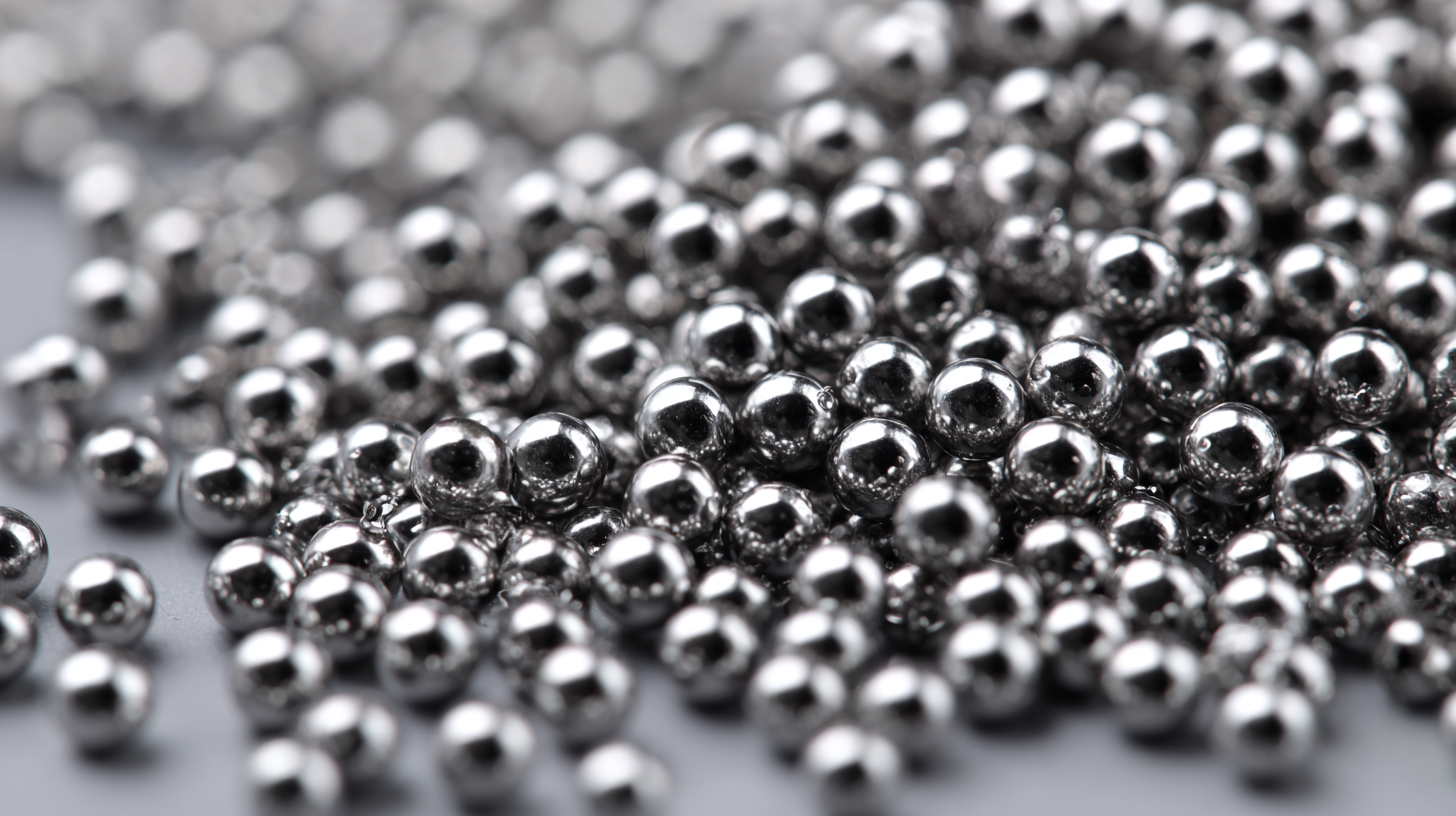
Lately, zirconia beads have really started to shake things up in a bunch of industries, outdoing the old-school grinding media in quite a few ways. One of the biggest perks? They’re incredibly hard and durable. Unlike the typical glass or steel beads that tend to wear down pretty fast—sometimes causing contamination—they keep their shape and integrity much longer. That’s a huge plus for manufacturers because it means less downtime and fewer replacements, saving both time and money.

And if you’re into efficiency, zirconia beads are a game-changer there too. Their high density and consistent shape help you get finer particles faster—fewer passes, less hassle. This is especially important in fields like pharma and cosmetics, where keeping the particle size just right can make or break product quality. Plus, they generate less heat and friction during grinding, so they’re gentler on delicate materials, helping keep the final product just as it’s supposed to be. As industries keep pushing for better efficiency and sustainability, it’s pretty clear that zirconia beads are becoming the go-to over the older grinding options.

Understanding the Advantages and Applications of Zirconia Bead in Modern Industries

Property Zirconia Beads Traditional Grinding Media
Density 6.0 g/cm³ 3.0 - 4.0 g/cm³
Hardness 1200-1500 HV 800-1000 HV
Wear Resistance Excellent Moderate
Applications Ink, Coating, Food Processing Cement, Chemicals, Mining
Environmental Impact Low Higher due to abrasion

Factors Influencing the Selection of Zirconia Beads

When you're choosing zirconia beads for different industrial jobs, there are quite a few things you'll want to keep in mind because they can really impact how well everything works. For starters, the size and shape of the beads are pretty important—smaller beads are usually better if you're after a fine grind, while bigger beads tend to handle higher impact stuff better. It’s kind of like choosing the right tool for the job!

Then, there's the density and how tough the beads are. Zirconia beads are super dense, which helps get the energy moving during milling. Going for top-quality beads can really save you in the long run by reducing wear and tear, and that means your equipment stays in good shape longer.

Pro tip: When you're shopping for zirconia beads, make sure to check out the manufacturer’s specs on things like wear resistance and thermal stability. Also, it’s a good idea to test out a few different types before settling on one. This way, you get a clearer idea of which beads work best for your specific needs—and you'll end up saving time and money in the process.

Innovations and Future Trends in Zirconia Bead Technology

Lately, there's been quite a buzz about innovations in zirconia bead technology, and honestly, it’s shaking things up across a bunch of industries, especially in ceramics and materials science. Have you heard? The market for zirconia beads is actually expected to grow at around 6.5% annually from 2023 all the way through 2030. A big reason for this growth is the leaps we're seeing in manufacturing tech, plus a skyrocketing demand for uses like grinding and milling. These beads are becoming more popular thanks to their amazing qualities—harder, more resistant to wear, and able to handle high temperatures—making them perfect for stuff like aerospace and automotive industries. Pretty impressive, right?

Understanding the Advantages and Applications of Zirconia Bead in Modern Industries

One really cool trend is the development of nanostructured zirconia beads. Studies show they are way tougher and more efficient when processing materials. Plus, new surface treatment tech lets manufacturers customize the bead surfaces for different uses—so they’re pretty versatile. For example, bioinert zirconia beads are popping up more and more in medical applications, and experts forecast a 9% growth in that niche by 2025. It just goes to show how adaptable zirconia beads are and how well they’re meeting the changing needs of modern tech and industry. It’s exciting to see how much more they can do!

Enhancing Dental Aesthetics and Durability: The Benefits of Zirconium Oxide Powder in Modern Dentistry

The dental industry is continually evolving, and one of the most significant advancements in recent years has been the introduction of zirconium oxide powder. This innovative material is revolutionizing dental aesthetics and durability, making it a favored choice for dental practitioners. With a stabilizer content of 3mol-8mol%, our superfine zirconia powder boasts high purity and is meticulously processed to ensure that impurities are controlled at the PPM level. This level of precision not only enhances the visual appeal of dental restorations but also fortifies their structural integrity.

The unique properties of zirconium oxide powder contribute to its growing popularity in modern dentistry. It features a small and narrow particle size distribution, which allows for a uniform specific surface area. This results in lower sintering temperatures, which is crucial in maintaining the quality of the finished dental products. The translucency of our zirconium oxide ranges from 35% to 48%, comparable to high-quality Japanese powders, ensuring that restorations blend seamlessly with natural teeth. Furthermore, its high strength, toughness, and excellent anti-aging properties make it an ideal choice for both aesthetic and functional applications. The absence of pinholes and ease of machinability further enhance its usability in creating sophisticated dental solutions.

FAQS

: What are the key advantages of zirconia beads compared to traditional grinding media?

: Zirconia beads offer exceptional hardness and durability, which reduces wear and tear, leading to less contamination of processed materials. They also provide superior grinding efficiency, achieving finer particle sizes with fewer passes, and generate less friction and heat, preserving the characteristics of sensitive materials.

In which industries are zirconia beads most commonly used?

Zirconia beads are widely used in industries such as ceramics, coatings, bio-dental applications, pharmaceuticals, and cosmetics due to their exceptional physical and chemical properties.

Why are zirconia beads considered ideal for bio-dental applications?

Zirconia is biocompatible and exhibits excellent mechanical properties, including high strength and fracture toughness, which make it suitable for long-lasting dental implants and prosthetics.

How do zirconia beads influence milling and dispersion processes?

The size and shape of zirconia beads significantly affect the efficiency of milling and dispersion, with smaller beads being better for fine grinding tasks and larger beads working better for high impact resistance applications.

What factors should be considered when selecting zirconia beads for industrial applications?

Key factors include bead size and shape, density and durability, wear resistance, and thermal stability. It’s also beneficial to conduct preliminary tests with different bead types to find the best fit for specific applications.

What is the projected market outlook for ceramic grinding media?

According to a market report by Mordor Intelligence, the global market for ceramic grinding media is expected to reach USD 3.5 billion by 2027, largely driven by innovations in material processing and the demand for high-purity products.

How do zirconia beads contribute to sustainability in various industries?

Their durability leads to reduced downtime and lower replacement costs, while their efficiency ensures consistent product quality and minimizes material wastage, aligning with sustainability goals.

What role does Pingxiang Baitian (Ball-tec) New Materials Co., Ltd. play in the zirconia bead market?

Pingxiang Baitian (Ball-tec) provides advanced zirconia and alumina microcrystalline ceramic grinding media that meet high industry standards for quality and performance, supporting the evolution and use of zirconia in various applications.

How does the low friction of zirconia beads benefit the grinding process?

The low friction and heat generation during milling help to protect the properties of sensitive materials, ensuring that the final product retains its desired characteristics.

Conclusion

You know, zirconia beads have really become a big deal in a bunch of modern industries these days. Their unique perks make them stand out. They're super hard, resist wear like crazy, and stay chemically stable for a long time—pretty much perfect for stuff like material processing, 3D printing, and even dental tech. Honestly, they do a better job and last way longer than your typical grinding media, which means companies get more done and cut down on costs. It’s a win-win, really.

Of course, picking the right zirconia beads isn’t just a one-size-fits-all thing. Factors like what material you're working with and the particle size you're aiming for really matter. And the cool part? As technology gets better, these beads keep getting more versatile and effective. Companies like Pingxiang Baitian (Ball-tec) New Materials are leading the charge here, pushing forward with high-purity zirconia beads to meet the rising demands across different industries. It’s pretty exciting to see where this is headed.
Liam

Liam

Liam is a dedicated marketing professional at Pingxiang Baitian New Materials Co., Ltd., where he leverages his extensive knowledge of the company's innovative products to drive effective communication and engagement. With a deep understanding of the materials industry, Liam plays a crucial role in......
Previous Advantages of Silicon Nitride Ball Performance and Cost Effectiveness in Maintenance