In the fast-paced world of industrial grinding, finding the right materials can really make or break your business. People in the industry often emphasize how important quality is when choosing parts like ZrO2 grinding balls. Dr. Helen Chen from Advanced Materials Solutions mentions, “Using good quality grinding media can seriously boost performance and help reduce wear over time.”
One product that’s become quite popular is the Zro2 Zirconia Bead Ball Grinding Media. It’s well-known for being durable and efficient. The thing about this material is that it resists wear and corrosion really well—making it a solid pick for many different uses. That said, choosing the right supplier isn’t just about picking the cheapest options out there. Not all products labeled as ZrO2 Grinding Balls are equal, so it’s really worth digging into their quality, sourcing, and manufacturing methods.
Finding a good wholesale deal isn’t just about saving a few bucks. In the long run, investing in higher-quality products can save you a lot of money—and headaches. Take your time to check out suppliers who value honesty and transparency. Doing a little digging can give you insights you might not expect and might even reveal some surprising differences in how things are made or what’s really in the products. Balancing cost and quality can feel tricky, but it’s super important if you want your business to keep growing and thriving in the long term.
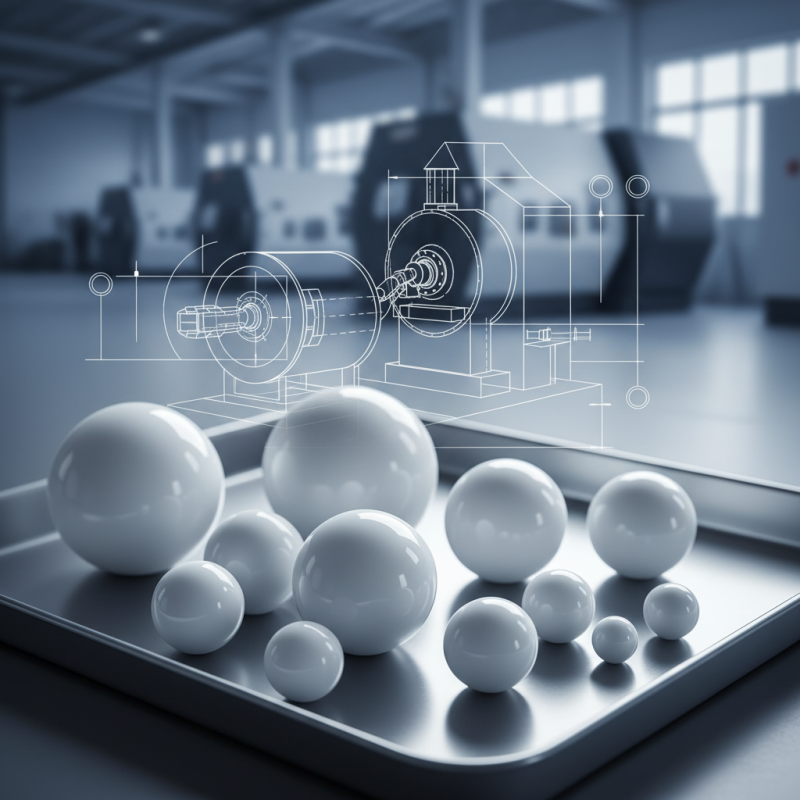
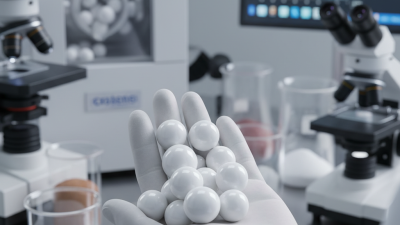
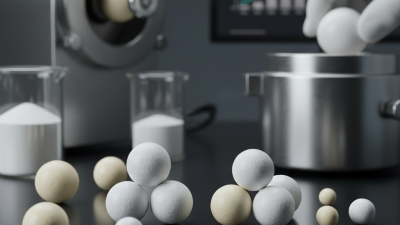
Zro2 Grinding Balls have gained popularity across various industries. These balls are made from zirconium dioxide, a resilient material known for its hardness and wear resistance. Their unique properties make them suitable for applications like grinding and milling. Users often choose them for their excellent performance in reducing material sizes.
In terms of application, ZrO2 grinding balls excel in high-energy milling processes. They minimize contamination and enhance the purity of the end product. However, some businesses may overlook the importance of selecting the right size and density. The size affects the grinding efficiency. If the balls are too large, the energy may not be sufficient. Too small might not give the desired impact.
The cost of ZrO2 grinding balls can vary significantly. Budget constraints may lead some to choose cheaper options. This decision could result in lower quality and performance issues. It’s essential to weigh the upfront costs against long-term benefits. Investing in quality ZrO2 grinding balls may yield better results.
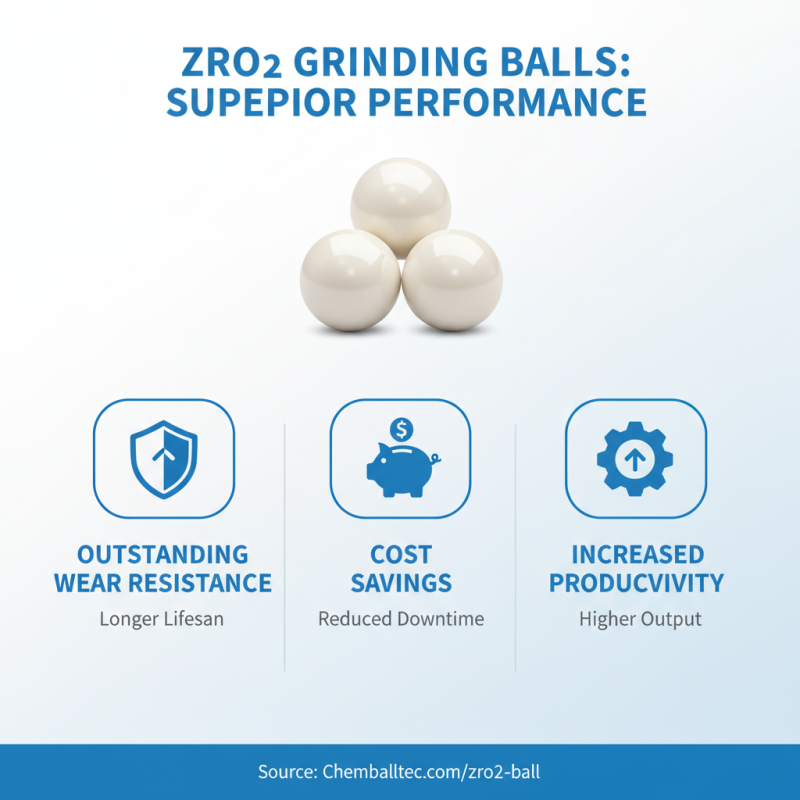
ZrO2 grinding balls, made from zirconium dioxide, are highly regarded in various industries. They offer outstanding wear resistance. According to a recent market report, Zro2 Balls have a longer lifespan than traditional ceramic grinding media. This can lead to significant cost savings. Businesses can reduce downtime and increase productivity.
The unique properties of ZrO2 balls enhance performance in processes like grinding and milling. They provide excellent density and hardness. This contributes to a more efficient grinding process. A study noted that using ZrO2 balls improved particle size distribution in several applications. Companies utilizing these grinding balls reported better product quality and consistency.
Despite these benefits, some manufacturers face challenges. The price of ZrO2 balls can be higher than alternatives. This raises questions about cost-effectiveness for small operations. Additionally, not all suppliers maintain the same quality standards. It's crucial to evaluate suppliers carefully. Businesses must weigh the advantages against potential setbacks when investing in ZrO2 ball options.
Finding reliable suppliers for ZrO2 grinding balls can be challenging. The market is diverse, with numerous options available. Research indicates that quality varies significantly among manufacturers. According to recent industry reports, the demand for Zro2 Bearing Balls is increasing by 15% annually. This surge highlights the necessity for careful supplier selection.
When sourcing ZrO2 grinding balls, consider checking certifications and production processes. Look for suppliers who provide transparent information about material properties and production standards. Some companies may not meet international quality standards, leading to potential production issues. A poorly sourced ZrO2 bearing ball may affect the performance of your products.
Networking at industry trade shows can yield valuable contacts. Engaging directly with suppliers offers insights into their reliability. However, this process can be risky. Not every supplier you meet will deliver consistent quality. Do not overlook customer reviews. They are crucial for evaluating the trustworthiness of potential partners.
| Diameter (mm) | Density (g/cm3) | Hardness (Mohs) | Color | Applications |
|---|---|---|---|---|
| 1.0 | 6.08 | 8.5 | White | Ceramic, Paints, Coatings |
| 3.0 | 5.95 | 8.5 | White | Mineral Processing, Fluid Mixing |
| 5.0 | 6.02 | 8.5 | White | Nanomaterials, High Energy Milling |
| 10.0 | 5.95 | 8.5 | White | Ink Manufacturing, Pharmaceutical |
When selecting ZrO2 grinding balls, several critical factors must be evaluated. One important consideration is the ball's density. Higher density grinding balls can offer enhanced grinding efficiency. A study indicates that ZrO2 grinding balls can have densities ranging from 5.6 to 6.1 g/cm³. This variance affects how the balls perform in a Zro2 Ball Mill Jar.
Another crucial factor is the size of the grinding balls. Smaller balls provide better efficiency in fine grinding. However, they may also lead to higher wear rates. Data supports that using a mix of sizes can improve the grinding process. Some reports suggest using a combination of 2mm and 3mm balls to achieve optimal results.
It's also vital to consider the cost-effectiveness. Prices can vary widely based on quality and supplier reliability. While cheaper options may seem appealing, they can lead to inconsistent results. A report from industry experts shows that investing in quality balls pays off in the long run. Users often report significant improvements in processing times and product quality with higher-quality grinding media.
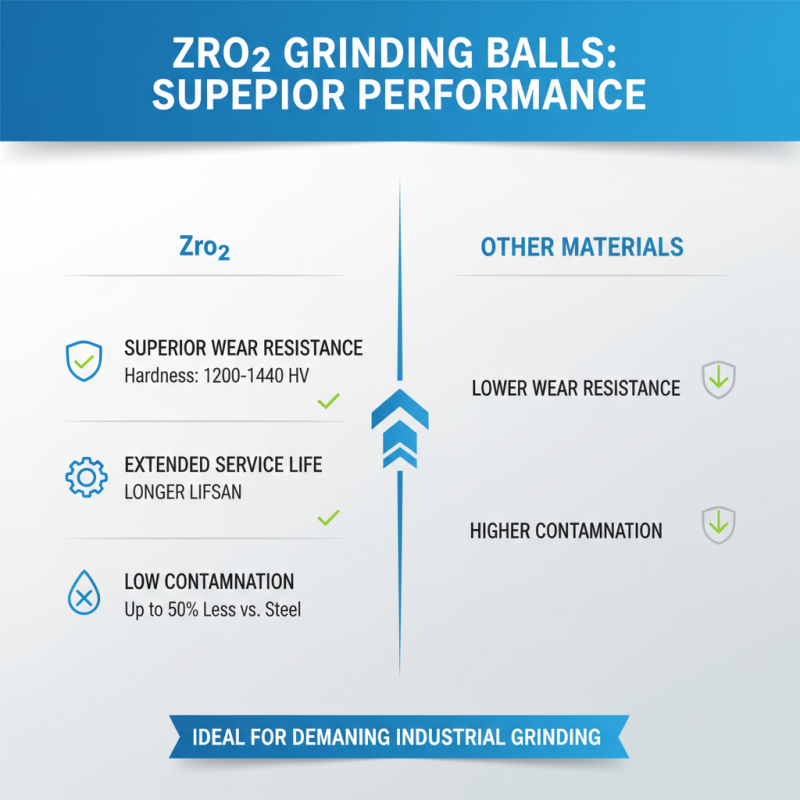
When comparing ZrO2 grinding balls to other materials, several factors emerge. Zirconia (ZrO2) balls provide superior wear resistance. They have a hardness of around 1200-1400 HV, which ensures a longer lifespan in demanding environments. Many industries utilize these balls for grinding applications, thanks to their low contamination rates. Some reports suggest that ZrO2 can reduce contamination by up to 50% compared to steel balls.
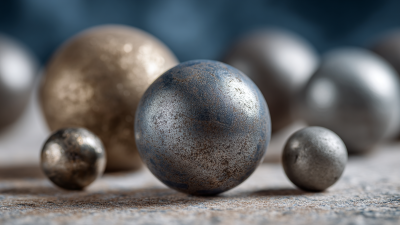
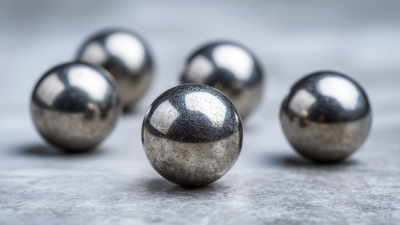
In contrast, steel grinding balls, typically harder but more prone to corrosion, may introduce contaminants. Their lifespan can be shorter, especially in wet conditions, leading to increased operational costs. Other materials, like ceramic and plastic, are lighter but lack durability. The toughness of ZrO2 is particularly advantageous for businesses requiring precision.
While ZrO2 balls come at a higher initial investment, the long-term savings in wear and replacement can outweigh this cost. However, businesses must assess their specific grinding needs. Not every application will benefit equally from switching materials. Consider the material properties and operational conditions carefully to make an informed choice. Balancing cost with performance remains a challenge in the industry.
When considering ZrO2 grinding balls for your business, budgeting is crucial. The price of these balls can vary widely based on quality and supplier. An optimal choice may require balancing cost and performance. For small businesses, even marginal savings can accumulate significantly over time.
It's essential to assess the total cost of ownership. This includes initial purchase prices, shipping fees, and any potential import taxes. Some may opt for lower-cost options, but these could affect performance and durability in the long run. Cheaper products often wear out faster, leading to increased replacement costs.
In addition, factor in the frequency of use. If your operations require high-volume grinding, investing in premium ZrO2 balls may yield better value. Assessing your unique needs will guide your purchasing decisions. Keep an eye on quality versus cost; it’s a delicate balance that should not be overlooked. Decision-making should be rooted in careful analysis and future projections.
When ordering ZrO2 grinding balls wholesale, consider a few key factors. Market reports indicate that the demand for high-quality grinding solutions has increased, with a growth rate projected at 5% annually. This reflects a growing trend in industries such as ceramics and electronics. Sourcing from reliable manufacturers can significantly impact product quality.
Price, material quality, and manufacturer's reputation are critical. Research indicates that up to 30% of businesses report issues with inconsistent quality from suppliers. It's essential to request samples and analyze their performance before committing to larger orders. Remember that even slight differences in material can affect grinding efficiency.
Additionally, order sizes matter. Many suppliers offer better rates for bulk purchases. However, investing in smaller trial orders can be wise. This approach allows businesses to assess product performance without significant upfront costs. Some companies hesitate, fearing overstock. Balancing inventory and demand is a common challenge, making careful planning essential. Use data from previous orders to refine your approach.
: The content discusses various aspects of a specific topic, emphasizing practicality and user experiences.
You can integrate the ideas into routines, focusing on small, achievable changes.
Yes, there may be challenges or misconceptions to consider. Reflection is necessary.
It's helpful to revisit the information or seek advice from others in similar situations.
Absolutely. Adaptation is key. Tailor the advice to fit your lifestyle and surroundings.
While it's not always required, some situations may benefit from expert insights.
Regularly revisiting your approach can enhance outcomes. Stay flexible and open-minded.
Yes, many overlook small details or rush into changes without proper planning.
It's normal to feel this way. Take small steps and focus on one aspect at a time.
Certainly! Sharing your thoughts can create discussions and encourage others to reflect on their practices.
ZrO2 grinding balls have become essential tools in various industrial applications due to their unique properties, such as high strength, corrosion resistance, and low wear rates. Understanding these benefits allows businesses to optimize their grinding processes, improving efficiency and product consistency. Additionally, when sourcing ZrO2 grinding balls wholesale, it's crucial to find reliable suppliers who can provide quality materials that meet specific industry standards.
When selecting ZrO2 grinding balls, companies should consider factors such as size, density, and compatibility with existing equipment. A comparative analysis between ZrO2 and other grinding ball materials highlights the superior performance of ZrO2, making it a preferred choice for many industries. Cost considerations also play a significant role in budgeting for purchases, ensuring that companies can maximize their investments while obtaining high-quality grinding solutions. By optimizing wholesale orders and maintaining strong supplier relationships, businesses can effectively enhance their operations with ZrO2 grinding balls.