Zirconium Oxide, you know, is pretty impressive thanks to its amazing properties. It actually plays a big role in all sorts of cutting-edge tech across different industries. The worldwide demand for zirconia-based materials is expected to shoot up quite a bit, with estimates saying the market could hit over USD 2.8 billion by 2026. This growth is mainly fueled by advancements in areas like ceramics, electronics, and dental materials.
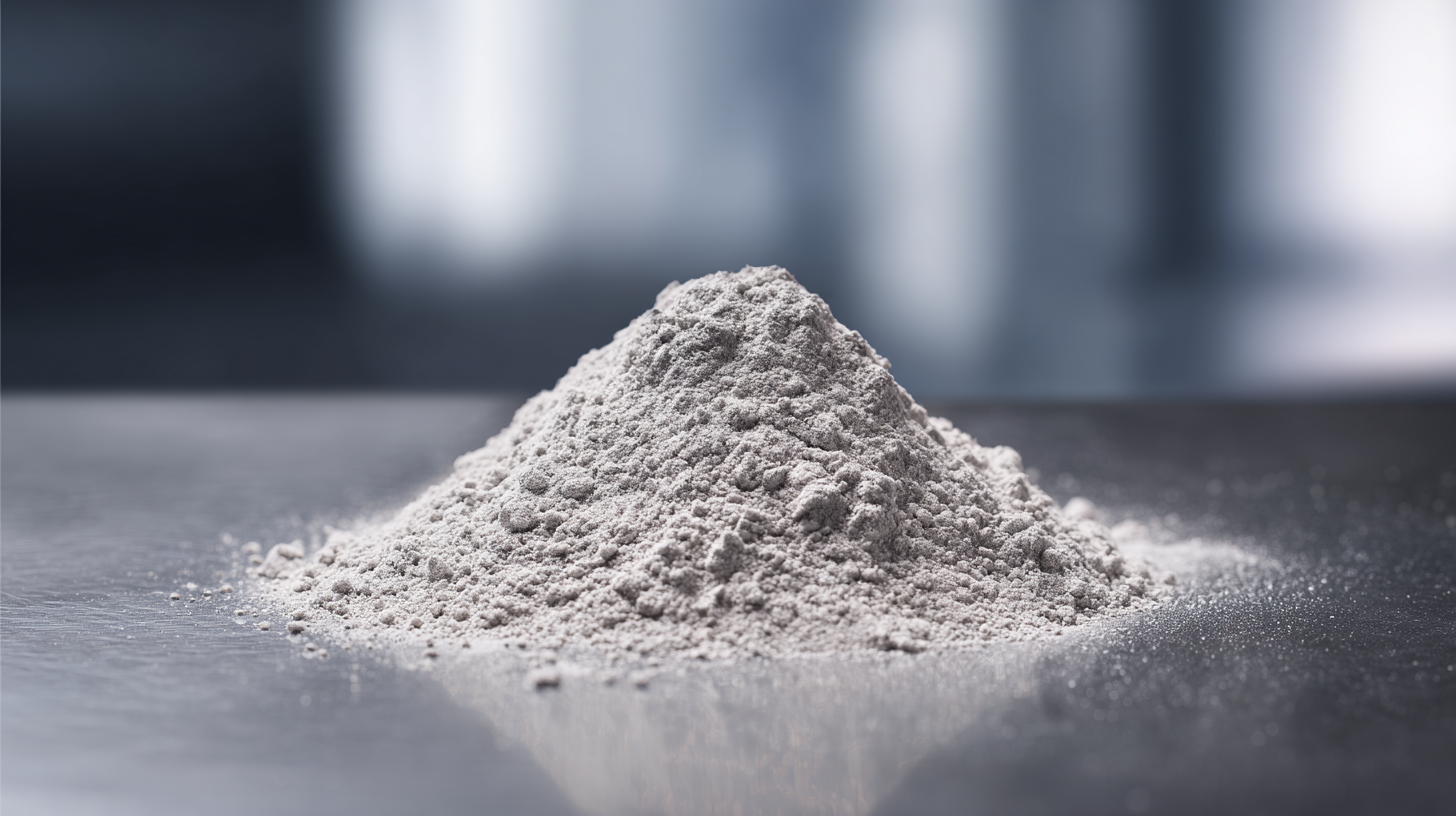 Here at Pingxiang Baitian (Ball-tec) New Materials Co., Ltd., we’re really proud to be at the forefront of this innovation. We focus on developing and manufacturing high-purity zirconium oxide products, like tiny crystalline ceramic grinding media and stuff used in bio-dental applications. Our dedication to research and innovation helps us stay ahead in the zirconia game, especially as the need for advanced materials in things like solid fuel cells and 3D printing keeps rising. By tapping into the versatile uses of Zirconium Oxide, we’re hoping to contribute to a more sustainable and tech-savvy future.
Zirconium Oxide: A Comprehensive Overview of Its Properties and Characteristics
Zirconium oxide, also called zirconia, is quite a fascinating material really. It’s known for its incredible properties—like how well it handles high temperatures, resists corrosion, and its impressive strength. Did you know it melts at over 2,700°C? That’s pretty high, way higher than many other oxides out there. Because of this, it’s used in all sorts of things, from dental ceramics to thermal barrier coatings in aerospace gear. Interestingly, recent industry reports say the global zirconia market is expected to grow around 7.5% annually up until 2025. That growth is mainly because we're finding more and more ways to use it in electronics and medical devices.
**Quick tip:** When you're choosing zirconia for a project, it’s worth considering its phase stability. Stabilized zirconia—often treated with stuff like yttria—tends to be tougher, which is a big deal in environments where there’s a lot of stress.
What’s especially cool about zirconium oxide is how versatile it is. For example, its biocompatibility makes it great for dental implants and prosthetic components—where both looks and durability really matter. A recent study in the Journal of Dental Research showed that zirconia crowns had a 95% success rate over five years, actually beating out traditional materials.
**Another tip:** If you’re into cutting-edge stuff, always check the specific grade of zirconia you’re using. Different formulations have various strengths, like better wear resistance or thermal insulation, so picking the right one can make a huge difference for your project.
Exploring the Versatile Applications of Zirconium Oxide
Innovative Uses of Zirconium Oxide in Nanotechnology and Material Science
So, zirconium oxide – you're probably familiar with it as a ceramic material known for being tough and stable under heat. But nowadays, it's kind of stealing the spotlight in both nanotech and material science. I read somewhere that, according to Global Market Insights, this market could top over $3 billion by 2025, mainly thanks to its growing use in super-advanced tech applications. In the world of nanotechnology, zirconium oxide nanoparticles are pretty amazing—they have unique traits, like acting as excellent catalysts and fighting off microbes. You'll find them popping up everywhere, from drug delivery systems to cleaning up the environment.
On the material science side of things, zirconium oxide is a game-changer when it comes to strengthening composites. Studies have actually shown it can seriously boost the durability and wear resistance of materials, making them last longer in industrial settings. Plus, because of its versatility, researchers can tweak its surface properties, which makes it perfect for coatings that need to handle really harsh conditions.
**A quick tip**: When you're thinking about using zirconium oxide in your project, make sure you’re clear on what specific properties you need—like hardness or resistance to heat. And definitely keep an eye on new research; who knows what cool new uses will pop up in the future? Also, don’t forget to get a good grasp of the regulatory stuff around nanotech—it’ll help you stay on track with industry standards and avoid surprises down the road.
Exploring the Versatile Applications of Zirconium Oxide in Cutting-Edge Technologies
| Application Area |
Description |
Benefits |
Challenges |
| Nanotechnology |
Zirconium oxide is used in the synthesis of nanoparticles for various applications, including drug delivery and diagnostics. |
High biocompatibility and potential for targeted therapy. |
Production scalability and stability of nanoparticles. |
| Ceramics |
Zirconium oxide is utilized in the production of advanced ceramic materials used in dental and biomedical implants. |
Excellent mechanical properties and wear resistance. |
Cost of production and sintering requirements. |
| Electronics |
Zirconium oxide is used as a dielectric material in capacitors and other electronic devices. |
High dielectric strength and thermal stability. |
Manufacturing difficulties at nanoscale. |
| Catalysis |
Acting as a catalyst or catalyst support in various chemical reactions. |
Enhanced catalytic activity and recyclability. |
Deactivation over time and temperature stability. |
| Optical Coatings |
Utilized in spectrally selective coatings for advanced optical devices. |
High refractive index and durability. |
Cost and uniformity of coating application. |
Zirconium Oxide in Biomedical Applications: From Implants to Drug Delivery
So, zirconium oxide, which you might also hear called zirconia, has really been making waves in the biomedical world lately. People are excited about it because it’s super compatible with the body and also boasts strong mechanical properties. I came across a report from Grand View Research that predicts the global market for zirconia in medical applications could hit about about 1.2 billion USD by 2027. That’s mainly because there’s a growing need for better implants and drug delivery systems. One of the coolest things about zirconia is its high strength and resistance to wear, making it perfect for dental and orthopedic implants. This means better durability and, hopefully, better outcomes for patients down the road.
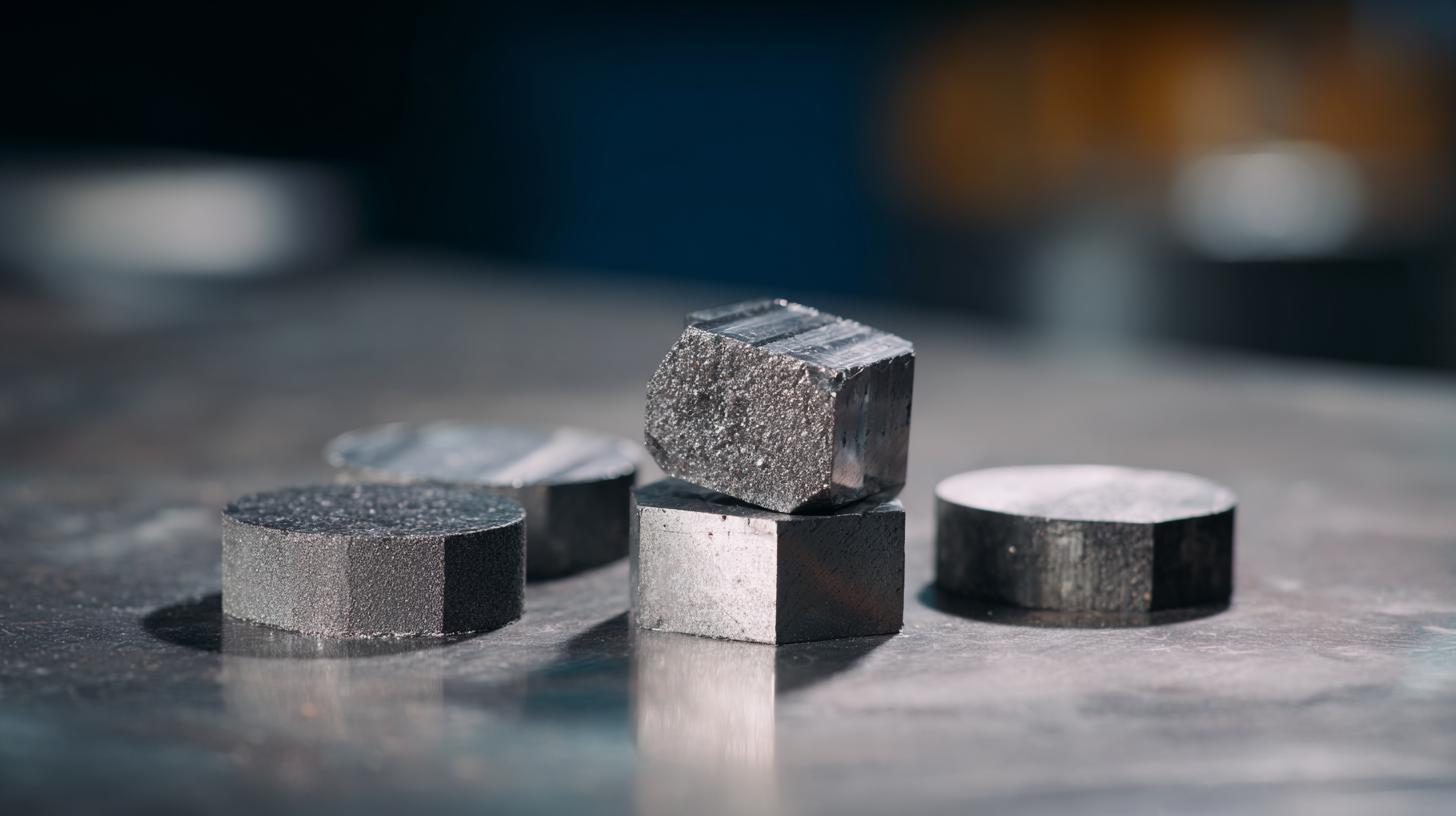
On the drug delivery front, zirconium oxide nanoparticles are showing some serious potential as carriers for targeted therapies. A study published in Advanced Drug Delivery Reviews mentions how these tiny particles can really boost how well drugs are absorbed while also reducing side effects. Their porous nature means they can hold quite a bit of medication, which helps with slow and controlled release – kind of like a smart delivery system. As researchers dig deeper into what zirconium oxide can do, I honestly think it’s going to become a key player in future biomedical innovations, hopefully solving some tricky challenges in patient care and making treatments more effective.
The Role of Zirconium Oxide in Energy Storage and Conversion Technologies
So, zirconium oxide (ZrO2) has really become one of those key materials in the world of energy storage and conversion. It’s got this amazing thermal and chemical stability, plus it conducts ions like a champ, which makes it perfect for solid oxide fuel cells (or SOFCs, if you wanna sound fancy). According to the International Energy Agency, the SOFC market is expected to hit around $1.2 billion by 2025, and ZrO2 is a big part of that because it helps make these systems more efficient and last longer. The cool part?
Electrolytes made from ZrO2 can work at lower temperatures, meaning less energy gets wasted and everything runs smoother overall.
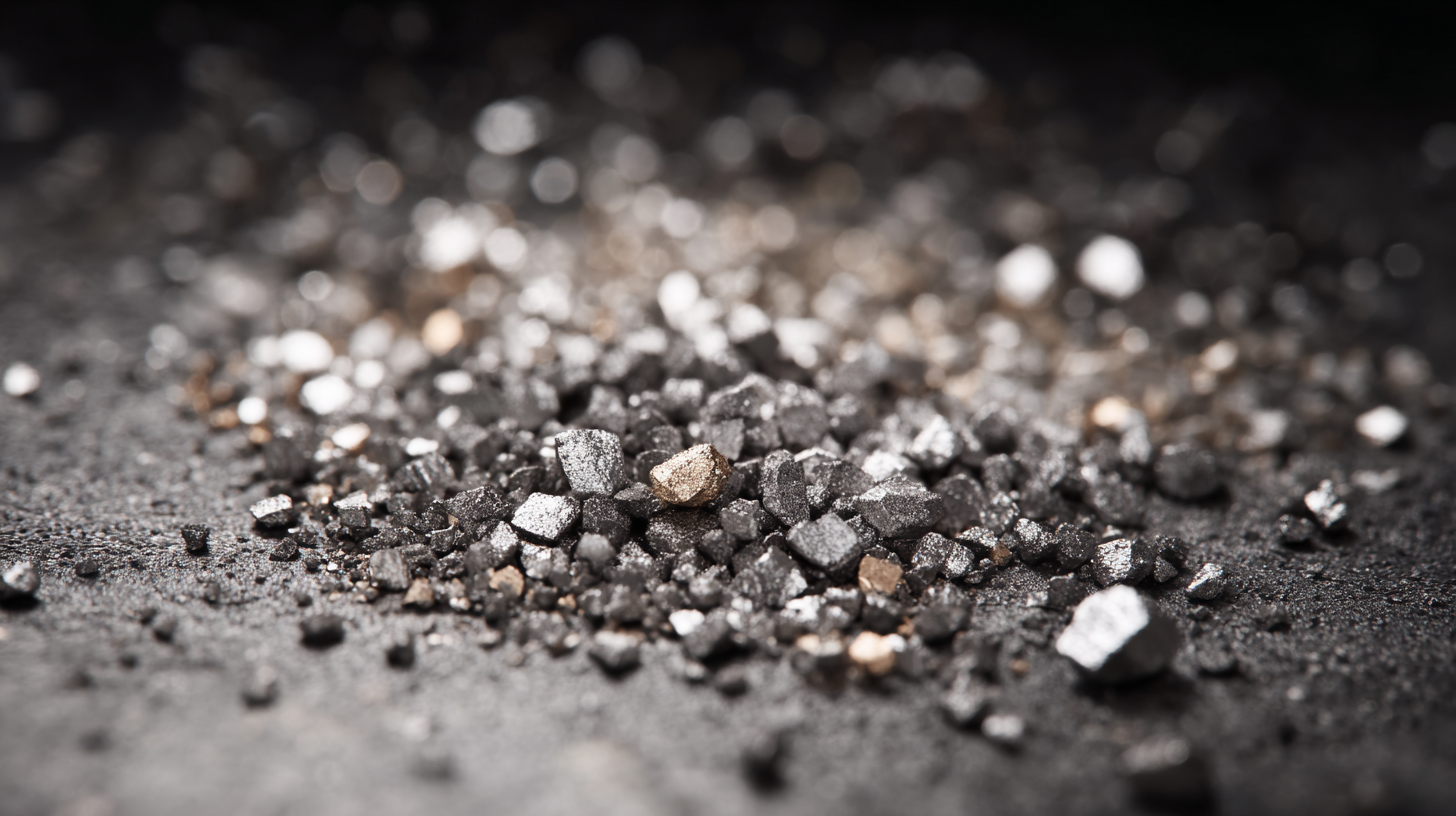
On the battery front, researchers are looking at using zirconium oxide as an additive to lithium-ion batteries. The idea is to boost their lifespan and even allow for faster charging. A study from the Journal of Power Sources actually shows that adding ZrO2 nanostructures can bump up cycling stability by about 25%, which is pretty impressive compared to the usual materials. And honestly, with more and more folks demanding better energy storage solutions — especially with renewable energy on the rise — the potential for ZrO2 to make a real difference is pretty exciting. As things move forward, it looks like this material will keep driving some big tech breakthroughs in energy storage and conversion.
Enhancing Industrial Processes: Zirconium Oxide in Catalysis and Coatings
You know, zirconium oxide has really been making waves in the industrial world lately. It's turning out to be pretty crucial, especially when it comes to catalysis and coatings. One of the things that’s so cool about it is its high thermal stability and toughness — these qualities make it perfect for advanced catalytic uses. Recent research shows that zirconium-based catalysts play a pretty important role in hydrogenating CO2, and they actually offer a more selective process compared to older methods like Fischer-Tropsch. Plus, when zirconium oxide is used in bifunctional catalysts, it boosts the sustainability and efficiency of turning biomass into fuel — pretty versatile, right?
On the coatings side of things,
zirconium oxide is really stepping up in improving
solid oxide fuel cells. With new coating technologies, they’ve managed to triple the efficiency of these cells in just a few minutes — talk about a game-changer in energy tech!
And it doesn’t stop there — using advanced zirconia ceramics in air cleaning systems shows how this material can really make a difference in filtration, helping us tackle environmental problems.
Engineers are also tweaking zirconium oxide with things like nitrogen doping, which is opening doors in new tech areas like photocatalysis. All in all, it’s exciting stuff that could lead to some real breakthroughs in sustainable energy.
Innovative Applications and Benefits of Zirconium Oxide Balls in Nano Milling Grinding Processes
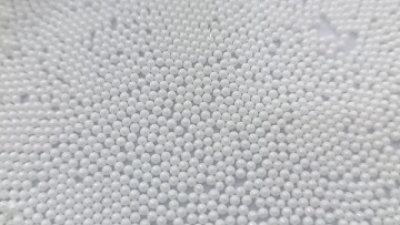
Zirconium oxide balls, specifically zirconia beads, have emerged as a cornerstone in the field of nano milling grinding processes due to their innovative applications and numerous benefits. Characterized by their pearl white color and smooth surface, these ceramic balls are among the hardest abrasives available, providing exceptional durability and extended service life. Their robust nature makes them particularly suitable for ultrafine grinding of various non-metallic minerals such as heavy calcium carbonate, kaolin, and mica, ensuring a fine, uniform particle size that is crucial in many industrial applications.
The advantages of zirconia beads extend beyond just their hardness and durability. They exhibit excellent wear resistance, which translates to lower operational costs over time, as they do not require frequent replacements compared to other grinding media. Furthermore, the smooth surface of these beads minimizes contamination during the grinding process, facilitating cleaner and more efficient milling. As industries increasingly seek high-performance materials that enhance productivity while ensuring quality, zirconium oxide balls stand out as an innovative solution that meets these evolving demands in the nano milling sector.
FAQS
: Zirconium oxide is commonly known as zirconia.
Zirconium oxide is known for its high thermal stability, resistance to corrosion, and impressive mechanical strength.
Zirconium oxide is utilized in a range of applications including dental ceramics, thermal barrier coatings in aerospace industries, and energy storage technologies.
The global zirconium oxide market is expected to grow at a CAGR of 7.5% through 2025.
Zirconium oxide is bio-compatible, making it suitable for prosthetic implants and dental restorations, with a reported 95% success rate for zirconium oxide crowns over five years.
Zirconium oxide is being explored as an additive in lithium-ion batteries to improve longevity and charge rates, with potential increases in cycling stability by 25%.
Zirconium oxide enhances efficiency and longevity in solid oxide fuel cells due to its thermal and chemical stability and high ionic conductivity.
Stabilized zirconia can be treated with materials like yttria to improve toughness, crucial for high-stress environments.
Utilizing zirconium oxide-based electrolytes allows for lower operating temperatures, reducing energy loss and improving overall system performance.
It is important to evaluate the specific grade of zirconium oxide based on project requirements, as different formulations offer varying wear resistance or thermal insulation properties.
Conclusion
Zirconium Oxide, sometimes just called zirconia, is really making waves in a bunch of advanced tech fields lately. It’s got some pretty impressive qualities—likestanding up to high temperatures, being super tough, and resisting chemicals—so it’s no surprise it's being used everywhere. From tiny tech stuff in nanotechnology and material science to big roles in healthcare—think implants and drug delivery systems—zirconia is truly versatile. And it’s not stopping there. It’s also playing a key part in energy storage and conversion tech, helping make these systems more efficient.
At Pingxiang Baitian (Ball-tec) New Materials Co., Ltd., we’re big on high-purity zirconia powders and microcrystalline ceramic grinding media. We’re always pushing the envelope with new applications—whether it’s in solid fuel cells, 3D printing, or bio-dental products. Honestly, zirconia’s potential to boost progress in both industry and research is quite exciting, and we’re proud to be part of that journey.