You know, in today's fast-paced global market for industrial ceramics, companies really need to get their hands on top-notch ZrO2 Grinding Balls if they want to boost their productivity and improve their product quality. And with the ceramic materials market expected to grow at about 6.5% CAGR, figuring out the best way to source these materials is super important.
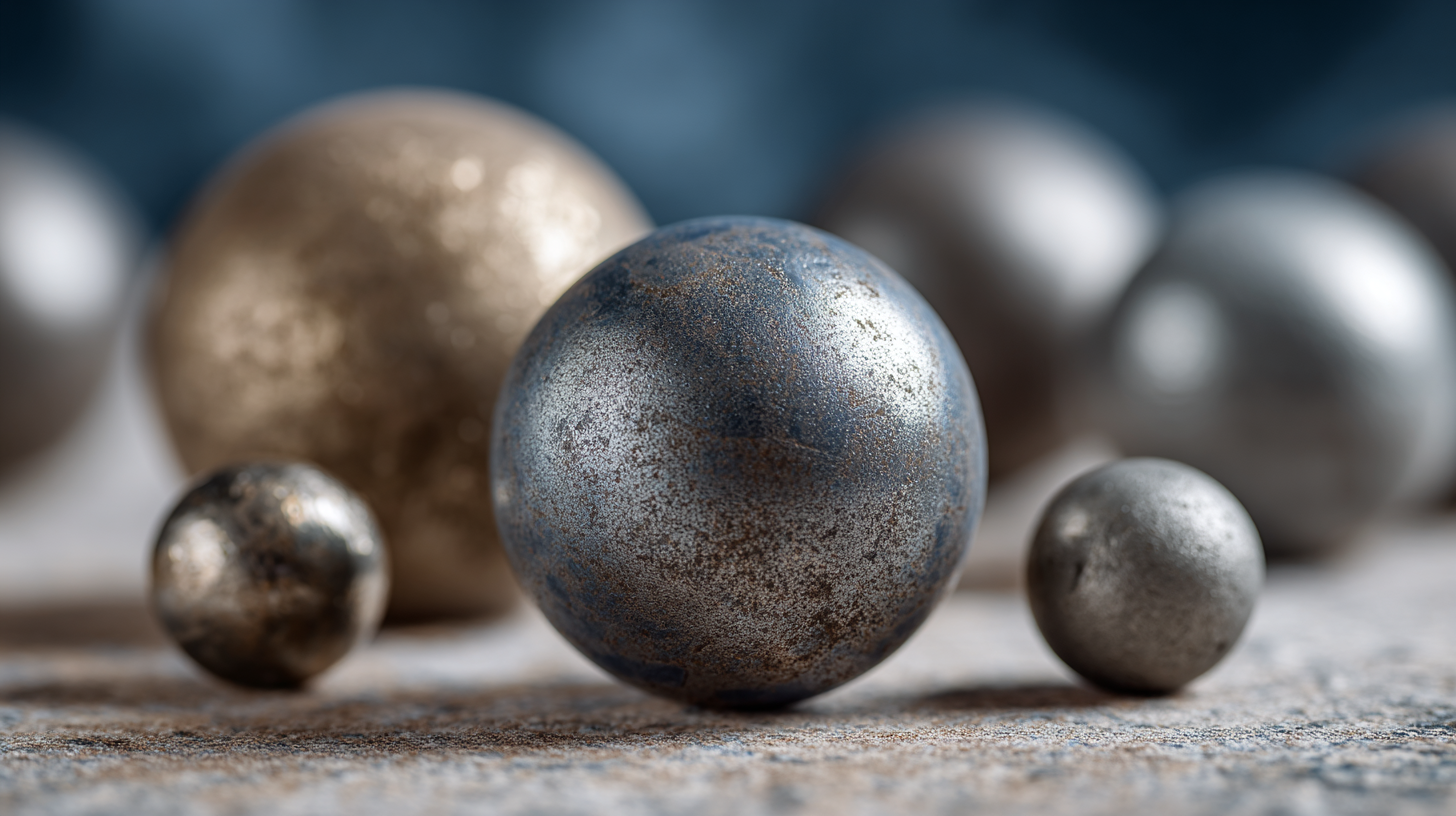 Take Pingxiang Baitian (Ball-tec) New Materials Co., Ltd. for example – they're known as a leading high-tech player in the game, really specializing in developing and producing advanced ceramic grinding media like zirconia and alumina microcrystalline ceramics. According to some industry reports I've seen, the demand for zirconia-based products keeps skyrocketing, thanks to their amazing hardness and durability. That’s why ZrO2 Grinding Balls have become the go-to choice for all sorts of applications in mining, metallurgy, and advanced manufacturing. So, digging into the right sourcing strategies can really help businesses get a leg up in this competitive landscape and find the most reliable materials to meet their needs.
Strategies for Identifying High-Quality ZrO2 Grinding Balls in the Global Market
When you're out there looking for top-notch ZrO2 grinding balls in the global market,
it really pays off to take a smart approach. You want to make sure you're getting the best bang for your buck, right?
One solid tip is to dive into the manufacturing processes that your potential suppliers are using.
I came across this report from 'Market Research Future' that mentioned how the demand for
high-performance ceramic materials, including zirconia balls, is set to soar. They're in high demand across a bunch of industries—
from electronics to pharmaceuticals, which is pretty exciting stuff.
Another key factor to keep an eye on is the purity of the materials and the microstructure of those
zirconia balls. Companies like Pingxiang Baitian (Ball-tec) New Materials Co., Ltd. really focus
on using high-purity zirconia powder, and that’s crucial if you're aiming for the best grinding performance and longevity.
It’s always a good idea to ask for detailed specs and certifications from your potential suppliers to make sure they meet
those industry standards you care about.
Oh, and here's a quick tip: Look for suppliers that have strong
R&D capabilities; that’s where the magic happens, leading to continuous product innovation.
And don't skip out on attending industry trade shows! They’re a great way to meet reputable manufacturers
and get a first-hand look at their quality assurance processes. Lastly, it might be wise to go for some third-party testing
for those grinding balls to double-check their performance claims before you go ahead with a bulk order.
Better safe than sorry, right?
Understanding the Importance of ZrO2 Grinding Balls in Various Industries
Zirconia (ZrO2) grinding balls are crucial components in various industries, offering enhanced performance and efficiency in material processing. These high-performance grinding media are known for their exceptional hardness, chemical resistance, and durability, making them an excellent choice for applications in the ceramics and coatings sector, as well as in the production of high-purity materials. By using ZrO2 grinding balls, manufacturers can achieve finer particle sizes and better dispersion, which is essential in industries such as pharmaceuticals, electronics, and advanced manufacturing.
At Pingxiang Baitian (Ball-tec) New Materials Co., Ltd., we leverage our expertise in zirconia and alumina microcrystalline ceramics to provide top-quality grinding solutions. Our focus on innovation ensures that we meet the evolving needs of the market, particularly in high-tech applications like bio-dental and solid fuel cells, as well as 3D printing technologies. With our commitment to research and development, we offer high-purity zirconia powders that play a vital role in enhancing the performance and longevity of our grinding media, helping businesses worldwide achieve their operational goals.
Key Factors Affecting the Performance and Durability of ZrO2 Grinding Balls
You know, ZrO2 grinding balls, or zirconia as they’re often called, are becoming quite the favorite in various industries like ceramics, electronics, and even pharmaceuticals. And it’s not hard to see why—they're super tough and can really stand up to wear and tear. There are a few key things that determine how well these grinding balls perform and how long they'll last, including what they’re made of, how they’re produced, and the environment they’re used in. In fact, a market analysis from Research and Markets in 2020 suggested that the whole market for advanced ceramics, which includes these zirconia balls, is expected to hit around $128 billion by 2025. That just shows how crucial these materials are becoming in today’s applications.
When it comes to the composition of ZrO2 grinding balls, it’s really important. Higher purity levels and a well-controlled grain size can make them stronger and tougher. Some reports even say that adding stabilizers, like yttria and magnesium, can improve their fracture toughness by over 30%! That’s why they’re often the go-to choice for high-energy milling. Plus, the way they’re made—in terms of sintering temperature and time—can have a big impact on their microstructure and mechanical properties too.
Don’t forget about the operational factors, like the viscosity of the slurry and the ratio of milling media to powder; these things also play a big role in how efficiently the ZrO2 grinding balls do their job. Studies have shown that if you fine-tune those parameters, you could cut wear rates by as much as 60%, which is a big deal when it comes to extending the life of the grinding media and keeping those replacement costs down. As more industries look for efficient and long-lasting grinding solutions, really getting to grips with these key factors is going to be super important for anyone sourcing the best zirconia balls out there in the global market.
Global ZrO2 Grinding Ball Performance Comparison
Evaluating Suppliers: Metrics for Assessing Manufacturer Reliability and Capability
So, when you're out there looking for ZrO2 grinding balls on global markets, it's super important to really check out your suppliers to make sure you're getting the best quality and performance. A reliable supplier should have a solid track record—it's all about consistency, right? You can get a good sense of their reliability by looking at a few key indicators. There's this report from Research and Markets that mentions the global ceramics market, including advanced stuff like zirconia, is projected to hit about USD 6.3 billion by 2025. That really highlights how much demand there is for top-notch materials! So, manufacturers have to step up and prove they can produce zirconia products that meet the high-quality standards we need.
One great way to figure out if a supplier is trustworthy is by digging into their production processes and any certifications they have. Take ISO 9001, for example—it's a solid indicator that a manufacturer really cares about quality management. Plus, checking out their production capacity and lead times gives you a peek into how well they can handle larger orders without dropping the ball. And hey, don’t forget to look at customer feedback and case studies; they can say a lot about how responsive a supplier is and the quality of service they offer. These factors are key if you're looking to build a lasting partnership. Oh, and just to add, a report from MarketsandMarkets mentions that companies in the grinding media sector are really focused on performance metrics. This info helps buyers make smart choices when picking suppliers in this competitive game.
Global Market Trends: Pricing Dynamics and Demand for ZrO2 Grinding Balls
You know, the world of industrial materials is always changing, and lately, we've seen some pretty wild ups and downs in the demand for zirconia (ZrO2) grinding balls. According to recent studies, the global market for these zirconia balls is expected to hit around 1.2 billion dollars by 2026, which is quite a leap with a compound annual growth rate (CAGR) of about 6.5%. What’s really driving this growth? Well, it turns out that more and more industries—like ceramics, mining, and pharmaceuticals—are starting to rely on advanced materials. And because ZrO2 is so tough and resistant to corrosion, it's helping them crank up both quality and efficiency in production.
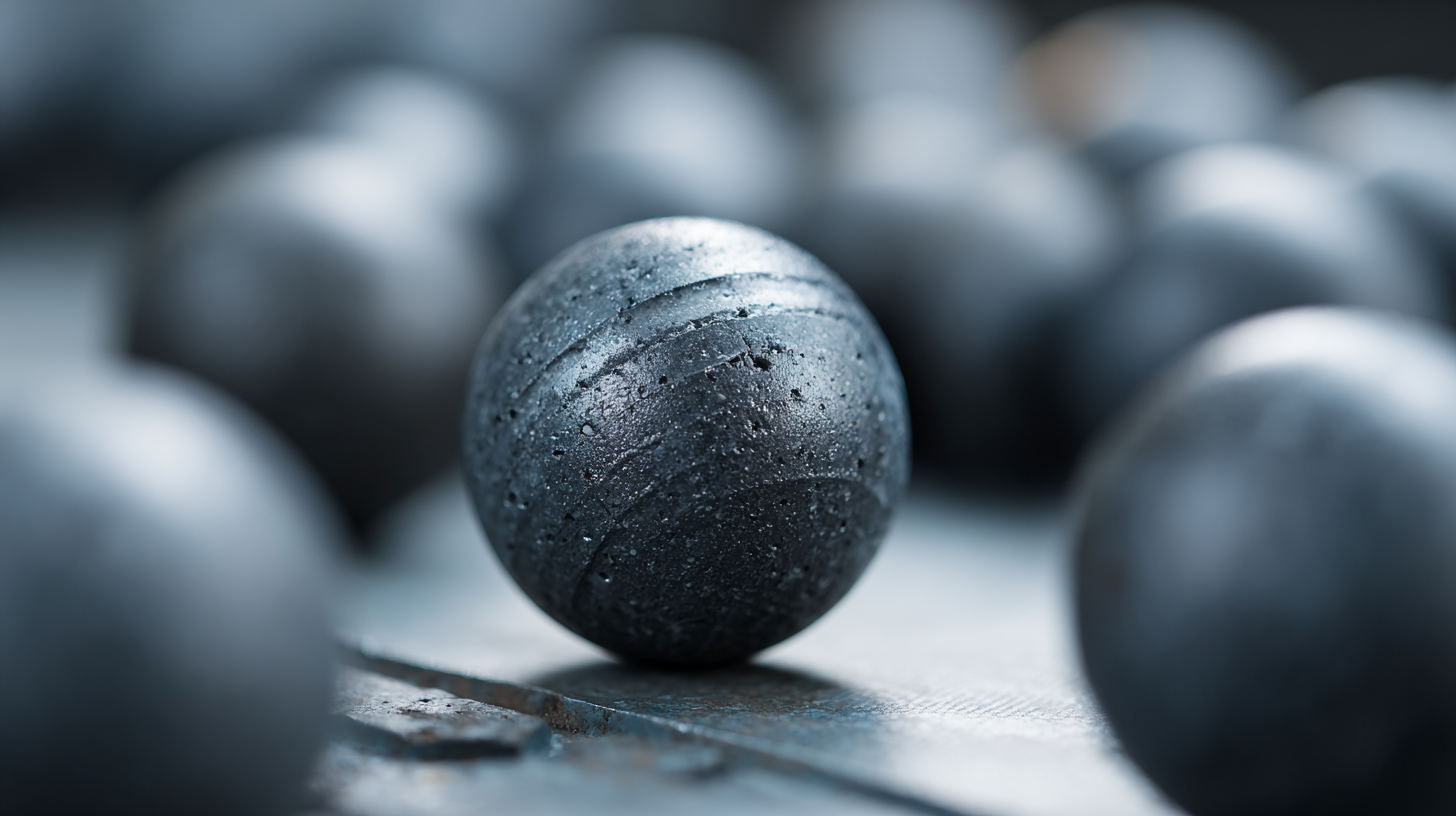
But it's not just about the growth numbers. Pricing has been a whole adventure in itself! Prices for high-purity zirconia materials have shot up by nearly 20% over the past couple of years, thanks to some supply chain hiccups and, of course, the global demand skyrocketing. Plus, there's a lot of competition out there among manufacturers, which means that pricing strategies are all over the place. Some companies are going for lower prices to grab more market share, while still trying to keep their quality up. So, if you're in the market for ZrO2 grinding balls, it’s key to stay on top of these trends. You want to make sure you're getting a good deal without cutting corners on performance.
The Role of Quality Certifications in Sourcing ZrO2 Grinding Balls Internationally
Hey there! When it comes to buying ZrO2 grinding balls internationally, it's super important to pay attention to quality certifications. These little pieces of paper can make all the difference when it comes to knowing your products are reliable and perform well. With so many suppliers out there, having certifications like ISO standards gives you a solid guideline for quality and safety – it’s like a trust badge for manufacturers! And with everyone on the hunt for top-notch materials, having that verified quality is just a must-have, no questions asked. This becomes even more vital as more manufacturers step up their game and expand their production capacity to meet those international standards.
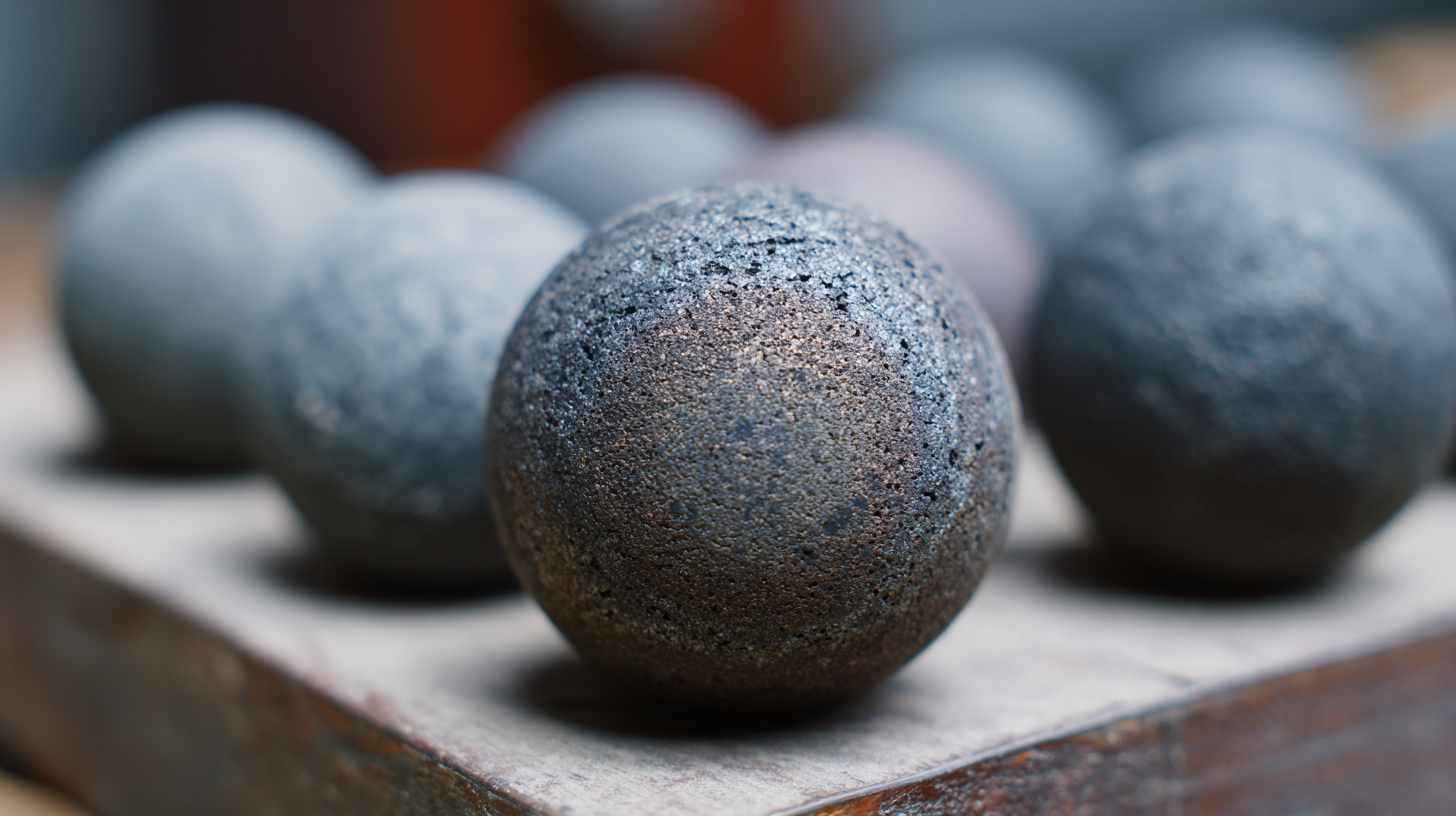
Take, for example, the new SAG ball production line that just opened in Indonesia; it really shows how competitive the market is getting. As these manufacturers pump money into new production tech, the need for consistent quality checks and certifications is more crucial than ever. So, if you're in the market for suppliers, make sure to choose those who can show they follow quality standards. This way, the grinding balls you get won’t just tick the boxes for technical specs but will also help boost your operational efficiency across different applications. As we change how we source these materials, leaning into quality certifications will definitely help cut down on procurement risks and keep your manufacturing processes running smoothly.
Maximizing Efficiency in Industrial Grinding: Insights from Recent NTCA Reports on 99% High Purity Alumina Al2O3 Grinding Ball Beads
Maximizing Efficiency in Industrial Grinding: Insights from Recent NTCA Reports on 99% High Purity Alumina Al2O3 Grinding Ball Beads
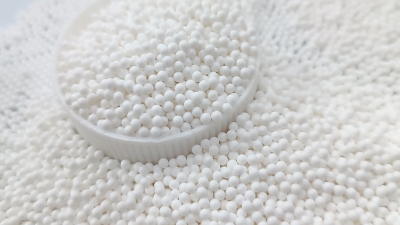
In the realm of industrial grinding, the choice of grinding media plays a crucial role in determining the efficiency and effectiveness of the process. Recent reports from the National Trade and Certification Association (NTCA) highlight the significant advantages of using 99% high purity alumina grinding ball beads as a ceramic grinding medium. These beads are characterized by their exceptional wear resistance and chemical stability, making them ideal for fine grinding and dispersion applications in various industries, including chemicals, electronics, and ceramics.
The alumina grinding balls possess a unique hardness that contributes to their performance, as indicated by the Mohs hardness scale, where they typically score between 8 and 9. This feature allows them to grind materials more efficiently compared to lower purity options. Furthermore, the NTCA reports suggest that the use of these high purity alumina beads can reduce contamination, providing cleaner end products essential for high-precision industries. The reduction in wear and tear on machinery associated with these beads can also lead to lower operational costs, highlighting their economic viability for industrial applications.
Moreover, a recent market analysis shows that the adoption of high purity alumina grinding media is on the rise, driven by increasing demand for superior quality in products. For instance, the electronics industry, requiring ultra-fine materials for components, has significantly benefited from the use of these grinding balls. In light of these insights, manufacturers seeking to maximize efficiency and minimize costs should consider integrating 99% purity alumina grinding ball beads into their processes for enhanced performance and product quality.
FAQS
: ZrO2 grinding balls are used in industries such as ceramics, electronics, and pharmaceuticals due to their exceptional hardness and wear resistance.
Key factors include composition, manufacturing process, and operational environment. Higher purity levels and controlled grain size enhance strength and toughness, while manufacturing techniques affect microstructure and mechanical properties.
Evaluate the manufacturing processes of suppliers, scrutinize material purity and microstructure, and request detailed specifications and certifications to ensure products meet industry standards.
High purity zirconia powder is vital for achieving optimal grinding performance and durability, as it directly influences the strength and toughness of the balls.
The addition of stabilizers such as yttria and magnesium can enhance fracture toughness by more than 30%, making grinding media suitable for high-energy milling processes.
Factors such as slurry viscosity and milling media-to-powder ratio can significantly impact efficiency, with optimized parameters potentially reducing wear rates by up to 60%.
Trade shows provide opportunities to connect with reputable manufacturers and gain firsthand insights into their quality assurance processes.
Utilizing third-party testing can help validate the performance claims of grinding balls before making bulk purchases.
According to a market analysis, the global market for advanced ceramics, including zirconia balls, is expected to reach $128 billion by 2025.
Suppliers with strong R&D capabilities are more likely to engage in continuous product innovation, which can lead to better quality and performance of ZrO2 grinding balls.