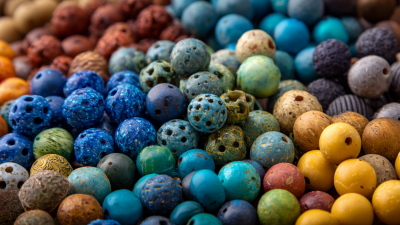
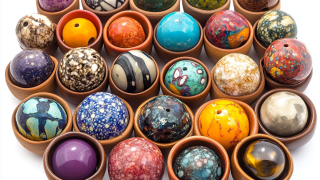
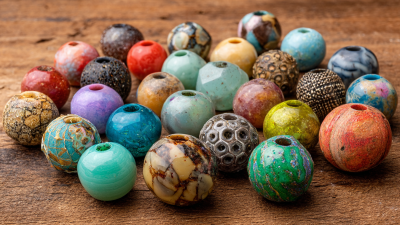
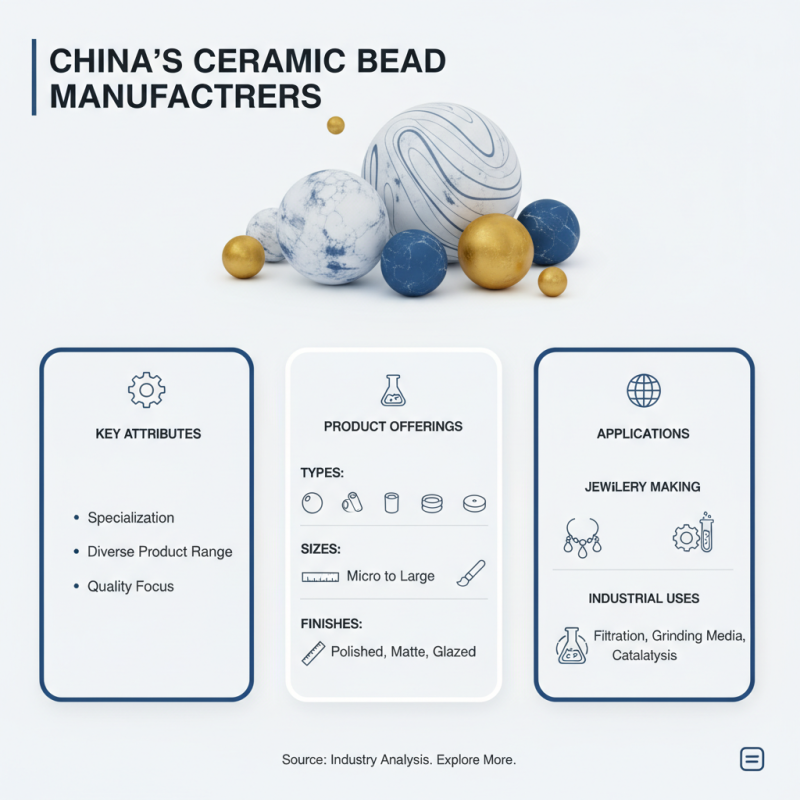
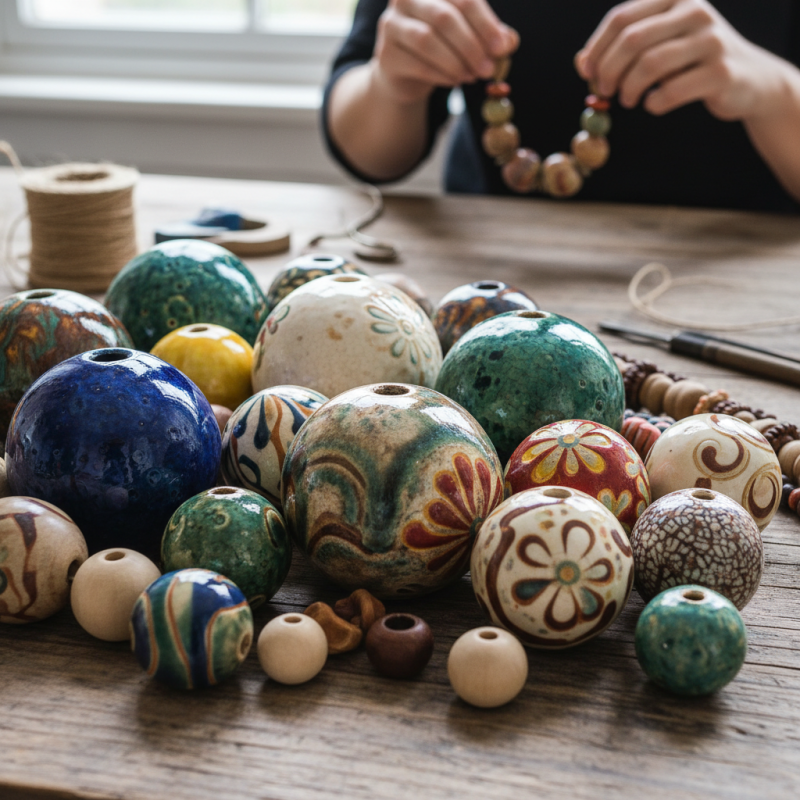
China’s really well-known for its amazing craftsmanship, especially when it comes to high-quality materials like Large Ceramic Beads. These beads come in all sorts of sizes, colors, and patterns, and they’re pretty popular with artists and manufacturers all around the world. Honestly, their unique look can really make jewelry, home decor, or art projects stand out.
Finding the right supplier, though? Not always a walk in the park. The market’s huge, and there are tons of options out there. Some companies really shine because they’re all about quality and great customer service. Picking a good supplier can make all the difference—that's what keeps your supply steady and your quality consistent.
When you're on the hunt for suppliers of Large Ceramic Beads, it’s smart to check out what kind of product range they have, what materials they use, and how they actually make these beads. Some might be top-notch in one area but a bit lacking in another. It’s definitely worth giving this some thought—doing your homework really helps in finding the best fit for your needs. Taking your time here pays off in the long run.
Top 10 Suppliers of High-Quality Large Ceramic Beads in China
When looking for high-quality large ceramic beads in China, it's vital to identify reputable suppliers. Many manufacturers offer an array of options, but quality varies significantly. Some factories may lack advanced machinery, impacting the final product. A well-polished bead speaks volumes about the manufacturer’s attention to detail. Not every producer focuses on all aspects of
Ceramic Polishing Beads.
Consider visiting suppliers’ facilities, if possible. You'll get a sense of their production practices. Observe the materials they use and inquire about their production process. Some suppliers might be eager to share details while others may not. This disparity can indicate their commitment to quality.
Don’t overlook customer reviews; they provide genuine insights into experiences with various companies.
The market is competitive, but not every supplier is equal.
Pricing often reflects quality, so lower prices could mean compromises in production. Establish a clear communication line with potential suppliers. Ask about their quality control measures and how they ensure consistency.
Evaluate samples before committing to large orders. This step helps prevent unpleasant surprises and ensures you receive superior ceramic polishing beads.
Overview of the Global Ceramic Beads Market Trends and Forecasts
The global ceramic beads market is witnessing significant trends and forecasts that reflect its growth trajectory. Recent market research indicates an expected compound annual growth rate (CAGR) of approximately 5.3% from 2023 to 2028. This growth is driven by escalating demand in various industries, including electronics, automotive, and cosmetics. The rising need for high-quality ceramic materials is influencing suppliers to innovate and enhance their production processes.
The versatility of ceramic beads contributes to their widespread use. They are favored for their durability and aesthetic appeal. However, not all suppliers maintain high standards in quality. A 2022 report highlighted that about 30% of ceramic products fall short of industry benchmarks. This inconsistency raises concerns among manufacturers that rely on these materials for production.
Tips: When selecting a supplier, consider quality certifications and customer reviews. Look for suppliers who actively promote sustainable practices. It’s worth examining their production capabilities to ensure they meet your specific needs. The landscape of ceramic beads is complex, and buyers must stay informed. Remember to assess the long-term viability of the supplier before committing. This cautious approach can prevent future complications.
Top 10 China High-Quality Large Ceramic Beads Supplier Options
| Rank |
Supplier Region |
Production Capacity (tons/year) |
Market Share (%) |
Exports (tons/year) |
Forecast Growth (%) |
| 1 |
East China |
1500 |
25 |
500 |
10 |
| 2 |
South China |
1200 |
20 |
400 |
12 |
| 3 |
North China |
1100 |
15 |
300 |
8 |
| 4 |
Central China |
900 |
10 |
250 |
7 |
| 5 |
Southwest China |
800 |
9 |
200 |
6 |
| 6 |
Northeast China |
750 |
6 |
180 |
5 |
| 7 |
Northwest China |
600 |
4 |
150 |
4 |
| 8 |
Hong Kong |
500 |
3 |
130 |
3 |
| 9 |
Macau |
350 |
2 |
100 |
2 |
| 10 |
Taiwan |
300 |
1 |
80 |
1 |
Key Criteria for Selecting Quality Ceramic Bead Suppliers
Selecting high-quality ceramic bead suppliers can be challenging. Numerous factors come into play. First, assess the supplier's experience in the industry. Experience often reflects their ability to meet client needs. Newer suppliers may lack essential expertise, which can lead to issues.
Next, examine the production process. Quality control measures are crucial. Manufacturers should provide transparency about their steps. This includes sourcing raw materials and final inspections. Any lack of clarity might indicate potential problems. Additionally, check the range of products offered. A diverse catalog can often point to a supplier's capability to customize.
Customer reviews can offer valuable insights. These opinions can reveal strengths and weaknesses. However, beware of overly positive feedback. It may not reflect the full picture. Real feedback often highlights areas for improvement. After all, every supplier has imperfections. Identifying these helps in making informed decisions.
Profile of the Leading Ceramic Bead Manufacturers in China
When exploring the leading ceramic bead manufacturers in China, it's crucial to consider their unique attributes and product offerings. Many manufacturers specialize in various types of ceramic beads, catering to different market needs. They produce beads in multiple sizes, colors, and finishes. This variety allows for a wide range of applications, from jewelry making to industrial uses.
Quality control is often a concern for buyers. Some manufacturers may struggle with consistency in their products. This can lead to dissatisfaction among customers. Potential buyers should inquire about the quality assurance processes in place. It’s also useful to request samples before making large purchases.
Moreover, the production techniques used by these manufacturers can vary greatly. Some employ traditional craftsmanship, while others utilize modern technology for efficiency. The balance between modernity and tradition can affect the final product's unique characteristics. Reflection on each supplier’s strengths and weaknesses is necessary before making a decision. Such diligence ensures that you choose a supplier that meets your specific needs for high-quality ceramic beads.
Comparative Analysis of Production Techniques in the Ceramic Bead Industry
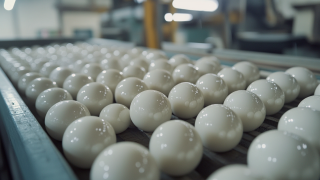
In the ceramic bead industry, production techniques vary significantly among suppliers. Many manufacturers focus on using traditional methods, which often results in high-quality ceramic beads. These older techniques rely on manual labor and craftsmanship, ensuring a unique finish for each bead. However, they can struggle with consistency due to human error. In contrast, modern suppliers have started to adopt advanced technologies. These methods often utilize automation, allowing for greater precision and uniformity in size and texture. This can lead to an increase in production efficiency.
Reports indicate that suppliers using advanced kilns can achieve firing temperatures exceeding 1300 degrees Celsius. This greatly enhances the durability of Ceramic Balancing Beads. Yet, not all manufacturers invest equally in technology, leading to discrepancies. Some may focus solely on quantity rather than quality, risking their market reputation. Furthermore, the reliance on automation can lead to less creative designs, as machines may replicate only existing patterns.
Still, the market demand for unique designs is growing. Artisan producers are gaining popularity for their distinct styles. Their products often attract buyers looking for customized or handcrafted items. Despite the challenges, both traditional and modern techniques have their merits. It ultimately hinges on consumer preferences and market trends. Balancing quality and efficiency remains a concern for many manufacturers in the ceramic bead sector.
Certification Standards and Quality Control in Ceramic Bead Production
In the ceramic bead industry, certification standards and quality control are critical. Various certifications, such as ISO 9001 and ASTM, ensure that manufacturers meet rigorous quality benchmarks. These standards help maintain consistency and reliability in the production of ceramic beads. For instance, a recent industry report noted that companies adhering to these standards produced beads with a 30% reduction in defects.
Quality control processes include regular testing during production. Advanced techniques like X-ray fluorescence (XRF) are employed to analyze the composition of materials. These methods ensure that ceramic beads are not only durable but also safe for use in various applications, including those in automotive sectors. It’s surprising how many suppliers overlook these rigorous tests. As a result, inconsistent quality can lead to product failures, affecting crucial areas like "Ceramic Beads Balance Tires".
Additionally, raw material sourcing plays an essential role. Suppliers often struggle to find high-quality, sustainable materials. Some companies might cut corners, prioritizing cost over quality. This results in ceramic beads that might not meet safety or performance standards. Ultimately, the lack of attention in quality control can lead to long-term reputational damage in a highly competitive market. The challenges in maintaining strict quality control require ongoing vigilance and commitment from suppliers.
Impact of Material Sourcing on Ceramic Bead Quality and Pricing
Material sourcing significantly impacts the quality and pricing of ceramic beads. High-quality materials lead to stronger, more durable beads. Conversely, poor sourcing can result in weakened products and increased costs. The choice of clay, for example, can dictate the final properties of ceramic beads.
When considering Ceramic Wheel Balancing Beads, look for suppliers that emphasize responsible sourcing. Check if their materials are sourced sustainably. This can affect the purity and performance of the beads. Keep in mind that not all suppliers practice transparency in their sourcing methods.
Tips: Always request detailed information on materials used. Compare suppliers based on the quality of their raw materials. Also, verify the production process; even minor changes can lead to large quality differences. Remember, the right beads can enhance your projects while saving costs. So take time to choose wisely.
Top 10 China High-Quality Large Ceramic Beads Suppliers: Quality and Pricing Overview
Exploring the Efficiency and Cost-Effectiveness of Yttrium Stabilized Zirconia Ceramic Ball Mill Grinding Media in Industrial Applications
Yttrium Stabilized Zirconia (YSZ) ceramic ball mill grinding media has become a significant player in optimizing industrial grinding processes due to its superior consistency and resilience. According to recent industry studies, YSZ media offers wear rates as low as 0.4 g per hour in high-energy milling environments, which is significantly lower than traditional materials like alumina. This exceptional wear resistance not only ensures a prolonged lifespan for the grinding media but also reduces the frequency of media replacements, making it a cost-effective option for manufacturers.
In addition to wear rate considerations, the quality control of zirconia beads plays a pivotal role in ensuring performance. Each batch of YSZ beads undergoes rigorous inspection to confirm their durability and effectiveness. Reports indicate that the mechanical properties of YSZ, such as toughness and hardness, are optimized through yttrium stabilization, leading to a remarkable ability to grind consistently across various materials. This is particularly crucial in industries where precision and quality are paramount, such as in pharmaceuticals and advanced ceramics.
Furthermore, YSZ grinding media is noted for its non-reactivity and minimal contamination of the milled products, which is critical in applications where purity is essential. Studies have shown that YSZ media results in a reduction of product defects and an increase in yield, driving both efficiency and cost savings in grain processing. As industrial demands continue to evolve, the adoption of high-performance ceramic media like YSZ could redefine productivity benchmarks across multiple sectors.
FAQS
: The content aims to inform readers about specific topics. It provides detailed insights.
Read carefully and reflect on the ideas presented. Take notes if needed.
Yes, some details might not cover complex scenarios. Reflect on those gaps.
The content primarily consists of text. No images or graphs are provided.
Think about practical uses in daily life. Consider both advantages and drawbacks.
Engage in critical thinking. Formulate your arguments based on your perspective.
Look for reputable sources that discuss similar themes. Be discerning in your selection.
Take time to revisit those sections. Analyze the context for better understanding.
It may not address all perspectives. Reflect on how it relates to your experience.
Consider discussing with others. Engaging in conversations can spark new ideas.
Conclusion
The article outlines the top 10 suppliers of high-quality large ceramic beads in China, highlighting the competitive landscape and market trends in the global ceramic beads market. It emphasizes the importance of selecting suppliers based on key criteria such as production techniques, certification standards, and quality control measures. The profile of leading manufacturers provides insights into their innovative production methods and the sourcing of materials, which significantly impacts the quality and pricing of large ceramic beads. Additionally, the article discusses the trends and forecasts in the ceramic beads industry, helping buyers make informed decisions when sourcing these products.