Pingxiang Baitian New Materials Co., Ltd

Leave Your Message
0%

When it comes to keeping your car running smoothly, getting those wheels balanced just right is super important. It’s not just about safety — it also keeps your tires from wearing out too fast and makes your drive way more comfortable. That’s where tire balancing beads come into the picture. These tiny, innovative beads act as a sort of dynamic balancing system — they naturally shift around inside the tire to even out any uneven weight distribution when you’re driving.

Using tire balancing beads, you can cut down on annoying vibrations, extend your tire life, and enjoy a smoother ride overall. Honestly, they’re a game-changer, especially if you’re into tuning up your vehicle or just want to make your driving experience better.

This easy-to-follow guide will walk you through everything you need to know about tire balancing beads — from how they work, to the benefits, and some handy tips for using them. Whether you’re a pro mechanic or just a car enthusiast who loves fiddling with their ride, understanding these beads can really make a difference. So, let’s dive into the world of wheel balancing and find out how to get your wheels not just balanced, but perfectly tuned and ready for the road ahead.
Ultimate Guide to Tire Balancing Beads Tips for Perfectly Balanced Wheels

Understanding Tire Balancing: What You Need to Know

Tire balancing is a crucial aspect of vehicle maintenance that ensures a smooth and safe driving experience. When tires are unbalanced, it can lead to uneven wear, vibrations at high speeds, and even affect the handling of the vehicle. Understanding the principles behind tire balancing helps car owners make informed decisions about their vehicle's performance. The main goal is to equalize the weight distribution across the tire and wheel assembly, allowing for optimal contact with the road.

One popular method for achieving proper tire balance is the use of balancing beads. These small, lightweight beads move within the tire as it rotates, automatically adjusting to shifts in weight distribution. When the tire spins, the beads settle into the areas where balance is needed, helping to reduce vibrations and wear. This self-adjusting system makes balancing beads a convenient choice, particularly for those looking for alternatives to traditional weights. By investing time in understanding tire balancing and exploring innovative solutions like balancing beads, vehicle owners can enhance their driving experience and prolong the life of their tires.

Ultimate Guide to Tire Balancing Beads Tips for Perfectly Balanced Wheels

Aspect Details
What are Tire Balancing Beads? Tire balancing beads are small plastic or ceramic spheres that help balance tires dynamically while the vehicle is in motion.
Benefits of Using Tire Balancing Beads Improved tire wear, enhanced fuel efficiency, smoother ride and reduced vibrations.
How They Work As the tire rotates, the beads migrate to the area of imbalance and help to evenly distribute the weight around the tire.
Recommended Amount Typically, 1-2 ounces of beads per tire depending on the size and type of tire.
Installation Tips Ensure tires are clean; follow manufacturer guidelines for installation; use the correct amount of beads for tire size.
Maintenance Considerations Periodic checks can help ensure that the beads are still effective; balance may need adjustments based on wear and tear.
Common Misconceptions Beads do not eliminate the need for regular tire balancing; they only assist in maintaining balance during use.

The Science Behind Tire Balancing Beads and Their Function

Tire balancing beads have gained considerable attention in the automotive industry due to their innovative approach to achieving balanced tires. Unlike traditional methods that rely on static weights attached to the rim, tire balancing beads function by utilizing the principles of centrifugal force. As the tire rotates, the beads shift to the point of imbalance, ensuring that weight is distributed evenly across the wheel. This dynamic balancing allows vehicles to maintain stability and comfort during travel, reducing vibrations and improving tire wear. According to a study published by the Tire Industry Association, properly balanced tires can enhance fuel efficiency by up to 3% and extend tire life by up to 25%.

The science behind tire balancing beads is rooted in fluid dynamics and granular material behavior. When a vehicle accelerates, the beads respond to changes in forces and adapt accordingly, which aids in minimizing unbalanced conditions. Research presented in the Journal of Automotive Engineering indicates that this responsive mechanism not only contributes to smoother rides but also decreases the likelihood of alignment issues, a common complication arising from uneven tire wear. These advantages highlight the potential of tire balancing beads as a superior solution for modern automotive designs, ultimately leading to improved performance and longevity of both tires and vehicles.

How to Choose the Right Tire Balancing Beads for Your Vehicle

When it comes to selecting the right tire balancing beads for your vehicle, there are several factors to consider that can significantly affect your driving experience. First, it’s essential to determine the type of vehicle you own, as different vehicles may require specific weights and materials for optimal performance. For instance, larger trucks and SUVs may need a higher volume of beads compared to standard passenger cars. Additionally, consider the type of tires used on your vehicle, as this can influence the compatibility and effectiveness of the balancing beads.

Tire Balancing Beads Tips for choosing the right tire balancing beads include paying attention to the material composition. Most tire balancing beads are made from silica, glass, or plastic, each offering distinct benefits. Silica beads provide good performance and durability, while glass beads may offer better self-balancing capabilities. Moreover, always check the recommended bead size for your specific tire size, as this will ensure the best fit and functionality. Remember that proper installation is crucial, so be sure to follow the guidelines carefully for optimal results.

Another important tip is to evaluate your driving habits and conditions. If you frequently drive in off-road or uneven terrain, selecting more robust, heavy-duty balancing beads may be beneficial to handle the additional wear and tear. Understanding these factors not only helps ensure a smoother ride but also promotes longer tire life and better fuel efficiency, making your investment in balancing beads worthwhile for your vehicle's performance.

Step-by-Step Guide to Installing Tire Balancing Beads

When it comes to achieving perfectly balanced wheels, tire balancing beads offer an innovative solution. Their unique ability to adapt to dynamic weight changes as you drive makes them a popular choice among automotive enthusiasts and industry professionals alike. According to a recent study by the Tire Industry Association, properly balanced tires can lead to a 30% increase in tread life and improve fuel efficiency by up to 10%. This makes tire balancing beads not just a convenience, but a smart investment in vehicle maintenance.

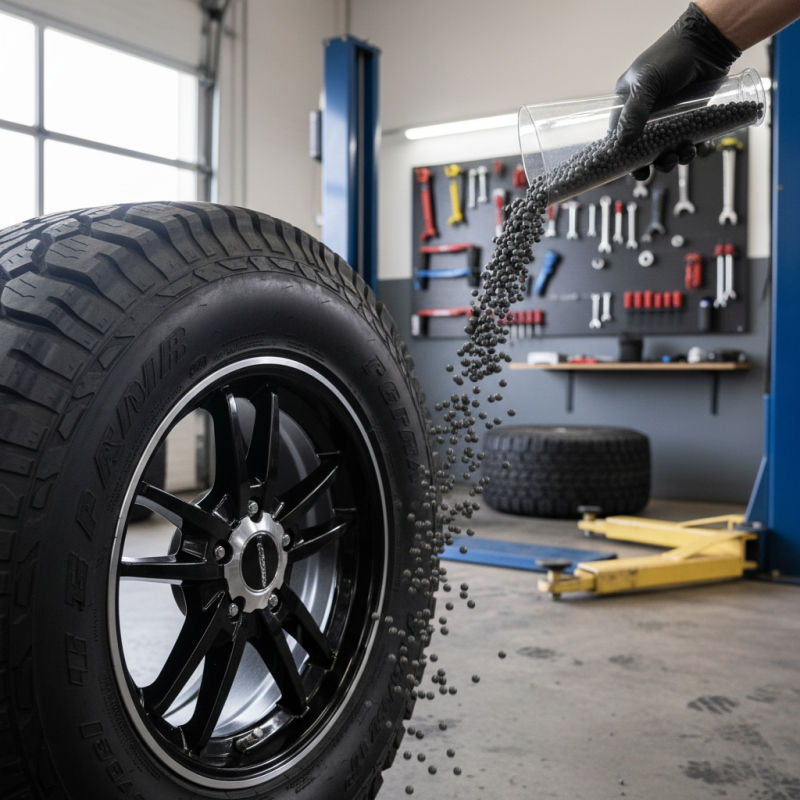
Installing tire balancing beads is a straightforward process, but attention to detail is crucial for optimal results. Begin by removing the tire from the rim and ensuring it’s clean and free from debris. Next, choose the appropriate bead size based on tire specifications—the right size can significantly enhance performance. Carefully pour the prescribed amount of beads into the tire, making sure to distribute them evenly. Once completed, remount the tire and inflate as needed, allowing the beads to settle evenly while driving.

**Tips:** Ensure that you use a valve core removal tool when installing the beads to prevent any accidental moisture from entering the tire. It’s also advisable to check for balance after a short drive to ensure the beads have settled properly. Regular inspections of your tire pressure and the condition of the beads can help maintain balance over time, ultimately extending tire life and enhancing safety on the road.

Ultimate Guide to Tire Balancing Beads: Installation Efficiency

Common Mistakes to Avoid When Using Tire Balancing Beads

When using tire balancing beads, it's essential to avoid common mistakes that can lead to imbalanced wheels and compromised performance. One prevalent error is not using the correct amount of beads for your tire size. Each tire requires a specific weight of balancing beads to function effectively; using too few can result in vibrations, while using too many can lead to uneven wear and unnecessary strain on the tire. Always refer to guidelines for the correct dosage based on your tire specifications to ensure optimal results.

Another mistake is neglecting to check the beads' condition after installation. Beads can clump together or become damaged over time, affecting their ability to distribute evenly within the tire. Regular inspection is crucial, especially if you notice any changes in driving performance. If clumping is detected, consider dismounting the tire and replenishing or redistributing the beads to restore balance.

Tips for effective use include pre-measuring the beads before installation, allowing yourself to achieve the proper weight distribution. Additionally, ensure that the tire is mounted correctly on the rim; an improperly seated tire can cause the beads to settle inappropriately, leading to imbalances. Finally, always check for leaks in the tire and ensure that it is properly inflated, as both factors can significantly impact the effectiveness of the balancing beads.

Tips for Maintaining Proper Wheel Balance Over Time

Ultimate Guide to Tire Balancing Beads Tips for Perfectly Balanced Wheels

Maintaining proper wheel balance over time is crucial for ensuring a smooth ride, extending the lifespan of tires, and enhancing overall vehicle performance. One effective method is to routinely check the balance of your wheels, particularly after any significant driving event such as long trips or after hitting a pothole. Regular visual inspections of the tires can help identify uneven wear patterns, which may indicate an imbalance. When you notice such signs, it’s advisable to seek professional assistance to rebalance the wheels promptly, as ignoring these issues can lead to more significant problems down the line.

Another key aspect of maintaining wheel balance is the monitoring of tire pressure. Under-inflated or over-inflated tires can lead to uneven weight distribution, causing an imbalance that affects vehicle handling and comfort. It's recommended to check tire pressure at least once a month and before long trips. Additionally, rotating tires regularly helps ensure even wear, which further contributes to maintaining a balanced setup. By adhering to these simple practices, vehicle owners can enjoy enhanced performance and safety, ensuring that each drive remains smooth and comfortable.

Evaluating the Performance of Tire Balancing Beads vs. Traditional Methods

Ultimate Guide to Tire Balancing Beads Tips for Perfectly Balanced Wheels

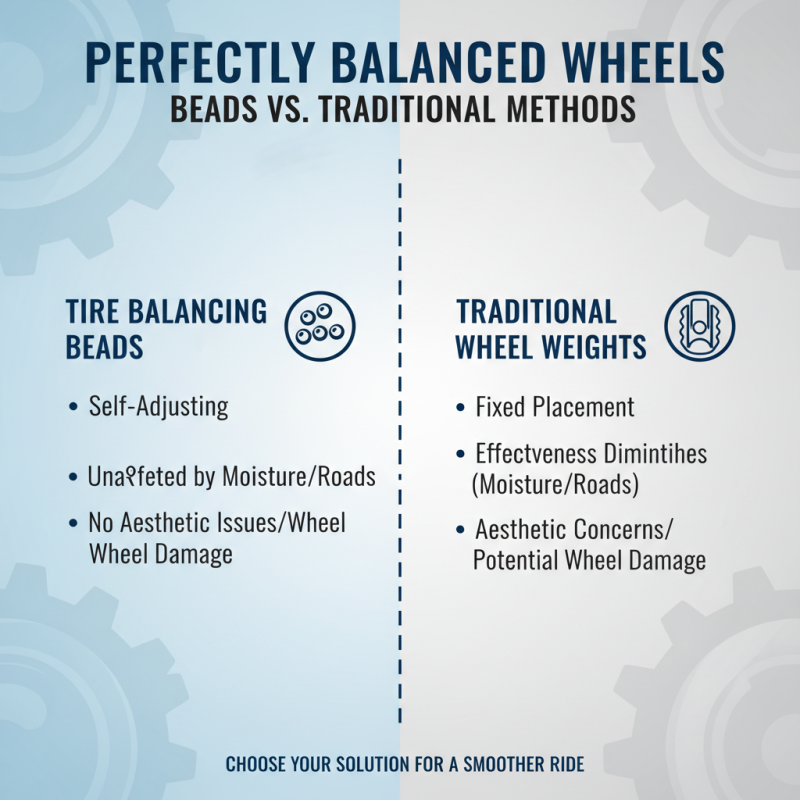
When it comes to achieving perfectly balanced wheels, the evaluation of tire balancing beads versus traditional methods is essential. Traditional techniques, such as wheel weights, have been the long-standing solution for balancing tires. They function by distributing weight evenly around the wheel, counteracting any imbalances that might occur during rotation. However, these weights can sometimes be influenced by factors like moisture and road conditions, leading to a diminished effectiveness over time. Additionally, the presence of wheel weights can result in aesthetic concerns and potential damage to the wheel itself.

On the other hand, tire balancing beads offer a modern alternative that involves tiny beads placed inside the tire. These beads automatically adjust to fluctuations in weight as the wheel spins, allowing for a dynamic balancing process. This adaptability means that beads can maintain balance even under varying loads, providing a more consistent performance throughout the tire's lifespan. Furthermore, tire balancing beads do not alter the appearance of the wheel and can be easier to install compared to traditional weights. Evaluating the performance of both methods highlights the growing popularity of tire balancing beads, particularly among those seeking an innovative solution to tire maintenance while maintaining optimal performance and safety.

FAQS

: What is tire balancing and why is it important?

: Tire balancing is a vehicle maintenance process that ensures even weight distribution across the tire and wheel assembly, contributing to a smooth and safe driving experience. It helps prevent uneven wear, vibrations, and affects the vehicle’s handling.

How do tire balancing beads work?

Tire balancing beads are small, lightweight beads that move within the tire as it rotates. They automatically adjust to shifts in weight distribution, settling in areas where balance is needed to reduce vibrations and wear.

How can I maintain proper wheel balance over time?

To maintain proper wheel balance, routinely check your wheels, especially after long trips or hitting potholes. Regularly inspect tires for uneven wear and monitor tire pressure monthly, as both can affect balance.

What are the signs that my tires might be unbalanced?

Signs of unbalanced tires include vibrations at high speeds and uneven wear patterns on the tires. If you notice these symptoms, it's advisable to seek professional assistance to rebalance the wheels.

How does tire pressure affect wheel balance?

Tire pressure plays a crucial role in weight distribution. Under-inflated or over-inflated tires can lead to imbalances that affect vehicle handling and comfort, so it's recommended to check tire pressure regularly.

What are the advantages of using tire balancing beads over traditional methods?

Tire balancing beads provide dynamic balancing by adjusting to weight fluctuations as the tire rotates, offering consistent performance. Unlike traditional weights, they do not get influenced by external conditions, don’t alter the wheel's appearance, and can be easier to install.

How often should I check my tires for balance?

It's advisable to check your tire balance after any significant driving events, such as long trips or after hitting a pothole, and regularly inspect them for any signs of uneven wear.

Can tire balancing beads prolong the life of my tires?

Yes, by maintaining optimal balance and reducing vibrations, tire balancing beads can help extend the lifespan of tires and enhance overall vehicle performance.

What should I do if I notice uneven wear on my tires?

If you notice uneven wear patterns, it's best to consult a professional to assess and rebalance the wheels to avoid further issues and ensure safety while driving.

Conclusion

The "Ultimate Guide to Tire Balancing Beads" explores everything you need to know about achieving perfectly balanced wheels. It starts with a foundational understanding of tire balancing and the scientific principles behind tire balancing beads, highlighting their unique function in maintaining wheel integrity. The guide also provides insights into selecting the appropriate tire balancing beads for different vehicles, followed by a comprehensive step-by-step installation process.

Additionally, it discusses common pitfalls to avoid when using tire balancing beads and emphasizes the importance of regular maintenance for sustained wheel balance. Finally, the guide compares the performance of tire balancing beads to traditional balancing methods, helping readers make informed decisions about their tire management. Overall, this resource equips vehicle owners with essential knowledge to enhance their driving experience through effective tire balancing techniques.


Emma

Emma

Emma is a dedicated marketing professional at Pingxiang Baitian New Materials Co., Ltd., where she has established herself as an expert in the field. With a profound understanding of the company's innovative products, Emma consistently demonstrates her commitment to excellence. Her role involves......
Previous Advantages of Silicon Nitride Ball Performance and Cost Effectiveness in Maintenance