Pingxiang Baitian New Materials Co., Ltd

Leave Your Message
In the ever-evolving landscape of tire technology, understanding the manufacturing standards of tire balance beads is crucial for global buyers seeking superior performance and reliability. Tire balance beads are innovative solutions designed to improve vehicle stability and enhance tire longevity by ensuring even weight distribution. As demand for high-quality materials rises, manufacturers are challenged to meet stringent standards that not only promise efficiency but also align with environmental considerations. This blog aims to delve into the essential aspects of tire balance bead manufacturing standards, highlighting their benefits and implications for international buyers in the automotive sector.
At the forefront of this technology is Pingxiang Baitian (Ball-tec) New Materials Co., Ltd., a high-tech enterprise dedicated to R&D, production, and sales of advanced materials. With a strong emphasis on zirconia and alumina micro crystalline ceramic grinding media, alongside innovations in bio-dental applications and solid fuel cells, Baitian embodies the commitment to quality and functionality. By leveraging cutting-edge technologies and adhering to rigorous manufacturing standards, Baitian not only reinforces the importance of tire balance beads but also positions itself as a leader in providing high-purity materials that cater to the dynamic needs of global markets.
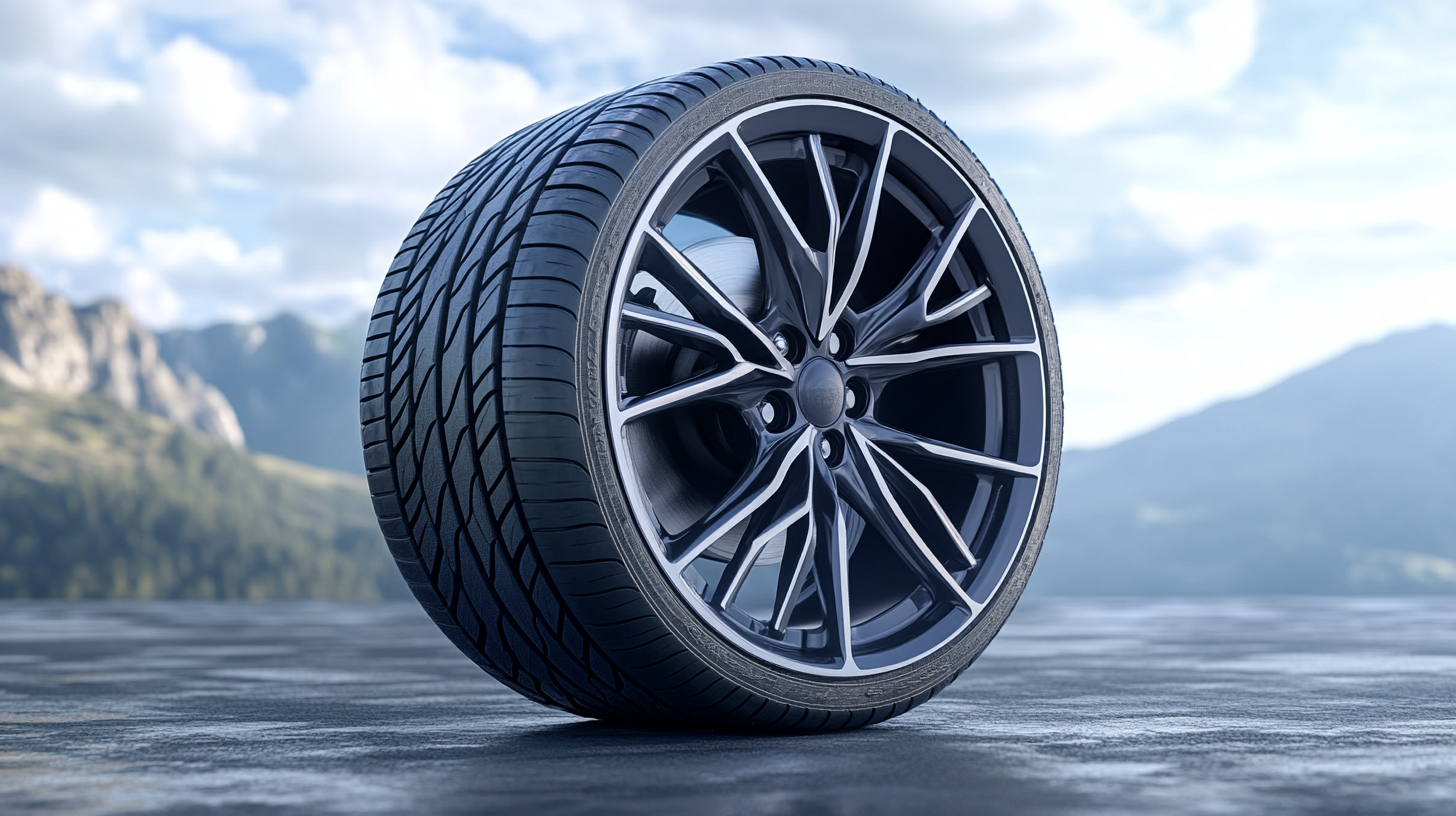
Tire balance beads have emerged as a pivotal element in modern tire technology, enhancing performance and safety on the road. As manufacturers increasingly recognize the significance of balancing tires, the application of these beads helps optimize the distribution of weight within the tire. This leads to improved handling, reduced vibrations, and longer tire life. With progressive advancements in tire manufacturing, such as those incorporating nanotechnology and sustainable materials, the role of balance beads becomes even more critical in maintaining performance integrity. The recent introduction of tires utilizing innovative materials and eco-friendly production methods exemplifies the industry's commitment to enhancing tire performance while minimizing environmental impact. For global buyers, understanding the standards of tire balance bead manufacturing is essential. High-quality balance beads can adapt to different tire types and conditions, ensuring a consistent balancing effect throughout the tire's lifespan. As manufacturers strive to meet sustainability goals, the integration of tire balance beads alongside new material innovations can lead to a harmonious blend of efficiency and eco-responsibility. Furthermore, as the tire market continues to grow, particularly in emerging regions, the importance of tire balance beads will undoubtedly increase. Buyers must be vigilant in sourcing tires with proven balance technology, ensuring they invest in products that offer not only performance but also longevity. In this evolving landscape, tire balance beads represent a crucial component in the ongoing pursuit of safety, efficiency, and sustainability in tire technology.
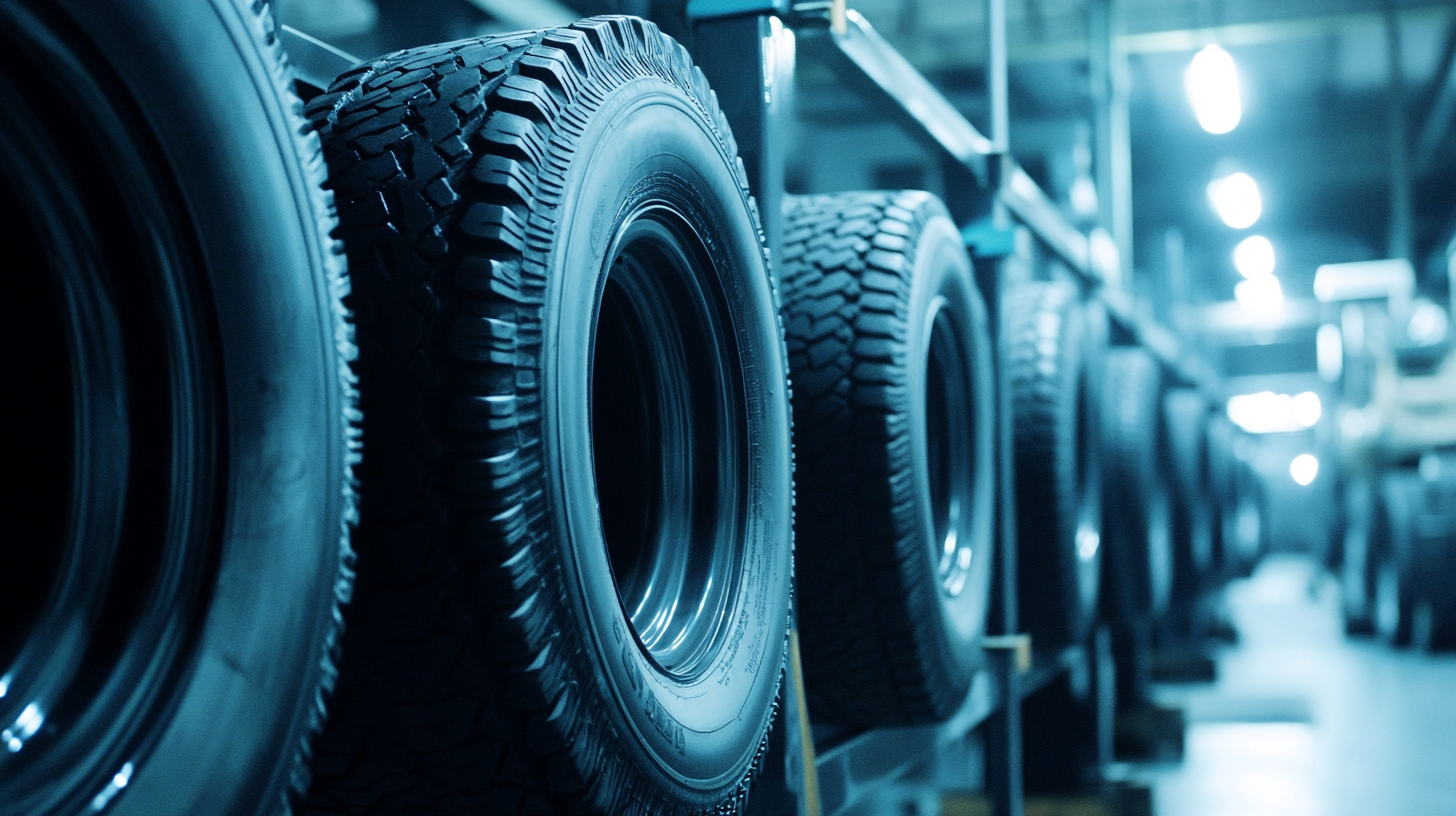
Tire balance beads have revolutionized the way we maintain tire balance in various vehicles, providing a convenient alternative to traditional weights. Understanding the manufacturing processes behind these beads is crucial for global buyers seeking to ensure quality and consistency. The primary materials used in the production of tire balance beads include ceramic, glass, and plastic, each chosen for their unique properties that contribute to the effective balancing of tires. The manufacturing process typically involves precise sizing, shaping, and coating to enhance performance and durability.
Consistent manufacturing standards are essential to guarantee that tire balance beads meet the expectations of both manufacturers and end-users. Quality control measures are implemented throughout the production process, including material testing and bead size verification. Compliance with international standards, such as ISO certifications, ensures that the beads produced maintain a level of reliability that global buyers can trust. These standards not only facilitate smooth global trade but also foster innovation in bead technology, leading to improved efficiency in tire performance.
By investing in a thorough understanding of tire balance bead manufacturing processes and standards, buyers can make informed decisions that enhance their product offerings. Embracing high-quality beads contributes to longer tire life, improved fuel efficiency, and overall better driving experiences—making them an essential component in the tire maintenance industry.
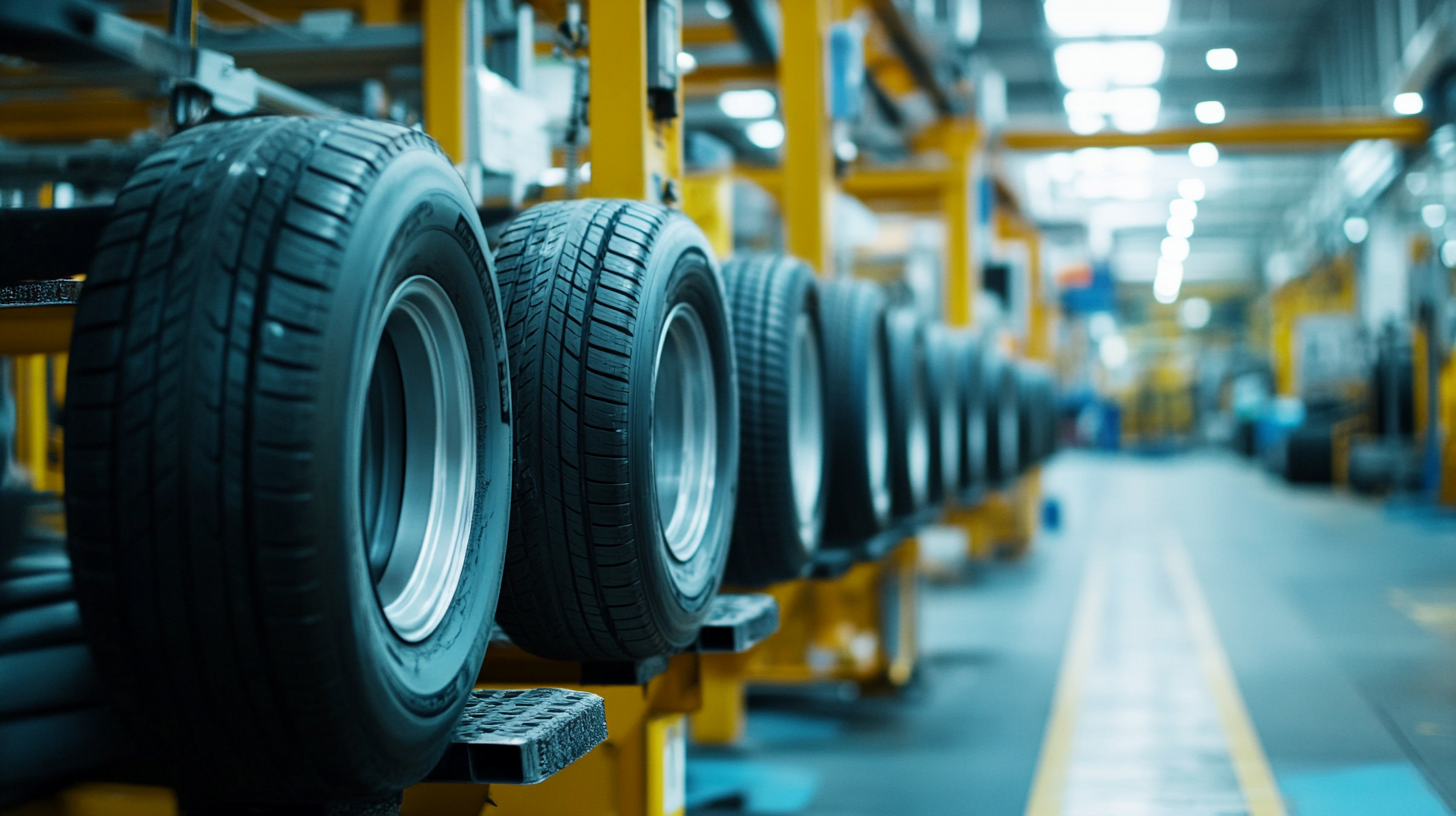
In the tire manufacturing industry, ensuring the quality and effectiveness of tire balance beads is essential for both performance and safety. Global buyers seeking reliable products must pay close attention to industry certifications that guarantee the integrity and consistency of these materials. Certifications such as ISO 9001, which focuses on quality management systems, stand as benchmarks for manufacturers, assuring buyers that they adhere to stringent production protocols.
Another crucial certification to consider is the EN 71 standard, which evaluates the safety of products intended for use in consumer applications. This certification is particularly important for buyers concerned about the environmental impact and safety of tire balance beads. Meeting these standards not only enhances product reliability but also builds customer trust in the brand.
Moreover, the presence of industry-specific certifications, such as those from the Tire and Rim Association (TRA), indicates compliance with established tire performance metrics. These certifications help buyers identify suppliers who are committed to maintaining high-quality manufacturing processes. By focusing on these key industry certifications, global buyers can make informed decisions and invest in tire balance beads that meet their quality assurance standards, ultimately leading to enhanced vehicle performance and safety on the roads.

In the realm of tire maintenance, achieving optimal balance is crucial for vehicle performance and safety. This has led to a growing interest in tire balance beads as an alternative to traditional weight systems. Tire balance beads, small polymer spheres that adjust as the wheel spins, provide a dynamic balancing solution that can outpace conventional weights in effectiveness and ease of use.
While traditional weight systems require manual adjustment and can sometimes lead to imbalances due to weight displacement, tire balance beads work continuously to adapt to changes in the wheel's dynamics. This innovation not only enhances ride quality but also extends the lifespan of tires by minimizing irregular wear. Moreover, the ease of installation for tire balance beads presents a significant advantage, particularly for global buyers looking for efficiency in tire manufacturing and maintenance.
The recent advancements in measurement technology, as evidenced by notable achievements in geographical explorations, reflect a broader theme of pushing boundaries and embracing modern solutions. Just as precision measurement tools allowed climbers to tackle formidable challenges on Mount Everest, tire manufacturers are now harnessing the benefits of tire balance beads to ensure better performance and reliability in a competitive market. This innovative shift emphasizes the importance of adopting new technologies in both high-altitude endeavors and everyday vehicle maintenance, reinforcing the value of progress in enhancing efficiency and reliability.
Tire balance beads have emerged as an innovative solution to improving vehicle performance, particularly in fuel efficiency and tire longevity. These small, lightweight beads, when placed inside tires, automatically adjust to optimize the tire's balance as it rotates. This not only enhances the driving experience by providing a smoother ride but also plays a crucial role in reducing the energy required to keep the vehicle moving.
The relationship between tire balance and fuel efficiency cannot be overstated. When tires are properly balanced, rolling resistance diminishes, leading to less effort needed from the engine and ultimately lower fuel consumption. Research indicates that balanced tires can improve fuel economy by up to 5%. Additionally, the application of balance beads can extend tire life significantly, with some reports suggesting an increase of up to 25%. This is largely due to the even distribution of wear, which helps prevent premature tread degradation associated with traditional balancing methods.
Moreover, global buyers are becoming increasingly aware of the economic and environmental benefits associated with tire balance beads. As fuel prices rise and environmental regulations tighten, the demand for solutions that enhance efficiency is on the rise. By investing in technologies such as tire balance beads, fleet operators and everyday drivers alike can realize significant cost savings, contributing to sustainable practices while also improving their vehicles' performance. Thus, tire balance beads represent not just a technological advancement, but a pivotal step towards smarter, more efficient driving.
The tire balance bead market is experiencing notable growth, particularly in the UK, where projections suggest a substantial increase in demand by 2033. With an expected CAGR of 3.9% from 2023 to 2033, this trend highlights the automotive industry's recognition of the advantages that tire balance beads offer in terms of performance and efficiency. As global buyers become more aware of these benefits, understanding the manufacturing standards associated with tire balance beads is crucial.
In the automotive sector, tire balance beads are becoming essential for ensuring optimal tire performance and longevity. These small but effective solutions help distribute weight evenly within tires, thereby reducing vibration and enhancing ride comfort. The increasing emphasis on performance enhancements in vehicles drives demand for these beads, making it a vital area for manufacturers looking to innovate and meet global market standards.
As different regions refine their approaches to manufacturing tire balance beads, buyers worldwide will benefit from improved quality and efficacy standards. This evolution in manufacturing practices not only enhances product reliability but also aligns with the escalating environmental concerns tied to automotive production. With these developments, the global market for tire balance beads is set to expand, reflecting the automotive industry's shift towards more sustainable and efficient components.
Certified tire balance beads offer significant advantages for global buyers, enhancing both the efficiency and safety of tire performance. By utilizing certified products, buyers can ensure that they adhere to stringent manufacturing standards, thereby reducing the risk of defects and failures that could arise from inferior products. This commitment to quality not only optimizes the longevity of tires but also improves overall vehicle handling and fuel efficiency.
Furthermore, the use of certified tire balance beads promotes environmental sustainability. Many manufacturers are increasingly focusing on eco-friendly practices and materials, ensuring that the products do not contribute to pollution or waste. This is particularly beneficial for buyers who are looking to align their purchasing choices with corporate social responsibility goals. By investing in certified options, global buyers can contribute to a more sustainable automotive industry while enjoying the performance benefits that come from high-quality balance solutions.
In addition to performance and sustainability, the certification process instills confidence in buyers regarding compliance with international safety standards. As the tire market becomes increasingly interconnected, foreign buyers can navigate the complexities of regulations with ease, knowing that certified tire balance beads meet necessary criteria for usage in their regions. This not only streamlines the procurement process but also enhances the overall reliability of tire operations worldwide.
The tire balance bead manufacturing industry is on the cusp of significant innovations that promise to enhance performance and efficiency in the tire market. As global demand for more sustainable and efficient products rises, manufacturers are exploring advanced materials and production techniques. According to a report by MarketsandMarkets, the global automotive tire market is projected to reach $167.4 billion by 2025, which underscores the importance of optimizing tire performance through innovative balancing solutions.
One of the key areas of innovation is the development of eco-friendly balance beads made from recycled materials. Such advancements not only reduce the environmental impact of tire manufacturing but also meet the increasing consumer demand for sustainable products. For instance, a study by the International Journal of Automotive Technology highlights that using innovative tire balancing techniques can improve fuel efficiency by up to 5%, translating to substantial cost savings for fleet operators and individual drivers alike.
Moreover, advancements in technology are paving the way for smart balance bead solutions that can monitor tire performance in real-time. Reports from the Tire Society indicate that integrating IoT sensors with balance beads could provide data-driven insights, helping users maintain optimal tire pressure and balance. This not only enhances the overall driving experience but also significantly extends tire life—potentially reducing costs associated with premature tire replacements by as much as 15%. As the tire balance bead manufacturing sector continues to evolve, it fosters a landscape ripe with opportunities for both manufacturers and consumers alike.
Tire balance beads are small elements used in modern tire technology to enhance performance and safety by optimizing weight distribution within the tire, leading to improved handling, reduced vibrations, and extended tire life.
Tire balance beads are often manufactured using eco-friendly materials and methods, which minimizes environmental impact and aligns with manufacturers' goals of achieving sustainability in tire production.
The tire balance bead market in the UK is projected to grow at a CAGR of 3.9% from 2023 to 2033, indicating increasing recognition of their benefits in the automotive industry.
Understanding manufacturing standards is essential for global buyers to ensure they are sourcing high-quality tire balance beads that provide reliable performance and longevity, especially as different regions refine their manufacturing practices.
Certified tire balance beads assure adherence to stringent manufacturing standards, reducing the risk of defects, optimizing tire longevity, and improving vehicle handling and fuel efficiency.
Many manufacturers focus on eco-friendly practices when producing certified tire balance beads, ensuring that their products contribute to sustainability and align with corporate social responsibility goals.
Certification instills confidence in buyers regarding compliance with international safety standards, easing the procurement process and enhancing the reliability of tire operations across different regions.
The increasing emphasis on performance enhancements in vehicles and the benefits of weight distribution in tires have led to a rising demand for tire balance beads within the automotive sector.
Tire balance beads help reduce vibration levels in tires, enhancing ride comfort for passengers and improving overall vehicle performance during driving.
Buyers should prioritize sourcing certified products that adhere to recognized manufacturing standards, which guarantees better performance, safety, and longevity of tires.