Hey there! So, in this exciting time of manufacturing growth in China, Pingxiang Baitian (Ball-tec) New Materials Co., Ltd. is really making waves with their innovative approach to Zirconium Oxide and its many uses. You know, with all the back-and-forth tariffs between the U.S. and China, there's been a noticeable shift in trade, but guess what? The need for high-quality zirconia and alumina micro crystalline ceramic grinding media is still climbing, pushing the company forward even when the economy's facing some tough times. In this blog, we’ll dive into how this booming manufacturing scene in China is opening up fresh opportunities in the Zirconium Oxide market. We’re particularly looking at areas like bio-dental applications, solid fuel cells, and even 3D printing! It's super interesting. With a strong focus on research and development, Baitian is totally ready to tackle the growing demand for high-purity zirconia powder. It's amazing to see how they're staying resilient and adaptable in this ever-changing economic landscape.
You know, China’s manufacturing sector is really booming right now. I mean, they’ve seen a crazy jump in manufacturing output—over 8% compared to last year! This is largely thanks to an increasing demand for advanced materials like zirconium oxide. But there’s a catch: the U.S. has slapped on some tariffs on imports, which has inflated the costs of key materials. This spike in costs is hitting manufacturers hard and squeezing their profit margins, so for companies, it’s now more important than ever to adapt quickly to these changes.
One way companies can better manage the challenges posed by tariffs is by diversifying their supply chains. By looking for new suppliers for zirconium oxide and other materials, they can lessen their reliance on markets that are facing steep tariffs.
And get this—the demand for high-quality zirconium oxide is on the rise, which makes things even trickier. A recent report from Mordor Intelligence mentions that the global zirconium oxide market could grow by about 6.5% each year between 2021 and 2026. As China aims to lead in advanced materials, manufacturers really have to figure out how to handle these tariff issues while keeping up with the growing demand.
Oh, and here’s a tip: investing in tech can be a game changer. Embracing new technologies can really help streamline production processes and counter some of those rising costs from the tariffs. Using automation and smart manufacturing can boost productivity and help businesses stay competitive, especially in today’s tough economic climate.
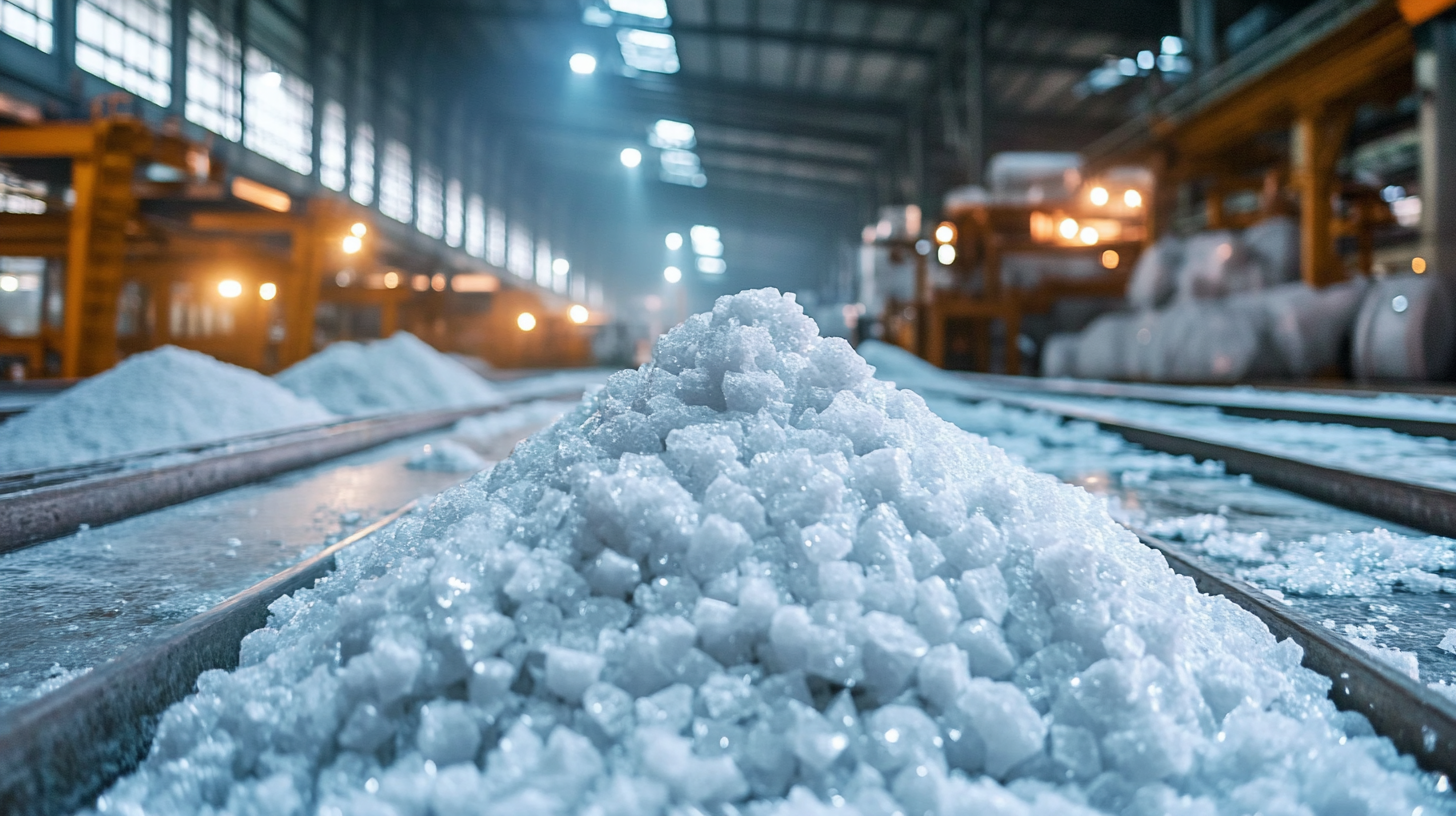
You know, China’s manufacturing scene has really taken off, and that’s led to a big surge in the demand for zirconium oxide. This stuff is super important for all sorts of things, like ceramics, dental tech, and advanced materials. If we look at a report from Global Industry Analysts, it’s saying that the zirconium oxide market could hit about 1.4 billion dollars by 2026, which is pretty impressive—a compound annual growth rate of around 5.5% from 2021 to 2026. This growing demand is opening up both exciting opportunities and some tricky challenges for companies like Pingxiang Baitian (Ball-tec) New Materials Co., Ltd., which is all about producing high-purity zirconia products.
As these manufacturers work to boost their production to keep up, they’re running into some hurdles, like the ups and downs of raw material costs and those pesky tariffs that can mess with pricing strategies. Plus, with more industries requiring high-performance zirconia components for things like bio-dental applications and 3D printing, keeping quality in check is more crucial than ever. Thankfully, Baitian is really focused on innovation and quality with their zirconia and alumina micro crystalline ceramic grinding media, so they’re in a pretty good spot to take advantage of these market shifts. By carefully navigating the more complicated landscape of zirconium oxide, Baitian is set on meeting the rising demand while keeping their competitive edge sharp.
You know, as manufacturers try to make their way through the tricky world of tariffs and the crazy demand for zirconium oxide—thanks to China’s manufacturing boom—it’s super important to come up with smart strategies to manage the risks involved. One of the big hurdles is keeping up with the constantly shifting tariff scene, which can really shake up supply chains. Companies should think about setting up a centralized hub. This would help them get a better grasp on costs, risks, and compliance stuff. Plus, having that insight means manufacturers can spot changes in tariffs and make better decisions that protect their operations.
On top of that, being savvy with pricing and renegotiating contracts is key to staying competitive. If manufacturers take the time to dig deep into how tariffs could affect their supply chains, they can spot alternative sourcing options and tweak their pricing strategies when needed. Teaming up with others in the supply chain can really build resilience, too, allowing companies to share insights and resources. Oh, and let’s not forget about technology—using it to streamline processes and boost communication is crucial for rolling with the punches in this wild trade environment. It keeps manufacturers agile and ready to tackle whatever the market throws their way.
You know, the trends in the zirconium oxide market are really tied to the incredible growth happening in China’s manufacturing scene right now. As manufacturers look for materials that not only perform well but also look good, we’ve seen a real spike in the demand for zirconium oxide. This stuff is known for its fantastic durability and biocompatibility, so it's no wonder it’s becoming a favorite. It’s like everyone—both consumers and professionals—are leaning more towards high-quality dental materials. This is especially true in cosmetic dentistry, where looking good and functionality are super important.
At the same time, there’s this whole evolution going on with digital dental tech, including things like CAD/CAM systems. This is opening up a bunch of new ways to use zirconium oxide. As dental professionals embrace these cutting-edge technologies, I think we can expect to see the demand for zirconium oxide products—like crowns and bridges—keep on climbing. Plus, with more people getting older and seeking out restorative dental work, that's pushing the market size for zirconium oxide materials even higher. All these factors together really highlight how vital zirconium oxide is in meeting the increasing expectations of the dental market, especially with all that's happening in China’s manufacturing boom.
The world of zirconium oxide production is really shaking things up lately, thanks to some pretty exciting innovations that could change how it's used in all sorts of industries. With the demand for high-performance materials on the rise, especially with China ramping up its manufacturing, experts are now predicting that the zirconium oxide nanocoatings market will grow at a staggering rate of 12% annually by 2025. These next-level coatings are seriously upping the game in surface protection and performance, making things more durable and resistant in areas like aerospace, automotive, and electronics.
What’s driving this growth? Well, a huge part of it comes from the ongoing advancements in how zirconium oxide is produced. Companies are pouring money into research and development to tap into the unique qualities of zirconium oxide, like its super high melting point and impressive chemical stability. All these innovations aren’t just improving product quality; they’re also streamlining production, which means lower costs and better efficiency overall.
So, for businesses looking to stay ahead in this cutthroat market, teaming up with research institutions could be a smart move to take advantage of all the latest tech breakthroughs. And don’t forget about sustainability! Investing in eco-friendly production practices not only appeals to more environmentally-conscious consumers but also helps comply with tougher regulations. Plus, highlighting the standout benefits of zirconium oxide in marketing can really boost brand visibility and help businesses make a splash in the market.
| Year | Zirconium Oxide Production (Metric Tons) | Export Volume (Metric Tons) | Average Price (USD/Metric Ton) | Major Innovations |
|---|---|---|---|---|
| 2020 | 150,000 | 80,000 | 1,200 | Improved purification process |
| 2021 | 180,000 | 90,000 | 1,250 | Energy-efficient production methods |
| 2022 | 200,000 | 100,000 | 1,300 | Automation in manufacturing |
| 2023 | 220,000 | 110,000 | 1,400 | Reduction of environmental impact |
: Manufacturers must adapt to the ever-changing tariff environment, which can greatly impact their supply chains.
Establishing a centralized hub for monitoring costs, risks, and compliance issues can help manufacturers make informed decisions and safeguard their operations.
They are vital for maintaining competitiveness, enabling manufacturers to assess tariff impacts and adjust sourcing and pricing strategies.
The booming growth of China's manufacturing sector and an increasing preference for high-quality dental materials are driving the demand for zirconium oxide.
The adoption of digital dental technologies, such as CAD/CAM systems, is creating new opportunities for zirconium oxide applications, particularly in consumables like crowns and bridges.
An aging population is driving up demand for restorative dental procedures, enhancing the market size for zirconium oxide dental materials.
The zirconium oxide nanocoatings market is projected to experience a compound annual growth rate (CAGR) of 12% by 2025.
Companies are investing in research and development to improve product quality, streamline production processes, and harness the unique properties of zirconium oxide.
By forming partnerships with research institutions, investing in sustainable production practices, and emphasizing the benefits of zirconium oxide in their marketing strategies.
Sustainable practices attract environmentally-conscious consumers and help meet increasing regulatory demands, ultimately enhancing brand reputation.