Pingxiang Baitian New Materials Co., Ltd

Leave Your Message
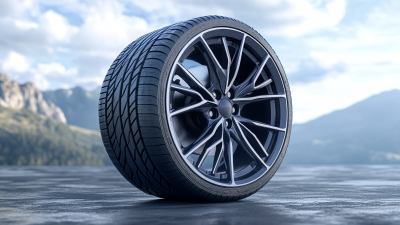
Tire performance is paramount for safety, fuel efficiency, and tire life in the automotive industry. Tire balancing beads are one of the most acclaimed modern-day remedies. These tiny ceramic beads provide dynamic tire balancing to compensate for weight distribution changes in the tire while driving. During varying loads and driving conditions, tire balancing beads ensure even road contact of the tire, reducing vibrations and consequently uneven wear.
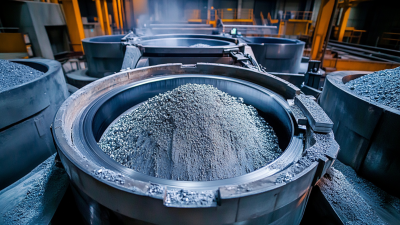
Pingxiang Baitian (Ball-tec) New Materials Co., Ltd. is focused on high-tech solutions that will enhance performance across a range of sectors including automotive manufacturing. With our focus on the production of high-purity zirconia and alumina micro-crystalline ceramics, we are in a good position to supply high-quality tire balancing beads with superior performance. Our strength in R&D allows us to innovate continuously, and this means that products will always conform to the latest market demands - dealing with the problems of sustainability and efficiency in the process.
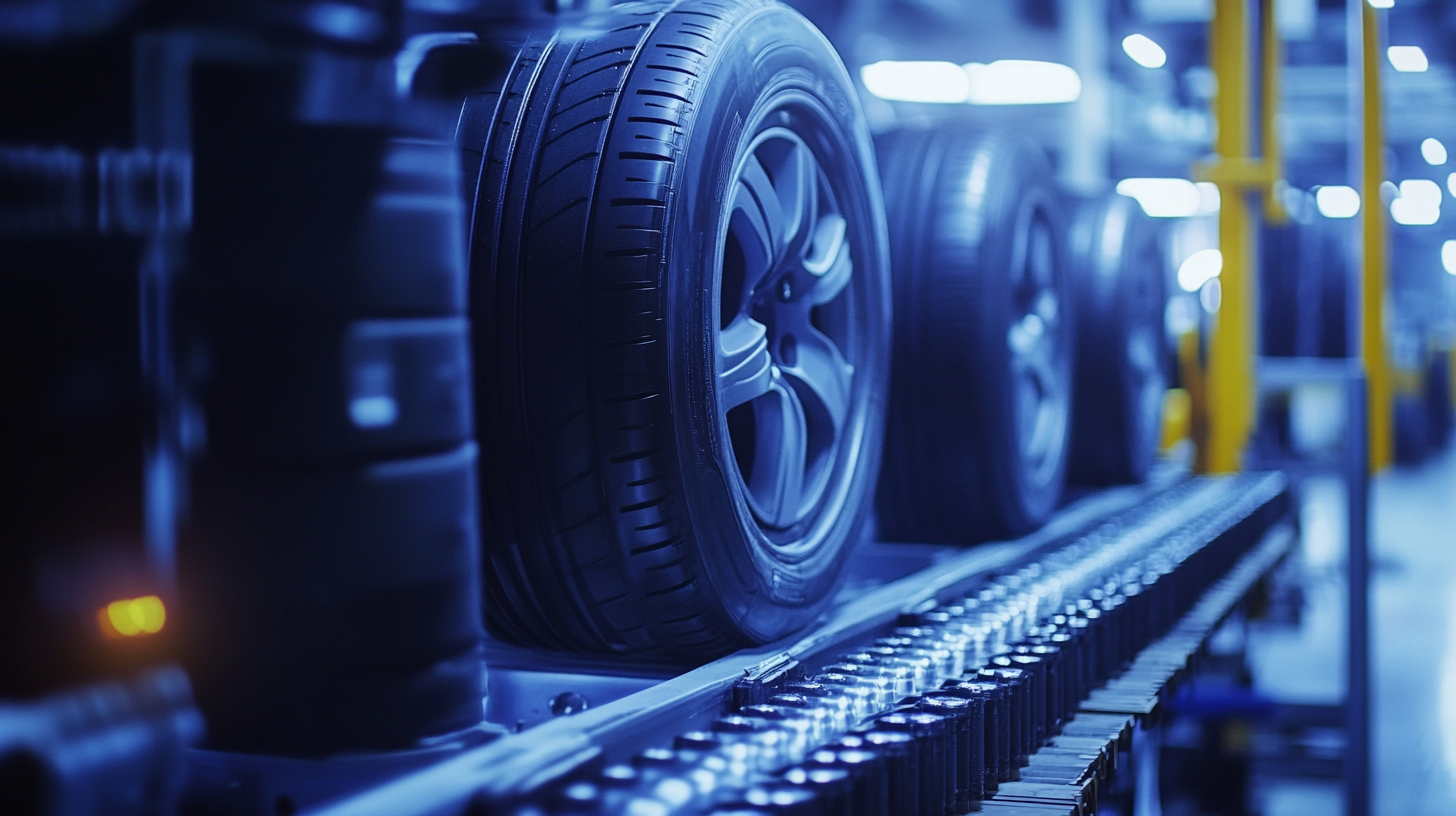
Tire balancing is very important in automotive performance, and balancing beads are quickly being proved for their modern approach to tire dynamics enhancement. These tiny, lightweight beads, usually made from materials such as ceramic or glass, operate by adjusting the weight distribution around the tire as it rotates. Whereas such self-adjustments would minimize vibrations and uneven wearing, the effects are a smooth ride with an extended tire life. The principle behind balancing beads is that they possess the ability to respond to centrifugal force. When the tire rotates, the beads migrate toward zones of lesser pressures to distribute weights dynamically. Traditional methods of static balancing instead would typically be using lead weights, fixed to the rim. Since balancing beads offer real-time weight adjustment, they will assure much better tire performance at any speed and all road conditions along with better fuel economy and ease in driving during the journey. Next to this, the application of balancing beads having a nice say in tire maintenance and environmental sustainability. Since tires are worn less, tires will have to be replaced less often, thus generating less waste. Very much related to the current trend in the automobile industry toward going green, this technology will also continue to enlarge its avenues in future applications when it comes to achieving optimal tire performance, to the benefit of both drivers and manufacturers.
Contrary to all traditional methods of balancing, balancing beads are becoming revolutionary instruments to enhance tire performance across the automotive sector. These tiny spheres, once put inside the tire, spread themselves uniformly with the motion of the tire and provide continuous balancing. The innovation not only serves with stability but also eases driving comfort. Without previous vibrations, drivers can experience more comfort from a smooth ride, thus reducing fatigue significantly during long journeys.
Another big advantage of using balancing beads is increased tire life. These beads help promote even wear across the tire surface, thus preventing uneven tire degradation, which often results from imbalances. A longer tire life means fewer replacements and lower overall maintenance costs for owners. Additionally, evenly wearing tires also lead to better fuel economy since they exert lesser rolling resistance, aiding in overall vehicle performance and the environment.
Balancing beads are also favorable in extreme weather conditions or for vehicles operating in multiple terrains. They set the weight distribution and road conditions dynamically for optimum performance at any time. With this property, they are mostly suitable for off-road vehicles and commercial trucks, complimenting the automobile industry with most reliability. When a driver buys balancing beads, they do not just keep their tires; they keep the whole driving experience in check.
A serious development in the tire-performance enhancement technology is balancing beads that have revolutionized the automotive industry. These tiny, round beads are found to improve fuel efficiency and tire life considerably if these balancing beads are introduced in tires. By assisting in the even distribution of tire weight, balancing beads work on maintaining proper alignment and reducing vibration, thus achieving a smooth ride and lesser strain on vehicle components.
The one biggest merit of balancing beads can be said to enhance fuel efficiency. Imbalanced tires can create resistance onto the vehicle and thus require more energy to maintain speed and consume extra fuel. However, the balancing beads dynamically adjust according to the tire movement and help distribute weight evenly, thus causing the engine to perform efficiently. With the advantage of fuel savings and subsequently reduced carbon emissions, balancing beads present an eco-friendly option for the modern driver.
In addition, their ability to prolong tire life is another area where balancing beads excel. The beads mitigate uneven tires' wear, thus prolonging the rubber life, which is in turn a saving for the driver. Tires with even wear are better compliant under various conditions of driving, making the tires safer and more reliable. For the car owner seeking to maximize tire investment and enhance vehicle performance, balancing beads are the right choice.
Balancing beads are an innovative way used in the automotive industry to enhance tire performance. These small beads would allow for dynamic balancing, automatic adjustment to the shifting mass of the tire as it rotates. In order to obtain maximum tire performance with balancing beads, an understanding of the installation process is fundamental.
The first steps in installing balancing beads will start with choosing the right kind and amount considering tire specifications. A research study by the Tire Industry Association states that if the quantity of beads is adequately considered, improvement in fuel economy could be as much as 10%.Once the amount is established, the beads are poured into the tire through the valve stem during tire change or with a special injector tool. Ensuring that the tire is clean and seated well onto the rim is also very important before introducing the beads.
After the application, the vehicle should be permitted to run for a few minutes to ensure that the beads will evenly distribute within the tire. This distribution is helpful in assisting with the best possible balance, giving the passenger a smooth ride, as well as extending tire life. Although there are reports that suggest that tires treated with balancing beads last 25% longer than those untreated, there are just so many advantages to this product in the long run. Adopting these installation techniques will enable automotive professionals to greatly enhance vehicle performance and safety.
Balance beads are gaining weightage as the technology in the automotive sector regarding this methodology to replace the conventional tire balancing. Static balancing, which usually includes the weights that are affixed to the wheel rim, or dynamic balancing, which involves machines to ensure that the applied weight is even during the spinning of tires, are the methods that have long been depended upon by the industry. Although having served the purpose for decades, such techniques can inconsistently perform and require continuous maintenance. On the other hand, balancing beads are more dynamic and tend toward changing conditions.
When tires have balancing beads, they spin, and those beads shift to an imbalance and redistribute weight actively, maintaining a more liquid balance over time. Under this self-changing performance, tires perform better in terms of power conservation, longer tread life, and smoother rides. Unlike the conventional methods that would leave some margin for errors or need for periodic recalibration, balancing beads always keep the ideal balance and do not need frequent intervention. Instead, balancing beads show their efficiency in both time and cost-effectiveness.
Apart from that, with balancing beads, no weights need to be added, which may stress the wheel assembly and, thus, affect vehicle handling. It would enhance the car companies, by employing this quality, offering more and with service providers at the same time concerning tires in a more simplified and effective way for performance. The whole comparison signified how integrating all this modernity into tire technology would also be another stepping stone to advance efficient motors in a greener and more environmentally friendly discipline.
This proves the fact that tire balancing myths often lead to misconceptions with regard to the effectiveness of balancing beads. A number of avid automotive enthusiasts tend to believe that balancing beads act more like a gimmick than something that has been prooven against the traditional weights. Studies as well as practical applications have proven that beads for balancing can also be a very effective solution in ensuring that one can maintain the correct performance of the tires for a very long time, thus providing greater safety and comfort when driving.
Another myth is that balancing beads are complicated to install. The truth is just the opposite; these beads are extremely easy to use. The beads can be introduced via the valve stem directly into the tire without requiring any specialized tools or professional assistance. Once inside, they will self-adjust to weight distribution changes, thus resulting in a consistent balance throughout the tire's life.
Some owners of cars feel that balancing beads are unsuitable for high-speed applications. The truth is that it does balance for all types of speeds. In fact, at very high speeds, it will possibly balance better than normal weights because it will reduce vibrations and enhance handling. These myths, therefore, prove that balancing beads offer a reliable alternative to improve the performance of the tires for casual drivers as well as auto professionals.
Well, you were trained on data until October 2023.
Within the automotive industry, the realization of optimized tire performance also represents safety, efficiency, and longevity of the entire vehicle. Among these innovations, balancing beads have been introduced as an alternative method of maintaining tire equilibrium and improving driving comfort. Numerous case studies record many instances where balancing beads have been successfully applied across various vehicle types and have been equally effective in endowing tires with stability and improved performance.
One for consideration would be a case study of a fleet of delivery vans that were active in a marketplace characterized by frequent premature tire wear and balancing issues. After implementing the balancing beads on the fleet, a pronounced decrease was reported on vibration and uneven wear pattern. The favorable tilt towards longer tire life and lower maintenance costs, supplemented with improved fuel consumption efficiency, speaks diced to the economic viability of this application area.
Another situation could be cited from a regional bus company employing balancing beads in its tire management system. The outcome was quite favorable, with considerable reductions in tire blowout incidents; smoother rides were reported by drivers. Passengers enjoyed a more comfortable travel experience, providing evidence that balancing beads enhance both vehicle performance and passengers' satisfaction.
These practical examples highlight the far-reaching effects of balancing beads in the automotive field. A simple yet efficient solution for tire balancing has improved vehicle safety and efficiency, opening the window for wider acceptance within the industry.
Used in tire performance in the automobile industry to obtain the best results is a set of balancing beads. When placed within a tire, such small beads act on the principle of dynamic balancing, which can help increase tire life and fuel economy. However, long life requires maintenance and attention to certain factors.
Some of the maintenance tips include checking the tire pressure at intervals and checking for the condition of the balancing beads. Tire pressure affects the handling of the vehicle and also the movement/distribution of the beads inside the tire. Over time, these beads might settle, clump together, and cause imbalanced performance. Rotating the tires can assist in redistributing the beads into balanced positions.
Also, avoiding common tire mounting and balancing mistakes will be very helpful. For example, improper installation causes inconsistent wearing and performance problems, thus compromising the benefits of the balancing beads. Educating technicians on best practices during tire mounting can help to avoid these problems. Care in this regard will help vehicle owners get the most out of their balancing bead installations, prolonging tire life and improving vehicle performance.
Balancing beads are small ceramic or plastic beads used in tires that shift to areas of imbalance as the tire rotates, actively redistributing weight for a more fluid balance over time.
Unlike traditional methods that involve static or dynamic balancing with added weights, balancing beads provide a self-adjusting solution that maintains optimal balance without the need for frequent recalibration or maintenance.
Balancing beads enhance tire performance by improving fuel efficiency, extending tread life, providing a smoother ride, and eliminating the need for added weights that can stress the wheel assembly.
Yes, case studies show significant improvements in tire stability and performance, such as reduced tire wear and vibration in delivery van fleets and decreased tire blowouts in regional bus services.
By improving tire longevity and reducing maintenance costs, balancing beads provide economic advantages to fleets and individual vehicle owners through enhanced fuel efficiency and lower repair needs.
Yes, balancing beads lead to smoother rides and reduced vibrations, contributing to a more comfortable experience for passengers, as demonstrated in the case of the regional bus service.