Pingxiang Baitian New Materials Co., Ltd

Leave Your Message
As global trade continues to evolve, the significance of Metal Packing in the supply chain becomes increasingly apparent. Metal Packing has transformed from traditional methods to innovative solutions that enhance efficiency, sustainability, and safety in transportation. With the growing demand for reliable and durable packing solutions in various industries, the evolution of Metal Packing reflects not only advancements in materials but also the changing dynamics of international commerce. This development plays a crucial role in ensuring the integrity of goods as they traverse borders, impacting everything from production to consumption.
At the forefront of this evolution is Pingxiang Baitian (Ball-tec) New Materials Co., Ltd., a high-tech enterprise dedicated to the research, development, production, and sales of advanced materials. With a focus on zirconia/alumina micro crystalline ceramic grinding media, bio-dental applications, solid fuel cells, and high-purity zirconia powder for 3D printing, Baitian exemplifies the integration of cutting-edge technology in contemporary manufacturing processes. As we explore the evolution of Metal Packing, it is essential to recognize the role of innovative materials from companies like Pingxiang Baitian in shaping the future of global trade.

The evolution of metal packing in global trade has witnessed significant milestones, particularly with the recent establishment of international standards. The release of the ISO 24259:2022 standard for steel strapping, spearheaded by China, marks a pivotal moment in the packaging industry. This standard aims to enhance the quality and efficiency of metal packing, ensuring a consistent approach in the global supply chain. Furthermore, as logistics increasingly gains recognition as a vital infrastructure component, the integration of sustainable practices is becoming more prominent. The adoption of recyclable packaging solutions, such as the new circular bags used for alumina at a recent port, showcases the industry's commitment to reducing its environmental footprint. These advancements signify a broader trend of innovation in metal packing that not only addresses quality concerns but also promotes sustainability in global trade.
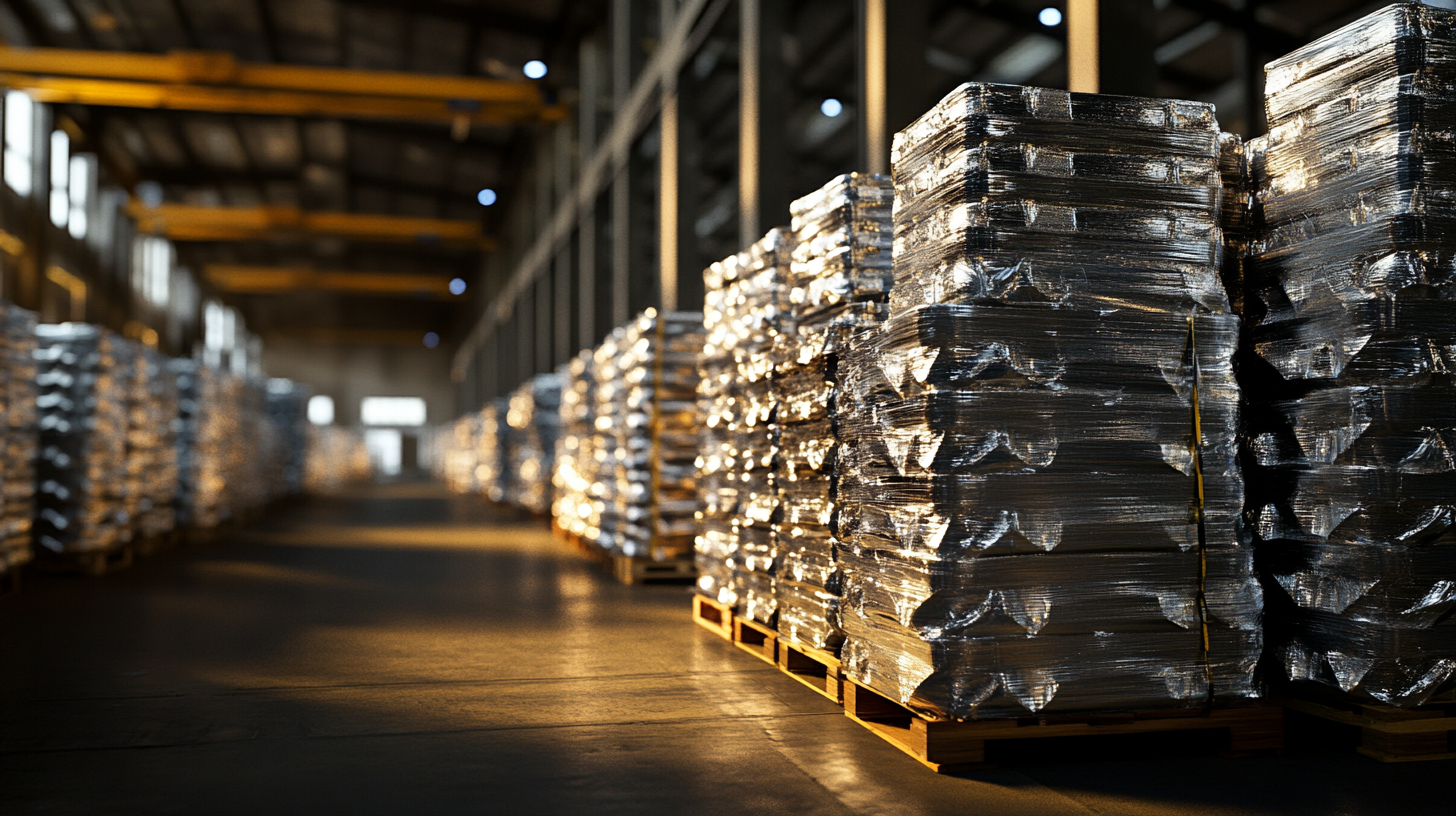
The growth of metal packs links with the flow of world trade. As key trades such as food & drinks, health care, & chems grow, the stuff used in metal packs has changed. This meets high needs for good use & green care. New tech in packing, like light but tough stuff, lets firms cut costs & boost item safety.
Main stuff that drive this shift are tin & steel, known for their hard wear & green use. With a push for green ways, makers look to green picks, balancing how well it works with care for the earth. In world trade, places like Singapore are key spots, helping to move these core stuff across lands & making sure they meet hard rules in all markets.
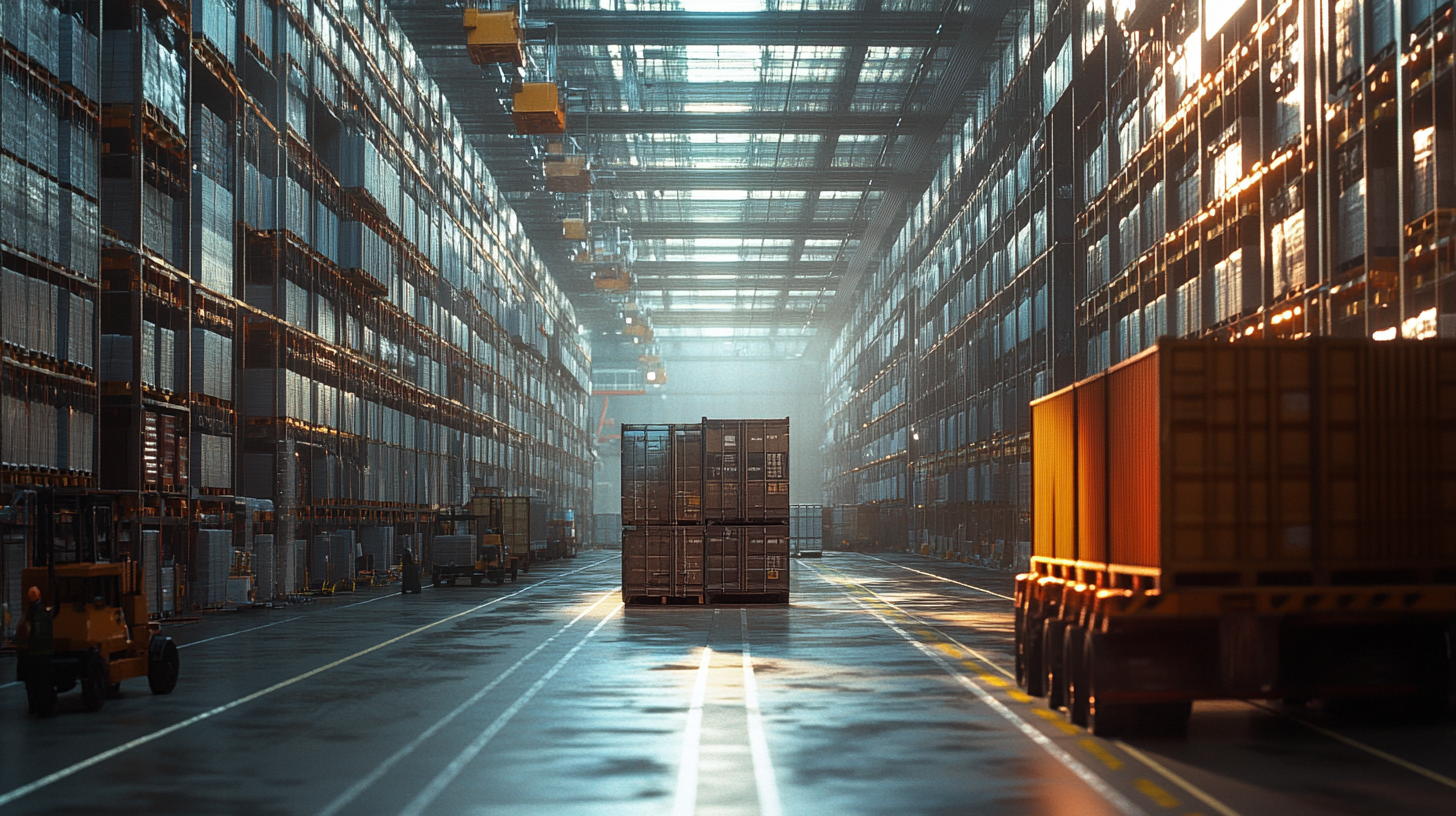
In the past few years, new ways to pack metal goods have changed the game on how we pack & move metal items worldwide. The aluminum field, known for being light & tough against rust, is key in packing, most of all with the new rules like ISO 24259:2022 for steel bands. This rule not just makes packing work better but also keeps it the same & safe all over the world.
And, as global trade keeps on changing with hard times—like those from big world fights—there is a big need for top-level pack fixes that can keep goods safe all the way. Many firms are now using high-tech like robots for packing & new types of stuff to do more & waste less. These steps are key to stay on top in the fast-changing world of metal trade, where the need for top quality & trust is top.

The environmental impact of metal packing is becoming increasingly significant as global trade evolves. With recent developments such as the introduction of a 25% tariff on imported steel and aluminum, the industry faces new challenges and opportunities for sustainable practices. These tariffs, while aimed at boosting domestic manufacturing, could inadvertently increase the carbon footprint associated with metal packaging due to heightened production demands.
Innovative approaches are being adopted to mitigate these impacts. For instance, the implementation of circular packaging solutions for aluminum is emerging as a promising trend. The use of reusable packaging not only reduces waste but also promotes a more sustainable supply chain, reflecting the industry's commitment to minimizing its ecological footprint. As global trade dynamics shift and regulations tighten, the metal packaging sector must adapt by prioritizing environmental sustainability in its operations.
Big trade rules have much shaped the move of metal packs in past years. New work shows that money moves, not fees, are the top force on trade tallies between lands. This point shows the pull of big money things on trade ways, most in the metal pack field. This field needs calm money sees to grow & make new things.
At the same time, more "my land first" steps are making high heat in world trade. Hints from top work folks about likely trade fights 'tween big lands like China & the EU show how shaky world sell is. As lands deal with these hard bits, it's key for the metal pack field to stay quick in how they act to changes in trade states & rules. They must be set to do well in unsure times.
In the last few years, metal packs have grown big in world trade. They stand out more than things like plastic & cardboard. Metals are tough & strong. They are great for packing goods, more so for needs that ask for strong care while moving. For an example, in China's big pack market, worth a lot of money, metal packs show big perks. They keep items safe & last long.
While packs like plastics were most talked about, now the move is toward eco-safe ways. This brings us back to metal. New ways with metal packs cut harm to our world & meet wants for green choices. So, more & more firms are picking metal ways. They see it not just as a safe thing, but as a way to make items look better too. This face-off of metal vs. other pack types marks a key shift in the pack world.
As the world trade scene changes, the rise of metal pack tech gets more key. New moves in metal packs are led by the need to last & work well. With the fight for a spot getting hot in places like China, where pack work nears a big cash mark, makers use new ways in metal packs to match what buyers want: green & nice to look at items.
One new way is mixing smart tech in metal packs. Things like QR codes & RFID tags are set for live trace & more buyer talk. Also, new ways to make let us use light & strong stuff, which cut down costs to send & lower harm to earth. These shifts show a bold next phase for metal pack tech, with a main eye on lasting & new things at its heart.
The metal pack field has seen big steps in the past few years, most of all in the aluminum trade. With aluminum's rank as one of the most all over metals on Earth, firms have used its light yet tough traits to boost pack fixes in world trade. Case files point out wins where aluminum pack has made logs easier, cut down ship costs, & made goods safe on the move.
More so, the launch of world rules, like ISO 24259:2022, shows the big role of set ways in metal pack. This rule, made for steel ties for pack, shows a world move to more fine pack fixes. Such moves not only help our Earth but also lift the fight in a fast change pack field.
The tin can work world now has big woes that slow its rise & last. One key fuss is the jump & fall in the cost of raw stuff like tin, a need for packs. The world tin field is key for lots of work zones due to its light, tough, & can be used more than once traits. Yet, cash woes, like those from world fights, can shake up the flow of stuff & prices, which hits the full tin can work area.
More so, green rules are strict, making firms in the tin can field to go for more green ways. This move to earth-kind fixes needs a lot of cash in new techs & steps, which may be hard for small firms. As the want for green packs goes up, fit to these rules turns key, pushing the field to grow & shift or face fade out.
The evolution of technology in metal packing has significantly transformed the global trade landscape. As consumer preferences shift towards ready-to-eat meals and convenience foods, the demand for efficient and robust packaging solutions has surged. Innovations such as automated production processes and advanced materials have enabled manufacturers to meet these growing needs while ensuring product integrity.
In China, the metal packaging container market has shown remarkable resilience, maintaining stable growth despite fluctuations in supply and demand. The increasing emphasis on sustainability and the adoption of smart packaging technologies are poised to drive further advancements. Companies are focusing on creating lightweight, recyclable, and energy-efficient packaging options to align with global sustainability initiatives, offering an innovative edge in an increasingly competitive market.
Innovations in metal packing technology are primarily driven by the need for sustainability and efficiency, as well as consumer demands for eco-friendly and aesthetically pleasing products.
Smart technology is integrated into metal packaging through features like QR codes and RFID tags, enabling real-time tracking and enhanced consumer engagement.
Lighter and more durable materials reduce shipping costs and minimize environmental impact, making the packaging process more sustainable.
Key trends include the integration of smart technology, the use of lighter materials, and advancements in production methods focused on sustainability and innovation.
Aluminum packaging has streamlined logistics by reducing transportation costs and improving product protection during transit due to its lightweight and durable properties.
The ISO 24259:2022 standard emphasizes the importance of standardized practices in metal packing, promoting efficiency and sustainability while enhancing competitiveness within the industry.
The intensifying competition in the Chinese market, which is approaching a trillion-yuan scale, is encouraging manufacturers to adopt advanced metal packaging techniques to meet evolving consumer demands.
Sustainability is a primary focus due to the growing consumer awareness and demand for environmentally friendly products, prompting manufacturers to innovate and adapt their practices.
Developments in metal packing technology enhance efficiency, reduce costs, and improve product protection, thereby positively influencing the dynamics of global trade.
Advancements in production methods enable the creation of more efficient, lighter, and durable materials that support sustainability goals and improve overall packaging solutions.