Pingxiang Baitian New Materials Co., Ltd

Leave Your Message
Such continually advancing performances in vehicles matter greatly in the automobile industry. It is the use of Tire Balance Beads that is now being considered as perhaps one of the most innovative solutions. According to latest industry reports on the global tire balance beads market, it is expected to significantly show an upward twist from where it is currently driven by the changing modes in tire technology and more added weight placed on vehicle stability and fuel efficiency. It creates comfort in riding and strives for uniform tire wear, which, in turn, results in saving maintenance costs for consumers as well as fleet operators.
Pingxiang Baitian (Ball-tec) New Materials Co., Limited will integrate good-quality materials into tire applications. As a high-tech enterprise that advances the scientific research and production of advanced materials, we in this particular field are proud that a tire balance bead through great micro-crystalline geometry zirconia and alumina could be combined to increase its performance. This is a part of how we work in tune with the development of industry to provide innovations that include not just tires but also link performance solutions into the greater driving experience. To lead the market in tire balance beads as requirements for advanced solutions get higher in the coming years, we are leaning towards our advanced materials and technology.

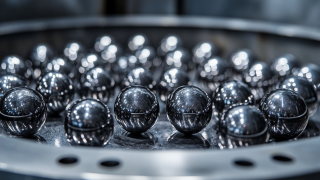
Tire balance beads constitute a highly innovative answer to improving cars' performance and safety while on the road. What these beads (usually made of ceramics and plastic) do is distribute weight evenly inside the tire such that they dampen vibrations that occur due to reasons like uneven tire wear, manufacturing discrepancies, or moving the car itself because of those irregularities much smoother ride with improved handling. In this way, when tires are balanced well in that they bring a reduced stress on the suspension system of the vehicle, it extends the life of critical components and improves overall driving dynamics. The other thing about tire balance beads is that they also can improve safety while on the road. With the contribution that the beads are making to ensure the tire remains balanced between the different speeds of operation, they tend to reduce thermal fatigue of the tires which may otherwise lead to blowout and wear due to thermal action, especially in high-speed driving conditions or heavy-load conditions. And also, better-balanced tires tend to give a better traction which increases their stopping power in adverse weather conditions. Hence, it is not only the performance but significantly minimizes a vehicle, making tire balance beads an important part of vehicle maintenance and safety strategy for risk-inflection: accidents.

Centrifugal force is among the principal actors in performance and balance of tires, primarily because of the innovative applications in tire balance beads. As centrifugal force acts on tire rotation, the change in distribution of weight takes place as the vehicle moves. Balance in tires is crucial for the smoothness of the drive, and it also counts toward extending the life of tires and vehicle components. Unbalanced tires will lead to uneven wear, fuel inefficiency, and, eventually, compromised drivability.
Inertial tire balance beads aim to minimize these concerns by dynamically adapting to changes in conditions of motion. While rotating, the beads are pushed to areas where the imbalance occurs to distribute tire weight evenly across the tire surface. This now allows the benefits of achieving real-time or on-the-go optimum balance as speeds and driving conditions change in reducing vibrations and improving handling. Furthermore, a fuller understanding of centrifugal force application in tire balance would foster better design and best application of these beads and increase their performance and safety on the road.
This introduction of tire balance beads into everyday driving could prove to be vital for overall vehicle performance. Just as tire balance beads exploit the principle of centrifugal force, applications that differ from them are in turn positively impacting tire life, fuel economy, and ride comfort. While research progresses toward understanding how synergy between tire dynamics and balance technology would further enhance innovative avenues for improved tire performance and, equally important, safety during day-to-day travel.
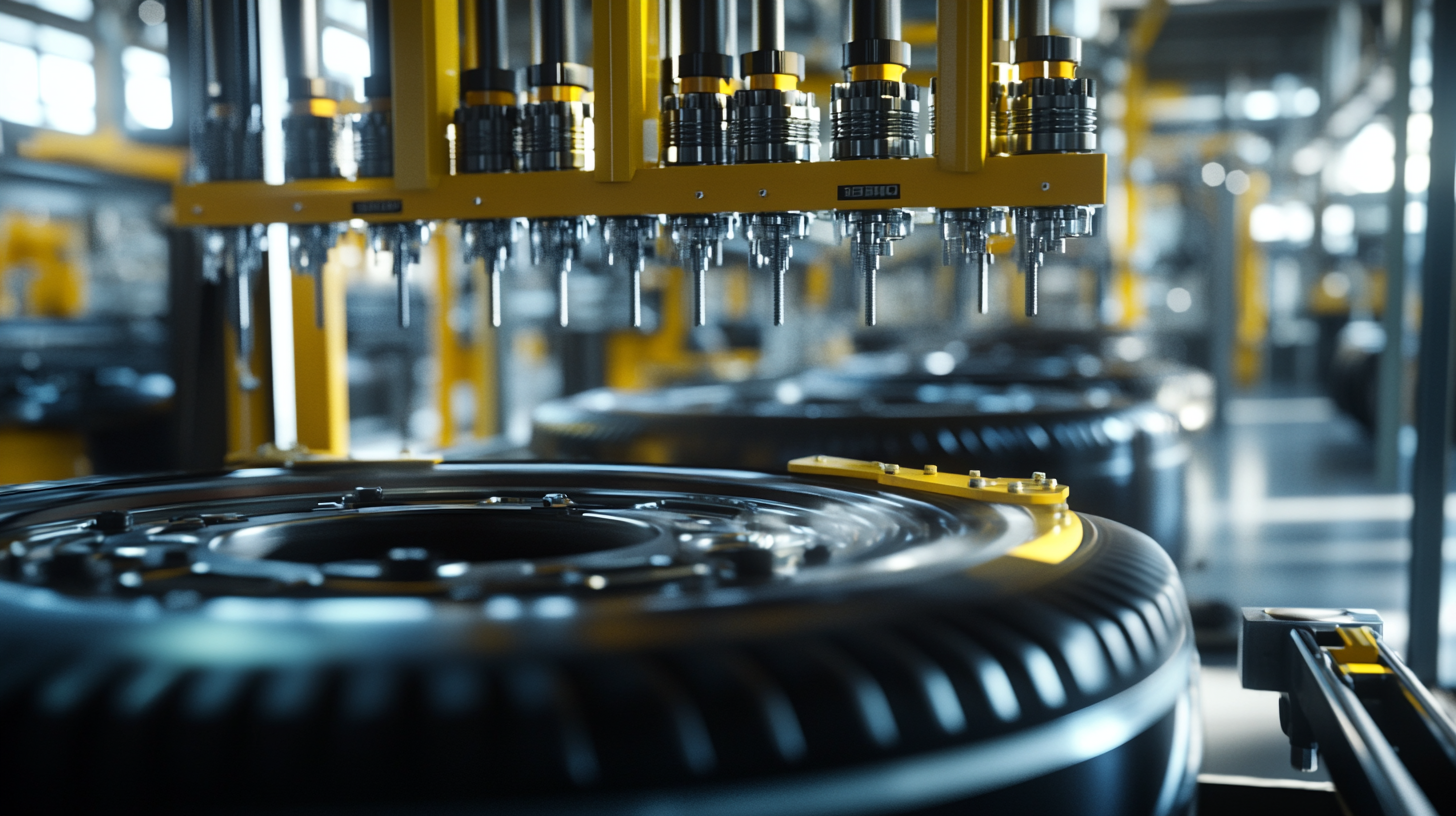
Tire balance is the preeminent factor when it comes to sustain vehicle performance, whereas some engineers seem to disregard it. Traditional methods such as static and dynamic wheel balancing have been practiced for years. These methods are quite time-consuming and need special equipment. Normally, mechanics solve the problem by attaching weights to the rim so as to counterbalance the uneven weight distribution. If not done precisely, this can create imbalances in itself. Moreover, these weights can corrode and fall off in due course of time, causing additional maintenance problems.
Alternatively, tire balance beads are a new concept that is being increasingly welcomed by builders and common drivers alike. These small beads are poured into the tire and function to rebalance themselves whenever the tire rotates. This dynamic method of balancing is, in fact, self-adjusting so that events such as tire wear or air loss cause the beads to shift in order to counterbalance any new imbalances without recalibrating themselves. This contributes to better ride comfort and longer tread life, all with fewer maintenance worries.
In contrast, tire-balance beads are lightweight, contributing to improved fuel economy. Being unbonded to the rim, they reduce the likelihood of vibration and noise associated with traditional weights. Such advanced scheme is a move towards flexible and efficient alternatives of wheel balancing, incubated into minds of modern-day drivers looking for a hassle-free approach. With further advancements in the automotive field, the advantages of tire balance beads over traditional methods are coming to the fore, thus allowing proper attention to be given for tire maintenance and performance enhancement.
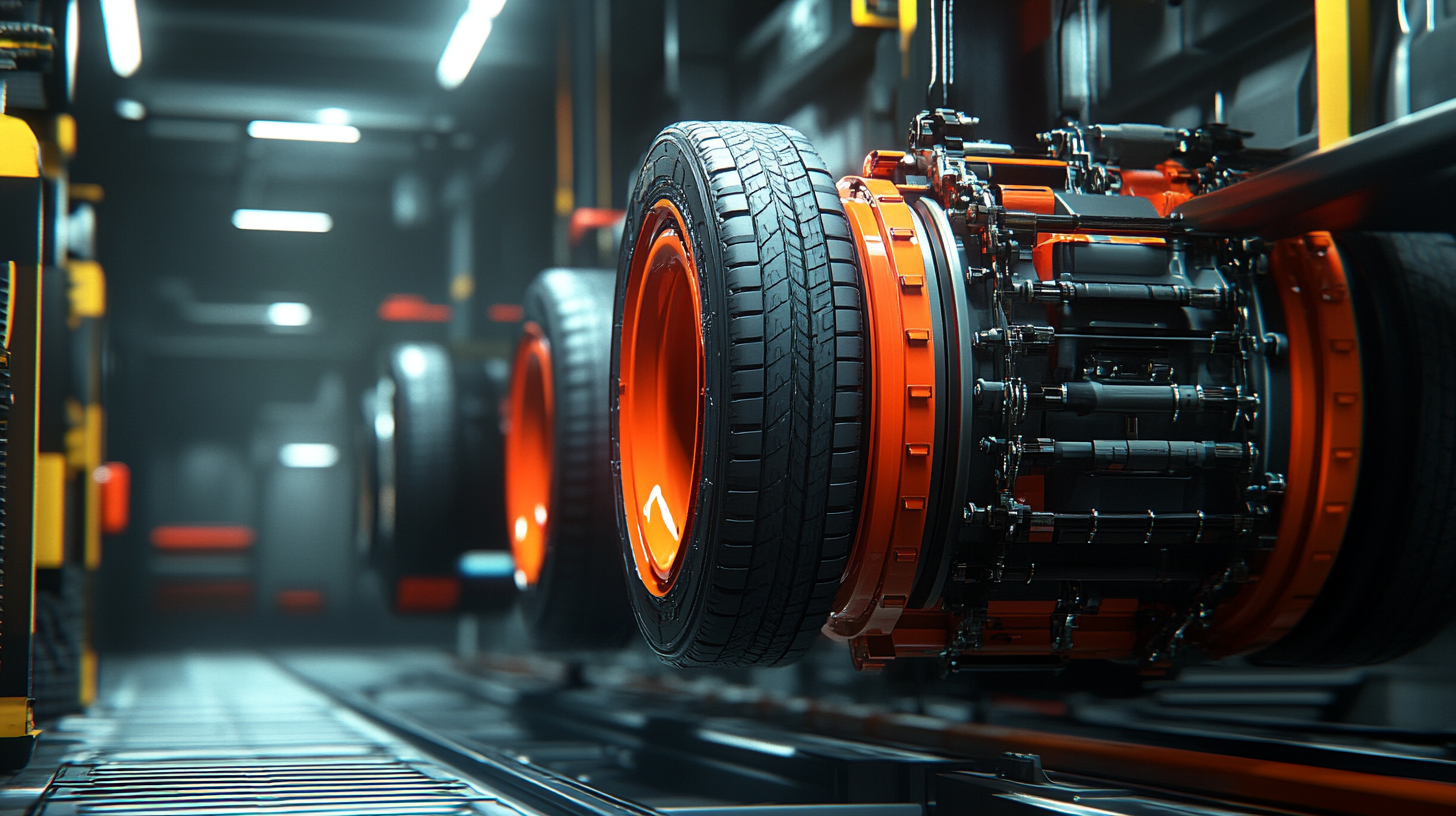
Tire wear and fuel economy are two crucial features that so greatly affected the automotive industry and consumer choice. Recent statistics state that up to 20% of the rolling resistance of a vehicle may be caused by the tires and directly affect its fuel consumption. Therefore it is necessary to highlight the importance of tire balancing. Newer solutions, such as tire balance beads, can counteract uneven wear patterns and positively affect tire performance, so increasing fuel efficiency and limiting any environmental footprint.
Furthermore, in the context of current employment stagnation and the latest Canadian statistics indicating feeble job growth, industries also need to explore other efficiencies and sustainable avenues, in order to remain competitive. In assessing their environment, companies will be tightening their belts, with a keen focus on operational effectiveness; any implementation of advanced tire balancing technology represents a cost saving from improved fuel efficiency, enabling these companies to be recognized as being at the forefront of environmental responsibility. Applying new balancing systems to control tire wear can enhance tire life and performance, offering sustainable vehicle operation strategies within the uncertain economic environment.
As the automotive segment is quickly evolving, industries will need to adapt and innovate. Tire balance beads stand out as an exciting solution that improves performance while dovetailing with the rising focus on sustainability and efficiency. By supporting tire maintenance advances, companies support their bottom lines in turn for a healthier planet.
The concept of tire balance beads, an outburst of technological advancement, remains in the competitive domain of automotive optimization. These small solid beads function when embedded inside the tire, actively redistributing weight for optimal balancing at high speeds. The theory behind the functioning of these beads is of utmost importance, with reference to vehicle efficiency and safety, fully considerate of high performance.
If a vehicle does accelerate and rotating forces upon the alignment of the weight distribution are not perfectly aligned, an unbalance will occur. When the tire is filled with tire balance beads, the function of the beads is to move around and settle with the low points within the tire, adjusting dynamically under changing conditions of operation as presented by the vehicle. Thus, the tire balance beads would automatically compensate for the wear of the tire over time and possible changes of load by absorbing vibrations that would cause ride discomforts or instability in handling.
The tire balance beads are consistent with contemporary standards of automotive practice emphasizing sustainability and efficiency. Balance beads weigh lesser compared to counterweights, offsetting unnecessary material and weight, sustaining better fuel efficiency and driving performance. Hence, the integration of tire balance beads is a great leap in the tire technology towards better performance and durability for perfectionists thirsty for the finest from their vehicles.
Innovative solutions in tire balancing, specifically tire balance beads, create noteworthy improvements in practical applications. An industry report states that vehicles outfitted with balance beads have improved ride quality, diminished vibration, and extended tire life, providing a more stable driving experience. This is especially critical in that modern consumers are more concerned with comfort than ever alongside considering efficiencies in vehicle choice.
Field studies carried out by automobile experts indicate that the addition of balance beads helps to improve fuel economy through reduction of rolling resistance. In fact, research states improvements in fuel economy of up to 10% as a result of such measures. There is an increasing call for tire technologies that work toward sustainability as electric vehicles gain traction. Hence the addition of tire balance beads improves vehicle performance even more while supporting the environmental mandates many manufacturers are working toward.
Also, recent statistical analyses show a direct correlation between the employment of tire balance beads and lower maintenance costs. It has been reported that vehicles outfitted with these balancing solutions have shown a reduction of 25% in tire-related issues over a span of 5 years.
With tire balance beads, which give drivers improved vehicle performance while at the same time answer growing demands for sustainability and efficiency, the automotive sector evolves with history.
Tire balance beads, with their promise of tire optimization performance efficiencies while addressing the environmental aspect-from consideration to use-are fast becoming the latest innovation in modern automobiles. These glass beads work to improve tire balance, increased fuel efficiency, and a longer tire life. However, their production and disposal strongly affect the environment, prompting further investigation into the entire life cycle.
The environmental footprint for tire balance beads has its initiation in materials sourcing. While it is possible to gain a lot for tire performance, the extraction and processing of such materials must be done in a purely sustainable manner. The main challenge is how to make the manufacturing process efficient both in terms of consumption of waste and energy, which factor in to the sort of reduction of total carbon emissions. This particularly applies in contemporary industrial times when companies are converging in developing such environmentally friendly products without compromising quality performance.
When these vehicles with tire balance beads start to live out their lifecycle, considerations for disposal and recycling will come into play. In a manner akin to retired batteries, these beads will also require an end-of-life strategy to be put in place to cushion against the environmental dangers associated with improper disposal. For this reason, establishing successful recycling programs and market solutions for these materials is critical to avoiding wastage and ensuring a circular economy.
So, while focusing on the environmental impacts of tire balance beads will make the manufacture and use of these beads much more sustainable for the future of the automobile-and prove that performance can be attained without compromising our planet: it will lavishly prove that performance can be attained.
The tire balancing technology is constantly innovating with solutions such as tire balance beads for vehicles that shall continue to enhance their performance. Integrating advanced materials and cutting-edge technology is a growing theme for the future of this sector. Recent industry developments portray this ever-increasing attention directed to sustainability and efficiency furthering the global trend towards eco-friendly practices.
It also presents a preview of next year's edition of the major annual show in China for plastic and rubber industry trade fairs: the upcoming China International Plastic and Rubber Industry Exhibition. Here, participants will showcase the latest achievements in material science. The evidence of the greater role played in the fair would be more than 4,400 exhibitors coming from over 150 countries worldwide, expected to display innovations that will change the way tires perform. It would have been very much improved from using alternative materials enhanced tire balance solutions. This use will not only count improvements in durability and stability but will also cover the requirements for growing demand for eco-sensitive manufacturing.
Witnessing breakthrough tire balancing technology is one build up to future effectiveness and greenness for the ordinary tire. By investing heavily in R&D, manufacturers eventually will create solutions that are handsome but will be covering better handling and wear resistance, striking parallel with the ecological demands of modern automobile architecture. The performance-sustainability interface offers new insights into the future direction for next-generation tire technologies.
Vehicle tires can contribute up to 20% of a vehicle's overall rolling resistance.
Tire balance beads minimize uneven tire wear and reduce rolling resistance, which can lead to up to a 10% increase in fuel economy.
Tire balance beads automatically adjust to shifting conditions within the tire, maintaining optimal balance and reducing vibrations.
Unlike traditional counterweights that add unnecessary weight, balance beads contribute to a lighter tire design, improving overall performance and fuel efficiency.
The integration of tire balance beads can lead to a 25% reduction in tire-related issues over a 5-year span, enhancing tire lifespan.
The use of tire balance beads supports sustainability and efficiency goals in the automotive industry, making them a desirable technology for eco-conscious manufacturers.
Vehicles equipped with balance beads experience enhanced ride quality, reduced vibration, and prolonged tire life, resulting in a more stable driving experience.
Proper tire balance is crucial for preventing discomfort and compromised handling, particularly at high speeds, ensuring a safer driving experience.
As electric vehicles become more common, the demand for tire technologies like balance beads that support sustainability and performance is increasing.
By adopting advanced tire balancing technologies, companies can improve fuel efficiency, reduce operational costs, and enhance their reputation for environmental responsibility.