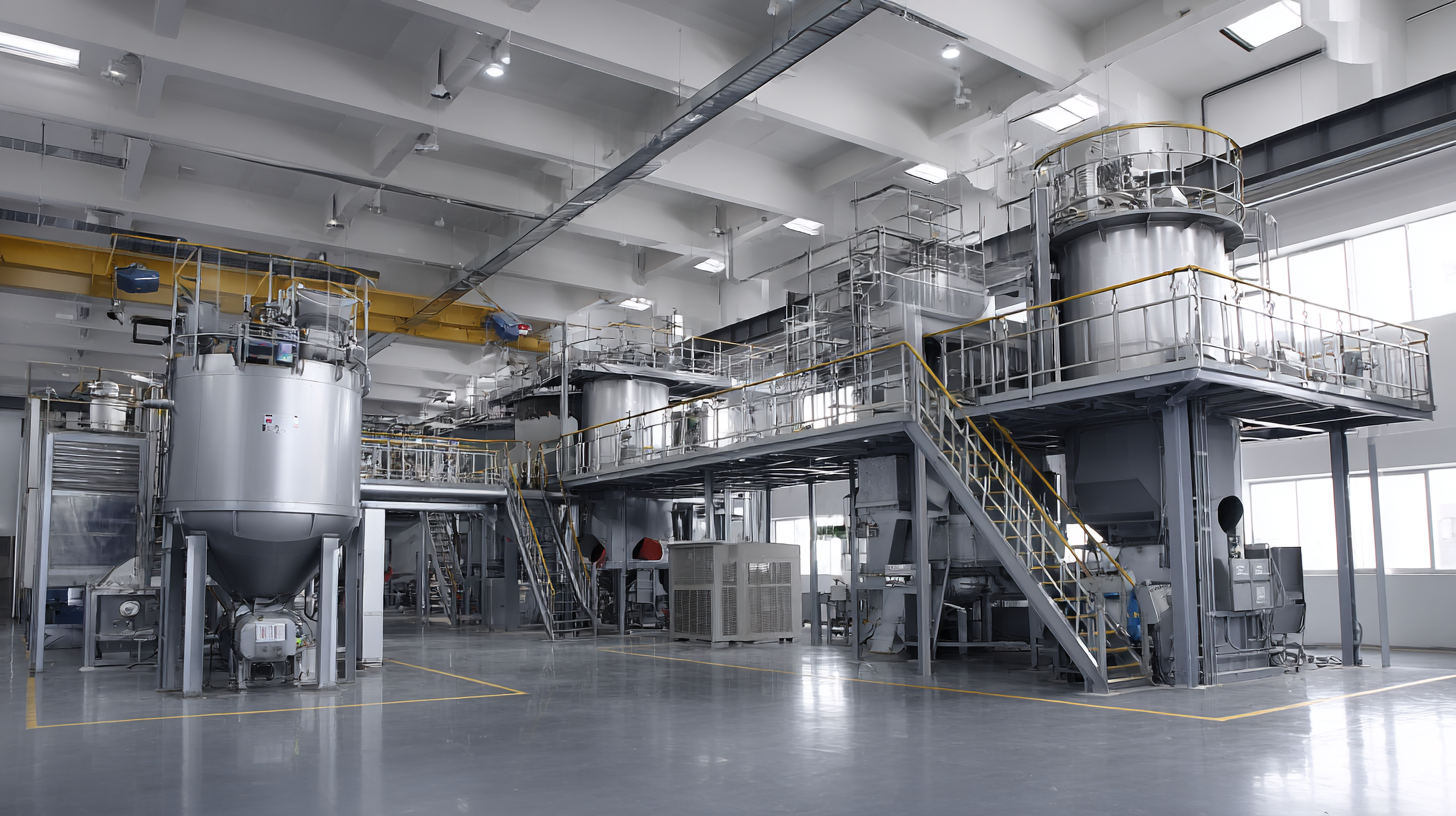
Pingxiang Baitian New Materials Co., Ltd

Leave Your Message
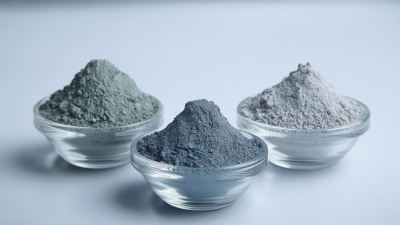
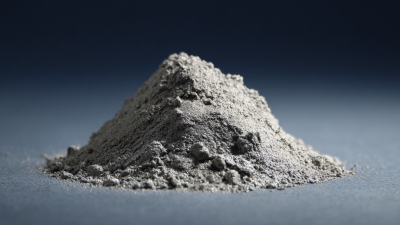
In the fast-changing world of materials science, the quality of aluminum powder made through ball milling is still a pretty big deal—whether you're working in car manufacturing or even aerospace. I remember what Dr. John Smith from Metal Innovations LLC always stresses: 'Getting the ball mill process just right is crucial if you want high-quality aluminum powder that meets all the tough industry standards.' As everyone’s expectations for advanced materials grow, so does the push for new techniques to improve how we produce Ball Mill Aluminum Powder.
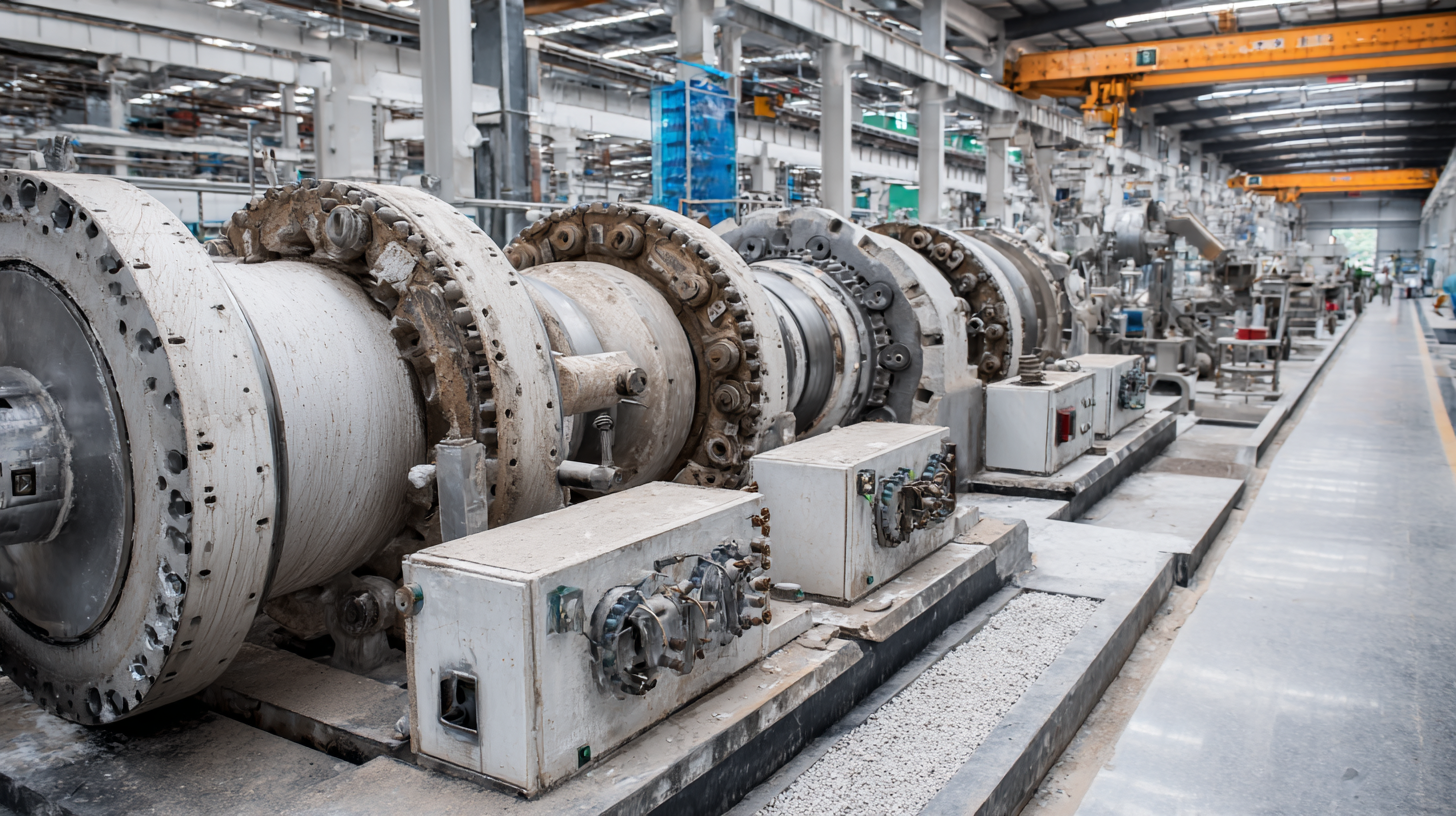
Lately, there have been some exciting breakthroughs in milling tech, offering fresh strategies to make the process more efficient and effective. These new methods don’t just control particle size or shape—they actually lead to stronger, better final products. When companies adopt these cutting-edge approaches, they can really streamline their production, boosting output while cutting down on waste.
By paying attention to all those factors like milling time, the ball-to-powder ratio, or even adding certain additives, industry folks can keep refining their processes nonstop. It’s pretty clear now that always striving for better results is key if you want to stay competitive in the game of Ball Mill Aluminum Powder.
Innovative grinding methods are essential for improving the consistency of aluminum powder, particularly in industries utilizing ball mills. The traditional grinding processes often lead to variations in particle size and morphology, which can significantly affect the performance of aluminum powder in applications such as aerospace, automotive, and additive manufacturing. By implementing advanced techniques such as controlled atmosphere grinding and optimized milling parameters, companies can achieve a more uniform particle distribution, enhancing the overall quality of the aluminum powder produced.
At Pingxiang Baitian (Ball-tec) New Materials Co., Ltd., our commitment to innovation drives our research and development in high-purity zirconia and alumina microcrystalline ceramic grinding media. We understand that the choice of grinding media plays a pivotal role in the grinding process. By utilizing our high-performance materials, we are able to facilitate better energy transfer and reduce contamination, ultimately leading to improved consistency and performance of aluminum powder. Our expertise in this area positions us as a leader in providing solutions that elevate manufacturing standards across various industries.
In the fast-evolving world of electronics, the performance of devices heavily relies on the quality of their components. One such component that has gained significant attention is the micro ceramic bearing ball. These precision elements are essential in micro bearings, boasting characteristics like small size, high performance, and exceptional reliability. Specifically designed for a range of electronic devices—including mobile phones, drones, micro motors, and sensors—mini ceramic bearing balls are transforming the way these technologies function.
According to a recent market report by Grand View Research, the global market for ceramic bearings is expected to reach $1.5 billion by 2027, growing at a compound annual growth rate (CAGR) of 10.4% from 2020. This is driven by the increasing demand for durable and lightweight components in consumer electronics and automotive applications. Micro ceramic bearing balls offer numerous advantages over traditional metal counterparts, including lower friction coefficients and enhanced resistance to wear and corrosion. As a result, they contribute to improved efficiency and longevity in devices—key factors for both manufacturers and consumers alike.
Furthermore, these micro ceramic bearing balls are engineered to withstand extreme conditions, offering a significant advantage in performance-critical applications. In sectors such as aerospace and medical devices, where reliability and precision are non-negotiable, the use of high-quality mini ceramic bearings is becoming increasingly standard. This adaptation not only enhances the operational stability of electronic devices but also solidifies their place in the technological advancements shaping our future.
: Innovative grinding methods are essential to improve the consistency of aluminum powder, especially in ball mills, by reducing variations in particle size and morphology, which enhances performance in applications like aerospace and automotive.
The choice of grinding media, such as high-purity zirconia and alumina microcrystalline ceramics, significantly affects energy transfer and contamination levels during grinding, leading to improved consistency and performance of aluminum powder.
Key parameters include milling speed, time, and media type, which play a central role in achieving optimal particle size distribution and morphology that enhance flowability and reactivity.
Careful control of milling conditions is essential because variations can lead to differences in particle size and morphology, which affect the performance of aluminum powder in applications such as additive manufacturing and battery production.
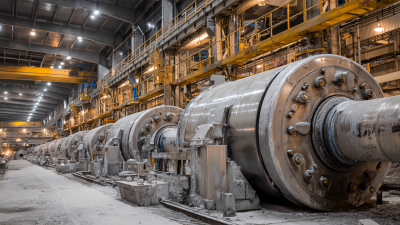
Advanced ball mill designs include optimized chamber geometries, variable speed controls, and high-energy mills that allow for greater impact energy and improved interaction between aluminum particles and milling media.
Controlled atmospheres within the milling chamber help prevent oxidation of aluminum powder, preserving its quality during the production process.
Using advanced milling media compositions, such as ceramic or composite materials, enhances the efficiency and performance of the grinding process, leading to higher yields of premium-quality aluminum powder.
Traditional ball mills often encounter difficulties in achieving fine particle sizes and consistent quality due to insufficient mechanical energy and inefficient milling media.
Increasing the rotation speed can improve particle refinement, but it also raises the risk of excessive cold welding, which can negatively impact the quality of aluminum powder.
Uniform particle distribution is critical as it enhances the overall quality of aluminum powder, improving its performance in a variety of applications across multiple industries.
This article explores innovative techniques to enhance the quality of aluminum powder produced in ball mills, focusing on several crucial aspects. It discusses advanced grinding methods designed to improve consistency in aluminum powder, as well as strategies for optimizing ball mill parameters to achieve higher quality outputs. The incorporation of specific additives to enhance powder properties is also examined, alongside monitoring techniques for real-time quality assessment during the milling process. Finally, it highlights advancements in ball mill designs that facilitate improved production of Ball Mill Aluminum Powder.
As a leading company in high-tech materials, Pingxiang Baitian (Ball-tec) New Materials Co., Ltd. is well-equipped to implement these innovative techniques. With expertise in zirconia and alumina grinding media, the company is poised to enhance the milling process and elevate the quality standards of aluminum powder, catering to various high-purity applications in their diverse product range.
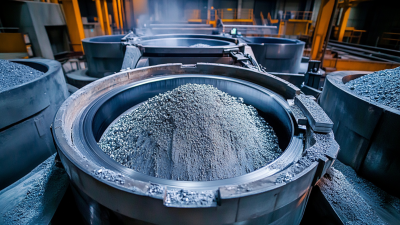
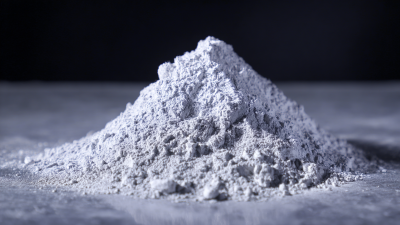


 In the quest for higher quality aluminum powder, optimizing the parameters of ball mills has emerged as a critical focus in industry practices. Studies indicate that the particle size distribution and morphology of aluminum powder can significantly impact its performance in various applications, such as