You know, in today’s fast-paced world of manufacturing and tech, finding cool new ways to polish aluminum has become super important for all sorts of industries. I mean, aluminum polishing powder is key if you want that perfect surface finish and to improve the durability and performance of aluminum parts. A recent market report hints that the global aluminum polishing market is expected to grow by about 4.3% between 2021 and 2028. This growth is mainly fueled by rising demands across sectors like automotive, aerospace, and consumer goods.
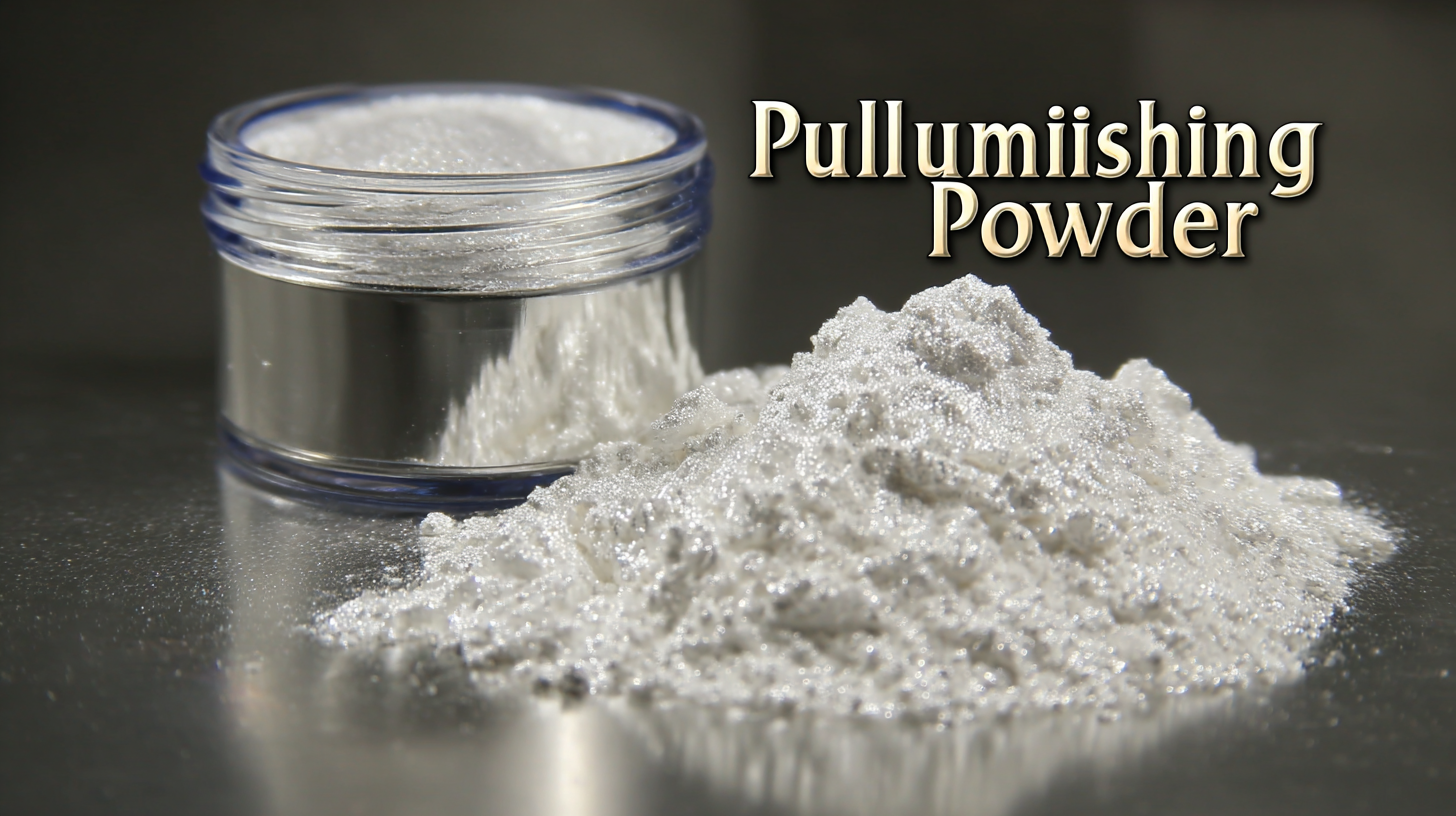
One company that's really leading the charge in this field is Pingxiang Baitian (Ball-tec) New Materials Co., Ltd. They focus on high-performance materials, including zirconia and alumina micro crystalline ceramic grinding media. Their know-how in creating advanced polishing solutions really highlights how important using high-purity materials is for getting superior results in aluminum polishing. It’s all about tackling the common challenges that different industries face, right?
Innovative Technologies Transforming Aluminum Polishing Processes
You know, the aluminum polishing industry has really gone through some amazing changes lately, all thanks to innovative tech. Take automation, for instance—it's totally transforming how we do polishing. Machines are getting so smart, they can not only achieve super precise results but also cut down on human error, which is pretty cool. You've got these robots with smart sensors that can adjust to different surface conditions, making sure that the finish is consistent and meets the high standards we need in industries like automotive and aerospace.
 Quick Tip: If you’re thinking about bringing automation into your aluminum polishing line, make sure you pick machines that allow for real-time monitoring. It can really boost quality control and give you insights to ramp up efficiency as you go.
And here's something else to chew on—the use of eco-friendly polishing compounds is on the rise. These new products aren’t just better for the planet; they also make surfaces shine beautifully without those harsh chemicals. This move toward sustainable methods is super important as we all start caring more about our carbon footprint.
Another Tip: When you’re looking for suppliers, keep an eye out for those that offer biodegradable or non-toxic polishing solutions. It’s a win-win; you’re promoting a greener environment and also helping keep your team safer while cutting back on regulatory hassles.
Top Challenges in Aluminum Polishing Across Diverse Industries
So, you know, aluminum polishing is super important across a bunch of different industries—think automotive, aerospace, and even some everyday products we use. But honestly, there are still a lot of challenges out there that can really mess with both efficiency and quality. I came across a report from Research and Markets that says the global aluminum polishing market is set to grow at a rate of about 5.1% from 2021 to 2026. That's pretty promising, right? But it also means we need to tackle a few hurdles that are still in the way.
One of the big issues is the inconsistency in aluminum surface quality. This can pop up due to different alloy compositions or even impurities that sneak in during manufacturing. Because of this, it's super crucial to have advanced processes and strict quality controls to keep everything uniform and avoid any defects.
And then there’s the environmental side of things. A lot of industries are feeling the heat to get on board with sustainable practices. I read in the Journal of Cleaner Production that traditional polishing methods often use some pretty nasty chemicals, which aren’t just bad for the eco-system but for workers too. As companies are pushing for greener solutions, things like eco-friendly polishing compounds and closed-loop systems are gaining traction. These innovations not only help reduce health risks but also improve operational efficiency, addressing both the need for quality assurance and environmental responsibility in aluminum polishing. Pretty neat, right?
Challenges in Aluminum Polishing Across Various Industries
This chart illustrates the common challenges faced in aluminum polishing across various industries, highlighting the significance of addressing these issues for improved efficiency and quality in production processes.
Reasons Why Automation Is Key in Aluminum Polishing Efficiency
Let's talk about aluminum polishing for a minute. You know, these days, automation is really becoming a game changer in making things more efficient and productive. With companies trying to keep up with the rising demand for energy savings and sustainability, adopting automated systems has basically become a must. The aluminum industry is really at the cutting edge of this tech shift, using all sorts of innovations to refine their processes. Advanced robotic systems are hitting the scene, making tasks much more precise with less manual labor, which means better quality and lower costs overall.
And there's more! The recent breakthroughs in precision polishing gear show how much digital transformation is pushing the envelope on innovation. When AI and IoT tech come into play, it not only smoothes out operations but also helps manufacturers pivot quickly as market needs evolve. The aluminum polishing market is expected to keep expanding in the next decade, and companies that jump on the automation bandwagon are likely to come out on top. By focusing on automation, businesses aren't just boosting their production; they’re also playing a part in creating a more sustainable and energy-friendly future in the aluminum world.
Sustainable Practices in Aluminum Polishing: A Necessity for Modern Enterprises
You know, sustainable practices in aluminum polishing have really become a must for modern businesses, especially as everyone’s trying to cut down on their environmental impact. The way we polish aluminum has changed quite a bit; it used to rely heavily on harsh chemicals and a lot of energy, but things are definitely shifting. More and more companies are on the lookout for eco-friendly alternatives that not only meet regulations but also match what consumers want in terms of sustainability. It's pretty cool to see how innovative technologies, like water-based polishing compounds and energy-efficient equipment, are stepping in to lead the way.
And let’s not forget the automotive industry! They're really taking the lead in this sustainable movement since they use tons of aluminum in their parts. Being one of the biggest consumers out there, these automakers are diving into additive manufacturing (AM) technology to step up their game. AM is a game changer; it helps reduce waste and makes the most out of materials, which is super important for making aluminum polishing even more sustainable. It’s like this perfect marriage between eco-friendly practices and advanced manufacturing tech, setting a new bar for industries that have struggled to go green in the past.
Innovative Solutions for Common Challenges in Aluminum Polishing Across Various Industries - Sustainable Practices in Aluminum Polishing: A Necessity for Modern Enterprises
| Industry |
Common Challenges |
Innovative Solutions |
Sustainable Practices |
| Automotive |
Surface scratches and oxidation |
Use of laser polishing technology |
Recycling polishing compounds |
| Aerospace |
Corrosion resistance |
Advanced chemical coatings |
Reducing solvent emissions |
| Construction |
Durability of finishes |
Nanotechnology in coatings |
Eco-friendly finishing processes |
| Electronics |
Aesthetic imperfections |
Automated polishing systems |
Water-based products for polishing |
| Consumer Goods |
Consumer perceptions of quality |
Customizable finishing options |
Biodegradable polishing agents |
Cost-Effective Solutions to Enhance Aluminum Polishing Quality
So, you know how aluminum polishing can really throw a wrench in the works for companies? They’ve got to tackle tons of challenges, like making sure the surface finish is spot on and finding ways to keep production costs down. It’s crucial for manufacturers to find cost-effective ways to boost polishing quality if they want to stay ahead of the competition. Here at Pingxiang Baitian (Ball-tec) New Materials Co., Ltd., we totally get these issues, and we’re all about coming up with innovative materials that hit the mark. Our zirconia and alumina micro crystalline ceramic grinding media aren’t just fancy names—they actually amp up the efficiency of the polishing process and help achieve that top-notch surface quality everyone’s after.
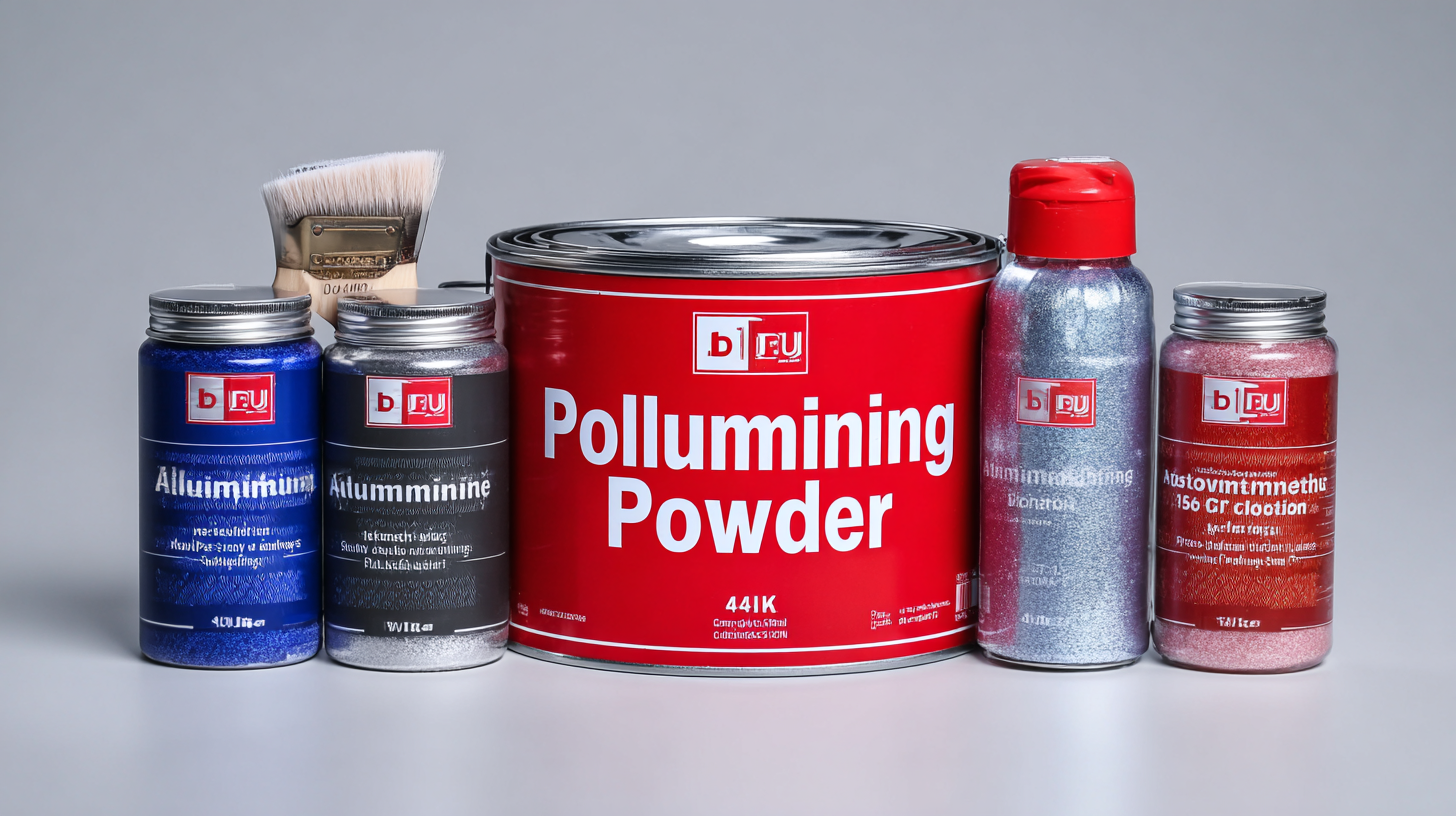
By using our cutting-edge materials, which come from our in-depth research and development, industries can cut down on the time and resources they spend on aluminum polishing. We’ve designed our solutions to reduce wear and tear on polishing equipment, which in turn helps lower operational costs. And let’s be honest, when the polishing quality improves, manufacturers can get better-looking and more functional aluminum products. That’s a win-win for boosting customer satisfaction and building loyalty!
The Role of Advanced Coatings in Achieving Superior Aluminum Finishes
You know, when it comes to polishing aluminum, those fancy advanced coatings really make a difference. They’re not just about looks—though they do make aluminum surfaces shine like no other—but they also help keep things durable and resistant to the elements. Thanks to cool innovations like nano-coatings and advanced polymers, industries can now create finishes that are super eye-catching and tough enough to handle rough conditions. This means aluminum parts can last longer, which is a big win for everyone.
Plus, using these advanced coatings can totally simplify the polishing process. Unlike the old-school polishing methods that often end up with lots of inconsistencies and extra steps just to get to that 'perfect' finish, these techy coatings let manufacturers cut back on all that fuss. So, not only do they save time and resources, but they also help with sustainability since there's less waste involved in finishing. All in all, it seems like advanced coatings are really changing the game in aluminum polishing, pushing the bar higher for quality and efficiency.
Harnessing the Power of Dental Zirconium Oxide Powder: A Comprehensive Guide to Bio-Zirconia Applications in Dentistry
Harnessing the Power of Dental Zirconium Oxide Powder: A Comprehensive Guide to Bio-Zirconia Applications in Dentistry
In the ever-evolving field of dentistry, the advancements in materials have paved the way for stronger, more durable, and aesthetically pleasing solutions. A key player in this transformation is dental zirconium oxide powder, specifically the 3mol-8mol% Yttria stabilized superfine zirconia powder. This high-performance white powder not only addresses the strictest impurity control requirements but also features a small and narrow particle size distribution. Such attributes contribute to the consistent specific surface area necessary for optimal performance in dental applications, making it an ideal choice for producing dental restorations.
The superior characteristics of this zirconium oxide powder extend beyond its composition. With a low sintering temperature and an impressive translucency ranging from 35% to 48%, it behaves comparably to premium Japanese counterparts. The strength and toughness of zirconia materials make them resistant to wear and tear, while their excellent anti-aging properties ensure longevity in dental applications. Additionally, the absence of pinholes and the ease of machining of finished products further enhance its utility in creating dental crowns, bridges, and implants that require both functionality and aesthetic appeal. Utilizing this advanced material, dental professionals can achieve successful outcomes that meet patient demands for both durability and natural appearance.
FAQS
: Automation is crucial in aluminum polishing because it enhances efficiency and productivity, allowing for consistent quality and reduced operational costs.
Automation helps industries meet growing demands for energy efficiency and sustainability by integrating advanced technologies that optimize processes and reduce manual effort.
Digital transformation, particularly through AI and IoT technologies, streamlines operations and enables manufacturers to adapt quickly to changing market needs.
Challenges include achieving a consistent surface finish and reducing production costs while maintaining quality.
Cost-effective solutions, such as innovative materials and advanced grinding media, enhance polishing efficiency and ensure superior surface quality, ultimately improving product aesthetics and functionality.
They provide high-purity zirconia and alumina micro crystalline ceramic grinding media that improve polishing efficiency and surface quality.
Advanced materials minimize wear on polishing equipment, prolonging their lifespan and leading to lower operational costs.
Enhanced polishing quality leads to better aesthetics and functionality of aluminum products, resulting in increased customer satisfaction and loyalty.
The aluminum polishing market is expected to expand significantly over the next decade, positioning companies that embrace automation for success.