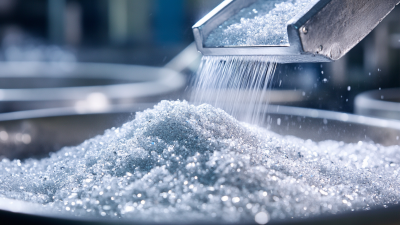
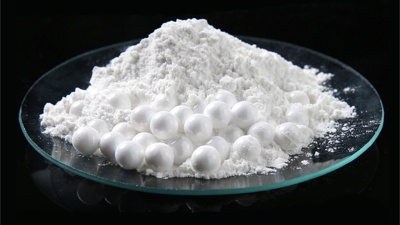
You know, the materials industry is really changing fast these days, and there’s a big surge in the need for high-quality aluminum powder. This demand mostly comes from key areas like aerospace, automotive, and electronics. A report from MarketsandMarkets highlights that the global aluminum powder market is expected to hit about $1.46 billion by 2025, with a growth rate of 4.1% per year. To keep up with this rising demand, companies really need to nail their production methods—especially when it comes to Ball Mill Aluminum Powder. That's where Pingxiang Baitian (Ball-tec) New Materials Co., Ltd. steps in. They're really leading the charge by focusing on developing and making high-purity zirconia and alumina micro crystalline ceramic grinding media. These materials are super important for producing top-notch aluminum powder. By sticking to the best industry standards and using innovative technologies, Baitian is dedicated to providing exceptional materials that can serve various cutting-edge applications.
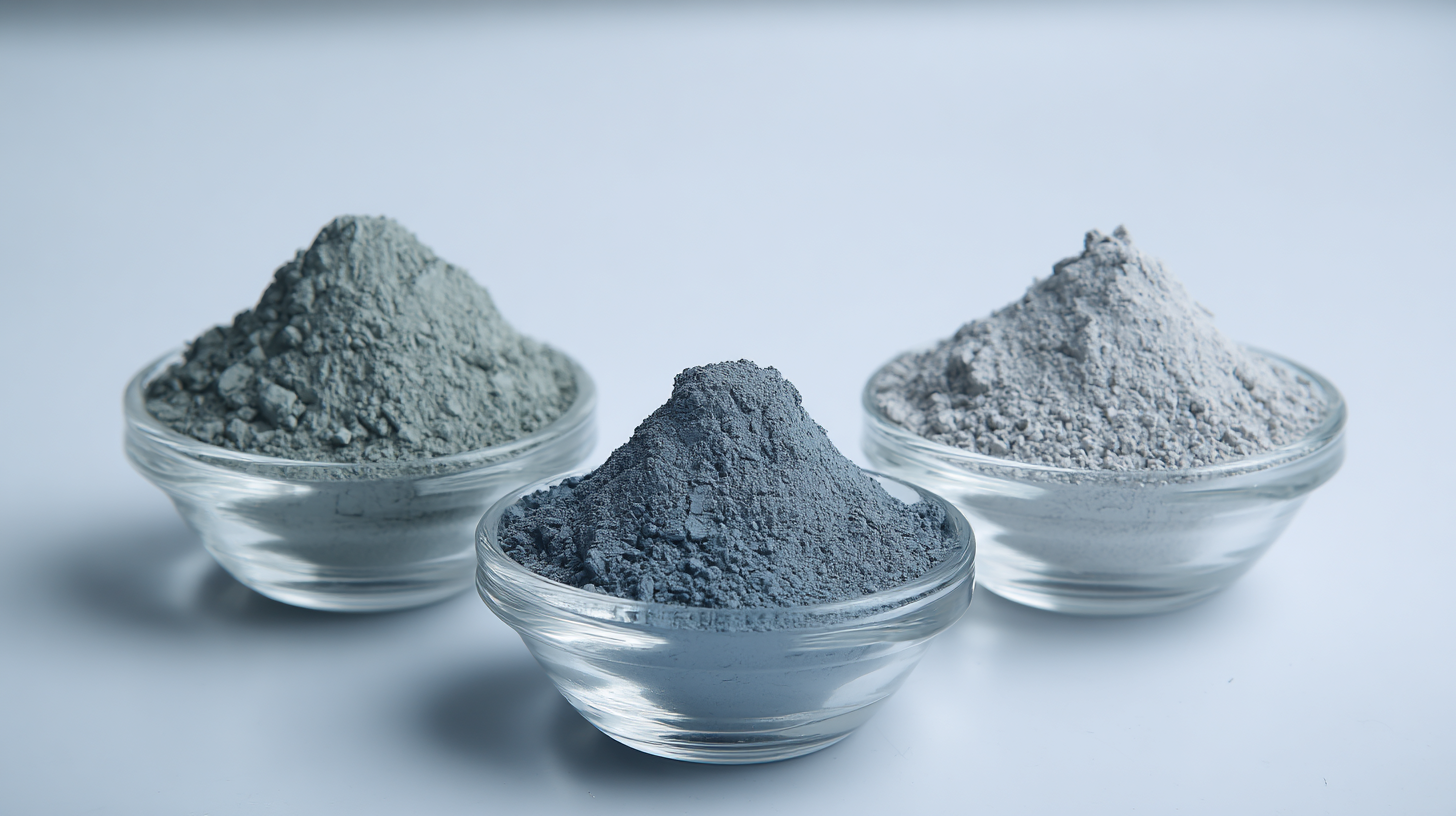
Best Practices for Sourcing High-Quality Aluminum Powder from Ball Mills
When you're looking to source top-notch aluminum powder from ball mills, sticking to best practices is super important to keep the quality and consistency of your final product in check. First things first, it’s really beneficial to team up with suppliers who have a solid reputation and care about quality control. Seriously, if you do some thorough background checks on potential suppliers, look into how they operate, and give their certifications a once-over, you'll be able to spot those who meet industry standards.
Oh, and here's a tip: always ask for sample batches before you go ahead with bigger orders. This way, you can take a good look at the particle size, purity, and just the overall quality of that aluminum powder, making sure it lines up with what you need.
Another thing to think about is the milling process itself. The type of ball mill you choose, the materials for the milling media, and the conditions you’re milling under can all play a role in how the aluminum powder turns out. If you use high-energy ball mills, you're likely to end up with finer particles and a better distribution. That’s super crucial for different applications, whether it's powder metallurgy or electronics.
And one more tip: keep an eye on those milling parameters like speed, time, and temperature. Tweaking these settings not only brings up the quality of your product but also helps improve production efficiency and cut down on waste. It's a win-win!
Common Challenges Faced by Industries Using Aluminum Powder
You know, a lot of industries that work with aluminum powder run into some pretty common headaches when it comes to getting high-quality materials. One big concern is contamination that can happen during the milling process. It’s surprising how even the tiniest impurities can mess with the powder’s performance, which ultimately leads to not-so-great end products. To tackle this, manufacturers really need to put some solid quality control measures in place. That means regular equipment check-ups and a good cleaning routine to make sure every batch of aluminum powder hits those industry standards.
Then there’s the whole issue of getting the right particle size and distribution. If there’s too much variability in these features, it can throw a wrench in the powder's reactivity and overall performance, especially when it comes to applications like coatings, explosives, and additive manufacturing. That’s where advanced ball mills come into play. They’ve got those precise control systems that are key to producing the aluminum powder that meets specific needs. Plus, keeping a close eye on everything during the milling process can really help keep things consistent and functional—this is definitely a common stress point for both manufacturers and end users.
Industry Standards for Securing High Quality Aluminum Powder
Essential Quality Control Standards for Aluminum Powder Production
You know, quality control is super important when it comes to making aluminum powder—especially if it’s going into industries like aerospace, automotive, or electronics. The The Aluminum Association, which is pretty much the big shot in this field, points out that for high-performance stuff, the aluminum powder needs to hit some pretty tough purity standards, with at least 99.9% purity. This level of purity is what really helps the aluminum powder show off its best properties during processing and later use.
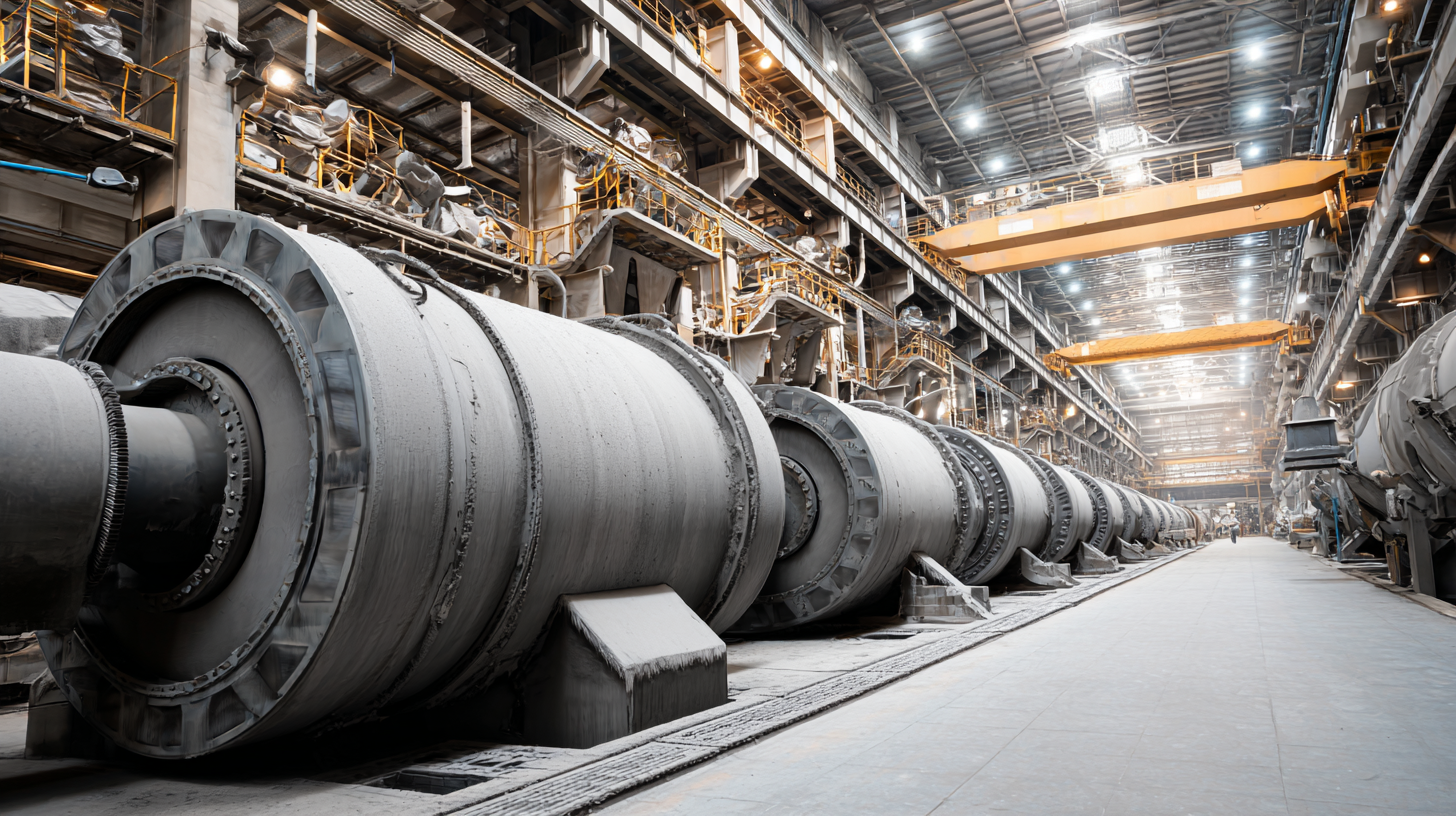
Another thing to keep in mind is the particle size distribution of this powder. It’s a big deal and gets brought up a lot in reports from places like ASTM International. According to ASTM B211, you’re typically looking at a mean particle size somewhere around 20 to 50 micrometers. This size can really change how reactive the powder is and how well it flows. Plus, the moisture content is a crucial piece of the puzzle too; it should really stay below 0.5% to avoid clumping and keep everything consistent. By sticking to these quality control standards, not only do we boost the reliability of the product, but we also make sure we’re meeting all the regulatory requirements—something that’s really key for manufacturers wanting to stay ahead in the global game.
Case Studies: Successful Applications of Aluminum Powder in Various Industries
You know, in recent years, we’ve really seen a boom in the demand for electronic devices. It’s crazy how much industries that rely on high-performance materials are growing, right? One material that's really stood out is aluminum nitride. It’s got this amazing thermal conductivity and electrical insulation ability, making it super important in the tech world. I mean, just look at China—its market for aluminum nitride shot up from 1.34 billion yuan in 2019 to around 1.56 billion yuan by 2023! That’s some serious growth, and it really shows how essential this material is for various electronic applications. It’s vital for businesses to actually secure top-notch aluminum powder from reputable ball mills to keep up with the industry’s needs.
There are some interesting case studies that really highlight how aluminum powder is being used across different sectors. For example, in the semiconductor industry, they use aluminum powder to create high-performance thermal management solutions, which really help to boost device efficiency and durability. And if you look at the aerospace sector, aluminum powder’s lightweight properties play a key role in developing advanced materials for high-stress situations. All this just goes to show how crucial it is to have tough industry standards when producing aluminum powder. This way, manufacturers can ensure they’re delivering reliable and innovative solutions to keep up with the ever-evolving market demands.
Top Industry Standards for Securing High Quality Aluminum Powder from Best Ball Mills
| Industry |
Application |
Quality Standard |
Particle Size (µm) |
Case Study Example |
| Aerospace |
Lightweight Components |
ASTM B928 |
20-100 |
Successful use in aircraft manufacturing, reducing weight by 15%. |
| Automotive |
Powder Coating |
ISO 2768 |
10-50 |
Enhanced durability in vehicle exteriors through advanced coating techniques. |
| Electronics |
Conductive Applications |
IPC-2221 |
5-30 |
Utilized in efficient thermal management systems for high-performance devices. |
| Construction |
Composite Materials |
EN 15088 |
50-200 |
Case studies showing improved structural integrity of building materials. |
| Medical |
Surgical Instruments |
ISO 13485 |
15-40 |
Developed innovative, corrosion-resistant instruments for enhanced patient safety. |
Comparative Analysis of Ball Mill Types for Aluminum Powder Production
When you're looking to make some top-notch aluminum powder, the kind of ball mill you use can really make a difference in how efficient you are and the quality of the product you get. If you take a closer look at different types of ball mills, you'll find that each has its own benefits when it comes to design and how they work. For example, those lab-scale ball mills? They've been known to create super fine particle sizes and offer better uniformity than the regular industrial mills we often see out there.
A recent study published in the Journal of Materials Science even found that high-energy ball milling can shrink particle sizes down to about 0.5 micrometers, which is a game changer for making aluminum powder that’s used in stuff like fireworks and automotive applications.
Now, here are a couple of tips to keep in mind: When you're picking out a ball mill for aluminum powder production, it’s important to think about energy consumption and maintenance costs. Sure, those high-energy mills might need a bit more maintenance than others, but they can totally nail the particle size distribution, which is worth considering.
Another option that's been catching a lot of attention lately is the planetary ball mill. These bad boys give you way better control over the milling parameters. They create a really high-energy environment, which can ramp up the production rate. I’ve even seen reports claiming that these mills can boost output by around 30% compared to standard ones! Plus, the cool part is that you can run several samples at once, which makes processing different aluminum alloys a whole lot faster.
So, here’s my final tip: Make sure you really think about what your project needs, like the volume and the particle size you’re aiming for, to figure out which ball mill is the best fit. Trust me, investing in some advanced milling tech can lead to big improvements in the quality of aluminum powder you produce over the long haul.
Impact of Particle Size on Aluminum Powder Performance in Industry Applications
You know, the size of aluminum powder particles really plays a huge role in how well they perform in different industrial settings, especially when it comes to additive manufacturing. Recent research has been pointing out that using finer aluminum powder can actually boost the mechanical properties and kick up the overall performance of components, particularly in fields like aerospace and healthcare. Like, take aluminum composites for instance—those Al–SiC and Al–WC varieties. The size of the particles can really make a difference in their erosion behavior; smaller particles often lead to much better durability when faced with solid particle impacts.
On top of that, some cool new techniques in production, such as ultrasonic atomization, have shown that adjusting factors like the arc manipulator angle and electrical currents can significantly enhance the quality of these aluminum powders. Smaller particles not only ramp up the specific capacitance in sintered aluminum foils, but they also optimize the rate of hydrogen generation in activated aluminum composites. Companies like Pingxiang Baitian (Ball-tec) New Materials Co., Ltd. are truly leading the charge in this innovative space. They’re all about high-purity zirconia powder and micro-crystalline ceramic grinding media, which play a key role in rolling out these advanced aluminum products, all while sticking to industry standards for quality and performance.
Exploring the Versatility and Applications of Nanometer Zirconia Powder in Modern Industries
Nanometer zirconia powder, known for its exceptional properties, is making significant strides across various modern industries. Characterized by its white, odorless, and tasteless nature, this material is primarily composed of zirconium dioxide (ZrO₂). Its insolubility in water and resistance to both hydrochloric acid and dilute sulfuric acid make it an ideal candidate for numerous applications where durability is essential.
One of the most notable applications of nanometer zirconia powder lies in the production of metallic zirconium and its compounds, which serve as vital components in advanced materials manufacturing. Moreover, its high thermal stability allows for its use in refractory materials, enabling industries to withstand extreme temperatures without compromising structural integrity. Additionally, zirconia's versatility extends to the ceramic field, contributing to the creation of high-performance ceramics used in everything from dental applications to innovative electronics. As industries continue to evolve and seek new solutions, the unique properties of nanometer zirconia powder position it as a cornerstone material that can adapt to a wide array of applications.
FAQS
: The minimum purity level of aluminum powder for high-performance applications should be 99.9%.
Particle size distribution is critical because it impacts the reactivity and flow characteristics of the aluminum powder, with a mean particulate size of around 20 to 50 micrometers generally specified.
The moisture content must be kept below 0.5% to prevent clumping and ensure uniformity in performance.
The type of ball mill used can significantly impact both efficiency and product quality, with laboratory-scale mills achieving finer particle sizes and improved uniformity compared to traditional industrial mills.
High-energy ball milling can reduce particle size to as small as 0.5 micrometers, enhancing the reactivity of aluminum powder for various applications.
When selecting a ball mill, consider energy consumption, maintenance costs, and the specific requirements of your project, including volume and desired particle size.
Planetary ball mills offer superior control over milling parameters and can increase the production rate by up to 30% compared to standard ball mills.
Implementing essential quality control standards enhances product reliability and ensures compliance with regulatory requirements, which is crucial for maintaining a competitive advantage.
Investing in advanced milling technology can lead to long-term quality improvements in aluminum powder production, enhancing efficiency and product consistency.