Looking to boost performance in industrial settings? Well, you're not alone—demand for high purity alumina ball alternatives is really picking up these days. If you’ve been following industry trends, you’ll see that the global market for high purity alumina is expected to hit around USD 9.67 billion by 2025. This surge is mainly because it's so crucial in ceramics, electronics, and all sorts of advanced materials. One company that’s really making waves in this space is Pingxiang Baitian (Ball-tec) New Materials Co., Ltd. They’re leaders when it comes to stuff like high-tech research, manufacturing, and selling zirconia and alumina microcrystalline ceramic grinding media. As industries look for ways to streamline processes and boost material quality, exploring alternatives to traditional high purity alumina balls could really lead to some major improvements in performance and sustainability. Thanks to their expertise in high purity zirconia powder and state-of-the-art tech, Baitian is well-positioned to offer custom solutions that fit the growing needs of sectors like bio-dental, 3D printing, and solid fuel cells. Basically, they’re pushing the boundaries to help industries get even better results.
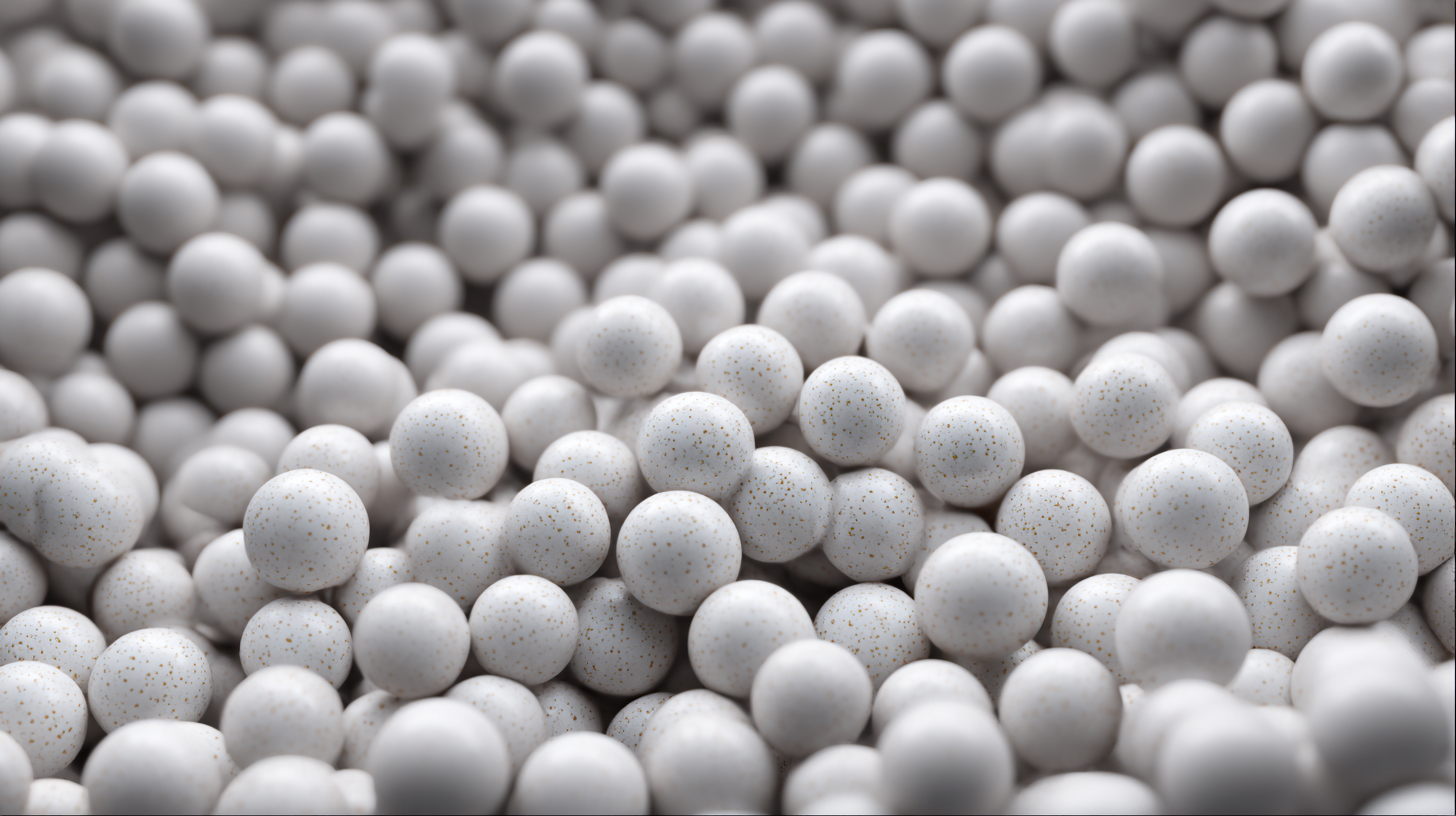
Understanding High Purity Alumina Balls: Properties and Applications
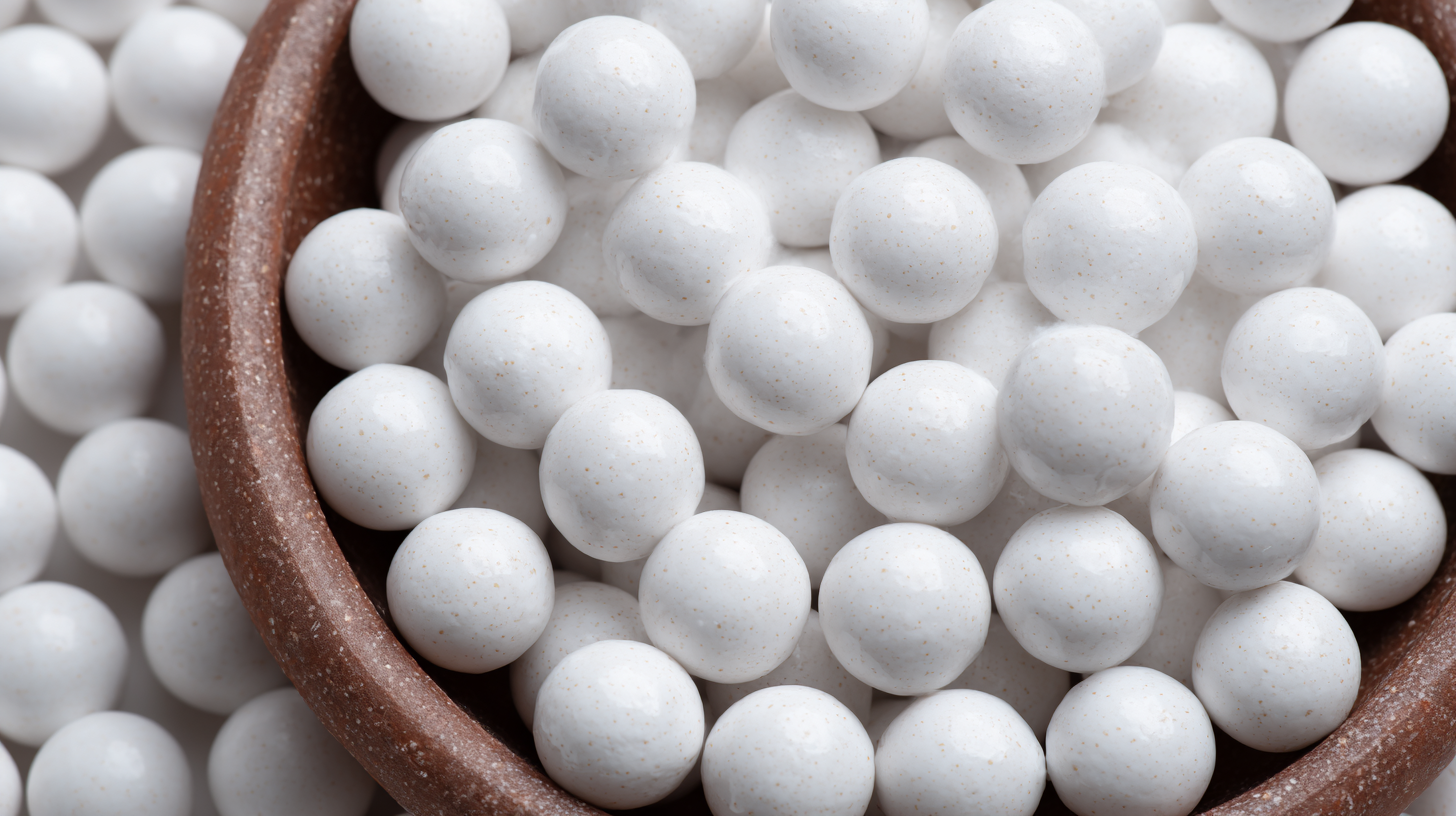
High Purity Alumina (HPA) balls are pretty well-known for their
incredible properties, making them a go-to in lots of industrial uses—think filtering, catalysts, and ceramic manufacturing.
One thing that's really important about these HPA balls is their microstructure, which has a big impact on how well they perform.
Thanks to recent breakthroughs in materials science, researchers are now checking out other options, like
aluminum matrix composites (AMCs) strengthened with Zirconium Nitride (ZrN).
These composites pack a serious punch in terms of mechanical strength, and they could be a game-changer
in situations where regular HPA balls might not cut it.
On top of that, how these materials are made and processed really matters.
New techniques—like calcining γ-Al2O3 at low temperatures with α-phase seeds, or using high-energy
ball milling—are showing promise for tweaking the microstructure of alumina particles,
making them better. Plus, when you mix alumina and boron nitride nanosheets into epoxy composites, you get
improved dielectric properties and better thermal conductivity. It all comes down to how these materials
interact, which can really boost performance. Exploring these alternatives might lead to some pretty
big improvements in industrial processes—making things more efficient and
eco-friendly in the long run.
Comparative Analysis of High Purity Alumina Ball Alternatives
High purity alumina balls have been a go-to choice in a bunch of industrial settings for ages, mainly because they’re super resistant to wear, can handle high temperatures without breaking a sweat, and are chemically stable. But as industries keep evolving, folks are starting to look for alternatives that can match or even beat their performance. So, I thought I’d share a quick rundown of some potential substitutes—like zirconia, silica-based ceramics, and different polymer composites.
Zirconia balls, for instance, are becoming more popular because they’re tougher and better at enduring impacts than alumina. Sure, they tend to cost a bit more upfront, but since they last longer in tough environments, they can actually save money in the long run. Then there are silica ceramics, which are especially handy if you’re trying to cut down on weight—they’re reasonably strong but much lighter, which is a plus for certain applications. And let’s not forget about the latest in polymer composites—these are pretty exciting for industries that want good performance without breaking the bank. When manufacturers weigh these options carefully, they can pick the best fit for their needs while also staying friendly to the planet and their budgets.
Exploring High Purity Alumina Ball Alternatives for Enhanced Performance in Industrial Applications - Comparative Analysis of High Purity Alumina Ball Alternatives
| Alternative Material |
Purity Level (%) |
Durability (MPa) |
Thermal Stability (°C) |
Cost ($/kg) |
| Alumina Ceramic |
99.5 |
350 |
1200 |
20 |
| Zirconia |
98.0 |
1200 |
1400 |
30 |
| Silicon Carbide |
99.0 |
500 |
1600 |
25 |
| Ceramic Composite |
99.8 |
400 |
1250 |
22 |
| Alumina-Titania Composite |
99.6 |
450 |
1300 |
24 |
Benefits of Using Alternatives in Industrial Settings
When people talk about boosting performance in industrial settings, everyone's starting to look for better alternatives to those high purity alumina balls. You know, these options often bring some pretty awesome benefits—like making things run smoother, lasting longer, and saving money in the long run. Take zirconia, for example. That's a big focus for Pingxiang Baitian (Ball-tec) New Materials Co., Ltd. They’ve found that zirconia is tougher and more resistant to wear than the traditional alumina balls. That makes it a solid choice for industries that need high-performance grinding media, especially in stuff like 3D printing or bio-dental work. It’s pretty interesting to see how these materials can really step up the game. And then there’s the micro crystalline ceramic grinding media—these have the advantage of producing better particle size consistency and lower contamination levels. This is super important in sensitive areas like solid fuel cells. By exploring and adopting these kinds of alternatives, businesses aren’t just improving their efficiency—they’re also upgrading the quality of their products. As Pingxiang Baitian keeps pushing the envelope with producing high purity zirconia powders, industries stand to benefit big time, making their processes more streamlined and their end products even better.
Performance Comparison of High Purity Alumina Ball Alternatives
Evaluating Performance Metrics for Alumina Ball Substitutes
When you're looking at performance metrics for alumina ball alternatives in industrial setups, there are a few key things you really wanna keep in mind—things like wear resistance, thermal stability, and impact strength. High-purity alumina balls, usually made of 99.5% alumina or more, are pretty well-loved because they’re super hard and wear down very slowly. That's why they’re so popular in grinding and milling jobs. I recently came across a report from TechSci Research that says global demand for high-purity alumina is expected to hit around 1.55 million tons by 2025. That really shows how important it is to find good alternatives.
Now, when it comes to options beyond your standard alumina balls, materials like silicon nitride and zirconia are pretty promising. Silicon nitride balls, for example, handle high temperatures really well and are lighter, which is great for heat-intensive tasks. On the other hand, zirconia balls have incredible impact resistance thanks to their high fracture toughness—that means they’re less likely to break under heavy impacts. Industry data even suggests that using zirconia balls can boost efficiency by up to 30% in certain milling processes. Pretty impressive, right?
**Quick tip:** When you're picking out alumina ball substitutes, it's a smart move to do a proper cost-benefit analysis—think about performance, durability, and what your specific needs are. That way, you’re more likely to get the best results without breaking the bank.
**Another tip:** Keep an eye on how your chosen alternative stacks up against industry standards over time. Regular checks can help you stay competitive and really get the most out of your equipment.
Innovative Materials: Future Trends in High Purity Alumina Alternatives
The world of innovative materials is changing so fast right now, especially when it comes to alternatives to high purity alumina. As industries push for better performance, these new materials are becoming really important — helping meet the rising demand for greener production methods and more efficient energy solutions. With the move towards clean energy, there’s a lot of research happening into advanced materials that can do even better than traditional high purity alumina in things like energy storage and packaging.
When you're exploring these alternatives, it’s worth looking for materials that not only match up to high purity alumina but actually beat it in strength, thermal stability, and environmental durability. And don't forget to check out options that use nanotechnology — those often bring a big boost in both performance and sustainability.
Looking ahead, one of the exciting trends is lightweight composites, which are super useful for cutting down energy use in manufacturing. More and more industries are turning to these advanced materials to shrink their carbon footprint — a move that lines up with global efforts to tackle climate change. As the market for high-performance, innovative materials grows, it’s a good idea to stay tuned for new tech and shifts that could really change the game and set new standards in the industry.
Enhancing Performance and Durability: The Advantages of Silicon Nitride Ceramic Bearing Balls in Modern Applications
In the quest for enhanced performance and durability in modern applications, silicon nitride ceramic bearing balls have emerged as a game-changer. These advanced components, part of the BNS Ceramic Ball bearing series, are crafted from high-quality materials including silicon nitride, silicon carbide, zirconia oxide, and alumina oxide. The result is a lightweight solution that weighs only 40% of traditional bearing steel, making it an excellent choice for applications where weight reduction is critical.
One of the standout features of silicon nitride ceramic bearing balls is their exceptional service life. With lower friction resistance and superior seizure resistance, these bearings operate efficiently even under extreme conditions. They boast remarkable corrosion resistance and rigidity, ensuring they maintain performance in harsh environments. Furthermore, they can withstand temperatures up to 800°C, making them ideal for high-temperature applications and even in extra high-vacuum environments where conventional materials may fail.
The non-magnetic and insulated properties of silicon nitride ceramics further enhance their versatility and safety in sensitive applications, such as those found in aerospace and medical fields. As industries continue to innovate and push the boundaries of performance, the advantages of silicon nitride ceramic bearing balls become increasingly apparent, solidifying their role as a critical component in the next generation of engineering solutions.
FAQS
lumina (HPA) balls used for?
The microstructure significantly affects the performance of HPA balls, impacting their effectiveness in various applications.
Alternatives such as aluminum matrix composites (AMCs) enhanced with Zirconium Nitride (ZrN), silicon nitride, and zirconia balls are being explored for their promising mechanical properties.
Key factors include wear resistance, thermal stability, and impact strength, which are essential for determining the suitability of substitutes in industrial applications.
The global demand for high-purity alumina is projected to reach 1.55 million tons by 2025.
Silicon nitride balls exhibit superior thermal resistance and lower density, making them suitable for high-temperature applications, whereas zirconia balls have high fracture toughness, providing enhanced impact resistance.
Conducting a cost-benefit analysis that includes performance metrics and durability in relation to your specific application requirements can help achieve optimal results.
Regular assessment against industry benchmarks is crucial to remain competitive and maximize productivity in industrial processes.