Pingxiang Baitian New Materials Co., Ltd

Leave Your Message
Global standards for manufacturing have been of paramount importance, especially in the Large Ceramic Bead production category. These beads are necessary for application in different industries, such as grinding media, dental materials, and energy technologies. With these improvements in industries, the demand for the world's best manufacturing processes that meet such international parameters is unsurpassed. It is very important to know these standards to the manufacturer so he can improve his product quality and keep pace with his competitors in the market.
Pingxiang Baitian (Ball-tec) New Materials Co., Ltd. is pushing the limits of technology in the manufacture of micro crystalline ceramic grinding media, bio-dental applications, solid fuel cells, and high purity zirconia powder. It is our R&D that will create our path beyond world manufacturing standards of Large Ceramic Beads. This blog will discuss the importance of such standards and the role they play in quality, consistency, and safety in the ceramics industry.
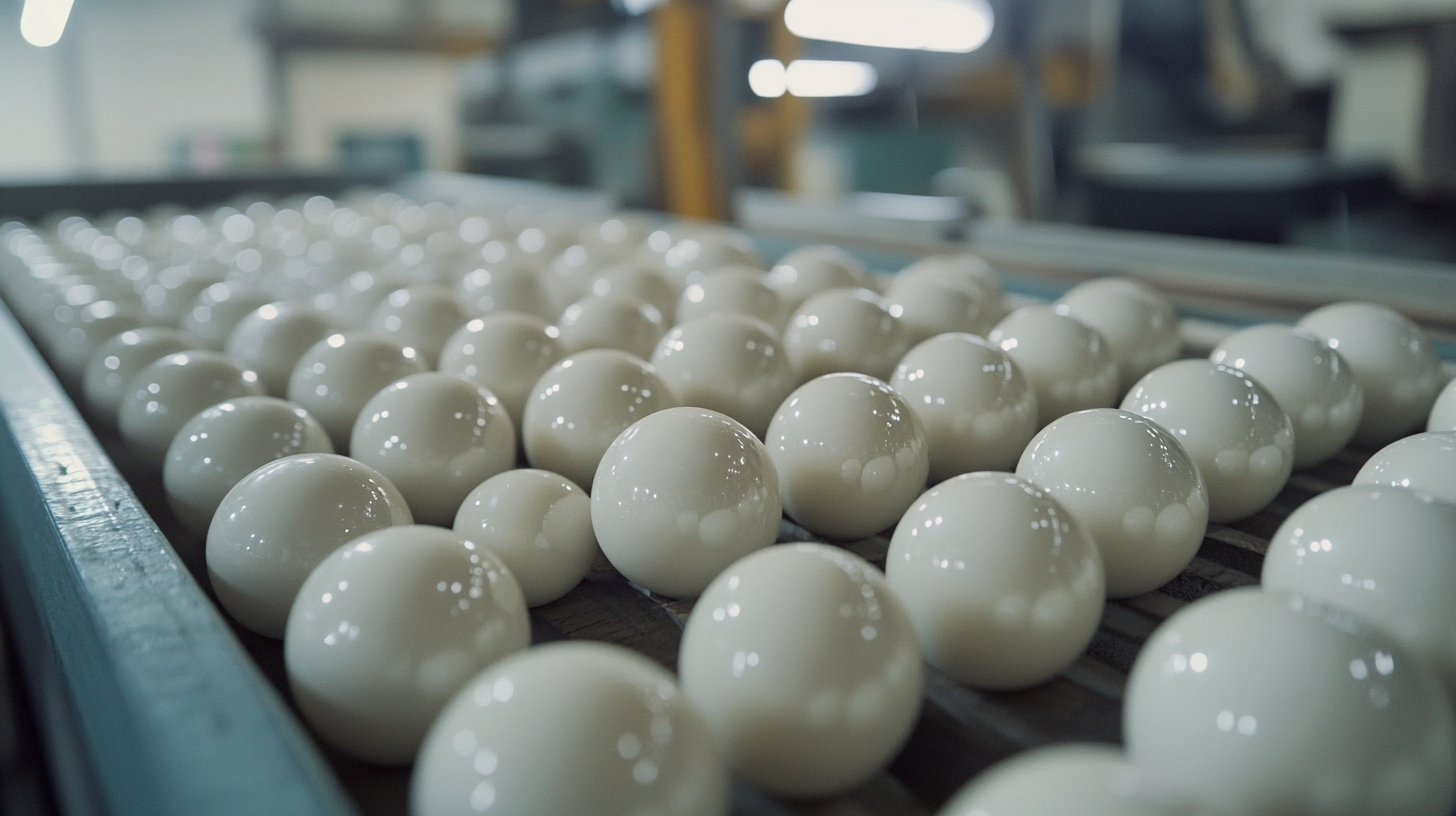
The persistent growth of the ceramic beads manufacturing industry has promised advancement innovations with regard to the servicing needs of global economies. Recently, a market research report released by MarketWatch reported that the worldwide market for ceramic beads is anticipated to reach about $850 million by 2028, growing at a CAGR of 6.2% from 2021 onwards. The demand from the electronics, automotive, and health sectors, which require high-quality, durable materials, is mainly driving such demand. The latest manufacturing innovations seem to be changing the scenario of how bead ceramics are produced. Some of these advanced manufacturing systems, such as 3D printing and improved sintering techniques, revolutionized the production of beads with superior mechanical characteristics and customization. Customization is now possible for particular beads such as industrial catalysts or microbeads that find use in drug delivery systems. All these innovations fall under the umbrella of being personalized solutions to a host of issues organizations have. Adoption of this change will be made evident through recycling and energy-efficient technologies increasingly used by the world's leading manufacturers in progressive production techniques. The current orientation of the ceramic beads market is proof of the aforementioned. According to Grand View Research, the demand for such environmentally responsible products is increasing. More and more manufacturers are taking sustainable packaging initiatives into their production operations, according to global standards designed to expedite the minimum environmental impact. They cater to economic as well as consumptive market segments in terms of meeting their regulation and the increasing number of eco-conscious consumers. Thus, bringing further innovation and quality improvement in the manufacture of ceramic beads.
Indeed, quality standards are vital lifelines within the context of ceramic beads manufacturing. Increased global consumption for ceramic beads is due mainly to demands that emanate from industries such as jewelry, electronics, and healthcare and consequently, strict adherence to and implementation of high-quality standards becomes a pillar for manufacturers wishing to keep a lead in market competitiveness. As captured by the recent market report by MarketsandMarkets, the novel global ceramic beads market would be worth USD 10.84 billion in 2026, thus all quality assurance mechanisms must match up to the fast inflating figures to meet such growing demand.
Quality standards function as the critical element responsible for endurance, appearance, and performance attributes in ceramic beads. For example, International Organization for Standardization, 17468 discusses specifications for ceramic materials and their applications in other domains to promote uniformity and reliability. When a product fails to meet these standards, it risks not only compromise in quality but also severely damage on the financial front. According to the International Organization for Standardization, wastage of up to 20% is attributed to non-conformance during the manufacturing process emphasizing stringent quality control measures in manufacturing surroundings.
Such advanced technologies in automating or using an artificial intelligence system as part of the quality assurance procedure will transform the conventional ceramic beads manufacturing process. It will allow for realtime monitoring and data collection as products travel through production stages to verify compliance with existing standards. It has been found in an article published by McKinsey that the firms which have implemented data-driven quality initiatives reduced their defects rates by at least 50%. This ensures full customer satisfaction in a more competitive market.
External international certifications are necessary to be adhered for quality and safety of large ceramic beads produced. Among these include leading organizations such as the International Organization for Standardization (ISO) and American Society for Testing and Materials (ASTM) whereby guidelines are given to maintain high-quality controls by manufacturers. The institutions express how different certification processes aid improvement in the company. ISO 9001, for instance, focuses mainly on quality management systems. Its emphasis on continuous improvement enhances the efficiency of production and reduces defects in producing ceramic beads.
ASTM standards, such as ASTM C373, for example, are also crucial for determining the physical properties of ceramic materials i.e. in terms of water absorbency and mechanical strength. Findings revealed that products made following these certifications generally have a lower failure rate and longer life than those not using them. Mordor Intelligence's latest market analysis states that "the global ceramic beads market is expected to register revenue of $1.2 billion by 2025." This is attributed to the increasing need for quality materials in industries as diverse as jewelry and electronics.
Manufacturers with such plans should not forget other critical certifications like REACH and RoHS because they regulate chemical substances and consequently, ensure that such products are safe for human health and the environment. The role of sustainability in today's industry is defining the practitioner, and certification showing adherence to environmental standards can sway a consumer's choice significantly. Once the quality assurance measures are established worldwide, manufacturers opt for these standards to gain a better market advantage.

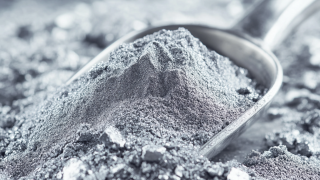
Both for manufacturing large ceramic beads and for the proper selection of material, it is an important factor for determining the quality and performance of a final product. Raw material used is good not only in terms of physical properties such as strength, durability, and thermal resistance of the beads but also for applications in industries. High-purity alumina and zirconia are at the top of the list, according to the Ceramic Materials Association. High Purity Alumina and Zirconia are reported to have compressive strengths on the order of 400 MPa, indeed making them ideal for industrial use, including applications in grinding media to decorative art.
There have been developments in materials, leading to novel composites and mixtures that are very useful towards improving the performance of ceramic beads. The Journal of the European Ceramic Society has shown that, with the addition of silica and other additives, the wear resistances become very much improved. Certain formulations have been reported to prolong the life of ceramic beads in an abrasive environment by 30%. This will cause an increase in overall product quality and reduce replacement frequency, which will bring an economic advantage.
It is also important to note the growing demand for high-performance large ceramic beads by automotive, electronics, and healthcare industries, driving stringent material selection. According to experts in the field, the global demand for ceramic beads is expected to grow at a CAGR of 7% during 2023-28. Hence, the greater marshalling of best practices regarding material sourcing has turned even more urgent for manufacturers. It would enable an organization to meet global compliance along with effective market demand by focusing on high-quality raw materials in and improving the fundamental chemistry of their products.
In the manufacture of large ceramic beads, it is essential that every bead undergoes the process of production which requires trees to focus on quality and consistency. There are strict protocols that manufacturers must implement, and these must comply with world standards so as to ensure that the quality of the bead is at the highest level. This then can reproduce through current technology and the skill of many workers on every part of production.
Particular regarding maintaining good constancy is the use of high-quality raw materials. The clay, glazes, and additives used are vital for the final product's strength and good looks. By collecting these materials that are in accordance with international quality standards, all the possible risks concerning defects and differences can be minimized for a more consistent end product. Besides, the uniform mixing and forming techniques will ensure that each batch of beads will have the same shape, weight, and finish.
Also, strong quality control systems would be a plus. These would include regular inspections and tests at various stages of production. Advanced analytical methodologies would have been adopted by manufacturers to detect present deviation from specifications and to take immediate actions to correct them. This could, thus, go a long way toward safeguarding product integrity while advancing a culture of continuous improvement throughout production that will lay the groundwork for excellence in large ceramic bead manufacture.
Sustainability has become one of the primary pillars of industries across the globe, and so is the case with ceramic bead manufacturing. With the increasing demand for ceramic beads, manufacturers search new ways to improve their production methods and minimize their environmental footprints. Such practices would save natural resources and remain consistent with global sustainable practices in every sector because embracing eco-friendly materials and processes gives manufacturers the opportunity to reduce their carbon footprint as well as waste.
One of the most effective measures that could be undertaken in making the production of ceramic beads more sustainable is application of circular economy principles in ceramic bead production. This calls for the reuse and recycling of materials so that resources are utilized efficiently throughout their life cycle. Manufacturers are now getting most of their raw materials from sustainable suppliers; they are investing heavily in energy-efficient technologies to help save costs and improve the resilience of their supply chains. Further, by adopting global standards of sustainable manufacturing, the companies will be in a better position to remain competitive in the market while supporting the notion of corporate sustainability.
In addition to sourcing raw materials and using energy-efficient approaches, water conservation is just as important in making the production of ceramic beads more sustainable. To this end, many manufacturers are implementing closed-loop water systems that recycle water employed in the production process, hence reducing overall consumption. Collaborating with environmental NGOs also helps companies be kept informed on best practices as well as innovations in sustainability. Ultimately, these practices bring positive change for the environment and will definitely hold sway with an increasingly green-aware consumer looking for goods that reflect their value interests.
Manufacturing large ceramic beads to meet world standards is an exercise tortured by variables. In a report by the International Organization for Standardization (ISO), it is noted that nearly 60% of manufacturers experience difficulty with compliance, mainly because stringent quality requirements arise from international standards like ISO 13006, which charter the characteristics of ceramic tiles and products made therewith. Such standards consider aspects such as physical and chemical properties, which have a profound effect on the durability and performance of ceramic beads in various industries.
Perhaps one of the most annoying problems is achieved by maintaining consistency in raw material quality. This was demonstrated in the Journal of Materials Science case studies, which showed that material sourcing could be inconsistent and hence lead to major inconsistencies in product performance. It requires manufacturers to apply strict testing and quality control measures according to world standards, raising the operational costs since companies will have to spend on advanced technologies and training programs to comply; with some reports indicating increases in manufacturing costs of about 20-30% on average.
Another factor that makes compliance more difficult are environmental laws. Greater emphasis on sustainability resulted in the very formulation of laws such as ISO 14001, which primarily deals with the efficient management of environmental systems. While large ceramic bead manufacturers must comply with environmental laws to ensure minimum impact, it is equally important to put their products to the lead amongst eco-friendly solutions favored by consumers. Adapting to these standards is vital for the industry as, according to a report by MarketsandMarkets, the market for environment-friendly ceramics is poised to grow at a rate of 10% per annum over the next five years. This transition requires a balance between innovation in manufacturing techniques and working within thoroughly rigorous global standards.
With advances within the ceramic industry happen, the more urgent emphasises it will become for persons-the manufacturer especially to globally set standards in the fabrication of large ceramic beads. For instance, the transformation of centers for manufacturing like Foshan required quality improvement and innovation. According to industry reports, the ceramic market will reach a massive $450 billion valuation by 2025 due to increased demand for sustainable and high-performance materials. Consequently, the standards to which manufacturers complied must expand beyond the current regulations and include future standards regarding materials quality and environmental impact.
Standardization in the ceramics industry has new future directions marked by global trends of sustainability and technological advancement. Manufacturers are to use eco-friendly materials and energy-efficient processes to satisfy both customer demand and regulations. The advent of Industry 4.0 is a condition that will stampede production methodologies in which automation and data analytics are playing significant roles in delivering better quality controls while reducing defects. This is positively assuring, as firms investing in such technologies would cut production costs by up to 30% while improving product quality.
These growing collaborations are already observed in the areas of comprehensive international standards, which industry players are now willing to work for joint development to create further consistent foundations upon which innovation is supported and built while ensuring rigorous quality control. As the standards develop, manufacturers must learn to keep their positions flexible and adjust them to stay firm in today's rapidly evolving global market.
Key certifications include ISO 9001, which focuses on quality management systems, and ASTM standards like ASTM C373, which establish the physical properties of ceramic materials.
Compliance ensures product quality and safety, leading to lower failure rates and greater durability in the final products.
Certifications enhance the reputation of manufacturers, enabling them to meet increasing demand for high-quality materials across various industries, contributing to market growth projected to reach $1.2 billion by 2025.
These certifications regulate chemical substances to ensure products are safe for human health and the environment, which is increasingly important for consumers favoring sustainable practices.
High-quality raw materials, such as clay and glazes, are crucial as they directly impact the durability and aesthetic appeal of the final product.
Rigorous manufacturing protocols, standardized mixing and shaping techniques, and high-quality raw materials are essential to ensure consistency and quality.
Regular inspections, advanced analytical methods, and real-time adjustments during production help identify issues and maintain product integrity.
Embracing these standards enhances manufacturing efficiency, minimizes defects, and positions manufacturers competitively in the global market.
Advanced technology contributes to precision and efficiency in production, ensuring that high-quality beads are consistently produced.
By implementing robust quality control measures and encouraging regular assessments of processes, manufacturers can foster an environment focused on excellence and innovation.