You know, over the past few years, there’s been a real boom in the global demand for high-performance materials. This has sparked some pretty exciting developments in manufacturing specialized stuff like Activated Alumina Balls. Now, if we talk about key players in this space, Pingxiang Baitian (Ball-tec) New Materials Co., Ltd. definitely shines bright. They’re all about innovation and quality, which is super impressive. Their focus isn’t just on high-tech research and development! They also dive into production and sales with great expertise. But that’s not all; they also work with zirconia and alumina micro crystalline ceramic grinding media, bio-dental applications, solid fuel cells, and even high-purity zirconia powder for 3D printing. In this blog post, we’ll take a closer look at what's on the horizon for 2025 tech trends in the industry. Plus, we’ll see how Baitian is using its tech savvy to boost the global presence of Activated Alumina Ball manufacturing, solidifying its spot as a leader in this ever-evolving market.
The Rise of China's Activated Alumina Ball Industry in the Global Market
You know, China’s activated alumina ball industry has really taken off lately! It’s becoming quite a heavyweight in the global market. Thanks to some pretty advanced manufacturing techniques and making the most out of economies of scale, China has managed to position itself as a leading producer and exporter of these activated alumina balls. And let me tell you, these little balls are crucial for all sorts of applications, like water purification and oil refining, not to mention air drying. Recent reports show that China’s share of the global activated alumina market has shot up significantly in the past few years—now it’s got over 40% of the total production volume. Can you believe that?
This boom in the activated alumina ball industry kind of reflects some bigger trends happening in the materials market. It’s similar to how China is dominating in other industrial areas too, like rare earth elements and cutting-edge medical technologies. For example, when you look at dysprosium oxide production and export, China is right up there among the world leaders. This really shows that they can not only satisfy their own needs but are also making a name for themselves on the international stage. Plus, the government is backing this growth with supportive policies and investments in R&D, so Chinese manufacturers are stepping up their game in terms of product quality and sustainability. It’s no wonder they’re carving out such a competitive edge globally!
Growth of China's Activated Alumina Ball Production (2018-2023)
This chart illustrates the growth trajectory of the activated alumina ball production in China over the last five years, showcasing the significant increase in output as China solidifies its position in the global market.
Key Factors Driving China's Manufacturing Excellence in Activated Alumina Balls
You know, China is really leading the pack when it comes to making activated alumina balls, and there are a bunch of reasons behind that. First off, there's the whole technological innovation thing. China is rapidly transforming into a major player in advanced manufacturing, embracing some seriously advanced production techniques, and pouring money into research and development. This means they’re cranking out high-quality activated alumina balls that are efficient and meet the growing demand across various fields, like air and water purification, which is awesome.
On top of that, the world is increasingly craving aluminum-based products, and that's giving a nice boost to the production of activated alumina balls. For example, the aluminum beverage can market is expected to leap from about $37.69 billion in 2025 to $60.75 billion by 2033. That’s a compound annual growth rate of around 6.0%! This growing appetite really underlines how crucial activated alumina is as a key material in tons of aluminum applications, upping the performance and quality of the final products. Plus, when you throw in China’s smart investments in manufacturing, it really sets them up well on the global stage. They’re showing off their ability to produce activated alumina balls that meet international standards. Pretty impressive, right?
Technological Innovations Enhancing the Quality of Activated Alumina Balls
You know, China has really stepped up its game when it comes to making activated alumina balls. I mean, they’ve become a powerhouse in this field, and it's all thanks to some pretty impressive tech innovations. With new and advanced production techniques coming into play, the quality and performance of these little balls have skyrocketed. Now, they’re super important for all sorts of things like water purification, air conditioning, and even as supports for catalysts. Plus, with automation and precision engineering in the mix, manufacturers can really nail down consistency and cut down on defects. This not only keeps the customers happy but also helps them broaden their reach in the market.
And it doesn’t stop there! There’s been a ton of exciting research happening in nanotech and materials science, which has taken activated alumina balls to another level of efficiency. Thanks to cool innovations like different pore sizes and better adsorption properties, these guys can snag contaminants like never before. It’s a game-changer! Not only does this boost their effectiveness in existing applications, but it’s also paving the way for new industries to jump on board. With the leading manufacturers in China continuing to invest in fresh ideas, they're not just keeping up with global needs—they're actually raising the bar for quality and effectiveness in this market.
Global Reach of China's Premier Activated Alumina Ball Manufacturing Excellence - Technological Innovations Enhancing the Quality of Activated Alumina Balls
| Region |
Annual Production Capacity (tons) |
Innovative Technologies Implemented |
Market Growth Rate (%) |
Quality Certifications |
| Asia |
150,000 |
Advanced Calcination Process |
8% |
ISO 9001, ISO 14001 |
| Europe |
100,000 |
Eco-friendly Production Methods |
6% |
CE Marking, REACH |
| North America |
80,000 |
Nanotechnology Integration |
5% |
ASTM, NSF |
| South America |
50,000 |
Sustainable Sourcing |
4% |
ISO 45001 |
| Africa |
30,000 |
Energy-efficient Technologies |
3% |
None |
Comparative Analysis: China's Activated Alumina Balls vs. Global Competitors
You know, over the past few years, China’s really been shaking things up in the activated alumina ball game. They’ve become quite the player on the global scene! When we take a closer look, it’s clear that their products don’t just meet international standards—they often blow them out of the water in terms of both performance and cost-efficiency. Chinese manufacturers are jumping on advanced production techniques, which totally boosts their efficiency and consistency. Thanks to this, they’re rolling out top-notch activated alumina balls for all sorts of industries, like water purification, oil refining, and chemical processing.
And here's the thing: China has really put a spotlight on innovation and tech, which has totally transformed their activated alumina sector into something impressive. They’re rapidly ramping up their manufacturing capabilities and are really positioning themselves as leaders in this space. When you compare them to the more traditional players in the global market, it’s clear that Chinese manufacturers are upping their game in research and development. This focus on continuous improvement is helping them adapt to what the industry needs. Because of this forward-thinking approach, they’re able to offer products that seriously challenge some of the long-standing competitors out there, solidifying China’s place as a major force in advanced industries worldwide.
Sustainability Practices in China's Activated Alumina Ball Manufacturing Process
You know, when it comes to making activated alumina balls, China really stands out—not just because of the quality they produce, but also due to their commitment to being environmentally responsible. Their production process uses some pretty cool tech that helps cut down on waste and energy use. They’ve got these regenerative heat technologies that not only boost productivity but also help shrink their carbon footprint. And the best part? These eco-friendly methods ensure that their activated alumina balls not only meet international standards but also fit nicely in with the growing global shift toward greener industry practices.
On top of that, they're super careful about where they get their raw materials from. A lot of manufacturers are starting to focus on using locally sourced bauxite, which is great because it slashes transportation emissions and gives a little boost to the local economy, too. Plus, they’re always looking for ways to recycle and reuse waste materials during production, which just shows how committed they are to sustainability. As more people are looking for eco-friendly products, these activated alumina ball makers in China are really leading the charge. They’re weaving in these green strategies into everything they do, which sets a great example for the industry around the globe.
Exploring the Advantages of ZrO2 Zirconia Bearing Balls: High Precision and Reliability in Modern Applications
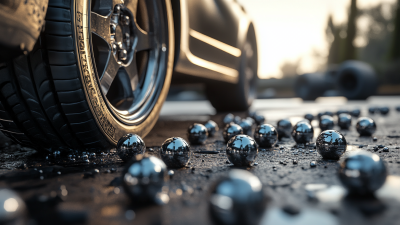
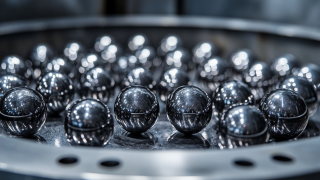
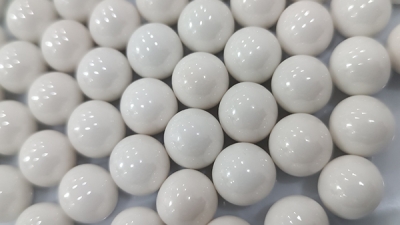
ZrO2 zirconia bearing balls are revolutionizing the world of modern applications, thanks to their high precision and unmatched reliability. Unlike traditional steel balls, zirconia balls are significantly lighter, which leads to reduced rolling resistance and lower wear on the channels. This lightness not only enhances their performance but also extends the lifespan of the equipment they are used in, making them an ideal choice for various applications, from automotive to high-speed machinery.
One of the standout features of zirconia bearing balls is their hardness, which surpasses that of steel balls. This characteristic, combined with a smoother surface and a significantly lower friction coefficient, contributes to their superior efficiency. Additionally, zirconia's coefficient of thermal expansion is only a quarter that of steel, allowing it to endure large temperature fluctuations without compromising its structural integrity. Unlike steel, zirconia balls are resistant to rust and do not require lubricating oil during operation, providing a maintenance-free solution that enhances overall reliability.
As industries move towards more advanced technologies, the benefits of zirconia bearing balls make them increasingly popular in applications involving slide rails and ceramic bearings. Their ability to maintain precision and performance under varying conditions positions them as a forward-thinking choice for businesses aiming to optimize efficiency and durability in their mechanical systems.
FAQS
: China's activated alumina ball industry accounts for over 40% of the total production volume in the global market.
Activated alumina balls from China are essential in various applications, including water purification, oil refining, and air drying.
Technological innovations have significantly enhanced the quality and performance of activated alumina balls, leading to greater consistency, higher customer satisfaction, and broader market acceptance.
Chinese activated alumina balls often exceed international standards in performance and cost-effectiveness, thanks to advanced production techniques and a focus on innovation.
Investment in research and development, particularly in nanotechnology and material science, has improved the efficiency and utility of activated alumina balls, allowing for new applications and industries.
Supportive government policies and investments in research and development enable Chinese manufacturers to enhance product quality and sustainability practices, giving them a competitive edge in the global market.
The growth of China's activated alumina ball industry reflects broader trends in materials markets, similar to the country's advancements in rare earth elements and medical technologies.
Automation and precision engineering in production processes lead to greater consistency and reduced defect rates, which enhance the overall quality of activated alumina balls.
Continued investment in innovation and advancements in manufacturing capabilities will likely reinforce China's leadership in the activated alumina ball sector and contribute to ongoing global demand.
China's emphasis on innovation, efficiency, and strong research and development processes has transformed its activated alumina industry into a competitive and high-quality manufacturing hub.