Pingxiang Baitian New Materials Co., Ltd

Leave Your Message
0%

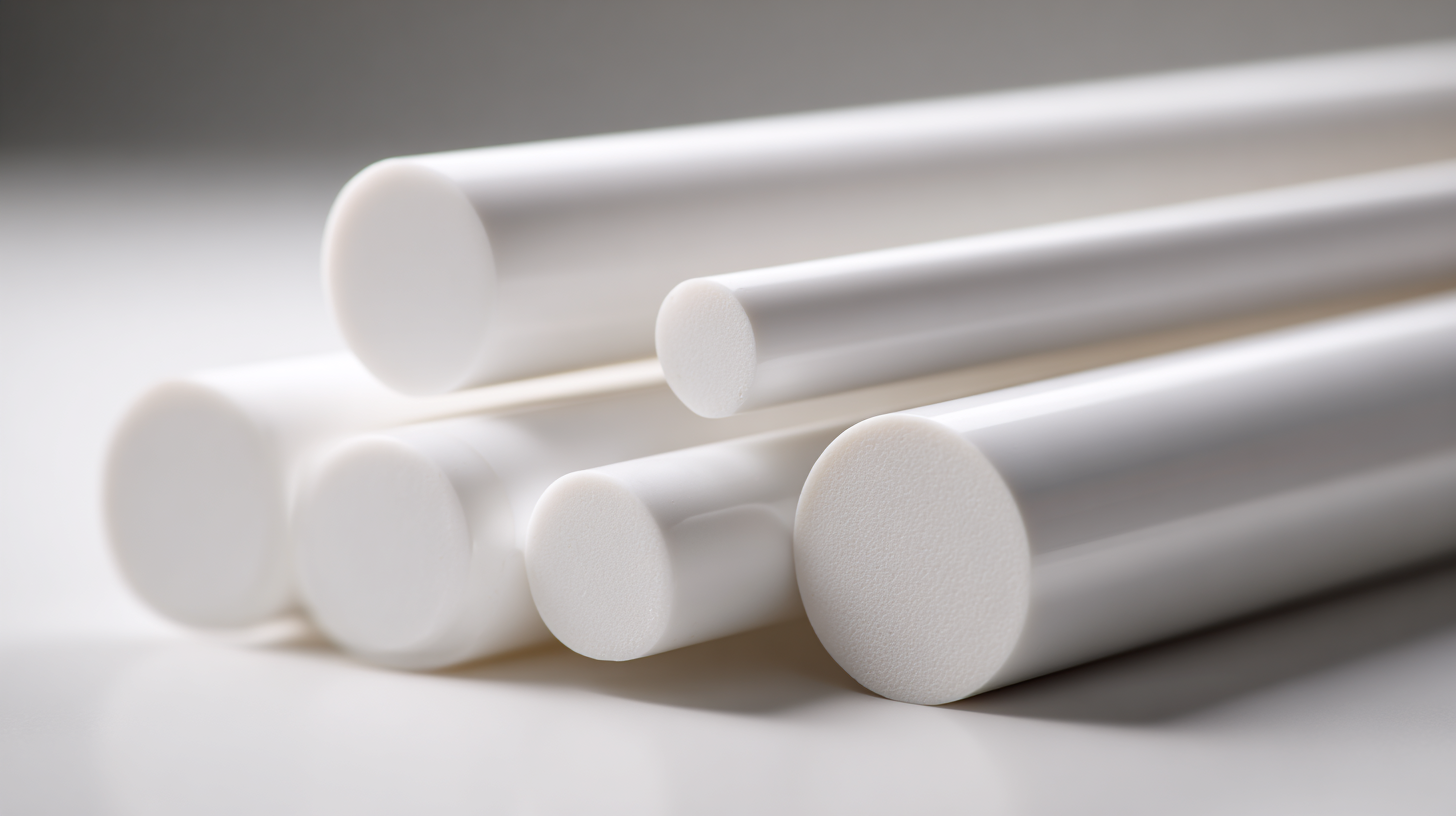
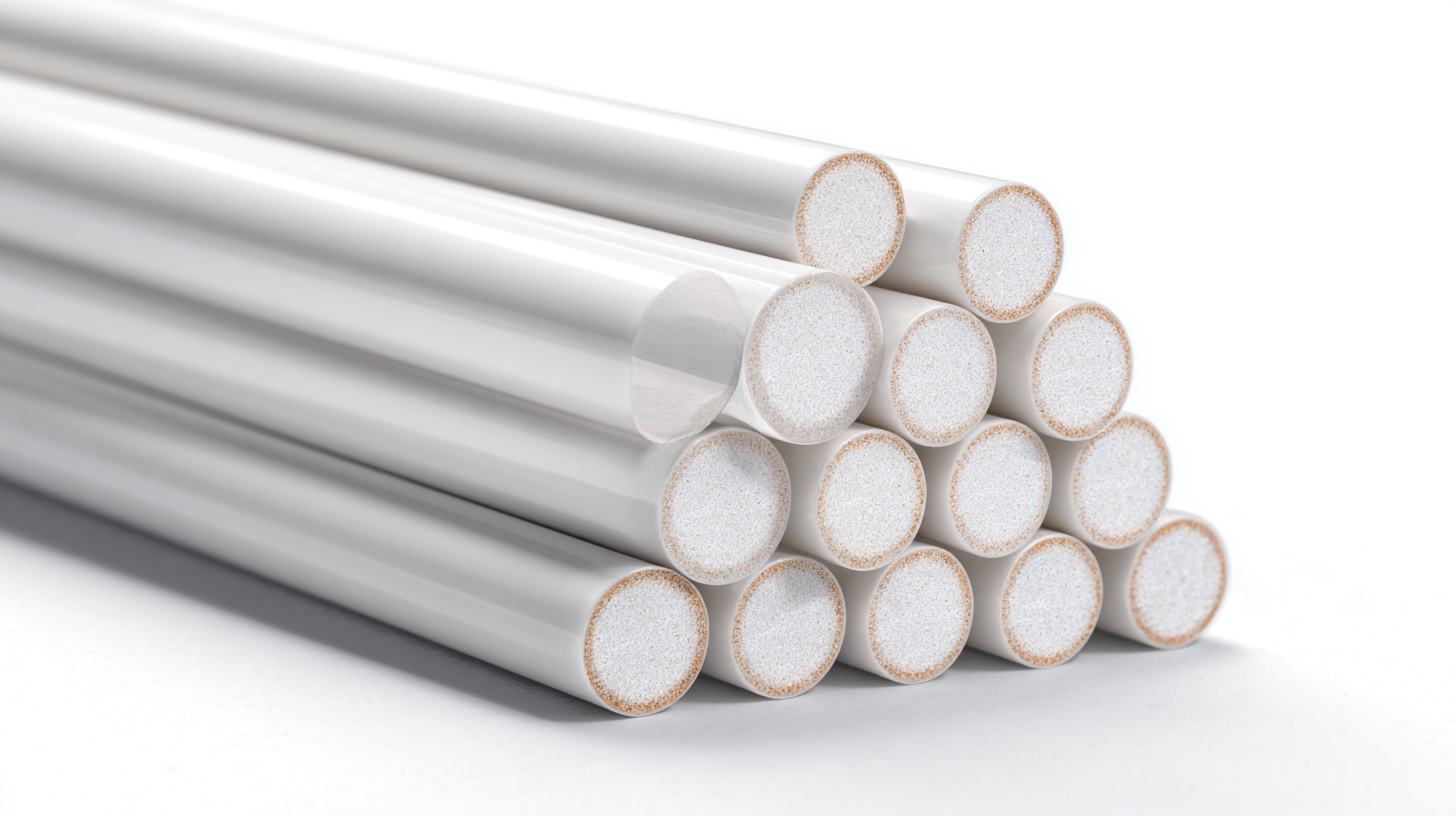
You know, ceramic rods have really become quite the game-changer across a bunch of industries. They’re this super versatile material, usually made from advanced ceramics, and they pack quite the punch — high strength, can handle crazy temperatures, and insulate electricity like a champ. Companies like Advanced Ceramic Materials and CeramicSpeed have been leading the charge with some pretty cool innovations, showing just how much these rods can boost performance and make products last longer — whether it's in aerospace, electronics, or other tech-heavy fields.
Exploring the Versatile Applications of Ceramic Rods in Modern Technology

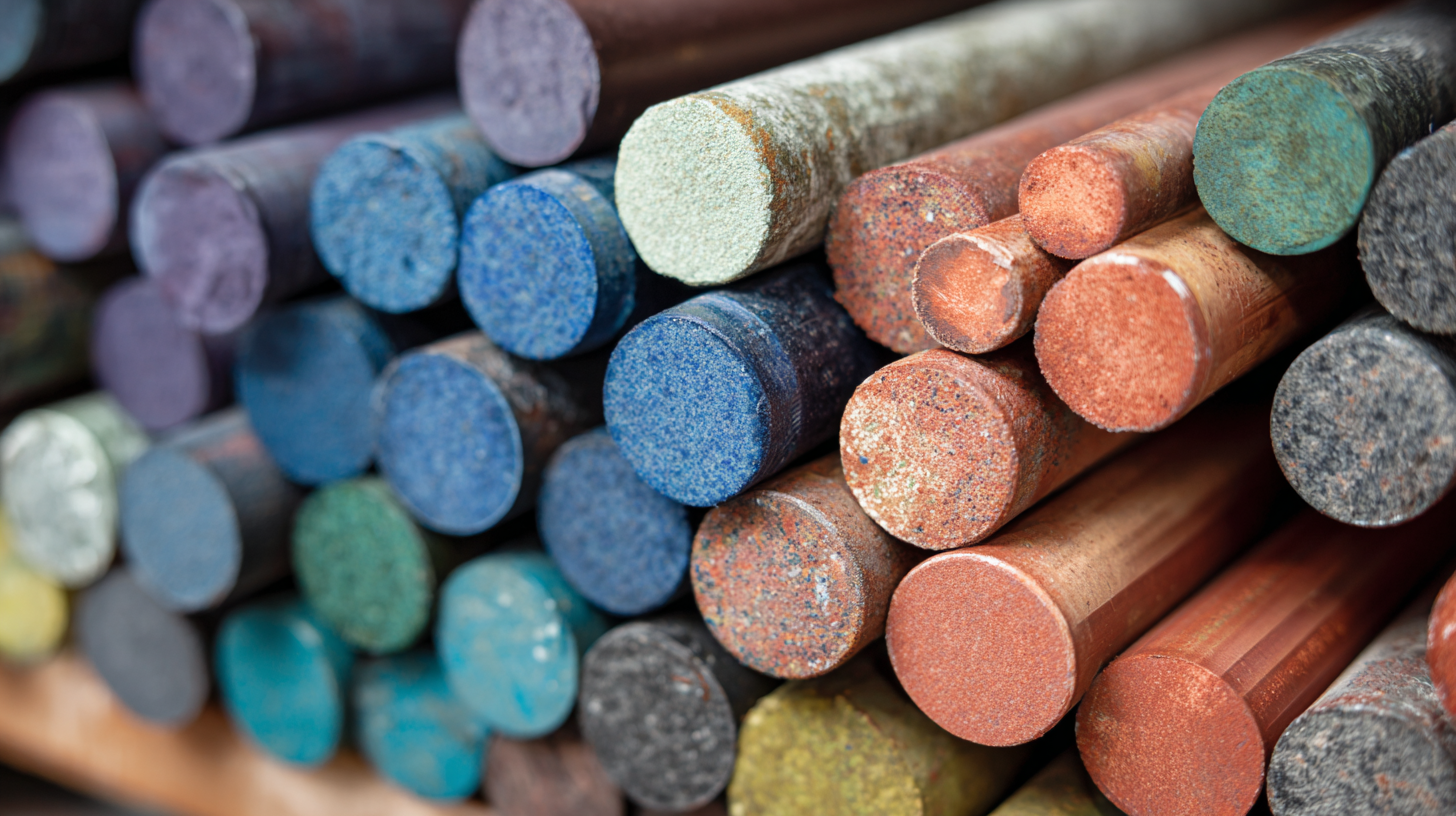
What’s great about ceramic rods is their standout traits. They can survive extreme heat and handle corrosion, making them perfect for high-performance setups. Plus, they’re pretty lightweight, which helps improve efficiency in things like motors, bearings, and sensors. As industries keep looking for tough yet lightweight materials, it’s clear that ceramic rods are becoming more and more important.

And the cool part? R&D is constantly pushing the boundaries, finding new ways to use these rods. As tech gets more advanced, there’s a bigger demand for reliable, efficient materials, so innovators are always exploring new applications to take advantage of what ceramics can do. Looking at how ceramic rods are increasingly shaping modern tech, it’s pretty exciting — they’re set to play a big role in future innovations and could bring some serious benefits for both manufacturers and us consumers down the line.

The Unique Properties of Ceramic Rods That Enhance Their Functionality

Ceramic rods have really caught the eye in a bunch of modern tech applications these days. Why? Well, they’ve got some pretty awesome qualities—like resisting heat like a champ, being light as a feather, and holding up strong under pressure. That combination makes ceramics super valuable, especially in tough environments like aerospace where you can’t afford to mess around with anything less than super reliable stuff. And get this, the market for advanced technical ceramics is expected to jump from around 88 billion dollars in 2024 all the way up to about 155 billion by 2034. It just shows how much everyone’s counting on ceramics now because they really do deliver on those top-notch properties.

On top of that, there’s been some exciting progress with nanoceramics, which are basically tiny, high-tech versions that are changing the game. These super-efficient materials are versatile too—they’re used everywhere from medical implants to next-gen electronics. Interestingly enough, historical evidence shows that ancient Amazonian ceramic makers knew what they were doing—they included siliceous spicules in their craft, which made the pottery tougher and less likely to break. It’s like they understood that ceramics had real functional benefits long before modern science caught up. As research keeps moving forward, scientists are now exploring high entropy oxides with their crazy complex crystal structures, which are opening up even more possibilities. All of this just goes to show that even after thousands of years, the fundamental qualities of ceramics are still pretty much at the heart of some of the coolest breakthroughs in material science today.

Exploring the Versatile Applications of Ceramic Rods in Modern Technology

This chart illustrates the performance ratings of various unique properties of ceramic rods that enhance their functionality in modern technology applications, showcasing their vital roles in electrical insulation, heat resistance, wear resistance, chemical stability, and low density.

Key Industries Utilizing Ceramic Rods in Modern Applications

Exploring the Versatile Applications of Ceramic Rods in Modern TechnologyCeramic rods have really been catching on across a bunch of modern industries these days, thanks to their pretty impressive properties like high strength, great thermal stability, and resistance to chemicals. You see them popping up everywhere—from electronics to aerospace—because they play a key role in making products better and more reliable. For example, in aerospace, ceramic rods act as insulators and are used in really high-temperature environments, which is super important for safety and performance.

At Pingxiang Baitian (Ball-tec) New Materials Co., Ltd., we're all about pushing the boundaries in this field. We focus on high-purity zirconia and alumina microcrystalline ceramics, which helps us meet the tough demands of industries like bio-dental work and solid fuel cell tech. Plus, by using advanced ceramic rods, we're contributing to some pretty exciting stuff—like new solutions in 3D printing and other cutting-edge applications. Basically, we’re trying to stay ahead in the game when it comes to ceramic material innovations.

Innovative Uses of Ceramic Rods in Electrical and Thermal Insulation

You know, ceramic rods have really become pretty important in today's tech world, especially when it comes to electrical and thermal insulation. They have some pretty awesome qualities—like being super stable at high temperatures, not letting heat pass through easily, and having great dielectric strength. Because of this, they're used in all sorts of things. For example, you'll find them as insulators in power lines to help keep energy flowing safely and smoothly. They also show up in electronics, where they act as substrates or insulators, helping devices run better and more reliably.

Exploring the Versatile Applications of Ceramic Rods in Modern Technology

But it doesn’t stop there. People are also finding clever ways to use ceramic rods in thermal management systems. In really hot environments, these rods serve as barriers, protecting sensitive parts from getting wrecked by the heat. This is especially crucial in industries like aerospace and automotive, where you really need top-notch materials. Thanks to their amazing properties, manufacturers can make products that last longer and work more efficiently, making tech solutions not just better but also more sustainable. It’s pretty impressive how such simple components can make such a big difference, huh?

The Role of Ceramic Rods in Advanced Manufacturing Techniques

You know, ceramic rods have really become a big deal in high-tech manufacturing lately. They've got these amazing qualities—like being super stable when it comes to heat, resistant to chemicals, and incredibly strong mechanically—that make them just perfect for precision work. Honestly, they can handle some pretty extreme conditions without breaking a sweat. That’s why industries like aerospace, automotive, and electronics are using them more and more for cutting tools and fixtures. It’s actually made manufacturing more efficient and precise than ever before.

Plus, ceramic rods are playing a huge role in cutting-edge techniques like 3D printing of ceramics. They give the structure and support needed during the printing process, which means we can create these crazy complex shapes that just weren’t possible before. And it doesn’t stop there — they’re also key in making special parts like insulators and substrates, which are tiny but super important components inside electronic gadgets. As manufacturing tech keeps leveling up, I think we’re going to see ceramic rods become even more essential for driving innovation and boosting performance across all kinds of sectors. Basically, they’re proving to be a game-changer in today’s world of modern manufacturing.

Future Trends and Developments in Ceramic Rod Technology

Honestly, the future of ceramic rod technology looks pretty exciting. With more industries leaning on high-performance materials, it’s no surprise that this field is really set to take off. I came across a report from Research and Markets that predicts the global ceramic materials market will hit around $300 billion by 2025. It’s the advanced ceramics segment – which includes those ceramic rods – that’s really growing fast, thanks to their wide-ranging uses in electronics, aerospace, and medical devices. What’s driving all this? Well, ceramic rods have some pretty impressive qualities — they can handle high temperatures, don’t expand much when heated, and they insulate electricity really well.

In the tech world today, new developments in ceramic rod technology are opening up a lot of cool possibilities for making devices more efficient and functional. Thanks to newer manufacturing methods like 3D printing and improved sintering techniques, producers can now create more complex shapes and stronger, more reliable parts. A study from Grand View Research points out that the demand for ceramic rods in electronics—think insulators and substrates—is expected to grow quite a lot. They’re projecting a compound annual growth rate (CAGR) of over 7% between 2023 and 2030. As industries keep pushing for lighter, tougher materials, I’d say ceramic rods are definitely going to be a key player in future tech innovations.

Exploring the Versatile Applications of Ceramic Rods in Modern Technology - Future Trends and Developments in Ceramic Rod Technology

Application Area Material Type Key Features Future Trends
Electronics Zirconia High dielectric strength, thermal stability Miniaturization, integration with smart technologies
Aerospace Silicon Nitride Lightweight, high strength-to-weight ratio Enhanced thermal protection systems
Medical Devices Alumina Biocompatible, corrosion-resistant 3D printing techniques, custom shapes for implants
Energy Ceramic Composite High thermal conductivity, durability Development of high-efficiency power generation
Defense Boron Carbide High hardness, lightweight Advancements in protective equipment

Innovative Applications and Benefits of Inert Ceramic Alumina Balls in the Chemical Industry

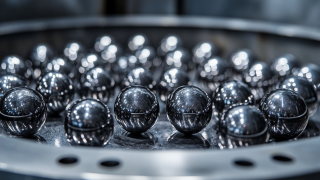
In the chemical industry, the use of inert ceramic alumina balls has revolutionized various processes, offering innovative applications that enhance efficiency and performance. Notably, BIA ceramic balls stand out due to their exceptional features, such as good roundness and a smooth surface that ensures easy cleaning. This characteristic is essential in maintaining operational hygiene and consistency in chemical reactions, making them a preferred choice for many industrial applications.

Another significant advantage of BIA ceramic balls is their high whiteness, which ensures that they do not affect the whiteness of the materials they come into contact with. This is particularly important in industries where product appearance is crucial. Additionally, the toughness of these ceramic balls reduces wear and provides impact resistance, allowing them to withstand high-speed operations without fragmentation. The lower filling density poses minimal additional impact, thereby contributing to safer and more efficient production processes. Overall, the adoption of BIA ceramic balls facilitates better product quality and operational reliability in the chemical sector.

FAQS

: What industries are utilizing ceramic rods in their applications?

: Ceramic rods are utilized in several key industries, including aerospace, electronics, automotive, and bio-dental applications.

What are the primary properties of ceramic rods that make them suitable for modern applications?

Ceramic rods possess high strength, thermal stability, low thermal conductivity, chemical resistance, and exceptional dielectric strength.

How are ceramic rods used in the aerospace industry?

In the aerospace industry, ceramic rods serve as insulators and components in high-temperature environments, enhancing safety and efficiency.

What role do ceramic rods play in electrical insulation?

Ceramic rods are vital components in electrical insulation, commonly used as insulators for power transmission lines and substrates in electronic devices.

How do ceramic rods contribute to thermal management?

Ceramic rods act as barrier materials in thermal management systems, protecting sensitive components from thermal damage, especially in high-performance industries like aerospace and automotive.

In what way do ceramic rods enhance manufacturing techniques?

Ceramic rods enhance manufacturing techniques by providing high thermal stability and mechanical strength, making them ideal for precision machining, tooling applications, and additive manufacturing.

What is the significance of ceramic rods in 3D printing?

Ceramic rods support the 3D printing process by offering structural integrity, allowing for the creation of complex geometries and specialized components.

How do ceramic rods improve the longevity and efficiency of products?

By leveraging the advantageous characteristics of ceramic rods, manufacturers can enhance product longevity and efficiency, resulting in more sustainable and effective technological solutions.

What types of advanced manufacturing applications benefit from ceramic rods?

Advanced manufacturing applications that benefit from ceramic rods include cutting tools, fixtures, and the production of insulators and substrates for electronic devices.

Conclusion

You know, ceramic rods have really become super important in a bunch of high-tech industries lately. They’ve got some pretty cool properties—like being really hard, able to handle heat without breaking a sweat, and resisting corrosion. These traits make them pretty much indispensable in a variety of uses, from insulating electrical and thermal systems to more advanced manufacturing processes. Industries like aerospace, automotive, and healthcare are really seeing the benefits, relying on these ceramic rods to keep their tech reliable and efficient.

At Pingxiang Baitian (Ball-tec) New Materials Co., Ltd., we take advantage of these awesome qualities in making high-purity zirconia and alumina microcrystalline ceramic grinding media. These are crucial for things like bio-dental work and solid fuel cells. As the demand for cutting-edge materials keeps rising, it’s exciting to see how ceramic rod tech is evolving. The future’s looking bright with new trends and innovations, and these little guys will definitely keep playing a big role in pushing modern technology forward.

Asher

Asher

Asher is a dedicated marketing professional at Pingxiang Baitian New Materials Co., Ltd., where his expertise in the field sets him apart. With a strong focus on the company's innovative product offerings, Asher is deeply knowledgeable about the various applications and benefits of the advanced......
Previous Advantages of Silicon Nitride Ball Performance and Cost Effectiveness in Maintenance