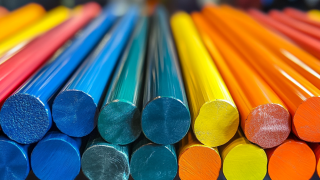
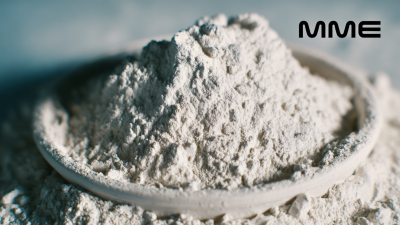
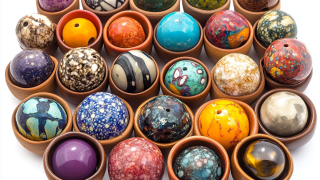
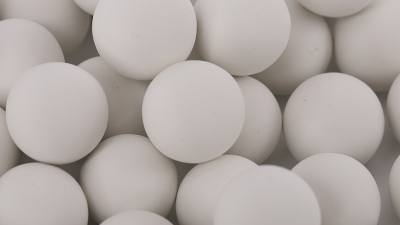
Lately, the global market for ceramic rods has really been picking up steam. It's mainly due to new tech in materials and a growing demand from different industries. I was reading a report from MarketsandMarkets, and it said the entire ceramic materials market might hit around $482 billion by 2025 — and a big chunk of that growth comes from high-performance ceramic rods. These are used in all sorts of areas, like aerospace, medical devices, and electronics. One company that’s really making waves in this space is Pingxiang Baitian (Ball-tec) New Materials Co., Ltd. They’re a high-tech outfit focusing on research, development, manufacturing, and selling state-of-the-art ceramic materials. They mainly work with zirconia and alumina microcrystalline ceramic grinding media, plus high-purity zirconia powders. Baitian's definitely a leader when it comes to producing top-quality ceramics in China. In this blog, I’ll share why their ceramic rods stand out — their awesome quality and how they’re making a big difference in various industries.
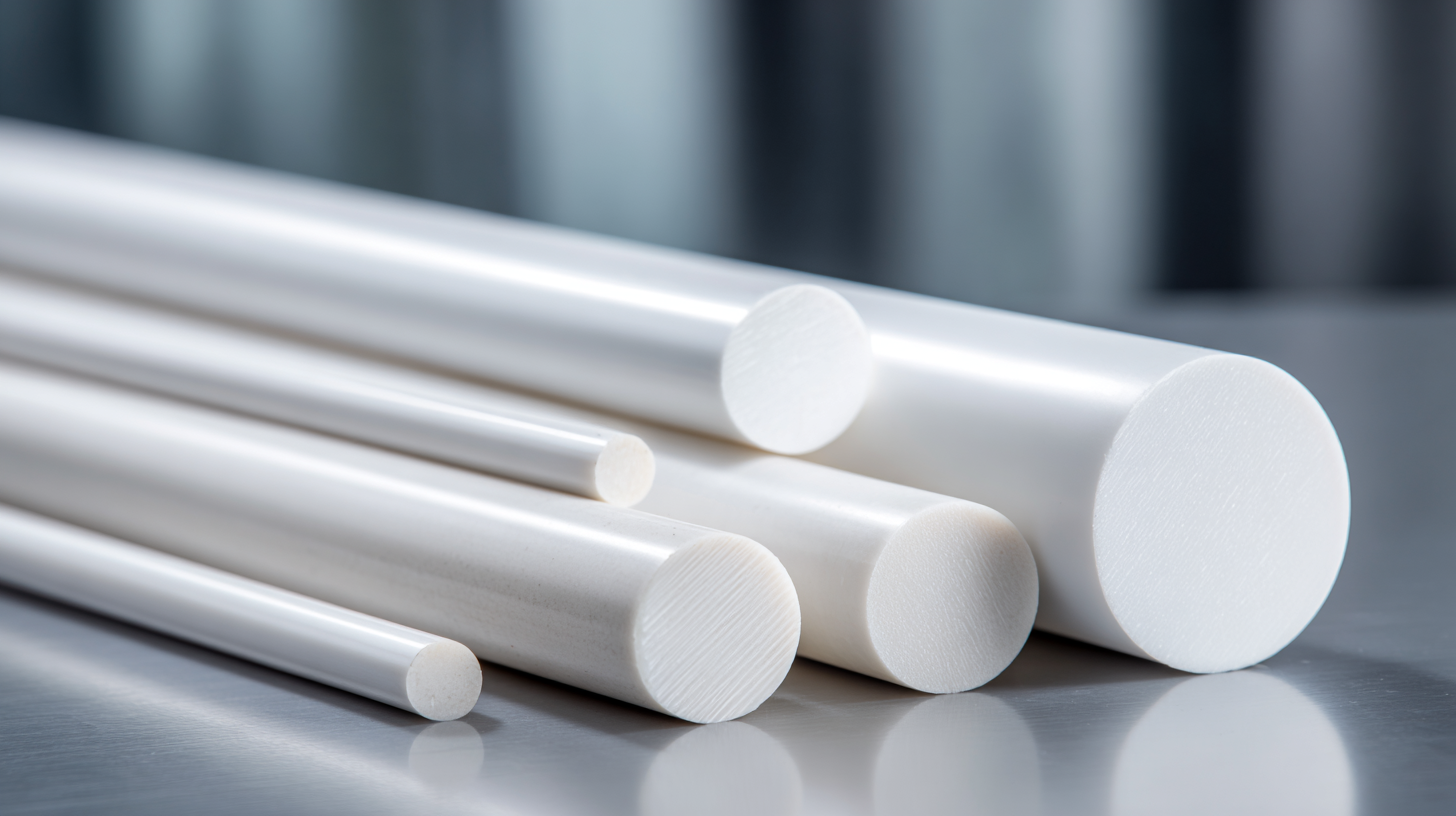
Exploring the Unique Features of China's Best Ceramic Rods
Lately, China's ceramic rod makers have really started carving out a reputation for their creative designs and top-notch quality. Industry reports have been buzzing about how the market for ceramic materials is growing — thanks to better manufacturing methods and higher demand from sectors like electronics and semiconductors. One thing that’s super interesting is the rise of materials like aluminum nitride, which shows how ceramics are really stepping up for high-performance uses. It’s pretty exciting to see how versatile these materials are and how important they’ve become in modern production.
These ceramic rods aren’t your average parts. They often come with special features, like improved thermal conductivity and solid mechanical strength, making them perfect for jobs that need reliability and durability. As the world keeps pushing for more advanced materials, integrating cutting-edge ceramics into manufacturing isn’t just about innovation — it’s also about doing things more sustainably. Many companies are now focusing on greener, eco-friendly production methods. All in all, China’s ceramic rods are leading the charge in the industry, ready to meet international standards and satisfy the growing demand for high quality and performance.
Top Manufacturers in China: A Look at Industry Leaders
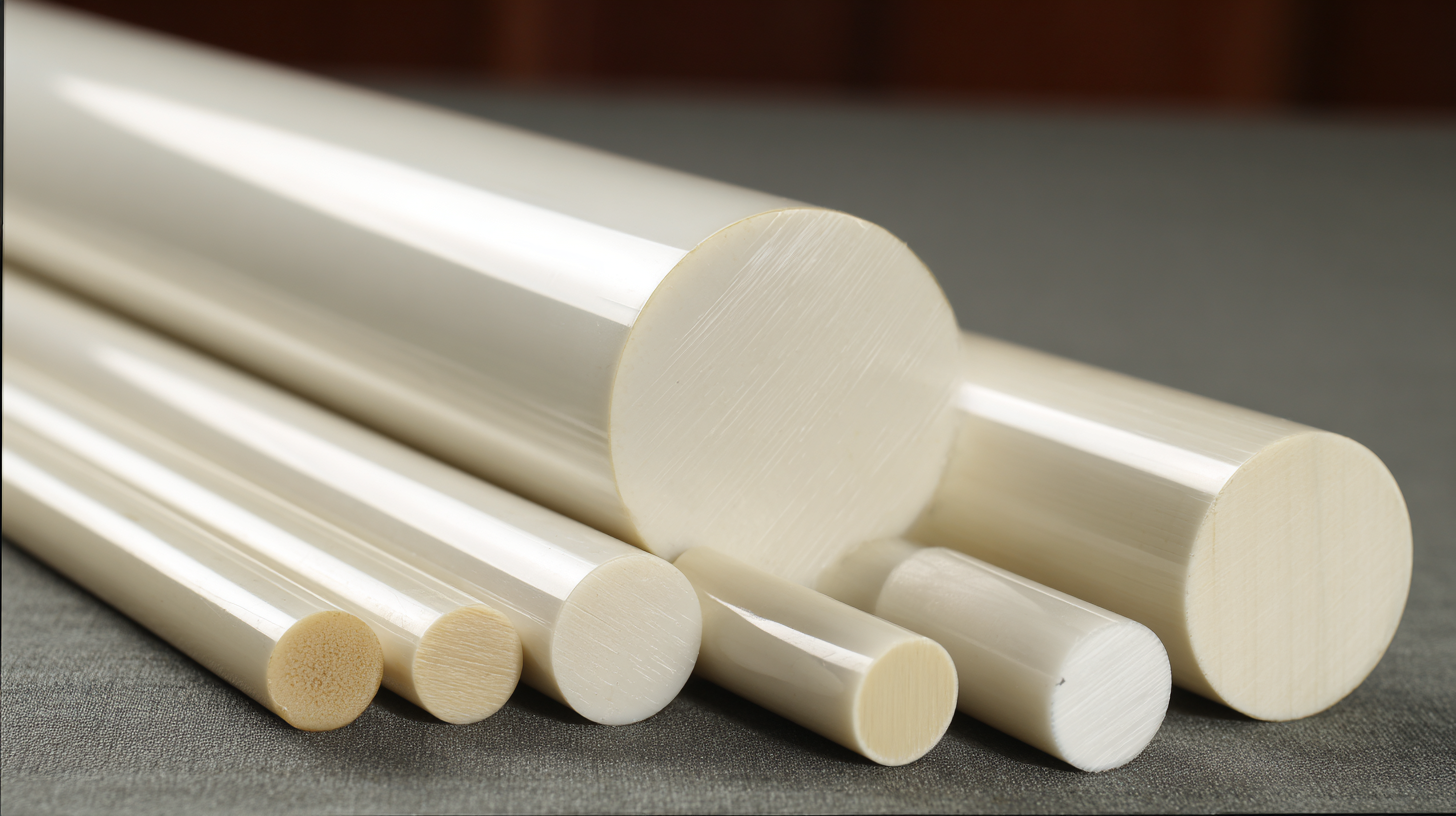
China is pretty much a major hub when it comes to making ceramic rods. There are several top companies out there really pushing the envelope on innovation and quality. I came across a report from the International Ceramic Industry Association, and it said that China's ceramic market is growing at about 8% a year—that’s quite the impressive growth. It really shows how strong the demand is for high-quality ceramic rods, which are used in all sorts of areas like electronics, cars, and industrial stuff. Brands like Dongguan Gree Ceramics and Jintao Ceramics are really leading the charge, setting industry standards with their cutting-edge manufacturing processes and careful quality checks.
When you're picking out a ceramic rod, it’s a good idea to think about what your project actually needs. Things like how well it conducts heat, how tough it is, and how it resists chemicals can make a big difference in how it performs. Also, don’t forget to look for certifications and make sure the product meets industry standards—that’s usually a good sign it’s reliable. A handy tip I’ve picked up is to read recent reviews or case studies; they often give real-world insights into how these products perform and what users are saying about them.
And here’s something exciting: the ceramic industry is really stepping up its game with new advanced materials. According to Ceramic Insights, more than 40% of manufacturers are already pouring resources into R&D to create high-performance ceramic options. If you keep an eye on these trends, you'll probably end up choosing products that align better with upcoming tech advancements. It’s a super dynamic field, and staying informed really pays off.
Comparative Analysis: Ceramic Rods vs. Traditional Materials
Lately, there's been quite a buzz around comparing ceramic rods to more traditional materials, especially in engineering and manufacturing circles. You know, ceramic rods are really catching people’s attention because of their excellent performance under pressure—like in situations where strength and heat resistance are a must. Recent research actually shows that some new ceramic composites, especially those designed with domain engineering techniques, can even outperform old-school metal parts when it comes to damping vibrations and carrying loads. It’s pretty clear that folks are starting to lean more towards these high-tech ceramics because they offer improvements that metals just can’t quite match.
**And hey, when you're pickin' materials for a project, it’s smart to think about what you really need—what the conditions will be like and what performance you’re after. Ceramics, for example, are champs in really hot environments, so they'd be perfect for things like aerospace or cars.
On top of all that, the way we make these advanced ceramics is changing big time thanks to 3D printing. The old-school methods, like molding, took ages and made it tough to get complex shapes. But now, with 3D printing, designers and manufacturers can get really creative—making detailed, intricate shapes that help make products lighter and perform better. Plus, this new way of building things isn’t just about looking good; it’s actually better for the environment too, since it cuts down on waste.
**And here's a little tip:** thinking about using additive manufacturing for your projects could really open up new possibilities. It not only helps you create more advanced designs but also makes material use more efficient, so you end up wasting less and saving some money, too.
Comparative Analysis of Ceramic Rods vs. Traditional Materials
Applications of Ceramic Rods in Various Industries
Ceramic rods have really been gaining popularity across all sorts of fields lately. They’re pretty amazing because they can handle high temperatures and are super hard, which makes them stand out. You’ll find them playing key roles in manufacturing, electronics, and even in medical stuff. In manufacturing, for example, ceramic rods are used in grinding and cutting tools—they give you that perfect mix of precision and durability, often outlasting metal alternatives. When it comes to electronics, these rods are like the unsung heroes—they act as insulators and even as bases for some electronic parts, helping devices work reliably.
If you’re thinking about using ceramic rods in your projects, it’s really worth paying attention to what your specific needs are. Tip: go for a ceramic rod with the right composition and density for what you’re doing—that’s the best way to get top performance. Also, keep in mind the environment they’ll be working in—temperature fluctuations, exposure to chemicals, all that sort of stuff—because those factors can really affect how long the rods last.
And in the medical world, ceramic rods are getting more and more common in implants and prosthetics because they’re biocompatible and resistant to wear and tear. Quick tip: working with top manufacturers who focus on ceramic products can really give you a leg up. They can fill you in on the latest innovations and help you pick high-quality materials that match your exact needs. Overall, these applications just go to show how versatile and important ceramic rods are in today’s tech-driven world.
Tips for Choosing the Right Ceramic Rod for Your Needs
Hey, if you're trying to pick the right ceramic rod for your project, there are a few key things you definitely wanna keep in mind to make sure it works out perfectly. First off, take a close look at what the rod is actually made of. For example, zirconia and alumina are pretty popular choices—they're known for being super strong and durable. Did you know that according to Grand View Research, the global market for ceramic materials is projected to hit around $250 billion by 2027? That just goes to show how much demand there is for high-performance, long-lasting ceramics.
Another thing to think about is the size—like, the diameter and length. Getting those right is crucial, especially if you're working in fields like aerospace or auto manufacturing, where precision is everything. In fact, the International Journal of Advanced Manufacturing Technology points out that ceramic materials can resist wear two to ten times more than metals, which makes them ideal for tough, high-stress environments. So, picking the right size and shape, and making sure the rod fits well with your existing equipment, can really help smooth out your production process and boost overall efficiency.
Understanding the Production Process of High-Quality Ceramic Rods
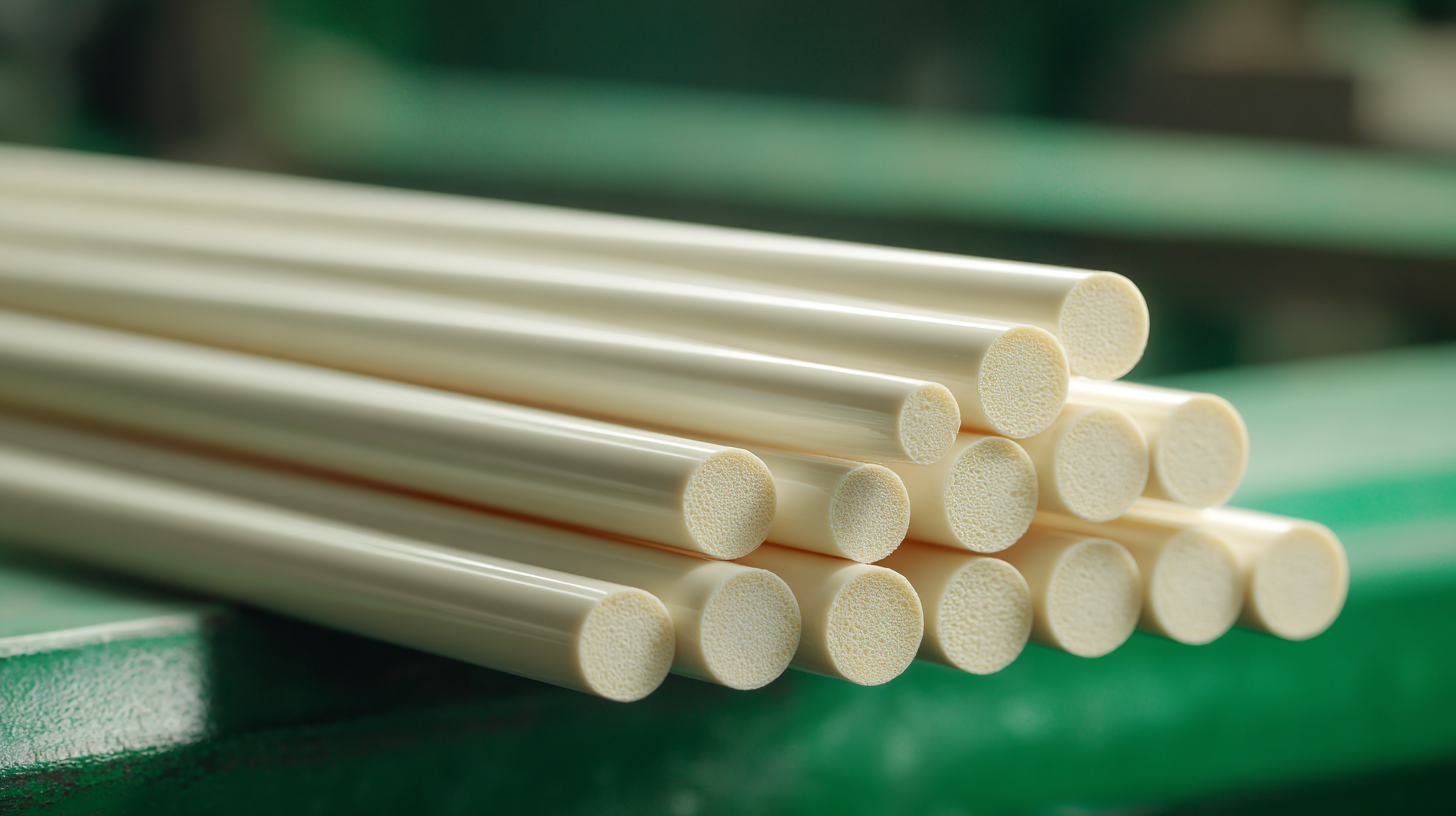
So, when it comes to making top-quality ceramic rods in China’s main manufacturing hub, it’s really a mix of old-school craftsmanship and cutting-edge tech. First off, they pick out the best raw materials—think alumina and zirconia—because those are key if you want a product that’s tough and can handle heat. These materials are then carefully mixed and ground up until they have a consistent grain size—pretty important stuff to make sure every single rod turns out uniform. That initial step really lays the groundwork for producing ceramic rods that meet tight quality standards.
Once they’ve got the raw materials just right, they shape them into the right form—usually through extrusion or pressing. This part requires some pretty precise machinery, and skilled workers play a big role in making sure each rod is just right—dimensions and surface finish included. After shaping, the rods go through drying, then they’re fired in high-temperature kilns. This firing not only makes the rods stronger but also adds to how good they look. To top it all off, they do thorough quality checks—inspections and tests—to ensure these ceramic rods aren’t just functional but actually surpass customer expectations in performance. It’s a pretty involved process, but the results speak for themselves.
Enhancing Material Efficiency: Insights from Industry Reports on Ceramic Grinding Ball Performance and Applications
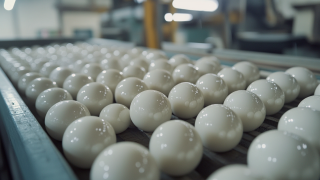
In the pursuit of enhanced material efficiency, the use of advanced ceramic grinding balls has become increasingly pivotal in various industries. The BCB Ball-tec® BCB, comprised of a zirconia/alumina/silicate composite powder, stands out due to its impressive performance characteristics. Its lightweight design contributes to improved energy efficiency during grinding processes, making it an ideal choice for applications requiring high-performance grinding media.
Recent industry reports highlight the advantages of using ceramic grinding balls like the BCB. These reports indicate that the unique composition of the BCB Ball-tec® not only reduces wear on machinery but also extends the lifespan of the grinding media itself. This durability translates into fewer replacements and lower operational costs, enhancing the overall efficiency of production processes. With its high performance and light density, the BCB Ball-tec® BCB proves to be a valuable asset for industries aiming to optimize material utilization while maintaining superior output quality.
FAQS
: Ceramic rods offer superior hydrostatic performance, enhanced mechanical strength, better thermal stability, and improved vibration damping and load-bearing capacity compared to traditional materials.
Ceramic rods excel in high-temperature environments, making them ideal for applications in aerospace and automotive industries.
3D printing techniques allow for greater design freedom and efficiency, enabling the creation of intricate shapes that reduce weight and enhance product performance while minimizing waste.
Ceramic rods are used across manufacturing (in grinding and cutting tools), electronics (as insulators and substrates), and medical applications (in implants and prosthetics) due to their unique properties like high temperature resistance and hardness.
It is essential to consider the specific composition, density, and the environmental conditions such as temperature and chemical exposure to ensure optimal performance of ceramic rods.
The production process includes selecting high-purity raw materials, thorough mixing and grinding, shaping through extrusion or pressing, drying, firing in high-temperature kilns, and implementing rigorous quality control measures.
High-purity raw materials like alumina and zirconia are commonly used, as they enhance the durability and thermal resistance of ceramic rods.
The biocompatibility of ceramic rods makes them suitable for use in medical implants and prosthetics, as they are resistant to wear and do not trigger adverse reactions in the body.
Collaborating with leading manufacturers provides insights into the latest innovations and ensures access to high-quality materials tailored to specific project needs.
Utilizing additive manufacturing techniques can optimize material usage by reducing waste and lowering production costs while enhancing design capabilities.