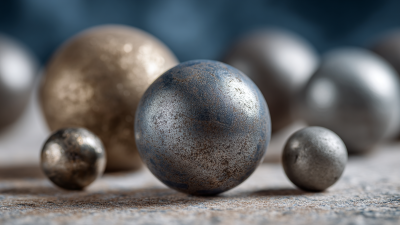
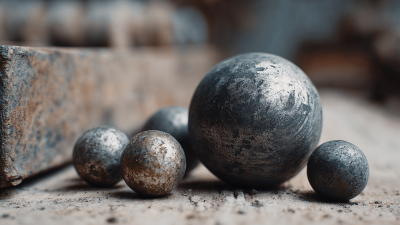
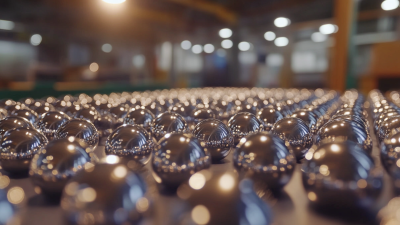
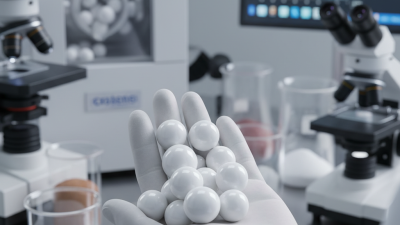
Lately, there's been a pretty noticeable surge in demand for Zirconia Ceramics Balls. It's mainly because of how these materials have become more important in industries, not to mention the growing interest from medical and research folks. I came across a report from Market Research Future that predicts the global market for Zirconia Ceramics will hit around $6 billion by 2025, growing at about 5.5% annually. What’s driving this all? Well, Zirconia Balls are known for their fantastic strength and chemical resilience — basically, they’re super reliable and versatile for tons of different uses.

Dr. Emily Tran, who’s a real expert in advanced ceramics over at Ceramic Innovations Inc., points out that picking the right Zirconia Ceramics Balls is a big deal if you want things to run smoothly. She says, “Choosing the right size, purity, and how they're made can really make a difference in how well your project performs and how long it lasts.” As industries keep changing and evolving, getting a handle on these selection tips can really help you make the most out of these high-quality balls, leading to better results and stronger, more reliable performance in your work. Basically, understanding what to look for can keep you ahead of the game and meet the ever-growing demands of science and industry.
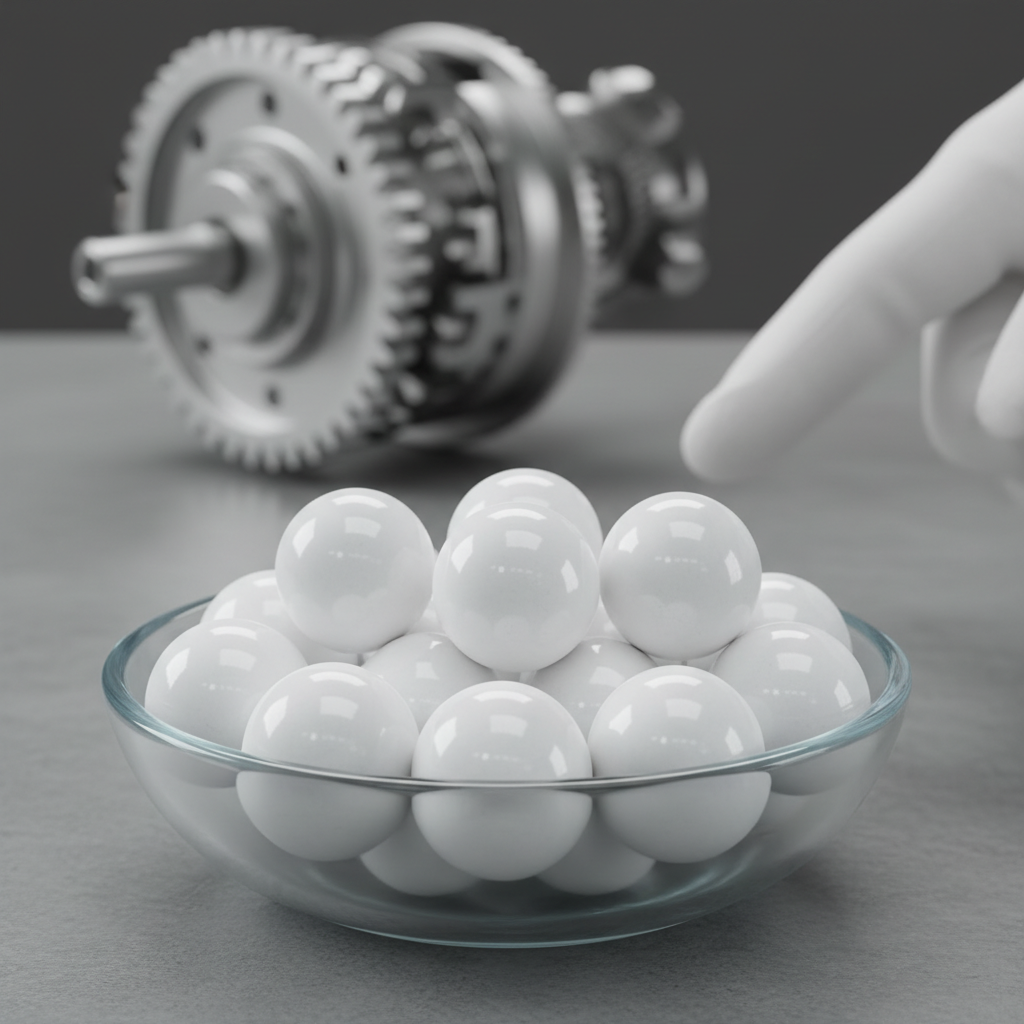
When selecting zirconia ceramics balls for your projects, several critical factors come into play. Primarily, the mechanical properties of zirconia, such as hardness and toughness, should be at the forefront of your decision-making process. According to a report by the International Journal of Advanced Manufacturing Technology, zirconia ceramics show a remarkable hardness of 1200 HV and excellent fracture toughness, making them suitable for high-stress applications. The ability to withstand significant wear and maintain dimensional accuracy is essential, especially in industries that require precise components like aerospace and automotive manufacturing.
Another important aspect to consider is the composition of zirconia ceramics. Different formulations can significantly affect the performance characteristics of the balls, such as thermal stability and chemical resistance. A study by the American Ceramic Society highlighted that adding yttrium oxide to zirconia can enhance its toughness, leading to an increase in longevity under harsh conditions. Furthermore, understanding the specific application environment, including temperature fluctuations and exposure to corrosive substances, will help in selecting the appropriate zirconia type for optimal performance. By focusing on these factors, you can ensure that the zirconia ceramics balls you choose will meet the demands of your projects effectively.
When selecting zirconia ceramic balls for your projects, it's crucial to understand the different types available on the market. Zirconia ceramics are widely recognized for their exceptional hardness, wear resistance, and chemical stability, making them suitable for various applications, including grinding media and dental products. At Pingxiang Baitian (Ball-tec) New Materials Co., Ltd., we offer a diverse range of zirconia ceramics, each tailored to meet specific performance requirements. Our offerings include micro crystalline grinding media, which provide superior efficiency in milling processes and enhance the quality of finished products.
In addition to grinding media, our zirconia ceramics are also advantageous in bio-dental applications due to their biocompatibility and aesthetic appeal. For those involved in advanced technologies, our high-purity zirconia powder is ideal for solid fuel cells and 3D printing, where material integrity and precision are paramount. By familiarizing yourself with the various types of zirconia ceramic balls and their unique attributes, you can make informed decisions that will significantly impact the success of your projects.
| Type of Zirconia Balls | Density (g/cm³) | Hardness (HV) | Typical Applications | Color |
|---|---|---|---|---|
| Yttria-Stabilized Zirconia (YSZ) | 6.0 | 1200 | Dental restorations, cutting tools | White |
| Partially Stabilized Zirconia (PSZ) | 5.9 | 1100 | Industrial applications, heat resistant components | Cream |
| Fully Stabilized Zirconia (FSZ) | 6.1 | 1500 | Biomedical implants, high wear resistant applications | White to off-white |
| Zirconia Toughened Alumina (ZTA) | 3.6 | 1150 | Ceramic bearings, cutting tools | Gray |
When evaluating the durability and performance of zirconia ceramics balls, several key factors come into play. First, it is essential to understand the intrinsic properties of zirconia, such as its remarkable hardness and wear resistance. These attributes make zirconia ceramics an ideal choice for high-stress applications, where material failure can lead to significant operational downtimes. By examining the specific types of zirconia used, such as partially stabilized zirconia (PSZ) or fully stabilized zirconia (FSZ), one can better assess their suitability for various projects.
Moreover, the manufacturing process plays a crucial role in determining the performance characteristics of zirconia ceramics balls. High-quality sintering techniques can enhance the structural integrity and dimensional stability of the balls, which are vital for ensuring consistent performance in applications like bearings, valves, and milling media. Evaluating a supplier's production methods and quality control measures can provide insights into the reliability and longevity of the products, ultimately influencing project outcomes. Thus, a thorough analysis of both material properties and manufacturing processes is essential for selecting the right zirconia ceramics balls for your specific needs.
When selecting zirconia ceramics balls for your projects, the balance between cost and quality is paramount. While it may be tempting to opt for the least expensive option, investing in higher-quality zirconia ceramics can yield significant long-term benefits. High-quality zirconia balls typically offer superior durability, better wear resistance, and enhanced performance in various applications, especially in demanding environments like those found in the medical industry.
One essential tip is to assess the properties of the zirconia ceramics balls, such as hardness and toughness. These characteristics directly influence their performance and longevity. Additionally, consider the manufacturing process, as advanced techniques can enhance the quality and consistency of the product. It’s also wise to request samples before committing to a bulk purchase; this allows for hands-on evaluation fitting your project's specific requirements.
Lastly, don’t overlook the importance of supplier reputation. A reputable supplier often provides not only a high-quality product but also additional support and resources, aiding in making a well-informed decision. By carefully weighing these factors, you can choose zirconia ceramics balls that effectively align with your project's needs while maintaining a balanced approach to cost and quality.
When it comes to sourcing zirconia ceramic balls for your projects, understanding your specific requirements is crucial. Consider factors such as the intended application, required diameter, and tolerance levels. High-purity zirconia is essential for achieving optimal performance, so ensure you inquire about the material specifications from suppliers. Additionally, it’s beneficial to ask for samples to evaluate the quality and suitability for your application before making a bulk purchase.
Establishing a relationship with reputable suppliers can significantly streamline your purchasing process. Spend time researching potential vendors, focusing on their experience, customer reviews, and quality certifications. Engaging in conversations to discuss your needs and any customization options can lead to better products tailored to your specific applications. Don't hesitate to compare quotes and lead times from multiple sources to ensure you are making a well-informed decision.
When working with zirconia ceramic balls in various applications, proper maintenance is crucial for ensuring their longevity and optimal performance. Zirconia ceramics have been proven to exhibit outstanding mechanical properties, such as high toughness and hardness, which can significantly enhance the efficiency of machinery and equipment. According to a study by the International Journal of Advanced Manufacturing Technology, zirconia ceramics can withstand temperatures exceeding 1000°C, making them suitable for high-temperature applications. However, without appropriate care, their lifespan can be compromised.
To maintain zirconia ceramic balls effectively, it is essential to clean them regularly to remove any contaminants. Ultrasonic cleaning is recommended as it gently cleans without damaging the surface. Additionally, it's important to store these balls in a controlled environment to prevent any exposure to humidity, which can lead to degradation. The Materials Science and Engineering Reports have shown that ceramic materials such as zirconia benefit from consistent environmental conditions, as fluctuating temperatures can induce stress fractures. Implementing these maintenance strategies not only prolongs the life of zirconia ceramic balls but also enhances their performance in various industrial applications.
: When selecting zirconia ceramics balls, consider the balance between cost and quality. Assess properties like hardness and toughness, and evaluate the manufacturing process. Additionally, request samples before making bulk purchases and pay attention to the supplier's reputation.
Investing in high-quality zirconia ceramics balls can yield significant long-term benefits, including superior durability, better wear resistance, and enhanced performance, particularly in demanding environments like the medical industry.
To maintain zirconia ceramics balls, clean them regularly to remove contaminants, preferably using ultrasonic cleaning. Additionally, store them in a controlled environment to prevent humidity exposure, which can cause degradation.
Zirconia ceramics exhibit high toughness and hardness, which significantly enhance the efficiency of machinery and equipment. They can also withstand high temperatures exceeding 1000°C, making them suitable for challenging applications.
Ultrasonic cleaning is recommended because it effectively removes contaminants without damaging the surface of the zirconia ceramic balls.
Fluctuating temperatures can induce stress fractures in zirconia ceramics, so maintaining consistent environmental conditions is essential for their longevity.
A reputable supplier is likely to provide high-quality products and offer additional support and resources, helping you make a well-informed decision.
Yes, it is advisable to request samples prior to committing to a bulk purchase to evaluate whether they meet your project's specific requirements.
Implementing proper care and maintenance strategies not only prolongs the life of zirconia ceramic balls but also enhances their performance across various industrial applications.
Yes, zirconia ceramics can withstand temperatures exceeding 1000°C, making them well-suited for high-temperature applications.
In "10 Essential Tips for Choosing Zirconia Ceramics Balls for Your Projects," the article provides crucial insights into selecting the most suitable zirconia ceramics balls for various applications. Key factors to consider include the specific application requirements, types of zirconia ceramics balls available, and their durability and performance. Understanding the trade-off between cost and quality is essential for making informed purchasing decisions. Additionally, the article offers practical tips on sourcing and purchasing these materials effectively, as well as guidance on maintaining and caring for zirconia ceramics balls to ensure optimal performance in your projects.
At Pingxiang Baitian (Ball-tec) New Materials Co., Ltd., we specialize in high-tech ceramic solutions, including zirconia ceramics balls. Our focus on R&D and production of high-purity zirconia powder positions us as a trusted partner for businesses seeking quality grinding media and advanced ceramic materials for a variety of applications.