Pingxiang Baitian New Materials Co., Ltd

Leave Your Message
When you're trying to pick the right zirconia ball for your project, it’s really important to understand what makes zirconia special. Here at Pingxiang Baitian (Ball-tec) New Materials Co., Ltd., we're a high-tech company passionate about developing, making, and selling advanced materials. We mainly focus on high-purity zirconia and alumina microcrystalline ceramic grinding media, but our expertise doesn't stop there. Zirconia balls are pretty amazing—they’re super tough, resistant to chemicals, and wear down very slowly. That’s why they’re used in all sorts of industries, from dental work to cutting-edge manufacturing techniques like 3D printing and solid fuel cells. In this blog, I’ll walk you through seven key tips to help you pick the perfect zirconia ball for your specific needs. Trust me, choosing the right one can make a real difference in how well your application performs and lasts over time.
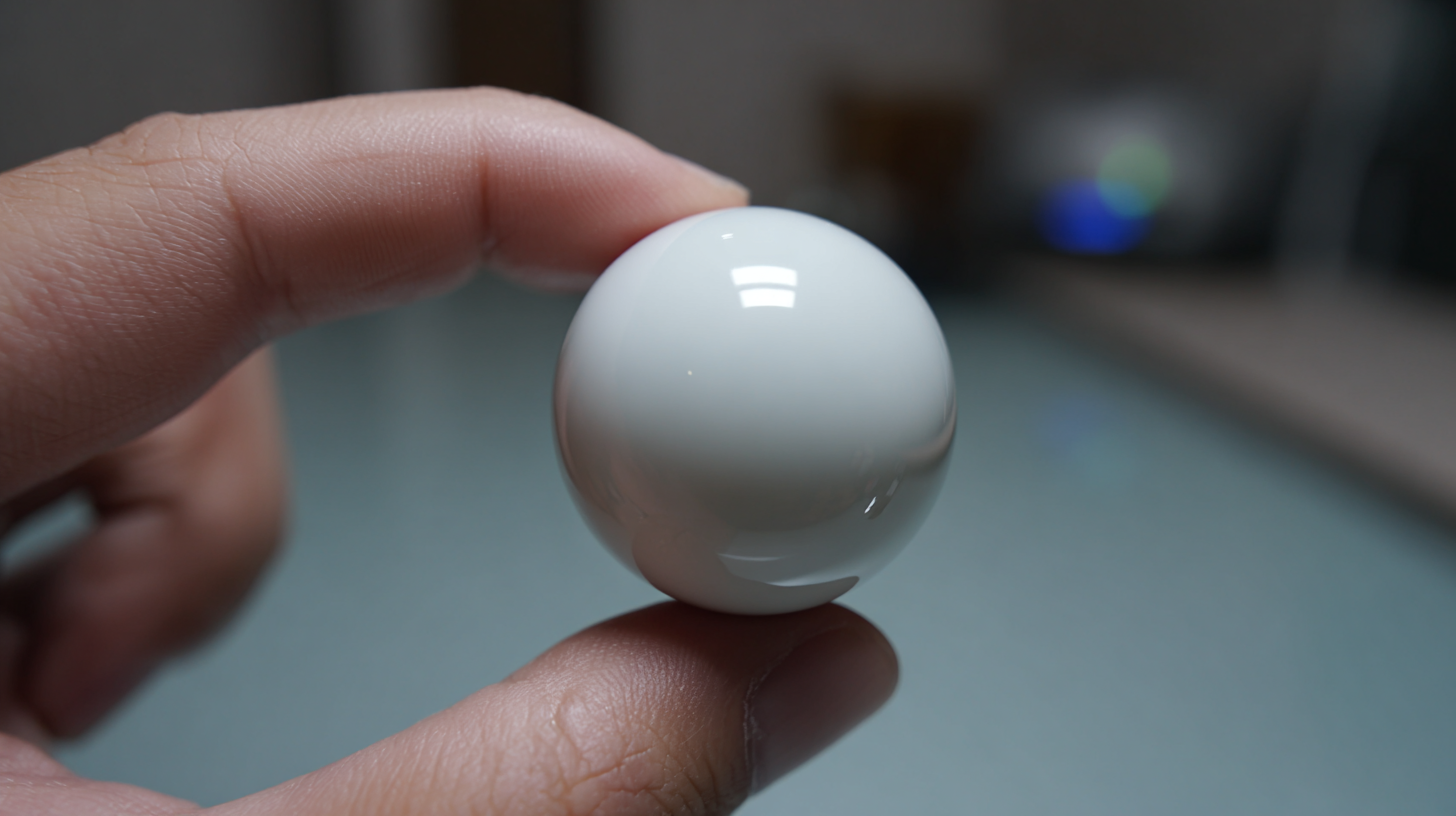
Zirconia balls are pretty vital in a bunch of industrial settings these days thanks to their impressive features — like being really hard, resistant to wear, and chemically stable. These qualities make them absolutely essential for grinding and milling tasks, especially in industries like ceramics, pharmaceuticals, and materials science. When you're picking out zirconia balls for a specific job, it’s good to keep these properties in mind because they can really help boost productivity and make manufacturing smoother.
At Pingxiang Baitian (Ball-tec) New Materials Co., Ltd., we’re passionate about developing and producing high-purity zirconia products. Our zirconia grinding media are designed to deliver top-notch performance across various applications — from dental materials to solid fuel cells. As a high-tech company focused on R&D, we’re always working on innovative solutions to meet the tough demands of today’s industries. Choosing the right zirconia balls can really help businesses run more efficiently and also extend the life of their equipment, which is a Win-Win all around!
Zirconia (ZrO2) bearing balls have emerged as a revolutionary component in high precision engineering, primarily due to their remarkable properties that outperform traditional steel balls. With a significantly lower density, zirconia balls lighten the load during operation, thereby reducing rolling resistance and wear in the bearing channels. Their hardness, which is superior to that of steel, ensures enhanced durability and longevity in applications where precision and reliability are non-negotiable.
Moreover, zirconia’s smooth surface minimizes the friction coefficient, allowing for smoother operation and improved energy efficiency. This feature is particularly beneficial in high-speed applications, where heat generation can lead to premature failure in conventional bearings. Notably, zirconia's coefficient of thermal expansion is merely one-quarter of that of steel, enabling it to sustain substantial temperature fluctuations without compromising performance. This resilience makes zirconia balls an ideal choice for applications exposed to harsh environments and extreme temperatures.
Importantly, zirconia’s inherent resistance to rust and corrosion eliminates the need for lubricating oils, addressing maintenance challenges associated with steel balls. According to industry reports, the increasing adoption of zirconia balls in slide rails and ceramic bearings has been driven by these advantages, significantly enhancing operational efficiency in sectors such as aerospace, robotics, and precision machinery. As high precision engineering continues to evolve, the benefits and applications of ZrO2 zirconia bearing balls are becoming indispensable.
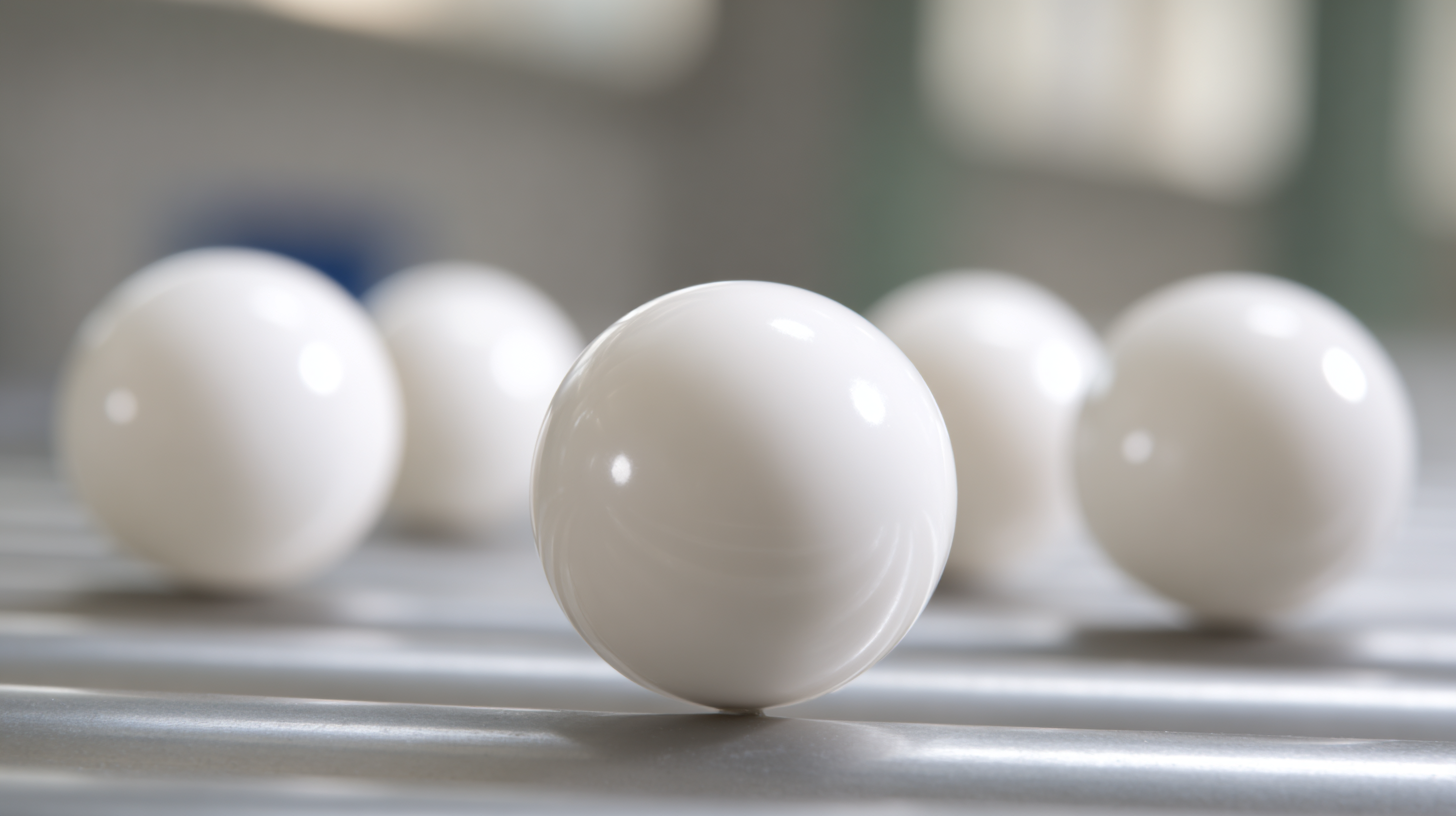
: Zirconia balls are high-purity spherical media that exhibit exceptional properties such as high hardness, wear resistance, and chemical stability, making them crucial in grinding and milling processes across various industries including ceramics, pharmaceuticals, and materials science.
Industries such as bio-dental applications, solid fuel cells, aerospace, and automotive engineering benefit from the use of zirconia grinding media due to their durability and performance characteristics.
Zirconia balls vary in composition, density, and hardness. Considerations include the specific performance qualities needed for your application, such as toughness, thermal stability, and wear resistance, which can differ among types like yttria-stabilized zirconia and tetragonal zirconia.
Methods such as precision grinding and polishing improve the surface finish of zirconia balls, reducing friction and wear. Choosing the right manufacturing process can greatly affect the overall effectiveness of the zirconia balls in their intended applications.
Zirconia balls can achieve a hardness of 1200 HV, significantly outperforming traditional steel balls, which average around 800 HV. This superior hardness contributes to a longer service life and reduced downtime in precision applications.
Zirconia offers excellent chemical resistance and stability across a pH range of 2 to 11, making it suitable for corrosive environments, while plastic alternatives may degrade under similar conditions, limiting their usability and lifespan in demanding applications.
Yes, by utilizing high-quality zirconia balls, businesses can enhance productivity and efficiency in their manufacturing processes, leading to improved operational effectiveness and longevity of equipment.
Partially stabilized zirconia provides a balance between toughness and thermal insulation, making it suitable for applications like cutting tools and bearings where both properties are critical for performance.
The excellent chemical stability of zirconia balls ensures consistent performance in harsh environments, allowing them to withstand corrosive substances without degrading, which is essential for high-performance sectors like aerospace and biomedical engineering.
When you're trying to pick the right zirconia ball for your industrial needs, it really helps to understand why it matters. Zirconia balls are known for being super tough and resistant to chemicals, so they’re used in all sorts of industries — from grinding media to dental applications. In this blog, I’ll walk you through the different types of zirconia balls and what makes each one special, so you can figure out what to look for when choosing. We’ll also compare zirconia balls to other materials, weighing the costs and benefits, especially if you’re working on a tight budget.
At Pingxiang Baitian (Ball-tec) New Materials Co., Ltd., we focus on high-purity zirconia products that deliver top performance. By sharing real-world examples where the right zirconia ball really made a difference, I hope to give you some helpful insights — making it easier for you to make smart choices for your projects.