Pingxiang Baitian New Materials Co., Ltd

Leave Your Message
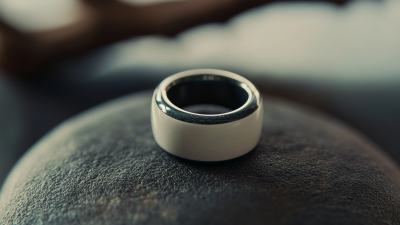
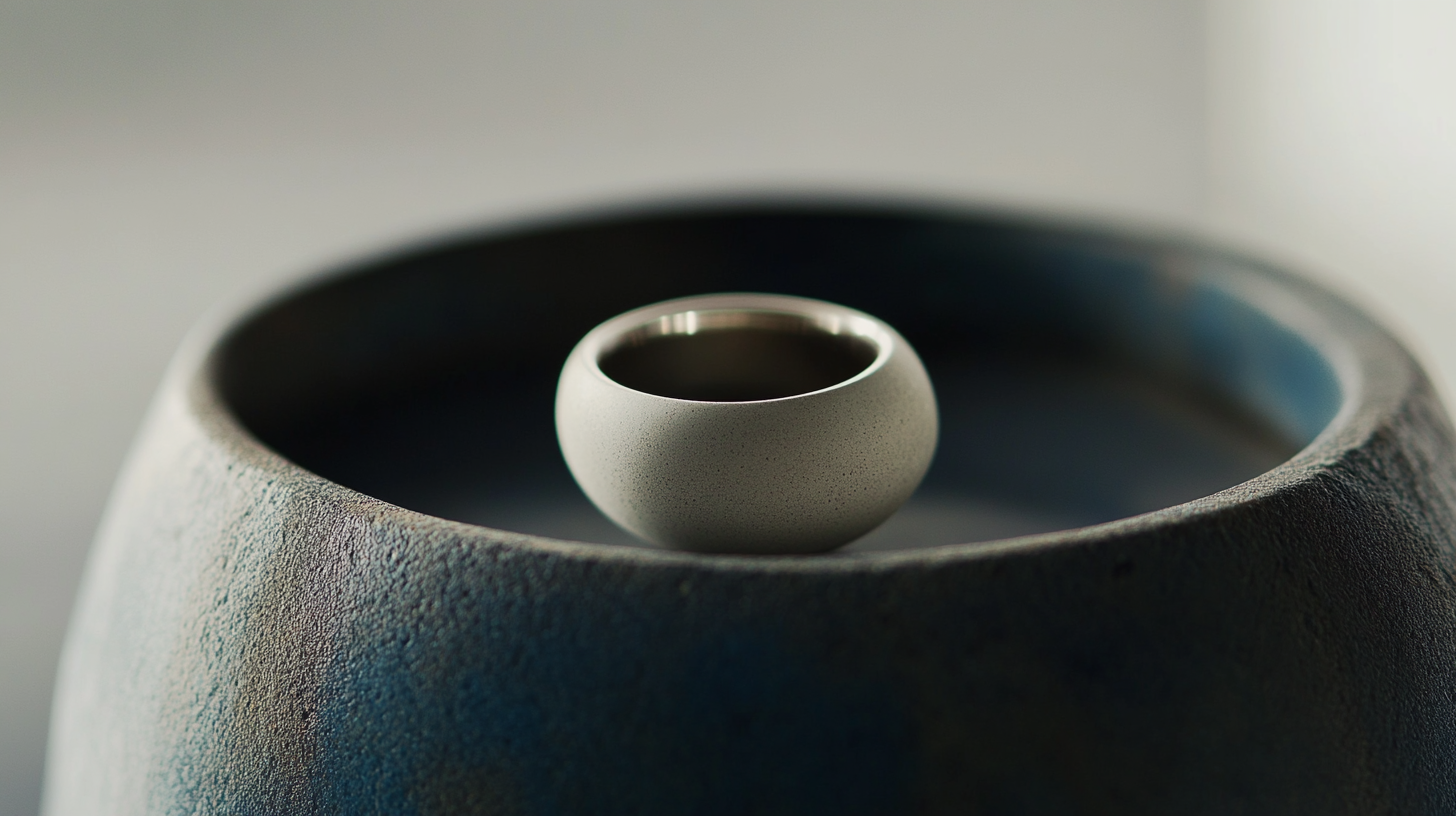
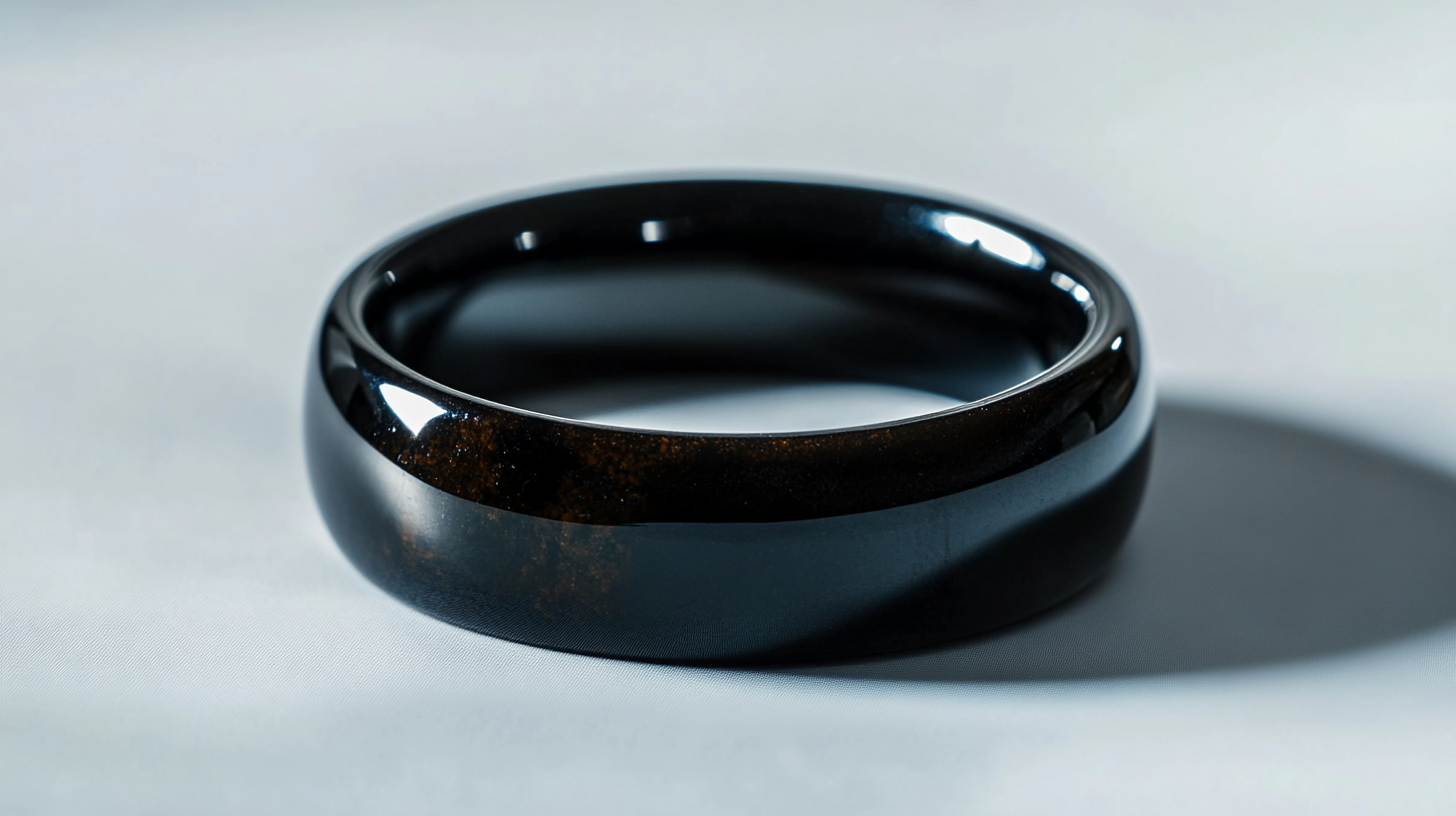
 The Ceramic Ring market is poised for significant transformation by 2025, driven by emerging trends in technology and innovation. According to recent industry reports, the global ceramic materials market is expected to reach USD 300 billion, with advanced applications in various sectors including electronics, healthcare, and automotive. Companies like Pingxiang Baitian (Ball-tec) New Materials Co., Ltd. are at the forefront of this evolution, leveraging their expertise in zirconia and alumina microcrystalline ceramic grinding media, and high-purity zirconia powders. The rising demand for durable and lightweight ceramic components is influencing the design and production of Ceramic Rings, particularly in bio-dental and solid fuel cell applications.
As businesses adapt to these changes, understanding the latest trends will be crucial for stakeholders aiming to seize new opportunities within this dynamic market landscape.
The ceramic ring market is poised for significant transformation in 2025, driven by innovative technologies that are revolutionizing the production process. Advances in 3D printing techniques are at the forefront, enabling complex designs and customizations that were previously unattainable. This method not only accelerates the manufacturing timeline but also greatly reduces waste, making the production of ceramic rings more sustainable. Companies like Pingxiang Baitian (Ball-tec) New Materials Co., Ltd. are leveraging these advancements to produce high-quality zirconia and alumina micro crystalline ceramic grinding media, enhancing the durability and performance of ceramic products.
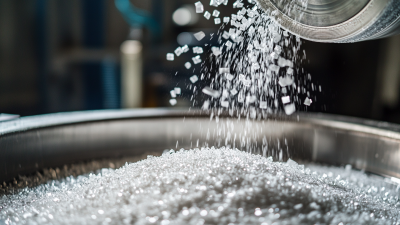
Moreover, breakthroughs in high-purity zirconia powder production are redefining the standards in the ceramic industry. The integration of advanced materials in the manufacturing process ensures that the ceramic rings exhibit superior strength and resilience, catering to the increasing demands of various applications, including bio-dental and solid fuel cells. By focusing on research and development, Pingxiang Baitian (Ball-tec) is at the helm of these emerging technologies, positioning itself as a leader in the ceramic ring market while contributing to the evolution of production methodologies.
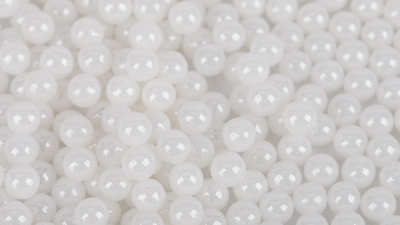
ZrO2 zirconia ceramic ball beads have emerged as a remarkable solution for achieving superior surface finishes across various products, as highlighted by recent industry reports. With sizes typically ranging from 1mm to 3mm, these beads are meticulously designed for optimal polishing performance, allowing for the effective polishing of items such as wheels, hardware, medical equipment, jade, rings, and exquisite gold and silver jewelry. Industry data reveals that the mirror polishing process is significantly enhanced when using zirconium beads, which are crucial for meeting high abrasive surface finish requirements. Imperative to this is the need for a smooth abrasive surface that minimizes the risk of scratching during the polishing process, positioning zirconia beads as an indispensable tool in modern manufacturing and jewelry crafting.
The effectiveness of zirconium beads lies in their ability to eliminate manual polishing procedures, making them a time-efficient alternative for many industries. During the polishing process, these beads are agitated in a roller barrel alongside polishing liquids, generating impressive brightness in the jewelry while ensuring a consistent finish. Reports indicate that this method not only saves time but also results in a more uniform surface texture, ultimately enhancing the aesthetic and functional quality of the polished items. As companies increasingly integrate this technology, the demand for high-quality zirconia ceramic ball beads continues to soar, underlining their pivotal role in advancing polishing techniques across various sectors.
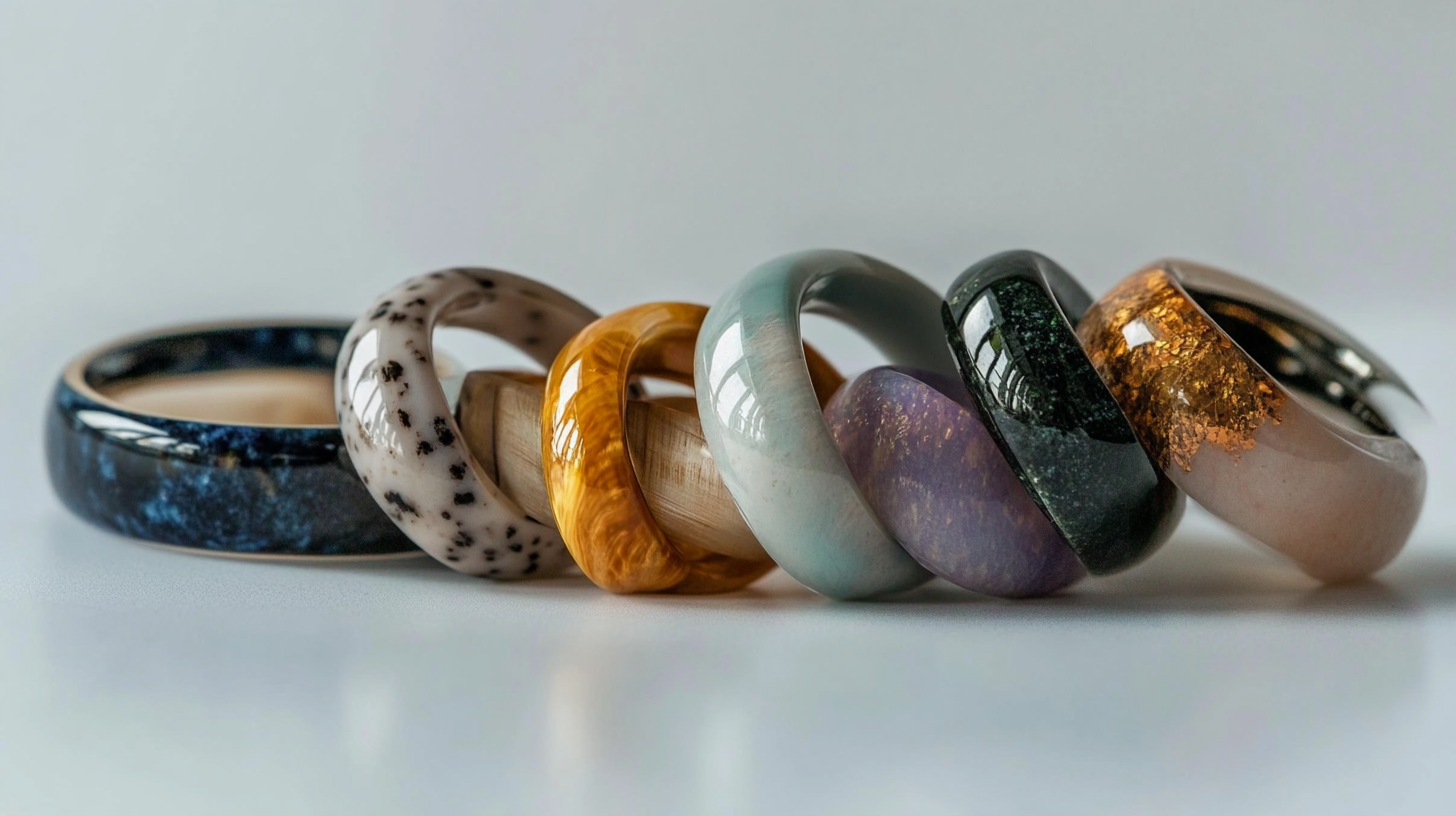
: The primary factors include consumers seeking personalization, durability, quality, and pieces that convey their individuality, leading designers to explore various colors, finishes, and textures.
Brands are encouraged to offer personalization options such as allowing customers to choose colors and incorporate engravings that hold personal significance, as well as providing limited-edition designs.
Sustainability is increasingly important, with manufacturers utilizing eco-friendly materials and ethical production practices to attract consumers who prioritize environmental responsibility alongside style.
Manufacturers are adopting innovative recycling technologies to efficiently utilize raw materials, reducing waste, and embracing ethical sourcing practices to minimize environmental degradation.
Key players focus on product differentiation through advanced technology, partnerships for resource pooling, and developing unique, high-quality products that reflect consumer preferences.
Consumers increasingly favor products made with eco-conscious methods, prompting brands to adopt sustainable practices and align their marketing strategies with these values, driving market growth.