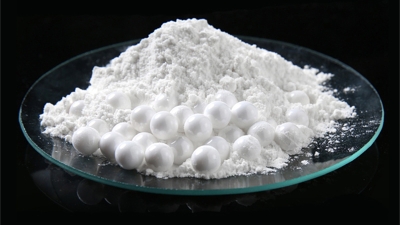
Hey there! You know, in today's fast-paced industrial world, the need for top-notch materials is really hitting a new high. One material that's definitely turning heads is Alumina Ceramic Powder. It's got this awesome mix of durability, thermal stability, and is super versatile for all kinds of applications.
 At Pingxiang Baitian (Ball-tec) New Materials Co., Ltd., we’re all about researching, producing, and selling advanced ceramic materials, like zirconia and alumina micro crystalline ceramic grinding media. We pride ourselves on being innovative and hitting the mark on quality, so you can count on us as a solid partner for a bunch of industries—from bio-dental stuff to solid fuel cells and even 3D printing! So, in this blog post, we’re diving into seven really convincing reasons why investing in top-quality Alumina Ceramic Powder is a game changer for your industry and how it can seriously boost your production processes and product quality.
The Role of Alumina Ceramic Powder in Enhancing Material Durability and Performance
You know, alumina ceramic powder is pretty crucial in a bunch of different industries, mainly because it has some really outstanding properties that boost both durability and performance. When you add alumina to composite materials, it really cranks up their strength and hardness, which is super important in places where wear and tear are a big deal. Think about sectors like aerospace, automotive, and electronics—they’re all taking advantage of alumina because it can handle really extreme conditions, like high temperatures and even corrosive environments. By including alumina ceramic powder in their products, manufacturers can not only make stuff that lasts longer but also cut down on maintenance costs.
Plus, one of the cool things about alumina ceramic powder is how versatile it is! Manufacturers can tweak the particle size and composition to create custom formulations that fit specific needs really well. This means they can boost thermal stability and improve electrical insulation, which is a game-changer when it comes to developing advanced materials. These materials can hold up under tough conditions and that’s what really helps enhance product performance and keep customers happy. As industries keep pushing the envelope, using alumina ceramic powder is definitely a big part of crafting high-performance materials that tackle the challenges of today’s engineering world.
Comparative Analysis: Alumina vs. Other Ceramic Materials in Industrial Applications
So, when you start looking at alumina and how it stacks up against other ceramic materials in the industrial world, there are a few key things to think about, like mechanical strength, durability, and thermal stability. You see, alumina, which is just aluminum oxide in fancy terms, really shines because of its amazing hardness and resistance to wear. This makes it pretty much the go-to choice for high-performance components. Now, sure, materials like zirconia have that edge when it comes to toughness, but alumina composites usually find that sweet spot, especially in tough environments—think ceramic turbine rotors that handle insane temperatures and pressures.
But that's not all! One of the coolest things about alumina ceramic powder is how versatile it is. It works with a bunch of different manufacturing processes, including the trendy additive manufacturing techniques. As industries keep pushing the envelope and looking for ways to step up their product game, alumina ceramics are really gaining traction. Why? Because they can be customized for specific needs. This flexibility, along with the latest advancements in ceramic matrix composites, makes alumina a key player in crafting lighter, stronger, and more efficient parts across all sorts of fields—like aerospace and automotive. Pretty exciting stuff, right?
Comparative Analysis of Alumina vs. Other Ceramic Materials in Industrial Applications
Cost-Effectiveness of Using High-Quality Alumina Ceramic Powder in Manufacturing
So, when it comes to manufacturing, one of the biggest factors to keep in mind is cost-effectiveness, right? Well, let me tell you, high-quality alumina ceramic powder is really shaking things up in a lot of industries. It's like a dream come true for manufacturers because it gives them this awesome blend of durability and affordability. This stuff not only makes the production process smoother but can also help cut costs in the long run since it’s super tough and lasts a long time. Unlike those traditional materials that need to be swapped out all the time, alumina ceramics can handle some serious wear and tear. This means less liability and way less downtime—who doesn’t want that?
Now, I know what you might be thinking: the starting price for top-notch alumina ceramic powder can be a bit steep. But honestly, the long-term savings really stack up. Think about it—lower maintenance costs and a longer lifespan for your products lead to a better return on investment. Industries like electronics, automotive, and even biomedical have caught onto this and are incorporating this versatile powder into their production lines, which results in some seriously impressive end products that meet high performance standards. In a world where competition is fierce, making the most of high-quality alumina ceramic powder is key for businesses looking to boost their efficiency without sacrificing quality.
Impact of Alumina Ceramic Powder on Production Efficiency and Waste Reduction
Nowadays, in the world of manufacturing, alumina ceramic powder is really becoming a game-changer for boosting efficiency and cutting down on waste. I came across this interesting report from TechSci Research that says the global market for alumina ceramics is expected to hit a whopping $10.4 billion by 2027. That's a lot, and it's all thanks to industries like aerospace, automotive, and electronics, which are really ramping up their demand. What’s cool about alumina ceramics is their awesome properties—think high wear resistance and great thermal stability—both of which really help companies operate more smoothly. By using alumina ceramic powder in their production, businesses can actually reduce downtime and crank up their output, which means they’re saving money on wear and tear of their machinery.
But the benefits don’t stop there. The environmental side is pretty impressive, too. There’s this study in the Journal of Cleaner Production that found out using alumina ceramics can slash waste generation by around 20%. That’s mainly because it helps companies use raw materials more effectively, which means they end up with way less scrap compared to traditional materials. And let’s not forget, products made with alumina ceramic powder last longer and need replacing less often, making for a more sustainable manufacturing setup. So, it’s clear that alumina ceramic powder not only boosts efficiency but also fits perfectly with global sustainability goals. If industries want to innovate responsibly, this stuff is definitely a must-have.
Exploring the Thermal Properties of Alumina vs. Alternative Ceramic Powders
When you really dive into the thermal properties of alumina ceramic powder compared to other ceramic materials, you can’t help but notice how alumina really shines. It's got this incredible knack for handling super high temperatures without breaking down, which is absolutely crucial in industries like aerospace and automotive. I mean, think about it—parts in those fields have to stand up to some serious heat. Thanks to its impressive thermal stability, alumina keeps its structure and performance intact, making it a go-to choice for anything that needs to resist heat.
Now, on the flip side, a lot of other ceramic powders just don’t keep up with alumina. Sure, some might hold their own when it comes to thermal resistance, but let’s be real—they can crumble under prolonged exposure to high temps, leading to issues like thermal shock or even complete failure. Alumina really excels here too with its strong thermal shock resistance, which is a huge plus for applications where temperatures can change rapidly. So, for industries that prioritize reliability and want their thermal applications to last, alumina ceramic powder is pretty much a must-have.
7 Compelling Reasons Why Best Alumina Ceramic Powder Is Essential for Your Industry
| Property |
Alumina Ceramic Powder |
Alternative Ceramic Powders |
| Thermal Conductivity |
25-30 W/m·K |
10-20 W/m·K |
| Thermal Expansion Coefficient |
7.5 x 10⁻⁶ /K |
8.5 x 10⁻⁶ /K |
| Thermal Stability |
Up to 1700°C |
Up to 1500°C |
| Mechanical Strength (Flexural) |
300-400 MPa |
200-300 MPa |
| Chemical Resistance |
Excellent |
Moderate |
| Cost-Effectiveness |
Higher initial investment |
Lower initial investment |
| Applications |
High-performance parts (aerospace, medical) |
General industrial applications |
Insights on the Market Demand and Trends for Alumina Ceramic Products in Various Industries
You know, there's been a real boom in the demand for alumina ceramic products lately, and it's happening across a bunch of industries! It’s all thanks to their incredible features like high wear resistance, thermal stability, and chemical inertness. A recent report from Market Research Future even suggests that the global market for alumina ceramics could hit a whopping USD 12 billion by 2026, growing at a solid rate of about 6.3% each year between 2020 and 2026. That's pretty impressive, right? This growth is all about how more and more industries, like automotive, electronics, and healthcare, are using these materials because let’s face it—performance and durability really matter.
Take the automotive industry, for example. Right now, there's a huge push for lighter and tougher materials since everyone’s trying to boost fuel efficiency and cut down on emissions. You’ll find alumina ceramics popping up in all sorts of components, like spark plugs, sensors, and wear-resistant surfaces. And there’s more—according to a report from Technavio, the electronics field is really starting to lean into alumina ceramics for substrates and insulators. Why? Because they’ve got fantastic electrical insulation properties and thermal conductivity. As more industries jump on the innovation bandwagon and prioritize sustainability, the importance of high-quality alumina ceramic powder is only going to grow, making it a key player in future developments.
Harnessing the Power of Nanometer Zirconia Powder: Transforming Applications with Monoclinic Zirconium Oxide
Harnessing the power of nanometer zirconia powder has opened new frontiers across various industries, particularly through its transformation into monoclinic zirconium oxide. With its unique properties, zirconium oxide (ZrO₂) stands out as a versatile material. This white, tasteless, and nontoxic powder exhibits excellent durability and stability, making it highly sought after in numerous applications.
One of the most significant advantages of zirconium oxide is its resistance to corrosion and high temperatures, which is crucial for high-performance refractory materials used in extreme environments. In addition, its application as a raw material for metallic zirconium compounds is paving the way for advancements in areas like aerospace and automotive engineering, where lightweight yet robust materials are paramount. Furthermore, zirconium oxide finds its place in the ceramics industry, enhancing the durability and aesthetic qualities of ceramic products.
As we continue to explore the potential of monoclinic zirconium oxide, its contributions to innovation are boundless. From improving the efficiency of industrial processes to revolutionizing consumer products, the unique properties of zirconium dioxide are transforming applications across the board. With ongoing research and development, the nanometer zirconia powder will likely play an even more critical role in shaping the future of material science and engineering.
FAQS
: Alumina ceramic powder enhances the strength and hardness of composite materials, making them ideal for applications requiring high wear resistance.
Industries such as aerospace, automotive, and electronics benefit from alumina's ability to withstand extreme conditions, including high temperatures and corrosive environments.
Incorporating alumina ceramic powder can reduce downtime and increase output, minimizing costs associated with machinery wear and replacement.
Using alumina ceramic powder can lead to a 20% decrease in waste generation by optimizing raw material usage, thus reducing excess scrap.
The global alumina ceramics market is projected to reach USD 12 billion by 2026, growing at a CAGR of 6.3% from 2020 to 2026.
Alumina ceramics are used in automotive components such as spark plugs, sensors, and wear-resistant surfaces to enhance fuel efficiency and reduce emissions.
Manufacturers can adjust the particle size and composition of alumina ceramic powder to enhance properties like thermal stability and electrical insulation.
The exceptional properties of alumina ceramic powder, such as high wear resistance and thermal stability, make it pivotal for developing high-performance materials and promoting sustainability initiatives.