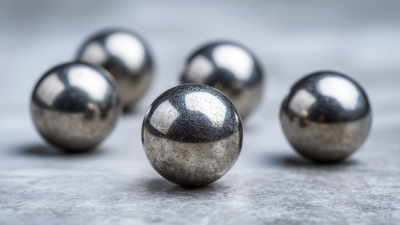
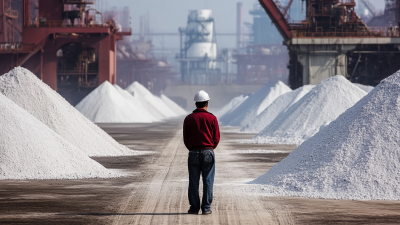
When it comes to industrial applications, how well packing solutions work can really make a huge difference in streamlining processes and boosting productivity. Among all these options, Metal Packing stands out as a key player, offering solid, reliable solutions across a bunch of different sectors. As industries continue to push for better operational efficiency, it’s super important to get a good grip on the various types of Metal Packing and the perks they bring.
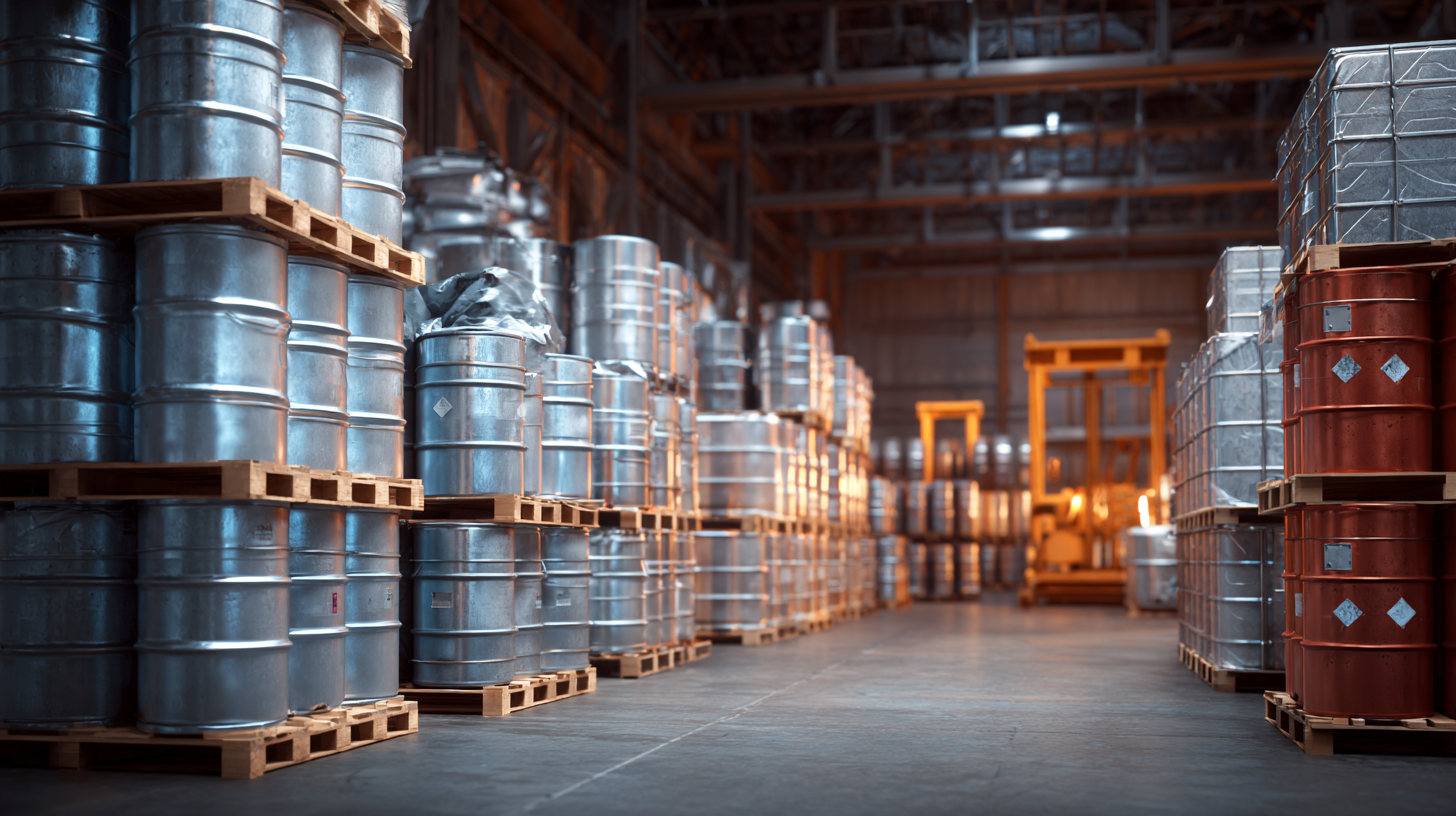
Companies like Pingxiang Baitian (Ball-tec) New Materials are leading the charge here, providing cutting-edge materials that are crucial for things like zirconia and alumina microcrystalline ceramic grinding, bio-dental applications, solid fuel cells, and even 3D printing. In this blog, I’ll walk you through a detailed comparison of different Metal Packing options, highlight some top strategies tailored for various industry needs, and share how innovative companies like Pingxiang Baitian are really shaping the way packing technology evolves.
Overview of Metal Packing Solutions in Industrial Settings
Metal packing solutions are pretty essential in a bunch of industrial settings, mainly because they’re tough and really good at containing and moving materials around. Whether you’re dealing with chemical processing, oil & gas, or pharmaceuticals, options like structured or random packings actually offer some pretty big perks. Industry reports suggest that the global market for metal packing is expected to grow about 5% each year — which just shows how much people want more efficient packing solutions these days.
When you’re trying to pick out the right metal packing for your setup, it’s important to think about what your specific needs are. For instance, structured packings are often better if you’re doing high-efficiency separation work because they boost mass transfer and help keep pressure drops down. On the other hand, random packings might be the way to go if you need something more flexible and easier to install.
Pro tip: Make sure to check that the packing materials will play nicely with your process fluids to avoid corrosion and help them last longer. Also, don’t forget – regular maintenance and inspections can really save you headaches down the line by preventing downtime and keeping things running smoothly, which can actually save you quite a bit of cash in the long run.
Common Challenges Faced with Metal Packing Types
Metal packing solutions are really common in all sorts of industries, mainly because they’re tough and get the job done efficiently. But, honestly, they’re not perfect and come with their own set of challenges that can affect how well they work. For starters, corrosion is a biggie—especially in tough environments. You’ve gotta choose the right type and treat these packings properly to prevent rust and other corrosive issues, or else they might fail too soon or just not perform as they should.
Another tricky part is getting a good seal. Different kinds of metal packings have different sealing abilities, and that can really change depending on things like temperature swings or pressure changes. Making sure they fit just right and stay sealed over time isn’t always a walk in the park—it often means regular upkeep and monitoring, which adds to the costs. Plus, installing these can be kinda complicated. You need some know-how and experience to do it right, so you don’t end up misaligning things and messing up the whole function.
All in all, while metal packing solutions are pretty great and have lots of advantages for industry use, tackling issues like corrosion, sealing problems, and tricky installations is key if you want to get the most out of them and keep everything running smoothly.
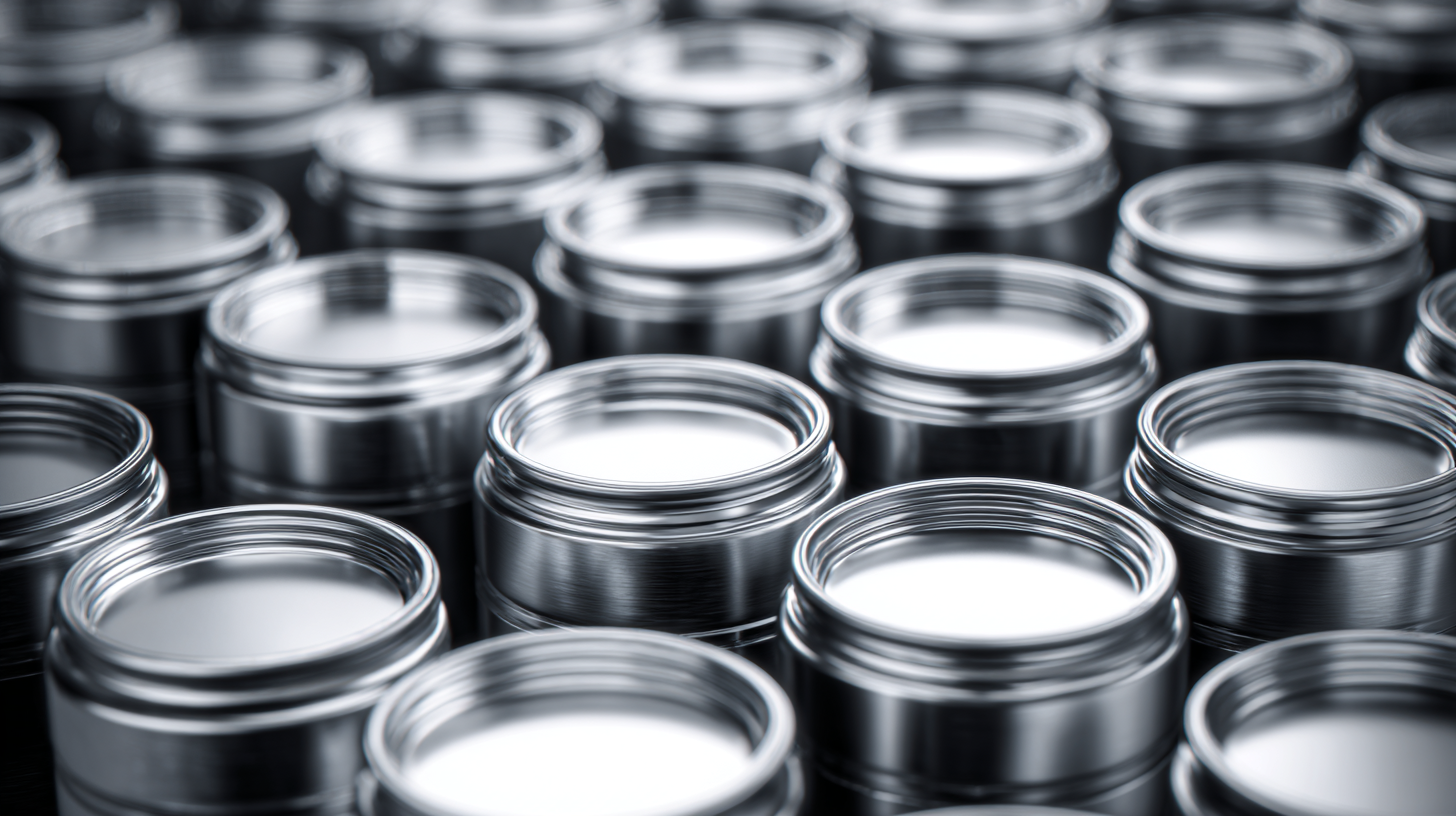
Comparison of Different Metal Packing Materials and Their Issues
When you're looking into metal packing options for industrial use, it’s pretty important to compare different types to really get a sense of what makes each one tick—and what common issues they might bring along. For example, stainless steel is a big favorite because it’s super resistant to rust and quite strong. In fact, about 70% of industries actually go for stainless steel because it holds up well in tough environments. That said, it’s not perfect—stress corrosion cracking can be a real pain, especially if the environment’s hot and full of corrosive stuff.
On the flip side, there's carbon steel. It's usually cheaper, no doubt about that, but it tends to rust and break down faster when exposed to corrosive conditions. Over time, that can mean more maintenance headaches and costs. A recent report from the International Journal of Industrial Chemistry mentioned that over 60% of sites using carbon steel packing saw performance really drop within the first six months, mainly because of corrosion issues. Plus, these days, there are some fancy new metal alloys hitting the market. They often offer better mechanical strength, but they can also be trickier to install because they might require special handling to avoid new kinds of failures.
So, as companies push for smoother, more efficient operations, really understanding these material quirks is key to picking the right metal packing for the job.
Impact of Environmental Factors on Metal Packing Performance
When you're looking into metal packing solutions for industrial settings,
it's really important to keep in mind how different environmental factors can play a big role in how well they perform.
Things like temperature swings,
humidity levels, or exposure to corrosive materials
can all mess with the integrity and efficiency of those packing materials.
For example, high temperatures might cause the materials to expand and even deform, which could mess up their sealing ability.
On the flip side, too much humidity can lead to rust and corrosion over time because it promotes oxidation.
Plus, these environmental conditions don't just affect the materials—they also influence which type of
metal packing you should pick. If your industry operates in really corrosive environments,
you’ll want to go for materials that have excellent resistance, maybe ones with special coatings or certain alloys.
And don’t forget, if there’s a lot of dust or particles around, that can cause wear and tear, meaning
you might need to plan for more frequent maintenance or replacements.
Basically, understanding how these environmental factors interact with your packing solutions
can really help you make smarter choices—so everything keeps working smoothly and lasts longer.
Cost Implications Related to Various Metal Packing Solutions
When it comes to industrial applications, picking the right metal packing isn’t just about specs — it really impacts your costs and how smoothly things run. There are a bunch of options out there like stainless steel, aluminum, and bronze, each with their own perks and downsides that can have a real effect on your budget. For example, stainless steel might cost more upfront, but it's super durable and resistant to corrosion, so you might end up saving money on maintenance over time. On the flip side, aluminum can look cheaper initially, but you’ve gotta think about whether it’ll last long enough—that could mean more frequent replacements and added costs down the road.
At Pingxiang Baitian (Ball-tec) New Materials Co., Ltd., we totally get how important it is to weigh the costs when choosing your metal packing. Our expertise in high-purity zirconia materials lets us offer some pretty innovative alternatives that boost both performance and savings. By using advanced materials, companies can beef up durability and cut down on downtime, which really translates to a more sustainable and cost-effective production process. In today’s world, where innovation and saving money go hand in hand, making the right material choice really makes all the difference.
Innovative Approaches to Resolve Metal Packing Problems
When we talk about industrial settings, metal packing solutions are pretty crucial—they really help keep things running smoothly and safely. That said, traditional packing methods aren’t perfect; they can face issues like corrosion, not-so-great sealing, and wear and tear over time. To tackle these problems, folks are coming up with some pretty cool new approaches, using advanced materials and smarter designs. For instance, by switching to high-performance alloys and cutting-edge tech, companies are creating metal packing options that are way more durable and can handle rough conditions without breaking a sweat.
One of the most exciting ideas lately is combining metals with polymers to make hybrid materials. This mix not only cuts down on friction but also makes the packing last way longer. Plus, thanks to 3D printing tech, it’s now possible to customize packing designs for specific needs, which seriously boosts sealing performance and can cut down on maintenance costs. All these innovations are paving the way for more reliable, efficient, and cost-friendly metal packing solutions. Overall, they're really changing the game in industrial operations and helping to solve some pretty tough longstanding challenges.
A Comprehensive Comparison of Metal Packing Solutions for Industrial Applications
Maximizing Efficiency: The Benefits of Wear & Heat Resistant Ceramic Structured Packing in Industrial Applications
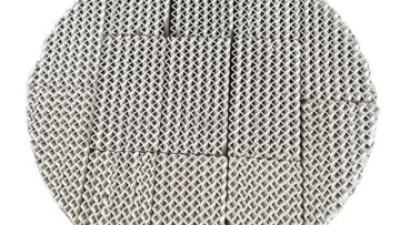
In industrial applications, efficiency and durability are paramount, and this is where wear and heat-resistant ceramic structured packing shines. Made from innovative ceramic materials, this packing is composed of intricately shaped units designed to optimize functionality. The unique hydrophilic properties of ceramic allow the formation of a thin liquid film that facilitates better interaction between liquid and gas flows. This process, combined with the tortuous gas flow pathways within the packing, enhances mass transfer efficiency, making ceramic packing a superior choice for various challenging applications.
One of the standout features of ceramic corrugated packing is its exceptional resistance to corrosion and high temperatures. Unlike traditional metal packing, ceramic packing maintains structural integrity even in harsh environments, reducing the risks of overheating and unwanted chemical reactions such as polymerization and coking. This not only extends the lifespan of the packing but also minimizes downtime and maintenance costs for industrial operations. The wettability properties also promote rapid liquid flow, which minimizes liquid retention and further enhances efficiency. These benefits position ceramic structured packing as a significant innovation in the field, delivering both performance and reliability in demanding industrial scenarios.
FAQS
: Metal packing solutions are utilized for containing and transporting materials in various industrial applications, including chemical processing, oil and gas, and pharmaceuticals.
Structured packings are preferred in high-efficiency separation processes due to their ability to enhance mass transfer and lower pressure drops.
Random packing is more suitable for applications that require flexibility and easy installation.
The global metal packing market is projected to grow by approximately 5% annually.
Industries prefer stainless steel for its excellent corrosion resistance and strength, with about 70% of industries utilizing it due to its durability in harsh environments.
Carbon steel packing tends to rust and degrade faster under corrosive conditions, leading to higher maintenance costs and performance drops within the first six months of operation.
Advanced metal alloys exhibit enhanced mechanical properties but often require specialized installation protocols to address new forms of potential failure.
Businesses can prevent issues by assessing the compatibility of packing materials with process fluids to prevent corrosion and by conducting regular maintenance and inspections.
Regular maintenance and inspections can prevent downtime and enhance performance, leading to cost savings for industrial operations.
Conclusion
In our blog titled "A Comprehensive Comparison of Metal Packing Solutions for Industrial Applications," we really get into what metal packing is all about in the industrial world. The piece highlights just how important these solutions are, but we also chat about some of the usual hurdles folks face when using them. We compare different kinds of metal packing materials, pointing out their unique quirks and how they perform, especially when conditions get a bit tricky.
Plus, we dive into the cost side of things — because let’s be honest, budget matters! It’s not just about finding the most effective solution but also making sure it makes sense financially. We also explore some fresh, innovative ideas that are coming up to solve common problems in metal packing. As companies like Pingxiang Baitian (Ball-tec) New Materials Co., Ltd. keep pushing the envelope with high-purity materials, it’s clear that staying on top of these advancements is key for making industrial processes run smoother and better.