Pingxiang Baitian New Materials Co., Ltd

Leave Your Message
0%

Figuring out which materials are the right fit for your projects can sometimes feel pretty overwhelming. Have you heard about Zirconia Ceramia Balls? They're becoming quite the go-to option in a bunch of different applications. I remember Dr. Emily Carter from Advanced Materials Inc. mentioning once, “Choosing the right ceramic balls is key to making sure your equipment performs well and stays reliable.” It really underscores how important it is to think things through carefully when you're selecting materials.

Now, Zirconia Ceramia Balls actually bring a lot to the table—they’re super durable and resistant to wear and corrosion. That makes them perfect for those really tough environments. But, don’t forget, finding the right supplier is a bit of a challenge. Just because someone promises top-notch quality doesn’t always mean they deliver. Honestly, paying attention to the details can make all the difference—things like the manufacturing process really matter when it comes to how well these balls perform.

And let’s be real—buying Zirconia Ceramia Balls isn’t just about the price tag. It’s more about getting long-term value. Skimping or rushing into a decision could lead to surprises down the line, so it’s worth doing your homework. Take your time, do some research, and really understand what each supplier offers. Every project is different, so there’s no one-size-fits-all approach. It’s totally worth weighing your options and making sure you’re confident before you commit.

How to Choose Zirconia Ceramics Balls for Your Projects?

Understanding Zirconia Ceramics: Properties and Applications

Zirconia ceramics are remarkable materials known for their strength and durability. They exhibit exceptional toughness and hardness, making them ideal for various applications. According to a report by the International Journal of Applied Ceramic Technology, zirconia can withstand temperatures above 1200°C and has a flexural strength as high as 1,200 MPa. These properties make it suitable for industries requiring high performance.

In the dental field, zirconia ceramics are widely used for crowns and bridges. They offer excellent aesthetic qualities along with structural integrity. Studies show that they can last over 15 years in the mouth. However, the cost can be a barrier. Projects using zirconia may need a larger budget, but the longevity often justifies the expense.

Applications also include bearings and valves in the aerospace and automotive sectors. These components frequently face extreme conditions. Zirconia withstands wear better than metals in some cases. Yet, the machining of zirconia can be challenging. Special tools are necessary for precision. This complexity can lead to project delays, reflecting the need for careful planning. Understanding these characteristics will help guide your material choices effectively.

How to Choose Zirconia Ceramics Balls for Your Projects?

Property Description Applications
Density 6.0 g/cm³ Ball bearings, grinding media
Hardness 1400 HV Wear-resistant applications
Thermal Conductivity 2.5 W/mK Insulators, high-temperature applications
Fracture Toughness 5 MPa.m1/2 Structural components, dental applications
Corrosion Resistance High resistance in acidic and alkaline environments Chemical processing, food production

Factors to Consider When Choosing Zirconia Ceramic Balls

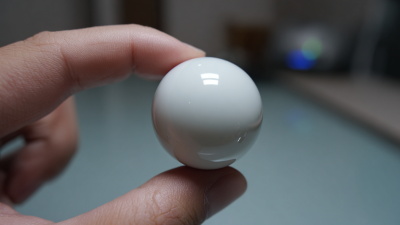
When choosing zirconia ceramic balls, several factors are crucial. The size of the balls is one key consideration. For instance, 10mm Zirconia Beads Zirconia Balls For Grinding are often recommended for specific applications. Smaller balls provide finer grinding, while larger balls result in quicker processing. Assess your project's unique requirements carefully.

Another important factor is the density of the zirconia material. Higher density balls deliver better performance in terms of durability and resistance to wear. However, they might not be suitable for everything. Balance weight with functionality, as lighter options can sometimes be more effective for delicate tasks.

Keep in mind the purity level of the zirconia. Impurities can affect not just performance but also the final product quality. It’s essential to weigh potential benefits against costs. Trial and error may be necessary to find the right balance, leading to unexpected outcomes. Reflecting on previous projects can guide your choice, but be prepared for surprises along the way.

Size and Diameter Selection for Zirconia Ceramic Balls

When choosing zirconia ceramic balls for projects, size and diameter are crucial. The diameter affects performance and stability. Common sizes range from 0.5 mm to 25 mm. Smaller balls provide precise results, while larger ones offer durability. According to industry reports, a diameter of 3-5 mm is often ideal for applications like milling.

Selection also depends on the specific application. In grinding processes, the speed and impact are vital. Zirconia balls come in various densities. Higher density balls typically improve breakage resistance. However, they can be costly. Balancing quality and price requires careful thought.

It's essential to consider how zirconia beads interact with different materials. Some projects might face challenges due to wear or chemical interactions. Analyzing these factors ensures better results. While zirconia balls offer impressive properties, the choice is not always straightforward. Each project will have unique requirements that need reflection and adjustment.

Comparing Different Grades of Zirconia Ceramics

When selecting zirconia ceramics for your projects, it’s crucial to understand the various grades available. Each grade has unique properties suited for specific applications. High-grade zirconia offers exceptional strength and wear resistance. It’s ideal for demanding environments. On the other hand, lower grades can still provide satisfactory performance in less critical applications. A careful assessment can lead to cost-effective solutions.

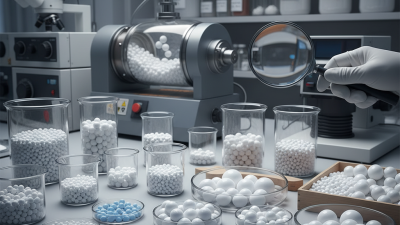
Zirconia Grinding Balls are produced with different formulations. This affects their durability and performance during grinding processes. For instance, toughened zirconia provides enhanced toughness but may sacrifice some hardness. Lower-grade options could wear down quickly under heavy use. The choice often depends on the materials being processed and the desired level of efficiency. It's essential to evaluate these factors to avoid premature failure, which often leads to increased downtime.

Testing and feedback from users can help refine your choice. Gathering data on wear rates and performance under specific conditions is beneficial. Sometimes, initial choices may not meet expectations. Adjusting the selection based on these reflections can lead to improvements. In the end, making an informed decision about zirconia grinding balls is vital for the success of your projects.

Comparison of Different Grades of Zirconia Ceramics Balls

This chart illustrates the flexural strength of different grades of zirconia ceramic balls, which are critical factors to consider when selecting materials for various projects. Higher grades generally offer improved strength, making them suitable for more demanding applications.

Cost-Effectiveness in Selecting Zirconia Ceramic Balls

How to Choose Zirconia Ceramics Balls for Your Projects?

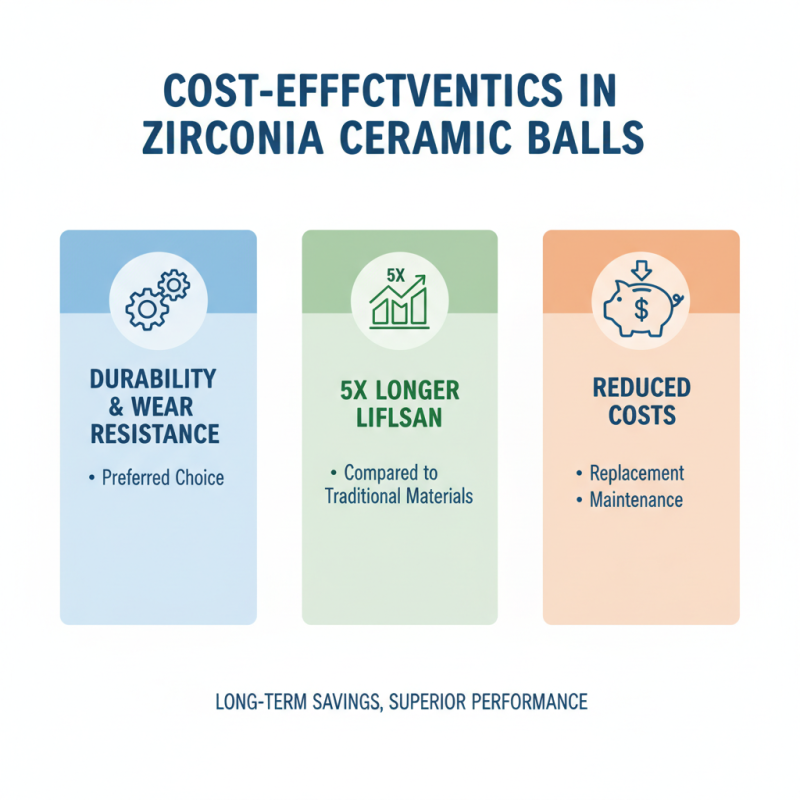
When selecting zirconia ceramic balls, cost-effectiveness is crucial. These balls offer durability and resistance to wear, making them a preferred choice in various industries. Reports indicate that zirconia ceramics can last up to five times longer than traditional materials. This longevity translates into reduced replacement costs and maintenance expenses over time.

However, the initial investment can be high. Some businesses hesitate to choose zirconia balls due to the upfront costs. A study found that while zirconia may be 30% more expensive than alternatives, the long-term savings often outweigh the initial price tag. It's essential to analyze the total cost of ownership, including the expense of downtime and labor in replacing inferior materials.

Additionally, the performance of zirconia balls in specific applications should not be overlooked. Studies show they can improve efficiency in high-speed machinery. This increased efficiency can lead to energy savings and operational cost reductions. When weighing costs, considering the overall performance benefits is vital. As with many materials, the choice between price and quality requires careful thought.

Evaluating Supplier Reliability and Quality Assurance

When selecting zirconia ceramics balls, the reliability of suppliers is crucial. A recent study found that 62% of projects failed due to subpar materials. This highlights the importance of quality assurance measures in the supply chain. Reliable suppliers should have robust testing protocols. Third-party certifications provide additional assurance.

Vetting potential suppliers involves checking their track record. Look for companies with experience in zirconia grinding applications. A reputable supplier will showcase their testing results transparently. Quality control often includes assessing particle size distribution and toughness.

It's essential to consider local versus global suppliers. Local suppliers may offer better communication but could lack in scale. Conversely, global suppliers might have extensive resources but can sometimes skimp on service. Evaluating both options against your specific needs is necessary. Zirconia Grinding Jars With Balls require consistent material quality to ensure project success. Balancing these factors can be challenging but is essential for optimal performance.

Maintenance and Care for Zirconia Ceramic Balls in Projects

How to Choose Zirconia Ceramics Balls for Your Projects?

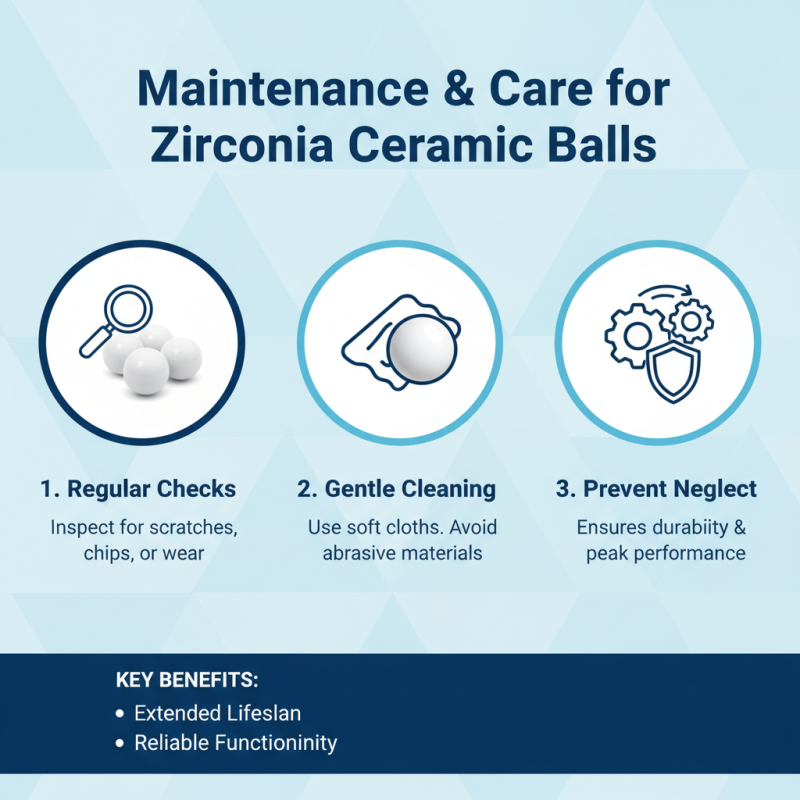
When working with zirconia ceramic balls, maintenance is crucial. Their durability is impressive, but neglect can lead to performance issues. Regular checks for wear and tear are essential. Look for scratches or chips that can impact their function. Clean them with soft cloths to avoid scratches from abrasive materials.

Tips: Use a mild detergent solution for cleaning. Avoid harsh chemicals that could harm the surface. Store them in a dry place. Humidity can degrade their properties over time.

During regular inspections, you might find unexpected issues. Sometimes small cracks can form that aren't visible. If you notice changes in performance, consider replacing the balls. It’s a better choice than taking risks with damaged materials.

Tips: Create a maintenance schedule to ensure consistency. Document any changes over time for better tracking. Adjust your usage based on the findings. Stay proactive about care to extend their lifespan effectively.

Exploring the Benefits and Applications of Ceria Stabilized Zirconia Beads in Advanced Sintering Techniques

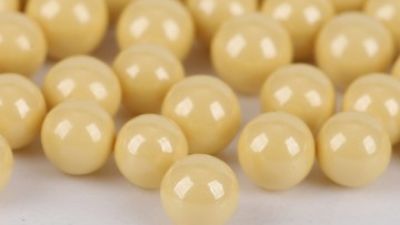
Ceria stabilized zirconia beads, distinguished by their vibrant yellow, brown, or black hues, have emerged as an essential tool in advanced sintering techniques. Their high density and exceptional hardness make them particularly effective for grinding highly viscous materials such as paints, inks, coatings, and adhesives. The unique properties of these beads facilitate efficient dispersion and homogenization, essential for achieving consistent quality in various applications.

In addition to their role in traditional grinding processes, cerium zirconia beads are gaining traction in the realms of non-metallic minerals and rare earth materials processing. Their durability under high-stress conditions allows for longer-lasting performance in mechanical milling operations. This not only enhances productivity but also reduces the frequency of replacements, leading to cost savings in industrial settings. The adaptability of ceria stabilized zirconia beads ensures they meet the rigorous demands of industries focused on innovation and efficiency.

FAQS

: What are zirconia ceramics known for?

: They are known for their strength, durability, toughness, and hardness.

What temperatures can zirconia withstand?

Zirconia can withstand temperatures above 1200°C.

How long do zirconia dental products typically last?

They can last over 15 years in dental applications.

Why might zirconia ceramics be considered expensive?

Their longevity can justify extra costs, but initial investment may be high.

What challenges arise when machining zirconia?

Special tools are needed, and this complexity can lead to project delays.

How to choose the right grade of zirconia?

Assess the specific application to match grade properties with performance needs.

Why is supplier reliability important?

62% of projects fail due to subpar materials; quality assurance is key.

What should be evaluated in potential suppliers?

Their experience, testing protocols, and track record should be checked.

How do local suppliers compare to global ones?

Local suppliers may have better communication, but global ones have extensive resources.

What factors influence the choice of zirconia grinding balls?

Material being processed and desired efficiency impact the decision significantly.

Conclusion

When selecting Zirconia Ceramic Balls for your projects, it's important to understand their unique properties and applications. These balls are known for their high strength, wear resistance, and thermal stability, making them suitable for various industrial uses. Key factors to consider include the size and diameter, which can significantly impact performance, as well as the different grades of zirconia ceramics that may offer varying benefits based on project requirements.

Additionally, cost-effectiveness is crucial when choosing the right Zirconia Ceramic Balls, ensuring you achieve a balance between quality and budget. Evaluating supplier reliability and their quality assurance processes is essential to guarantee you receive top-grade products. Lastly, proper maintenance and care will prolong the lifespan of Zirconia Ceramic Balls, ensuring optimal functionality in your applications.
Liam

Liam

Liam is a dedicated marketing professional at Pingxiang Baitian New Materials Co., Ltd., where he leverages his extensive knowledge of the company's innovative products to drive effective communication and engagement. With a deep understanding of the materials industry, Liam plays a crucial role in......
Previous Advantages of Silicon Nitride Ball Performance and Cost Effectiveness in Maintenance