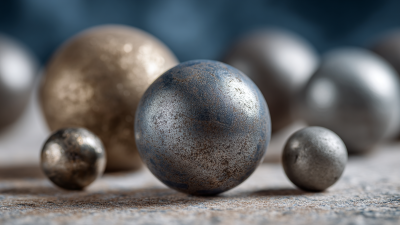
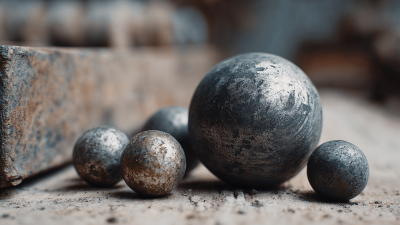
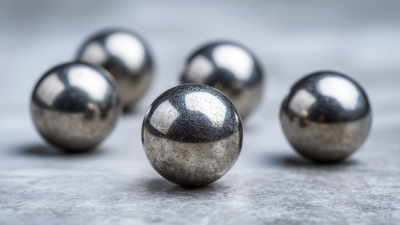
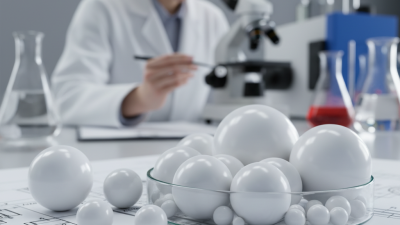
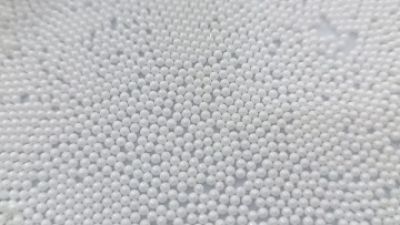
When it comes to advanced materials processing, picking the right ZrO2 grinding ball can really make a big difference in how smoothly things run and the quality of the final product. Zirconia balls are pretty popular because they’re super strong, resistant to wear, and don’t heat up too much during use. That’s why industries like ceramics, pharma, and nanotech rely on them so much. In fact, a report from MarketsandMarkets points out that the global zirconia ceramic market could hit around $15.8 billion by 2025 — showing just how much demand there is for high-performance grinding media across different fields.
When you're selecting ZrO2 grinding balls, stuff like their size, density, and materials matter a lot. According to the International Journal of Engineering Research, the diameter and density of these balls can really impact how efficient the grinding process is and how fine the final product turns out. So, it’s pretty clear that choosing the right specs based on your specific needs is crucial. Getting this right doesn’t just improve performance — it can also help cut down operational costs and give your business an edge in a competitive market.
As industries keep evolving, it’s more important than ever to optimize your grinding processes with the right ZrO2 balls. Knowing the ins and outs of these materials, along with insights from industry reports, really helps companies make smarter decisions that boost innovation and efficiency in their production lines.
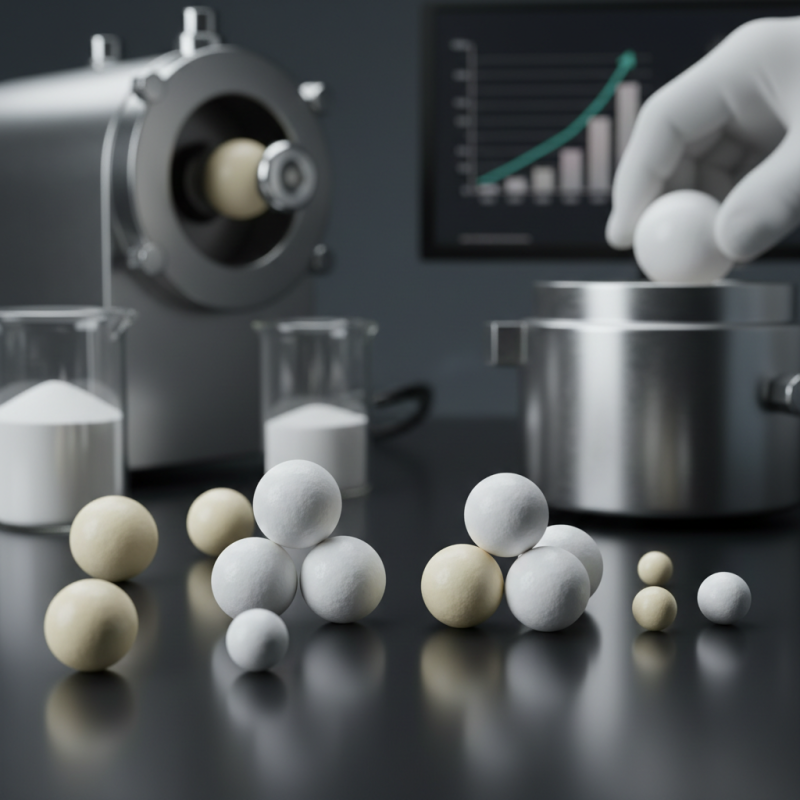
Understanding ZrO2 Grinding Balls and Their Properties
Zirconia (ZrO2) grinding balls are increasingly recognized for their superior performance in various grinding applications. These ceramic materials boast exceptional hardness, often exceeding 1200 HV, which enables them to effectively grind a wide range of materials, including metals, ceramics, and composites. Their high density, typically around 6.0 g/cm³, contributes to their impressive grinding efficiency, ensuring that energy consumption is minimized while achieving optimal particle size reduction.
In addition to their hardness and density, ZrO2 grinding balls exhibit excellent wear resistance and chemical stability, making them suitable for use in highly abrasive and corrosive environments. This is particularly valuable in industries such as ceramics, pharmaceuticals, and materials science, where contamination control is crucial. According to a report from the Materials Research Society, the growing shift toward sustainable and environmentally friendly manufacturing processes has further amplified the demand for ZrO2 grinding media, as they contribute to reduced wear on equipment and lower disposal costs associated with less wear debris.
When selecting the appropriate ZrO2 grinding ball for specific applications, factors such as the intended material to be ground, the grinding method, and the desired particle size must be considered. The size and shape of the grinding media can significantly influence grinding efficiency and product quality, with research indicating that smaller balls often provide better results in fine grinding applications.
Key Factors Influencing the Selection of ZrO2 Grinding Balls
When selecting ZrO2 grinding balls for your specific applications, several key factors should be taken into consideration to ensure optimal performance and desired results. One of the most important factors is the size of the grinding balls. The diameter can influence the grinding efficiency and particle size reduction. Smaller balls may be better suited for fine grinding applications, whereas larger diameters can provide higher impact energy in coarser processes. It is crucial to match the ball size with both the material being ground and the equipment used to achieve the best grinding results.
Another significant factor is the density and purity of the ZrO2 material itself. Higher purity ZrO2 balls typically offer better mechanical properties and resistance to wear, leading to longer lifespan and less contamination of the ground material. The density also plays a role in the grinding effectiveness; denser balls generally have higher energy and can enhance the grinding process in various applications.
Moreover, compatibility with the grinding medium and the material being processed is vital to avoid reactions that may affect the integrity and quality of both the grinding balls and the finished product. Understanding these factors is essential for making an informed decision tailored to your specific grinding needs.
Assessing the Compatibility of ZrO2 Balls with Your Materials
When selecting ZrO2 (zirconia) grinding balls for specific applications, the compatibility with the materials being processed is crucial. Zirconia balls are known for their high density, strength, and wear resistance, which makes them effective for various grinding and milling tasks. However, the choice of grinding media must take into account the chemical and physical properties of the materials involved. For instance, if you are grinding materials that are sensitive to contamination, the purity of the ZrO2 balls should be evaluated to ensure that no unwanted elements will leach into the mixture.
Additionally, the hardness and size of the grinding balls should match those of the materials being processed. For harder materials, larger and denser ZrO2 balls may be necessary to achieve efficient grinding without excessive wear on the media itself. Conversely, softer materials may require smaller balls to enhance the surface area contact and optimize the grinding process. By assessing these compatibility factors, you can ensure that the grinding process runs smoothly while achieving the desired particle size and quality of the end product.
Comparison of ZrO2 Grinding Balls by Key Properties
Evaluating Hardness and Density for Optimal Grinding Performance
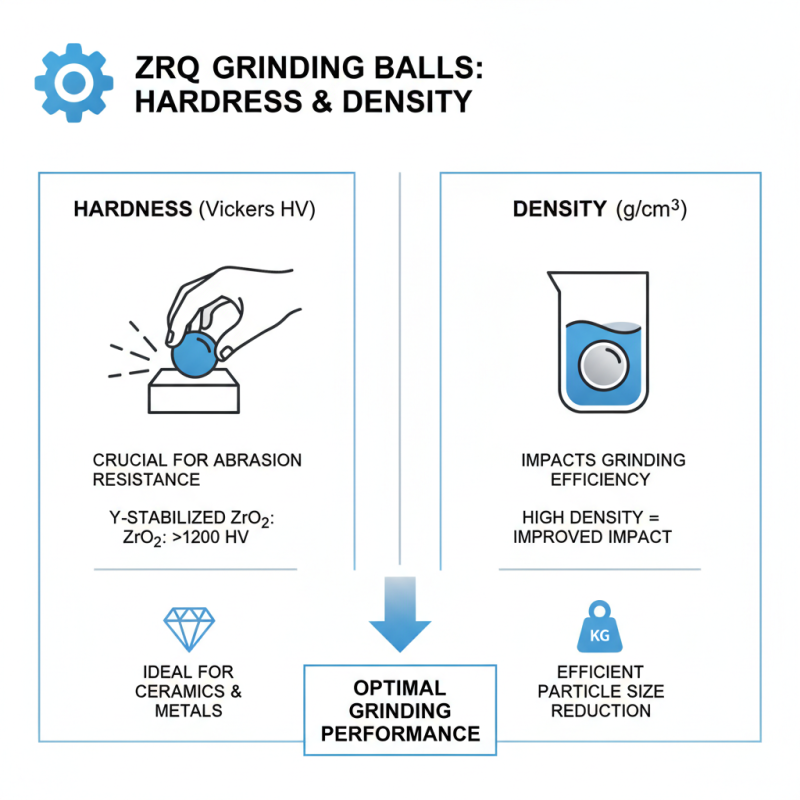
When selecting ZrO2 grinding balls for specific applications, understanding the importance of hardness and density is crucial for achieving optimal grinding performance. Hardness, typically characterized by the Vickers hardness test, plays a key role in the ball's ability to withstand abrasion and deformation during milling processes. Research indicates that Yttria-stabilized ZrO2 balls generally exhibit hardness values exceeding 1200 HV, making them suitable for grinding hard materials like ceramics and metals, where maintaining shape and size during operations is essential.
Density is another vital factor influencing grinding efficiency and effectiveness. The density of ZrO2 grinding balls, which can range from 6.00 to 6.10 g/cm³, impacts their inertia, leading to increased momentum during impact with the material being ground. A higher density typically results in enhanced grinding action, allowing for finer particle size reduction. According to industry reports, using grinding balls with higher density may contribute to better energy transfer and reduced wear on milling equipment, thereby improving overall process efficiency and performance in advanced material applications.
Comparing Different Sizes and Shapes of ZrO2 Grinding Balls
When selecting ZrO2 grinding balls, it's crucial to consider various sizes and shapes, as these factors significantly influence the efficiency and effectiveness of the milling process. According to a report by the International Association for Materials Research, the diameter of grinding balls typically ranges from 0.1 mm to 100 mm, with smaller balls better suited for fine grinding while larger balls are preferred for coarser materials. The choice of size impacts the surface area and loading dynamics during the milling operation, where smaller balls can achieve a finer particle size and larger balls offer higher impact energy.
Additionally, the shape of ZrO2 grinding balls can alter the material interaction in the milling environment. Cylindrical and spherical shapes are commonly utilized, with spherical balls being the most popular option due to their consistent surface area and predictable movement within the mill. A study published in the Journal of Advanced Ceramic Materials emphasized that spherical grinding media can enhance the grinding performance by minimizing wear and maximizing energy transfer, leading to higher efficiency in material processing applications. Understanding these differences can guide users in selecting the most appropriate ZrO2 grinding balls tailored to their specific application requirements.
How to Choose the Right Zro2 Grinding Ball for Your Applications - Comparing Different Sizes and Shapes of ZrO2 Grinding Balls
| Ball Size (mm) |
Shape |
Density (g/cm3) |
Typical Applications |
Cost ($/kg) |
| 0.5 |
Round |
6.02 |
Nanoparticle production |
50 |
| 1.0 |
Round |
6.02 |
Mineral processing |
45 |
| 2.0 |
Round |
6.02 |
Ceramic grinding |
40 |
| 1.5 |
Cylindrical |
6.02 |
Ink milling |
48 |
| 3.0 |
Round |
6.02 |
Paint production |
35 |
Cost Considerations in Choosing ZrO2 Grinding Balls
When selecting ZrO2 grinding balls for your specific applications,
cost considerations play a pivotal role in the overall decision-making process.
High-quality zirconia balls may come at a premium price, yet they often offer greater
durability and performance compared to lower-cost alternatives. This can lead to reduced
replacement frequency and lower operational costs in the long run. It’s essential to evaluate
not only the upfront costs but also the potential savings associated with longer lifespans
and improved efficiency during grinding processes.
Tips: Focus on total cost of ownership
rather than just the purchase price. Calculate how the initial investment aligns with your
operational goals, including maintenance, downtime, and energy consumption. Additionally,
consider the compatibility of the grinding balls with your materials, as this can significantly
impact productivity and overall effectiveness.
Choosing the right supplier can also affect the cost dynamics. Some manufacturers may offer
competitive pricing but might lack in quality assurance or customer support, which can lead
to increased costs due to subpar product performance. Always weigh the benefits of quality
against the budget, ensuring you select the best option that fulfills both your financial and
operational requirements.
Applications and Industries Benefiting from ZrO2 Grinding Balls
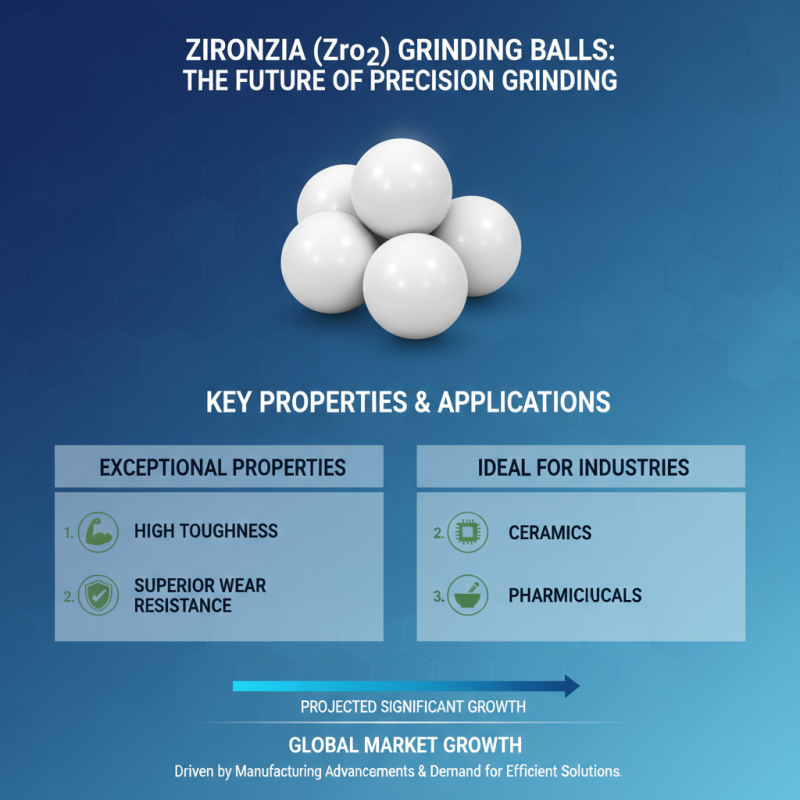
Zirconia (ZrO2) grinding balls have become a cornerstone in various industries due to their exceptional properties, including high toughness and wear resistance. These qualities make them ideal for applications in ceramics, electronics, and pharmaceuticals, where precision and durability are paramount. According to industry reports, the global zirconia grinding media market is projected to grow significantly, driven by advancements in manufacturing processes and the increasing demand for efficient grinding solutions.
In the ceramics industry, ZrO2 grinding balls are preferred for their ability to minimize contamination during the grinding process, ensuring the purity of the final product. Additionally, in the electronics sector, where advanced materials are required for the production of semiconductors, these grinding balls facilitate finer particle sizes essential for high-performance applications. The pharmaceutical industry also benefits, as ZrO2 balls provide a reliable solution for grinding active ingredients while preserving their chemical properties.
Tips: When selecting ZrO2 grinding balls, consider the specific hardness and size required for your application to maximize performance. Ensure that the balls are compatible with the milling equipment you are using, as this can significantly affect efficiency. Additionally, evaluating the supplier's certification and material quality can help ensure consistency and reliability in your production process.
Revolutionizing Nano Milling: The Benefits of Zirconium Oxide Balls in Precision Grinding
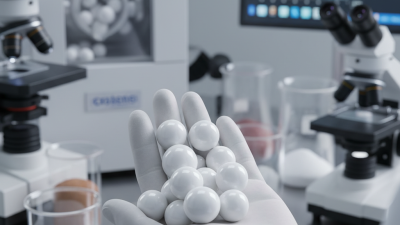
Zirconium oxide balls, also known as zirconia beads, are emerging as a pivotal tool in the field of precision grinding, particularly in the process of nano milling. These beads, characterized by their pearl white color and smooth surface, are made from a highly durable ceramic material, making them an ideal choice for a variety of grinding applications. In fact, zirconia’s hardness, rated 8 to 9 on the Mohs scale, allows it to effectively grind non-metallic minerals such as heavy calcium carbonate, kaolin, and mica, achieving ultrafine particle sizes essential for high-quality end products.
Recent industry reports emphasize the impact of advanced grinding media within manufacturing processes. For instance, the global market for industrial grinding media is projected to reach approximately $4 billion by 2025, driven by the increasing demand for precision grinding technologies in sectors like cosmetics, pharmaceuticals, and nanotechnology. Zirconium oxide balls not only enhance the efficiency of grinding operations but also contribute to the reduction of contamination thanks to their inert properties. This proficiency is particularly crucial when dealing with pigments and chemicals where purity directly impacts product performance.
Moreover, the longevity of zirconia beads significantly lowers operational costs. Unlike traditional grinding media, which may require frequent replacements, zirconium oxide balls can withstand prolonged use without significant wear. Their durability and effectiveness in breaking down particles into nanoscale sizes underscore their importance in modern milling techniques, aligning with the industry's push towards higher efficiency and sustainability in production processes.
FAQS
: ZrO2 grinding balls are known for their superior performance in grinding applications due to their exceptional hardness, typically exceeding 1200 HV, and high density, around 6.0 g/cm³, which enhances grinding efficiency.
ZrO2 grinding balls are commonly used in industries such as ceramics, pharmaceuticals, and materials science, particularly where wear resistance and chemical stability are crucial.
The size of ZrO2 grinding balls significantly influences grinding efficiency, with smaller balls being more suited for fine grinding and larger balls preferred for coarser materials due to their impact energy.
Common shapes for ZrO2 grinding balls include cylindrical and spherical, with spherical shapes being the most popular because they provide consistent surface area and predictable movement, enhancing grinding performance.
Factors to consider include the material to be ground, the grinding method, desired particle size, and the size and shape of the grinding media, as these can all influence grinding efficiency and product quality.
Considering costs is important because higher-quality ZrO2 grinding balls may have a higher upfront price but can offer greater durability and performance, leading to lower replacement frequency and overall operational costs.
Total cost of ownership refers to evaluating not just the purchase price of ZrO2 grinding balls, but also the operational costs including maintenance, downtime, and energy consumption over their lifespan.
The choice of supplier can affect cost dynamics, as some may offer lower prices but lack quality assurance or customer support, potentially leading to increased costs from subpar product performance.
Wear resistance is significant as it allows ZrO2 grinding balls to withstand highly abrasive environments, minimizing contamination and contributing to more efficient grinding processes.
The demand for ZrO2 grinding balls is influenced by a growing trend towards sustainable and environmentally friendly manufacturing processes, as they lead to reduced wear on equipment and lower disposal costs.
Conclusion
When selecting the right ZrO2 grinding ball for specific applications, it's crucial to understand its properties and how these influence performance. Key factors to consider include the compatibility of ZrO2 balls with the materials being processed, as well as assessing hardness and density, which play significant roles in achieving optimal grinding results.
Additionally, the size and shape of the ZrO2 grinding balls can impact efficiency, and this should be evaluated based on the requirements of your operations. Cost considerations also come into play; balancing quality with budget constraints is essential for effective procurement. Finally, numerous industries benefit from the application of ZrO2 grinding balls, highlighting their versatility and importance in various grinding processes.