Pingxiang Baitian New Materials Co., Ltd

Leave Your Message
0%

When it comes to advanced materials, choosing the right zirconia grinding ball really matters — it can make a big difference in both how well your process works and how much it costs. Industry forecasts suggest that the global demand for zirconia grinding media is set to grow at around 7.5% annually over the next five years, thanks to ongoing progress in industries like ceramics, paints, and coatings.
Ultimate Guide to Choosing the Right Zro2 Grinding Ball for Your Needs

Pingxiang Baitian (Ball-tec) New Materials Co., Ltd. is right at the cutting edge here, focusing on researching, producing, and selling top-quality zirconia and alumina microcrystalline ceramic grinding media. They use the latest technology and are serious about high-purity zirconia powder, which makes their products perfect for high-tech stuff like bio-dental applications and solid fuel cells.

If you’re a bit overwhelmed by picking the right ZrO2 grinding ball, don’t worry — this guide is here to break it down for you, so you can find the best fit for your needs and get the most out of your equipment, with everything lasting longer and performing better.
Understanding the Basics of ZrO2 Grinding Balls and Their Applications

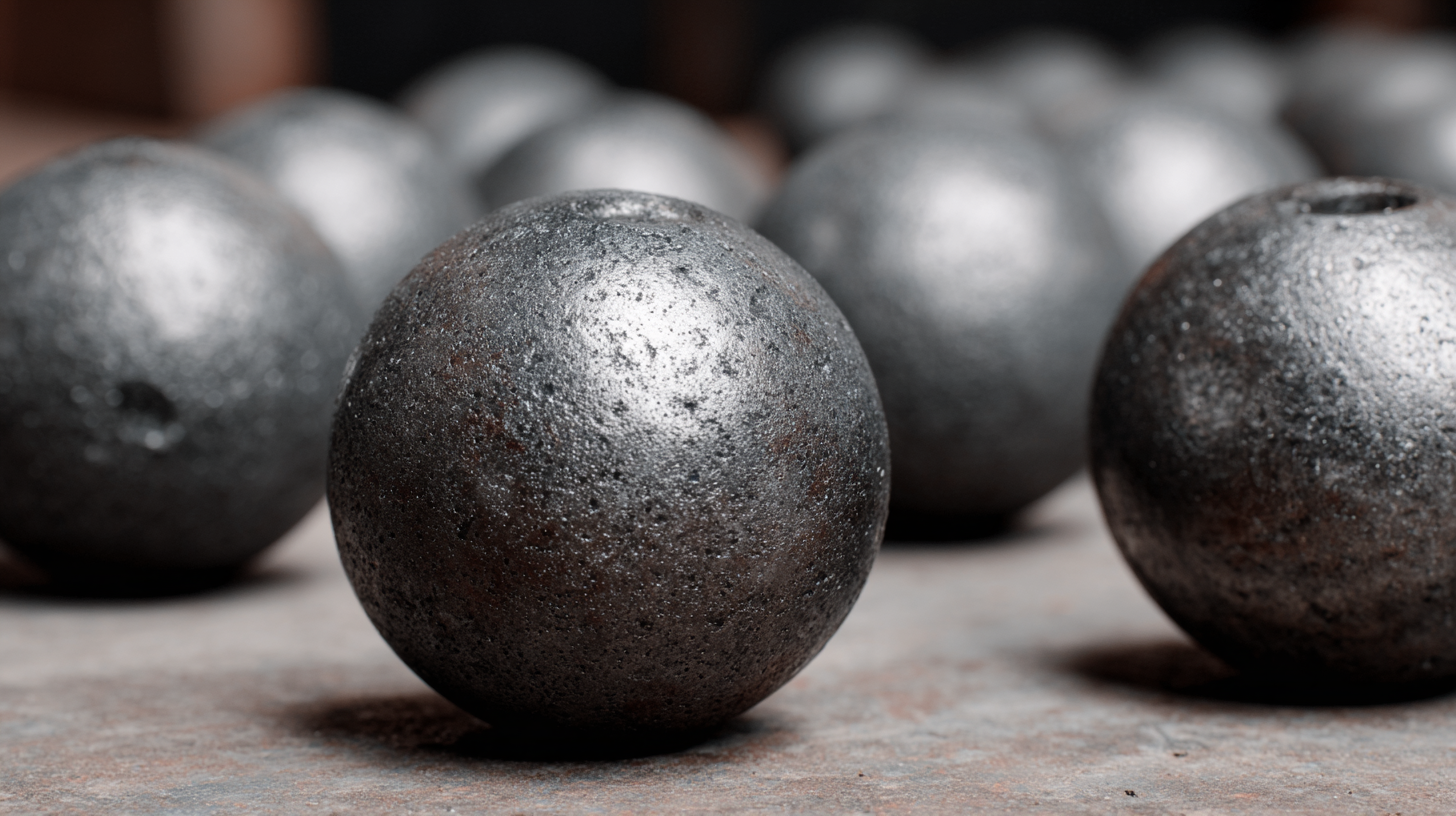
Ultimate Guide to Choosing the Right Zro2 Grinding Ball for Your Needs Zirconium Dioxide (ZrO2) grinding balls have really gained popularity across different industries these days. People love them because they're super hard, stable chemically, and resistant to wear and tear. When you're picking the right grinding balls, knowing these properties really matters. You’ll often see ZrO2 balls used in high-energy mills—they’re great for grinding a variety of materials like ceramics, minerals, and even some metals. That makes them pretty versatile no matter what industry you're in.

If you’re trying to choose the right ZrO2 grinding balls, think about the size and density you'll need for your specific task. Bigger balls are better if you’re after coarser grinding, while smaller ones can help you get finer finishes. Also, the density plays a big role—heavier balls typically grind more effectively, but you want to make sure they match your material and the equipment you’re using, or you might not get optimal results.

Pro tip: Always double-check that your grinding media is compatible with your materials to avoid contamination. And don’t forget to make sure your milling equipment is suitable for ZrO2 balls—using the wrong setup can lead to less efficiency and more wear on your machinery. Regular maintenance can really go a long way in extending the life of your ZrO2 balls and keeping your production running smoothly.

Key Factors to Consider When Selecting ZrO2 Grinding Balls

When you're choosing ZrO₂ grinding balls for your project, there are a few important things to keep in mind to make sure you get the best performance. First off, think about the material's properties, like its density and hardness. Generally speaking, balls that are denser and harder tend to grind more efficiently and last longer. Oh, and don’t forget about the surface finish—smoother surfaces can really make a difference by reducing wear and tear on both the balls and your equipment.

Here's a little tip: always double-check the specs provided by the manufacturers. Make sure they match what you need. And it’s a good idea to consider what you’re actually grinding; for example, ultra-fine grinding might need different ball characteristics compared to regular stuff.

Size matters too. The diameter of the balls should match the size of the material you’re working with. Smaller balls can give you a finer grind, while larger ones are probably better for coarser materials.

A useful suggestion—don't be shy about testing out different sizes during your trials. Changing the ball size can really shake up the efficiency and quality of your grind. And of course, chat with your suppliers—they usually have some good advice based on your specific application.

Comparing Different Types of ZrO2 Grinding Balls: Which One is Right for You?

When you're trying to pick the right ZrO2 grinding balls, it’s really helpful to understand the different types out there and what they’re best suited for. ZrO2, or zirconium dioxide, is famous for being super dense, tough, and able to handle high temperatures—making it a popular choice. Basically, there are two main kinds: regular ZrO2 balls and the high-density super version. The standard ones are great for most milling jobs, but if you're dealing with tougher materials or need more durability, then the super high-density balls are the way to go—they last longer and resist wear better, especially in high-energy mills.

Here’s a little tip: think about what you actually need from your milling process. If you're working with softer stuff, regular ZrO2 balls might do the trick. But if you're tackling harder materials that need a little more impact strength, investing in those high-density ones could really pay off.

Another thing to keep in mind is the size of the balls. The diameter makes a pretty big difference in how efficient your grinding is. Smaller balls are generally better for making things really fine, while bigger ones are more suited for coarser grinding.

And here’s a pro tip: make sure the size of the balls actually fits with your milling equipment. Getting this right can seriously improve your results and make your whole operation run smoother.

Ultimate Guide to Choosing the Right ZrO2 Grinding Ball

This chart compares different types of ZrO2 grinding balls based on their hardness, density, and cost-effectiveness. Choose the right one for your specific grinding needs!

Assessing the Quality and Durability of ZrO2 Grinding Balls

When you're picking ZrO2 grinding balls, it’s pretty important to really look at their quality and how long they last. These factors can make a big difference in how efficiently your milling runs and how good your end product turns out. I recently came across a report from MarketResearchFuture that says using high-quality ZrO2 balls can boost your grinding performance by up to 30%. That's mainly thanks to their tough hardness and how well they resist wear — pretty impressive! That’s why so many folks in fields like pharma, ceramics, and advanced materials tend to go for these balls.

And don’t forget about durability. These ZrO2 balls can handle some pretty tough conditions — like high temperatures and corrosive environments — without breaking down quickly. In fact, a study published in the Journal of Materials Science showed that ZrO2 balls tend to wear down way slower than traditional steel ones. We’re talking about up to 15 times longer lifespan! That’s a huge plus since it means less downtime for replacements and lower overall costs. So, when you’re choosing ZrO2 grinding balls, it’s worth keeping these points in mind to make sure you're getting the most out of your milling process, efficiently and economically.

Ultimate Guide to Choosing the Right Zro2 Grinding Ball for Your Needs

Tips for Proper Maintenance and Storage of ZrO2 Grinding Balls

Taking good care of your ZrO2 grinding balls really makes a difference in how long they last and how well they perform. The American Ceramic Society mentions that these zirconia grinding media can wear down at a rate as low as just 0.1 grams per kilogram of material you're processing, which means your grinding runs can be way more efficient. To keep that up, make sure to clean the balls after each use—it's pretty simple: a quick rinse with distilled water and a good air dry will do the trick. This little step helps prevent leftover material from sticking around and messing with your future grindings.

But it’s not just about cleaning—how you store these balls really matters too. Keep them in a cool, dry spot—think below 30°C or so—and keep them out of direct sunlight. The International Journal of Advanced Manufacturing Technology points out that storing them properly can help prevent cracking or other damage caused by temperature swings or high humidity. Using a padded, moisture-proof container is a smart move, since it protects the balls from bumps and environmental harm, making sure they stay in top shape until you need them again.

FAQS

: What are the two main types of ZrO2 grinding balls?

: The two main types are conventional ZrO2 balls and super high-density ZrO2 balls. Conventional balls are suitable for most milling applications, while super high-density balls provide increased wear resistance and are ideal for high-energy mills.

When should I choose super high-density ZrO2 balls over conventional ones?

If you are working with challenging substances that require higher impact strength, it is advisable to invest in super high-density ZrO2 balls. For softer materials, conventional ZrO2 balls may suffice.

How does the size of the grinding balls affect the grinding process?

The diameter of the grinding balls significantly affects efficiency. Smaller balls are typically used for finer grinding, whereas larger balls work better for coarser materials.

What should I consider regarding the compatibility of grinding ball size?

Always check the compatibility of the ball size with your milling equipment to ensure optimal performance, as this attention to detail can lead to improved results and increased productivity.

How can I maintain the efficiency of my ZrO2 grinding balls?

To maintain efficiency, it’s crucial to clean the grinding balls after each use. Rinse them with distilled water and air dry to prevent contamination from residual materials.

What are the ideal storage conditions for ZrO2 grinding balls?

ZrO2 grinding balls should be stored in a cool, dry environment at temperatures below 30°C (86°F) and away from direct sunlight to prevent thermal shock damage.

How can improper storage affect ZrO2 grinding balls?

Improper storage can lead to cracking and degradation of the grinding media, particularly if they are subjected to fluctuating temperatures or humidity levels.

What type of container is recommended for storing ZrO2 grinding balls?

A cushioned, moisture-resistant container is recommended to protect these grinding balls from physical impacts and environmental factors, ensuring they remain in optimal condition.

How does the wear rate of zirconia grinding media benefit grinding operations?

Zirconia grinding media can have a wear rate as low as 0.1 grams per kilogram of processed material, which significantly enhances the efficiency of grinding operations.

Is rinsing ZrO2 grinding balls enough for maintenance?

While rinsing is essential, it is also important to ensure they are dried properly to avoid moisture retention, which could affect their performance in future grinding processes.

Conclusion

So, if you're trying to pick out the perfect ZrO2 grinding ball for your specific needs, it helps to get a good grasp of the basics first. These balls are pretty popular because of their high density and toughness—think of them as the heavy hitters in everything from ceramics to biomedical uses. This little guide will walk you through the important stuff—like size, shape, and making sure they’re compatible with your materials—so you can get the best performance out of them. Plus, we'll go over the different types of ZrO2 grinding balls you can find out there, to help you make a smarter choice based on what you actually need.

When we look into ZrO2 grinding balls, we also pay attention to their quality and how tough they are—that's what really counts when it comes to lasting through all those grinding sessions. Keeping them in good shape and storing them properly can seriously extend their lifespan, so we've got some tips on that too. At Pingxiang Baitian (Ball-tec) New Materials Co., Ltd., we're all about providing top-notch zirconia grinding media. We combine the latest tech with a lot of research to make sure we meet our customers’ needs—and maybe even exceed them.
Liam

Liam

Liam is a dedicated marketing professional at Pingxiang Baitian New Materials Co., Ltd., where he leverages his extensive knowledge of the company's innovative products to drive effective communication and engagement. With a deep understanding of the materials industry, Liam plays a crucial role in......
Previous Advantages of Silicon Nitride Ball Performance and Cost Effectiveness in Maintenance