Pingxiang Baitian New Materials Co., Ltd

Leave Your Message
0%

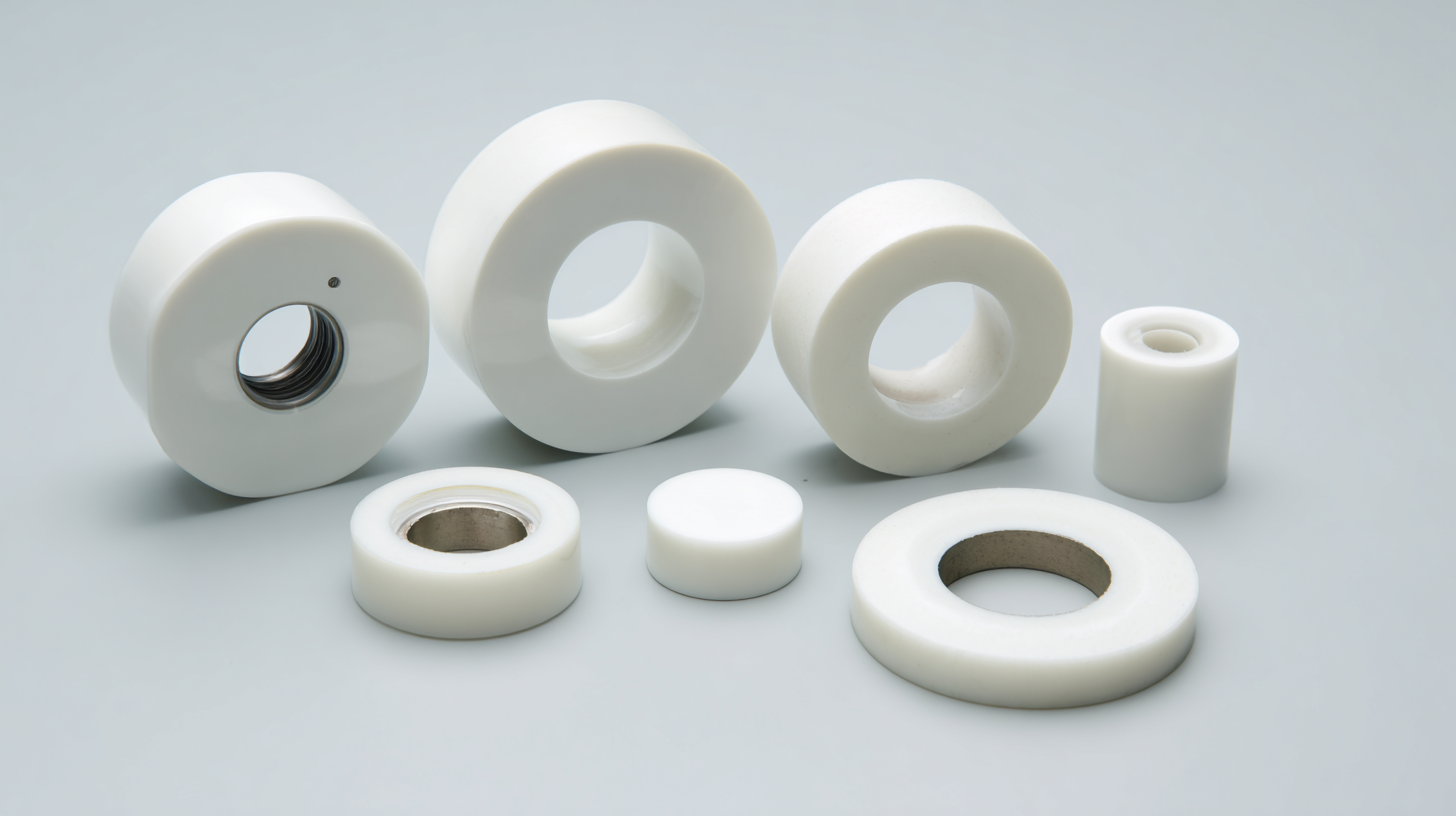
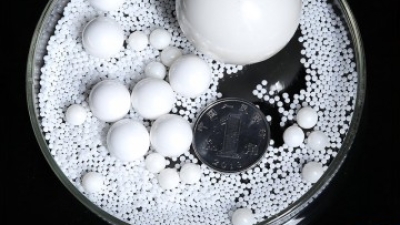
Picking the right Zirconia Ceramic Part for your specific project is more important than you might think—especially in industries where things need to perform at the highest level and last a long time. Did you know that, according to MarketsandMarkets, the global market for zirconia ceramics is expected to hit about USD 1.49 billion by 2025? That growth is mainly because zirconia is being used more and more in things like bio-dental work, solid fuel cells, and advanced manufacturing methods—think 3D printing and beyond. Companies like Pingxiang Baitian (Ball-tec) New Materials Co., Ltd. are really leading the way here. They’re a high-tech firm that specializes in R&D and producing zirconia and alumina microcrystalline ceramic grinding media. They’ve got a pretty wide selection of high-purity zirconia powders designed to meet all kinds of industrial needs.
How to Choose the Right Zirconia Ceramic Part for Your Application

Knowing the unique features of different Zirconia Ceramic Parts can really boost your product’s performance, make your manufacturing smoother, and even spark some innovation in your work. It might seem like a small thing, but choosing the right material can make a huge difference in the end product.

Understanding the Different Types of Zirconia Ceramics Available

Choosing the right zirconia ceramic part for your specific application really depends on understanding the different types out there. Basically, zirconia ceramics come in three main flavors: tetragonal zirconia polycrystals (TZPs), cubic zirconia, and monoclinic zirconia. Each one has its own set of qualities that make it better suited for certain uses.

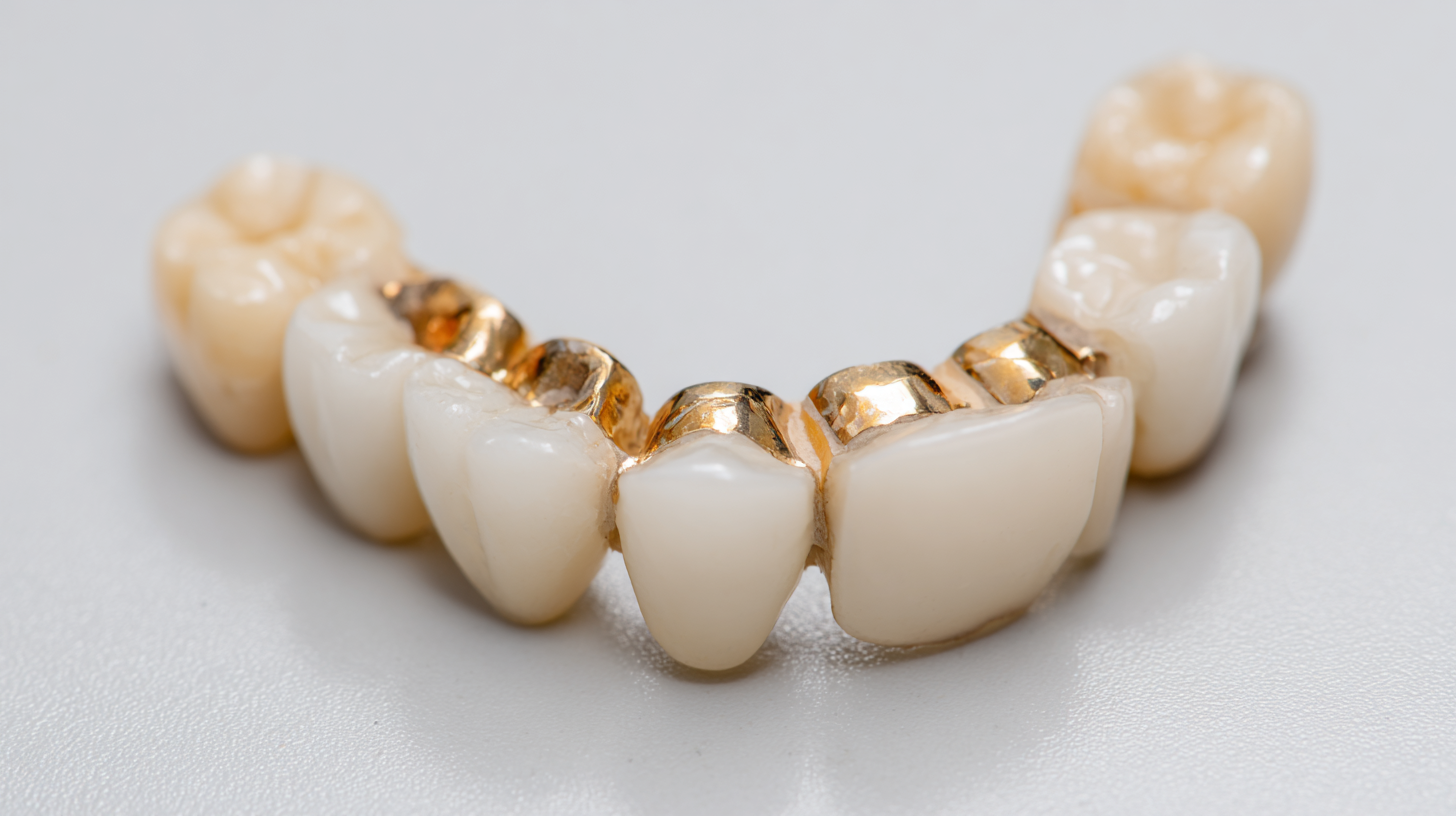
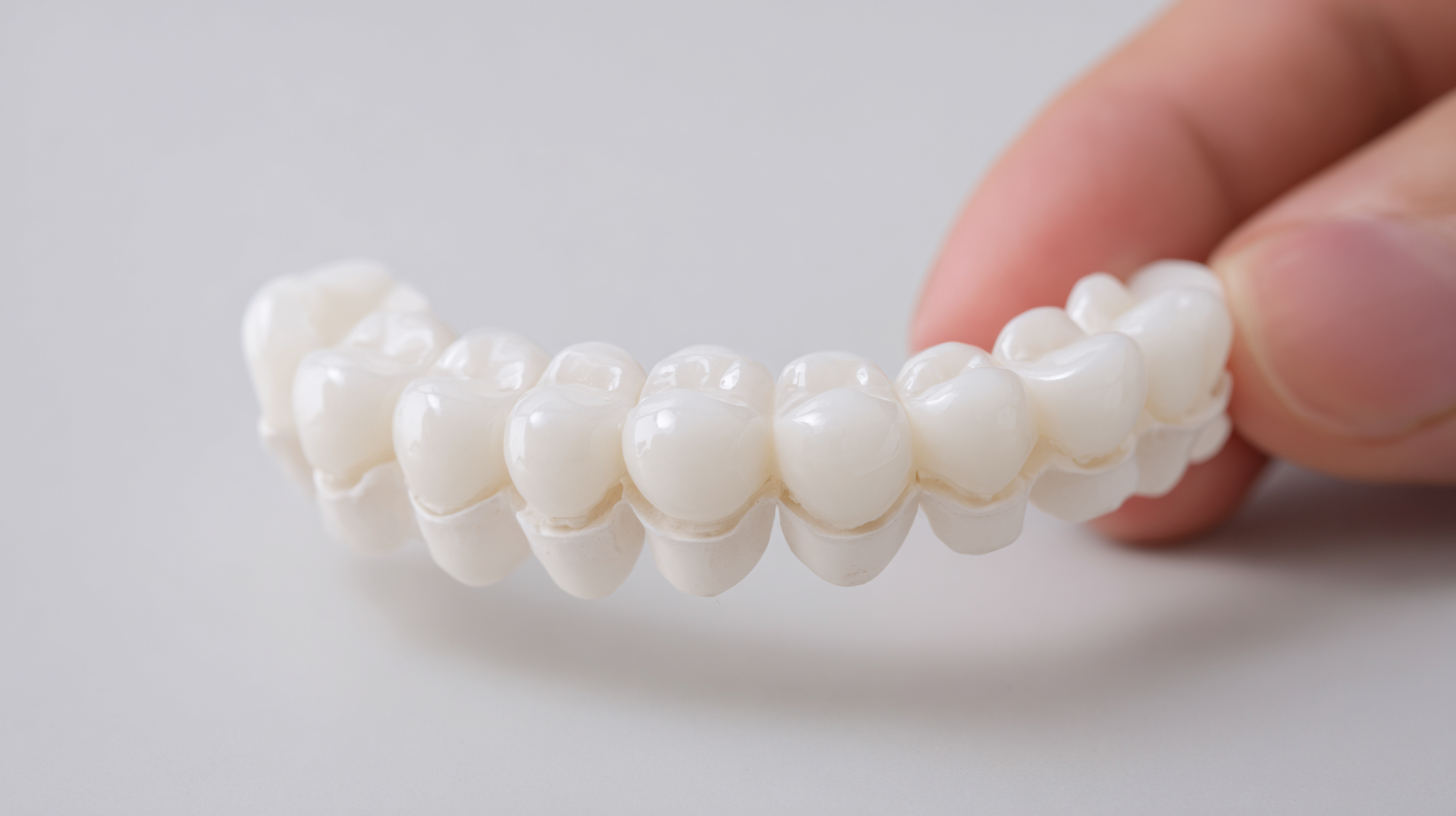
Take tetragonal zirconia polycrystals, for example—they're known for being super tough and strong, so you'll usually find them in tough environments like dental prosthetics or cutting tools. On the other hand, cubic zirconia is often chosen for jewelry and decorative stuff because of its really good optical properties—it catches the eye! Monoclinic zirconia is more of a natural form and isn't as tough as the others, so it's better for applications where stress and impacts aren’t a big deal.

Getting a feel for these differences really helps when you're trying to pick the best zirconia ceramic for your project. It makes all the difference in ensuring your stuff performs well and lasts longer over time.

How to Choose the Right Zirconia Ceramic Part for Your Application

Type of Zirconia Ceramic Key Properties Applications Advantages Disadvantages
Monolithic Zirconia High strength, toughness, and wear resistance Dental crowns, implants Aesthetic appeal and biocompatibility Limited translucency
Tetragonal Zirconia Polycrystal (TZP) Very high strength and toughness Cutting tools, medical devices Excellent fracture toughness More expensive
Cubic Zirconia (CZ) Moderate strength and good optical properties Jewelry, optical components Cost-effective alternative to diamond Lower durability compared to other types
Zirconia Toughened Alumina (ZTA) Enhanced toughness, good wear resistance Wear parts, bearings Combines properties of alumina and zirconia Lower strength compared to pure zirconia

Evaluating the Mechanical Properties Required for Your Application

Whenever you're choosing zirconia ceramic parts for a particular job, it's super important to think about their mechanical properties. Zirconia ceramics are pretty amazing—they’re known for being really strong, tough, and resistant to wear and corrosion. But of course, the specific needs of your project will help you pick the right grade of zirconia, ensuring it can handle the stresses and environmental conditions it’ll face out in the field.

How to Choose the Right Zirconia Ceramic Part for Your Application Think about things like how much weight it needs to support, how well it can handle impacts, and whether it can stay stable under heat.

A good rule of thumb? Chat with material experts—they can give you the inside scoop on different zirconia grades. Also, if you can, do some initial testing on prototypes; it’s a great way to see how the material actually performs in real-world conditions. And don’t forget about surface finishing—those small details on the surface can make a big difference in how well the part performs overall.

On top of strength, you should also think about how well the zirconia can handle fatigue. If your application involves lots of cyclic or changing loads, you’ll want a material that can take repeated stress without giving out. It’s all about balancing properties like hardness and flexibility based on what the part actually needs. That way, you’re not just getting something that works initially, but something that will last through its entire lifespan.

Assessing the Thermal Stability Needs of Zirconia Parts

So, when you're choosing zirconia ceramic parts, it’s really important to get a good handle on their thermal stability — that’s key for how well they perform in different settings. Zirconia ceramics are pretty legendary for their strength and toughness, which is why you’ll see them popping up everywhere — from medical devices to aerospace stuff. According to the American Ceramic Society, zirconia can handle temperatures up to around 1200°C, making it a solid choice for high-heat environments. That’s especially critical for things like turbine blades, where thermal fatigue could lead to catastrophic failures if things aren’t up to snuff.

Oh, and here’s an interesting point — adding stabilizers like yttria can really boost zirconia’s thermal performance. There was a study in the Journal of Materials Science that pointed out yttria-stabilized zirconia (or YSZ, if you wanna get technical) stays pretty stable even when it heats and cools repeatedly, which helps prevent those phase changes that could weaken the material. When you’re figuring out whether zirconia is the right pick, you’ve gotta think about the environment it’s gonna face and the loads it’ll handle. Basically, making sure the ceramic can keep its properties over time means better reliability and longer-lasting parts, even in challenging conditions.

How to Choose the Right Zirconia Ceramic Part for Your Application

Considering the Environmental and Chemical Resistance Factors

When you're choosing zirconia ceramic parts for your project, it's super important to think about how they'll hold up against different environments and chemicals. Zirconia ceramics are pretty impressive—they're known for being tough and durable, so they're great for tough conditions. But here’s the thing: not all zirconia is the same. Some types can handle certain chemicals or high temperatures better than others. So, it’s a good idea to really consider what kind of environment your ceramic parts are going into — think about extreme temperatures, humidity, or any corrosive substances they might encounter.

A quick tip: Always check the material data sheets to get a clear idea of how resistant the zirconia ceramic you're eyeing actually is against chemicals. And if possible, look for certifications or test results that back up how well it performs in environments similar to yours.

Beyond just resisting chemicals, factors like mechanical stress and sudden temperature changes can also make a big difference. High-end zirconia can handle quite a bit of strain and thermal shocks, but keep in mind that the specific composition really matters. Whether you go for a partially stabilized or fully stabilized zirconia, choosing the right type can make a huge difference in how long it lasts and how resilient it is.

Another tip: If you’re unsure, try doing some small-scale tests that mimic your real-world conditions. That way, you can get a better idea of how the ceramic will perform and make sure it’ll meet your needs without any surprises.

Selecting the Appropriate Manufacturing Method for Zirconia Parts

When you're choosing zirconia ceramic parts for specific uses, picking the right manufacturing method really makes a huge difference in how well they perform and how long they last. I came across a report from Grand View Research that mentioned the global zirconia ceramics market was worth around $7 billion back in 2021. It’s expected to grow pretty steadily, at about 8.5% each year from 2022 all the way to 2030. This mostly comes down to more industries like healthcare and electronics demanding high-performance ceramics.

Lately, additive manufacturing — you know, like 3D printing — has been getting a lot of buzz for making zirconia parts. It’s great because it allows for crazy design freedom and cuts down on waste. Studies show that 3D-printed zirconia components can actually match the mechanical strength of traditionally sintered ones, plus they have better internal structure control. On the other hand, subtractive methods like CNC machining are still super important, especially when you need tight tolerances and really smooth surface finishes. For example, a study in the Journal of Materials Science found that parts made with CNC can reach up to 95% density, which really boosts their mechanical strength compared to less controlled methods. In the end, choosing the right manufacturing process depends a lot on what the part is going to be used for — making sure it’s reliable and efficient is key."

Zirconia Ceramic Parts Selection Overview

This chart illustrates different manufacturing methods for zirconia ceramic parts and their respective suitability for various applications.

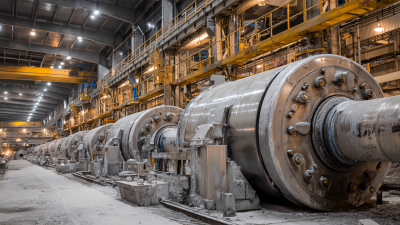
Optimizing Grinding Efficiency: The Role of Zirconia Balls in Bead Mill Applications

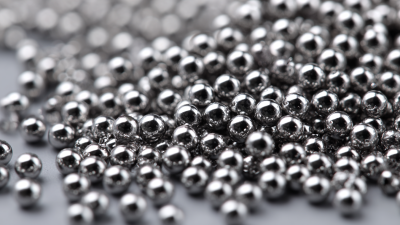
In the quest for optimal grinding efficiency in bead mill applications, the choice of grinding media plays a pivotal role. One of the most advanced materials available for this purpose is yttria-stabilized zirconia, particularly when utilized in the form of high-quality zirconia balls like BZY. These grinding media exhibit exceptional properties such as high density and hardness, which contribute significantly to their performance in various milling processes. According to industry reports, the use of zirconia balls can enhance grinding efficiency by up to 30% compared to traditional ceramic media, thereby reducing operational costs and increasing throughput.

Moreover, BZY zirconia balls are characterized by their superior wear resistance and minimal contamination risk. The hydrothermal method employed in their production results in a uniform microstructure that ensures consistent quality and durability. This is particularly important in industries such as pharmaceuticals and food processing, where contamination from grinding media can lead to product quality issues. Studies indicate that using high-quality grinding media like BZY can lower wear rates considerably—by over 50%—thus extending the service life of both the media and the milling equipment. This makes zirconia balls not only a performance-enhancing choice but also a cost-effective one for operators looking to boost their grinding operations.

FAQS

: What are the main types of zirconia ceramics available?

: The main types of zirconia ceramics are tetragonal zirconia polycrystals (TZPs), cubic zirconia, and monoclinic zirconia. Each type has unique properties suited for different applications.

What are the key characteristics of tetragonal zirconia polycrystals?

Tetragonal zirconia polycrystals are known for their superior toughness and strength, making them ideal for demanding environments such as dental prosthetics and cutting tools.

In what applications is cubic zirconia commonly used?

Cubic zirconia is often used in jewelry and decorative applications due to its excellent optical properties.

What is the suitability of monoclinic zirconia for various applications?

Monoclinic zirconia is best suited for applications that do not involve high stress or impact, as it is less robust compared to TZPs and cubic zirconia.

Why is it important to consider environmental and chemical resistance when selecting zirconia ceramics?

Environmental and chemical resistance are crucial because zirconia ceramics face different levels of resistance to specific chemicals and temperatures, which affects their suitability for various applications.

How can one assess the chemical resistance of zirconia ceramics?

It is important to consult material data sheets to understand the specific chemical resistance of the zirconia ceramic and look for certifications or testing results validating its performance.

What factors should be considered regarding environmental conditions for zirconia ceramics?

Considerations include temperature extremes, humidity, mechanical stress, and potential exposure to corrosive substances that the ceramic parts will face.

How does the composition of zirconia affect its resilience and longevity?

The composition, whether partially stabilized or fully stabilized, significantly influences the material's resilience and longevity under mechanical stress and thermal shock.

What is a recommended practice if unsure about the performance of zirconia ceramics in a specific application?

Performing small-scale testing in conditions that simulate the application can provide valuable insights into how the ceramic performs.

What role does testing play in selecting the right zirconia ceramic?

Testing can help determine whether the zirconia ceramic meets operational requirements effectively by evaluating its performance under specific environmental conditions.

Conclusion

Picking the right Zirconia Ceramic Part for what you’re working on isn’t always straightforward. It really helps to have a good grasp of the different options out there and what makes each one special. You’ll want to think about the mechanical stuff you're gonna need—like how strong and hard it needs to be—to make sure it can handle your project’s demands. Also, don’t forget to check how it performs under heat, especially if it’s gonna be used in really hot environments. And of course, considering how it might resist chemicals and the environment overall is key if you want your part to last a long time and stay durable.

Here at Pingxiang Baitian (Ball-tec) New Materials Co., Ltd., we’re all about high-purity zirconia materials. We use them in all sorts of applications—from grinding media and dental components to 3D printing. The secret? Choosing the right manufacturing process that fits your needs. When you get that right, your Zirconia Ceramic Part performs better, which can really make a difference in the success of your project or innovation.
Asher

Asher

Asher is a dedicated marketing professional at Pingxiang Baitian New Materials Co., Ltd., where his expertise in the field sets him apart. With a strong focus on the company's innovative product offerings, Asher is deeply knowledgeable about the various applications and benefits of the advanced......
Previous Advantages of Silicon Nitride Ball Performance and Cost Effectiveness in Maintenance