In today’s fast-changing industrial world, picking the right ceramic packing isn’t just a detail – it’s a big deal. It can really make a difference when it comes to keeping operations running smoothly and keeping costs in check. As industries push more towards sustainability and innovation, the need for top-notch ceramic packing solutions has skyrocketed. I came across a report from the Global Ceramic Packing Market Analysis, and it’s pretty eye-opening — they’re projecting the market will hit over $3 billion by 2025, with a compound annual growth rate of about 5.6% from 2021 to 2025. That’s not just about better chemical processing; it’s also about how industries—from pharma and petrochemicals to food production—are increasingly turning to advanced materials.
Experts in the field really stress how important it is to make smart choices when selecting ceramic packing. Dr. Emily Tan, who’s a big name in industrial ceramics, put it simply: “Choosing the right ceramic packing is key for boosting mass transfer and making sure your system stays reliable.” Her words remind us that it’s crucial to think about your specific needs—things like material compatibility, how well it holds up under heat, and how densely it’s packed—to get the best results. As companies aim to cut down their environmental impact while staying productive, understanding the ins and outs of ceramic packing is more important than ever. In this article, I’ll walk you through some key factors and tips to help you pick the best ceramic packing for your industrial setup.

Understanding the Importance of Ceramic Packing in Industry
Ceramic packing plays a crucial role in various industrial applications,
facilitating efficient processes and enhancing operational safety. Its unique properties, such as high-temperature tolerance,
chemical resistance, and durability, make it indispensable in industries ranging from petrochemicals to pharmaceuticals.
Understanding the significance of ceramic packing is vital when selecting the right type for specific operational needs.
One essential tip for choosing the correct ceramic packing is to evaluate the specific environmental conditions it will face.
Factors such as temperature fluctuations, chemical exposure, and mechanical stress can all influence the performance of the packing.
Additionally, researching the different types of ceramic materials available can help identify which aligns best with the operational demands.
Another important consideration is the manufacturing process of the ceramic packing.
High-quality production techniques not only improve the material's longevity but also enhance its effectiveness in reducing friction and wear.
By prioritizing reputable manufacturing standards, industries can ensure their selected packing performs optimally, ultimately contributing to enhanced efficiency and reduced downtime in their operations.
Types of Ceramic Packing Materials Available on the Market
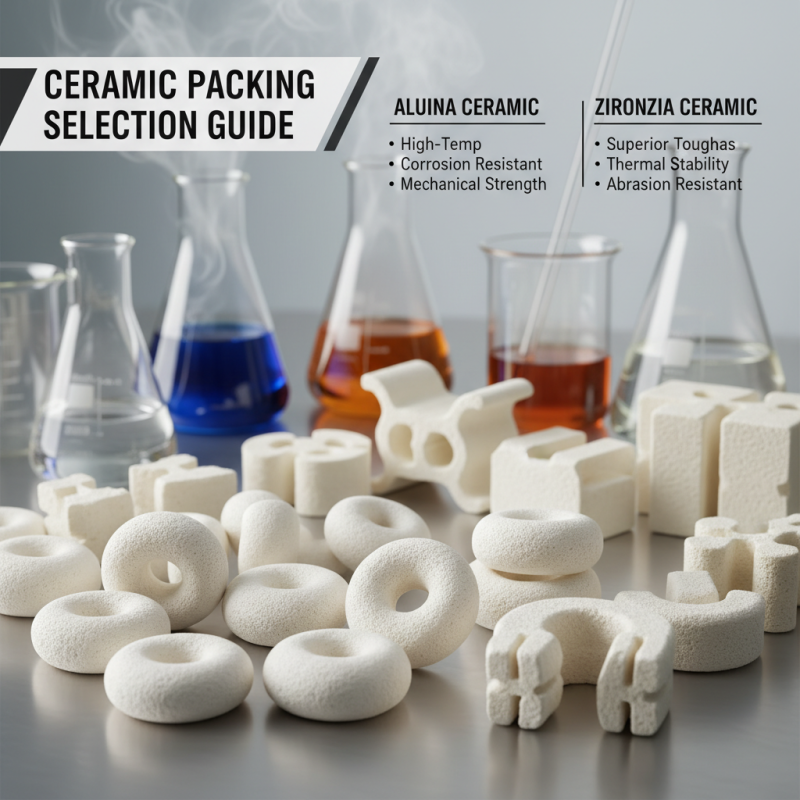
When selecting ceramic packing for industrial applications, it's crucial to understand the specific types available on the market. One of the most common forms is alumina ceramic, known for its excellent mechanical strength and corrosion resistance, making it a preferred choice for high-temperature and aggressive chemical environments. Another popular option is zirconia ceramic, which exhibits superior toughness and thermal stability. Its properties make it ideal for applications requiring high abrasion resistance and durability, such as in the chemical processing industry.
In addition to alumina and zirconia, there are other specialized ceramic packing materials tailored for specific purposes. For instance, silicon carbide ceramic packing is designed to withstand extreme temperatures and is commonly used in high-performance applications like aerospace and automotive industries. Another option is cordierite ceramic, which offers good thermal shock resistance and is often utilized in kilns and furnaces. Each type of ceramic packing provides unique benefits that can enhance operational efficiency, and understanding these differences is essential for making an informed choice suitable for your industrial needs.
Criteria for Selecting the Right Ceramic Packing for Your Needs
When selecting the right ceramic packing for industrial applications, several criteria should be considered to ensure optimal performance and efficiency. First, evaluate the specific application requirements, such as temperature, pressure, and the type of chemicals involved. Different ceramic materials provide varying levels of strength, thermal stability, and chemical resistance. Understanding the operational environment will guide you in choosing a ceramic packing that can withstand the conditions it will face.
Tips: Always review the technical specifications provided by manufacturers to compare the thermal and chemical resistance of various ceramic types. Furthermore, assessing the size and shape of the ceramic packing is crucial;
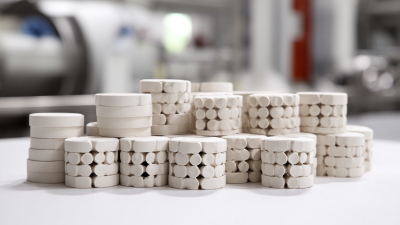
uniform packing can significantly enhance mass transfer rates and reduce pressure drops within your system.
Another important factor is the
particle size and distribution, which can affect the packing density and flow characteristics. The right particle size will help establish effective contact between phases, improving the overall efficiency of the process you're managing. Additionally, consider the ease of installation and replacement. Choosing a ceramic packing that fits seamlessly into your existing systems can save both time and money during maintenance.
Tips: Conduct pilot tests with small quantities of ceramic packing to evaluate performance before full-scale implementation. Engaging with industry experts can provide insights into the latest advancements in ceramic packing technologies that can benefit your operations.
Evaluating the Performance and Durability of Ceramic Packing
When evaluating the performance and durability of ceramic packing for industrial applications, it’s crucial to consider several factors that can influence its efficiency in various conditions. The physical and chemical properties of ceramic materials, such as their resistance to temperature and corrosive substances, play a significant role in their overall performance. High-quality ceramic packing should exhibit minimal wear and tear, maintaining its structural integrity over time, which is essential for long-term operations.
Tips: Before selecting ceramic packing, assess the operational environment and its specific demands. Factors like temperature extremes and exposure to chemicals should guide your choice. Additionally, consider the expected load conditions, as this can greatly affect the longevity and durability of the packing material.
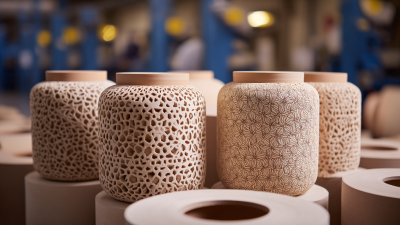
Moreover, the manufacturing process and design of the ceramic packing can impact its mechanical strength and application suitability. Innovative designs that enhance surface area while maintaining durability can provide superior performance. For instance, choosing a ceramic packing with optimal shapes can improve agglomeration and reduce pressure drop, which could lead to improved efficiency in your systems.
Tips: Conduct thorough research on the various designs and manufacturing techniques available. Comparing different types of ceramic packing, along with testing them under your specific operational conditions, can lead to more informed decision-making in selecting the right material for your industrial needs.
Cost Considerations When Choosing Ceramic Packing Solutions
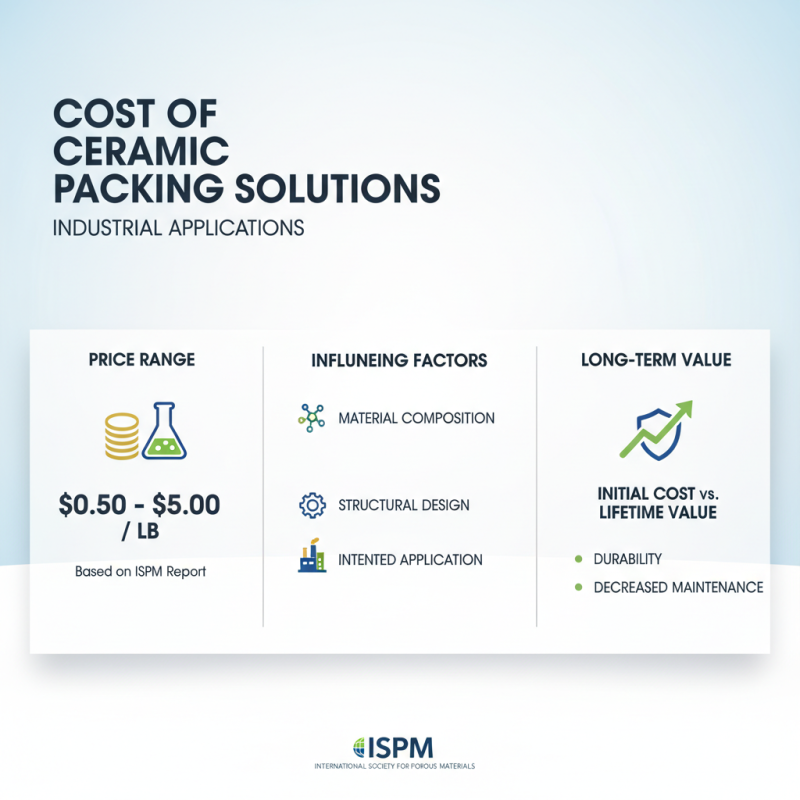
When selecting ceramic packing solutions for industrial applications, cost considerations play a pivotal role in the decision-making process. According to a report by the International Society for Porous Materials, ceramic packing materials can range from $0.50 to $5.00 per pound, with price variance influenced by factors such as the material's composition, structural design, and intended application. Industries must assess their operational budgets and the expected lifetime of the packing, as higher initial costs might be offset by longer durability and decreased maintenance needs.
Moreover, the efficiency of ceramic packing can directly impact operational costs. A study from the American Institute of Chemical Engineers highlights that utilizing high-quality ceramic packing can improve mass transfer rates by up to 30%, leading to lower energy consumption and enhanced overall process efficiency. Thus, while the upfront cost may be a crucial factor, it is essential to conduct a comprehensive assessment of how the performance of these materials can reduce long-term operational expenses. By analyzing both initial and operational costs, businesses can make informed choices that align with their industrial needs and financial constraints.
Applications of Ceramic Packing in Various Industrial Sectors
Ceramic packing has become an essential component in various industrial applications, thanks to its unique properties such as high thermal stability, chemical resistance, and reduced friction. In the chemical processing industry, ceramic packing materials like Raschig rings and Berl saddles are widely utilized in towers for gas-liquid mass transfer operations. According to a report by Grand View Research, the global ceramic packing market is projected to reach USD 3.2 billion by 2025, driven by the increasing demand for effective separation processes in petrochemical and pharmaceutical sectors.
In the energy sector, particularly in natural gas processing, ceramic packing plays a crucial role in ensuring efficiency and reliability. The high-temperature resistance of ceramic materials allows for their use in reformers and catalytic converters, where they contribute to optimal reaction conditions and improved yield. The U.S. Energy Information Administration (EIA) projects a significant rise in natural gas consumption, which reinforces the need for advanced packing solutions that can withstand the harsh operational environments associated with energy production and processing.
Furthermore, in the waste treatment industry, ceramic packing is utilized in biological treatment processes, where its structural integrity supports the growth of biofilms while minimizing clogging issues. This sector is seeing a trend towards sustainable practices, with the global water and wastewater treatment market expected to reach USD 562 billion by 2028, as highlighted by a recent report from Research and Markets. As industries continue to innovate and focus on efficiency, the versatile applications of ceramic packing are set to expand further across multiple sectors.
Maintenance Tips for Ensuring Longevity of Ceramic Packing Systems
Proper maintenance of ceramic packing systems is crucial for ensuring their longevity and optimal performance in industrial applications. Regular inspections should be conducted to identify any signs of wear or damage. This includes checking for cracks, chips, or any degradation that may compromise the structural integrity of the packing. Additionally, monitoring operational parameters such as temperature and pressure is essential, as excessive conditions can accelerate wear and lead to premature failure.
Another important maintenance practice is to implement a cleaning protocol tailored to the specific type of ceramic packing. Depending on the application, contaminants such as dust, chemical residues, or buildup from process fluids can hinder performance. Utilizing appropriate cleaning agents and techniques can help restore the packing’s efficacy while preventing potential blockages that could disrupt operations. Furthermore, maintaining proper lubrication between moving parts where applicable can reduce friction and further extend the lifespan of ceramic packing systems.
Regular training for staff on maintenance procedures can also enhance the effectiveness of the overall maintenance strategy.
FAQS
: Ceramic packing is crucial in various industrial applications as it facilitates efficient processes and enhances operational safety, thanks to its high-temperature tolerance, chemical resistance, and durability.
To choose the right ceramic packing, it's essential to evaluate the specific environmental conditions it will face, including temperature fluctuations, chemical exposure, and mechanical stress, as well as to research the different ceramic materials available.
It is important to consider the manufacturing process of the ceramic packing. High-quality production techniques can improve material longevity and effectiveness in reducing friction and wear.
Proper maintenance is crucial for ensuring the longevity and optimal performance of ceramic packing systems, including regular inspections for signs of wear or damage and monitoring operational parameters.
Monitoring operational parameters such as temperature and pressure is important, as excessive conditions can lead to accelerated wear and premature failure of the packing.
Implementing a cleaning protocol tailored to the specific type of ceramic packing is vital, as contaminants can hinder performance; appropriate cleaning agents and techniques can help restore efficacy and prevent blockages.
Maintaining proper lubrication between moving parts can reduce friction and further extend the lifespan of ceramic packing systems.
Regular training for staff on maintenance procedures can enhance the effectiveness of the overall maintenance strategy, ensuring optimal performance and longevity of ceramic packing systems.
Conclusion
Ceramic packing plays a crucial role in various industrial applications, providing essential support and improving performance in processes such as filtration, separation, and chemical reactions. Understanding the types of ceramic packing materials available on the market is essential for choosing the right solution. Key criteria for selection include the specific industrial needs, desired durability, and performance characteristics of the packing materials.
When evaluating ceramic packing, considering cost and maintenance practices is vital for ensuring long-term effectiveness and longevity of the systems. Various industrial sectors benefit from ceramic packing, and implementing maintenance tips can significantly extend the life of these components. By carefully assessing these factors, industries can optimize their operations with the appropriate ceramic packing solutions.