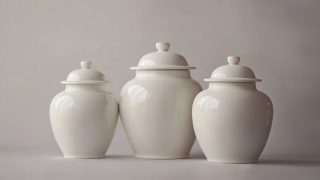
When it comes to processing and making materials, picking the right equipment isn't just a detail—it's a total game-changer. Take the Ceramic Jar for a Planetary Ball Mill, for example. That little guy actually plays a big part in how well you grind and mix your materials. And as industries keep leveling up, demanding more and more from their tools, having the right ceramic jar becomes super important if you want your planetary ball mill to perform at its best.
Now, if you're poking around trying to find the perfect one, you'll want to think about a few things—material compatibility, how tough it is, and what exactly your project needs. Getting to know the ins and outs of different ceramic materials can really help you make smarter choices. With so many options out there, it’s worth taking the time to pick the ceramic jar that fits your process. It can make a big difference in how long your equipment lasts and how good your final product turns out, so it’s totally worth considering carefully.
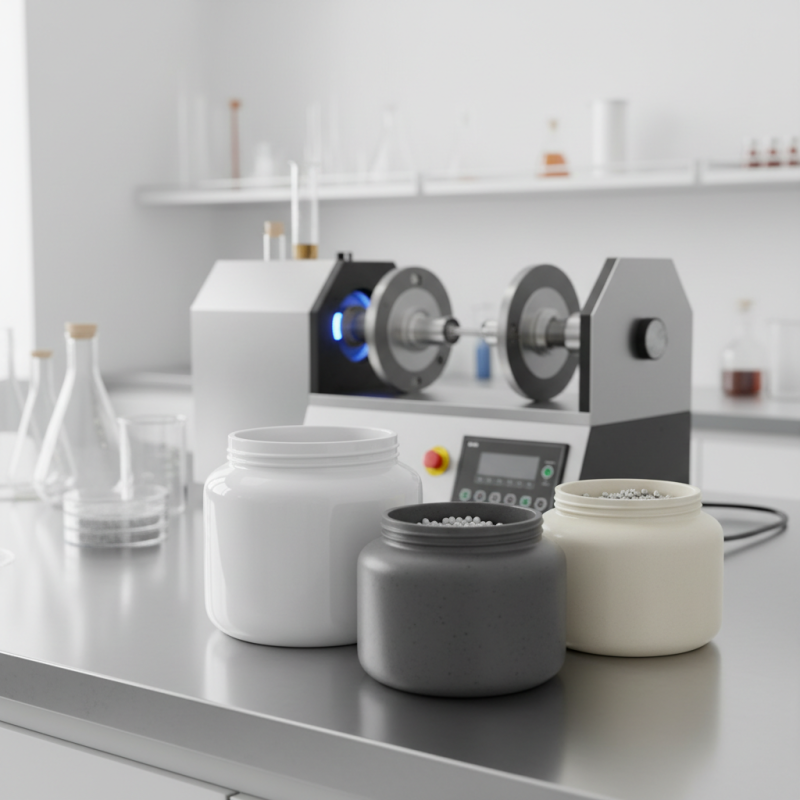
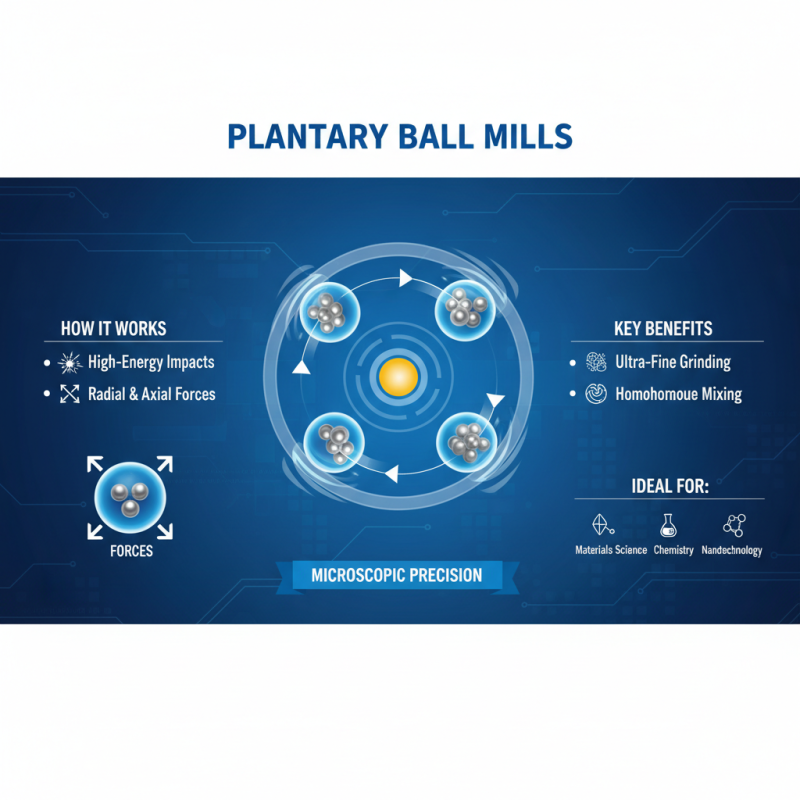
Planetary ball mills are advanced devices that facilitate the grinding and mixing of materials at a microscopic level. They operate through the motion of grinding balls in a circular path around the central axis, allowing for high-energy impacts that can break down particles effectively. The unique movement in planetary ball mills means that each ball experiences both radial and axial forces, which results in more efficient milling processes compared to traditional ball mills. This is particularly useful in applications that require fine particle sizes or homogeneous mixtures, making them ideal for fields such as material science, chemistry, and nanotechnology.
When selecting a ceramic jar for a planetary ball mill, it is critical to understand the material types and their compatibility with the substances being processed. Ceramic jars are primarily chosen for their durability and resistance to wear, making them suitable for high-energy operations. Additionally, the choice of ceramic material can influence the purity of the sample, as certain ceramics may react with components in the powder. Consideration of factors such as the jar's capacity, thickness, and the specific application requirements are essential in ensuring optimal performance. Ultimately, the right combination of jar material and design can significantly enhance the effectiveness of a planetary ball mill in achieving desired outcomes in research or industrial applications.
Choosing the right ceramic jar material for your planetary ball mill is crucial for achieving optimal results in your milling processes. The material's properties significantly influence the efficiency of particle size reduction, contamination levels, and the overall lifespan of the jar itself. Different ceramic materials exhibit varying degrees of hardness, density, and wear resistance. For instance, alumina and zirconia are popular choices due to their excellent mechanical strength and chemical stability, making them suitable for a wide range of applications.
Moreover, the compatibility of the ceramic jar material with the powdered substances being milled cannot be overlooked. A mismatch can lead to contamination, adversely affecting the quality of the final product. Thus, understanding the chemical composition and reactivity of the jar material against your materials is essential to prevent unwanted interactions. In applications where purity is of utmost importance, selecting a high-purity ceramic jar can help mitigate risks related to contamination, ensuring that the end result meets the desired standards. By prioritizing these factors, users can enhance the performance of their planetary ball mills while ensuring the integrity of their materials.
When selecting a ceramic jar for your planetary ball mill, size is one of the paramount factors to consider. The capacity of the jar directly influences the material quantity you can process in a single batch. A larger jar allows for a greater amount of sample material but may require more energy and time for grinding. Conversely, a smaller jar is suitable for finer samples or smaller quantities, providing improved efficiency in some cases. It’s crucial to match the jar size to your specific material requirements and batch sizes to achieve optimal results.
Another critical aspect associated with ceramic jar size is the space within the mill itself. The internal dimensions of the planetary ball mill should accommodate the ceramic jar without causing operational hindrances. Additionally, there’s a balance to strike between the ceramic jar and the grinding balls' size and weight; this combination can affect the grinding efficiency and the outcome of the milling process. Therefore, carefully assessing the dimensions and compatibility of both the jar and the mill will ensure effective grinding and desired material characteristics in your applications.
When selecting a ceramic jar for a planetary ball mill, understanding the various designs and materials available is crucial for achieving optimal grinding results. Ceramic jars come in different types, including traditional, high-density, and specialized variants. Traditional ceramic jars, often made from alumina, offer good durability and cost-effectiveness, making them popular choices for many applications. However, their performance can vary based on the specific milling tasks and the materials being processed.
High-density ceramic jars, often composed of premium materials, provide superior performance, particularly when working with hard materials. According to industry reports, the density of these jars can exceed 3.5 g/cm³, which helps minimize wear and extends the life of both the jar and the milling media. This durability is essential because a longer lifespan translates into less frequent replacements and lower operational costs over time. Specialized designs, like those with enhanced shapes for improved mixing or specific milling requirements, can also optimize the grinding process by ensuring a more uniform particle size distribution.
Moreover, the internal surface finish of the ceramic jar plays a vital role in the milling efficiency. A smoother finish not only aids in reducing contamination but also allows for easier cleaning, thus maintaining the integrity of the processed materials. Reports indicate that selecting the right jar design can enhance throughput by as much as 20%, further justifying the need for careful consideration when choosing a ceramic jar for a planetary ball mill.
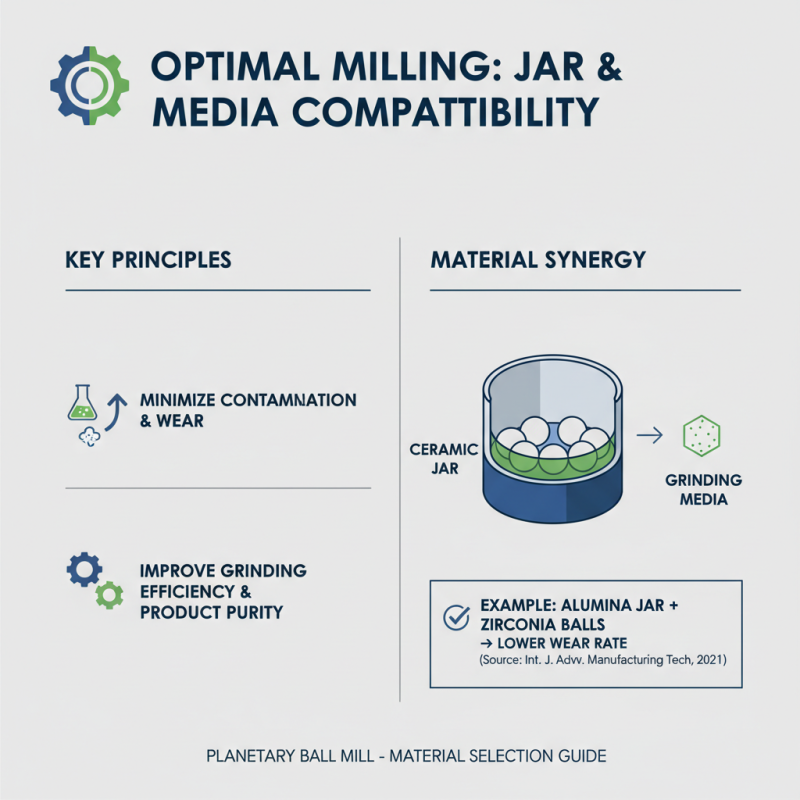
When selecting the appropriate ceramic jar for a planetary ball mill, the compatibility between the jar material and the grinding media is crucial for achieving optimal milling results. The interaction between the ceramic jar and the grinding media can directly influence the grinding efficiency and the purity of the final product. Studies indicate that using jars made from specific ceramic materials can significantly minimize contamination during the milling process. For instance, a 2021 report from the International Journal of Advanced Manufacturing Technology showed that alumina ceramic jars used with zirconia grinding balls had a lower wear rate compared to other combinations, highlighting the importance of material synergy.
Additionally, the hardness and density of both the ceramic jar and the grinding media should be taken into consideration. The Mohs hardness scale is often utilized to evaluate these materials, with harder materials typically providing better grinding performance. A statistical analysis revealed that a perfect compatibility pairing—such as using a high-density alumina jar with high-hardness ceramic beads—can increase the milling rate by up to 25%. This data underscores the necessity of selecting compatible materials to optimize grinding conditions and extend the lifespan of processing equipment, ultimately leading to higher productivity in ceramic milling operations.
When selecting a ceramic jar for your planetary ball mill, assessing cost-effectiveness and durability is crucial. Higher initial costs can often lead to long-term savings when the durability of the product is reliable. A well-made ceramic jar can withstand the intense mechanical stress during milling, which reduces the frequency of replacements. This consideration is particularly important for those who engage in large-scale production or frequent experimentation, where repeated purchases could significantly impact budget.
In addition to durability, it is essential to analyze the materials used in the ceramic construction. Different compositions can result in varying resistance to wear and tear, impacting the jar's lifespan and, ultimately, its cost-effectiveness. High-quality ceramics may cost more upfront but can offer superior performance and a longer service life, leading to lower operational costs over time. Therefore, choosing a ceramic jar that balances both price and durability is key to maximizing efficiency and reducing long-term financial burdens in any milling operation.
In the realm of material processing, maintaining ceramic jars in planetary ball mills is crucial for ensuring optimal performance and longevity. According to a study by the International Journal of Advanced Manufacturing Technology, regular maintenance can enhance the average lifespan of ceramic jars by 20-30%. This not only reduces costs associated with replacement but also improves the quality of processed materials, leading to better end products.
One essential maintenance tip is to inspect ceramic jars and their liners regularly for any signs of wear or damage. Cracks or chips can lead to contamination of materials during milling, affecting the purity and reactivity of the final product. Always clean jars thoroughly after each use to avoid residue buildup, which may compromise subsequent milling cycles.
Another important aspect to consider is the calibration of the milling process. Operating at recommended speeds and load capacities prevents excessive wear on ceramic jars. Regularly review operational parameters to ensure they align with manufacturer guidelines and adjust as necessary. Keeping a maintenance log can help track usage patterns and anticipate when jars may need servicing or replacement, ensuring that your milling process remains efficient and effective.
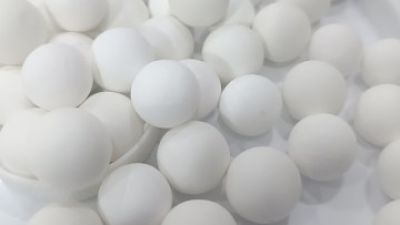
In the chemical industry, the use of inert ceramic alumina balls has seen a remarkable rise due to their innovative applications and distinct advantages. These balls are characterized by their excellent roundness, smooth surface, and high gloss, making them easy to clean and maintain. Furthermore, their high whiteness is a significant asset, as it does not affect the coloration of the materials they come into contact with, ensuring product integrity and aesthetic quality.
One of the standout features of alumina balls is their superior toughness and lower wear rate. Reports indicate that these ceramic balls exhibit remarkable resistance to impact, which means they can withstand high-speed operations without risk of fragmentation. This durability fosters more efficient processes in chemical applications, allowing for sustained operational performance without the need for frequent replacements. Additionally, the lower filling density of these ceramic balls ensures that they do not exert extra impact, contributing to less wear on processing equipment and extending its lifespan.
Industry data suggests that the introduction of high-quality inert ceramic alumina balls can significantly enhance productivity and reduce operational costs for chemical manufacturers. By providing cleaner processing environments and maintaining the integrity of materials, these innovative solutions are becoming indispensable in achieving efficiency and sustainability in the chemical sector. As the demand for high-performance materials continues to evolve, the role of inert ceramic alumina balls is poised to expand further, reshaping practices within the industry.
: A planetary ball mill is an advanced grinding device that mixes and grinds materials at a microscopic level through the motion of grinding balls around a central axis, leading to high-energy impacts that effectively break down particles.
Planetary ball mills are more efficient due to their unique motion, allowing each ball to experience radial and axial forces, which results in better milling processes, particularly for fine particle sizes or homogeneous mixtures.
They are commonly used in material science, chemistry, and nanotechnology, particularly in applications requiring fine particle size and uniform mixtures.
The choice of ceramic jar material impacts particle size reduction efficiency, contamination levels, and the lifespan of the jar, making it crucial for achieving optimal results in milling processes.
Factors to consider include the material's durability, wear resistance, compatibility with the processed substances, jar capacity, thickness, and specific application requirements.
Mismatched jar materials can lead to contamination, which negatively impacts the quality of the final product, making it essential to understand the chemical composition and reactivity of the jar material.
Alumina and zirconia are popular choices because of their mechanical strength and chemical stability, making them suitable for a variety of applications.
By selecting a high-purity ceramic jar material and ensuring compatibility with the powdered substances, users can reduce the risk of unwanted interactions and contamination.
Prioritizing jar material selection can enhance the performance of planetary ball mills and ensure the integrity and purity of the materials being processed.
When selecting a **ceramic jar for planetary ball mill**, it is crucial to understand the specific requirements of the mills and their applications. The correct material choice can significantly influence the grinding process, ensuring efficiency and quality of results. Factors such as size, design, and compatibility with grinding media play a vital role in determining the performance of the jar. Additionally, assessing the cost-effectiveness and durability of the ceramic jars can help in making a well-informed decision.
Maintenance also plays a key role, as proper care can extend the lifespan of the ceramic jar. By carefully considering these elements, users can optimize their planetary ball mill processes, achieving better outcomes in their applications.