When you're choosing the right Zirconia Ceramics Balls for your industrial needs, it’s really important to understand what specific properties and performance factors will work best for your particular application. Zirconia Ceramics Balls are pretty well-known for their outstanding wear resistance, high density, and tough mechanical strength. That makes them perfect for a bunch of different uses—like grinding, milling, or even in super precision machinery. As industries keep evolving and demanding better, higher-quality materials, picking the right ceramic balls becomes even more crucial.
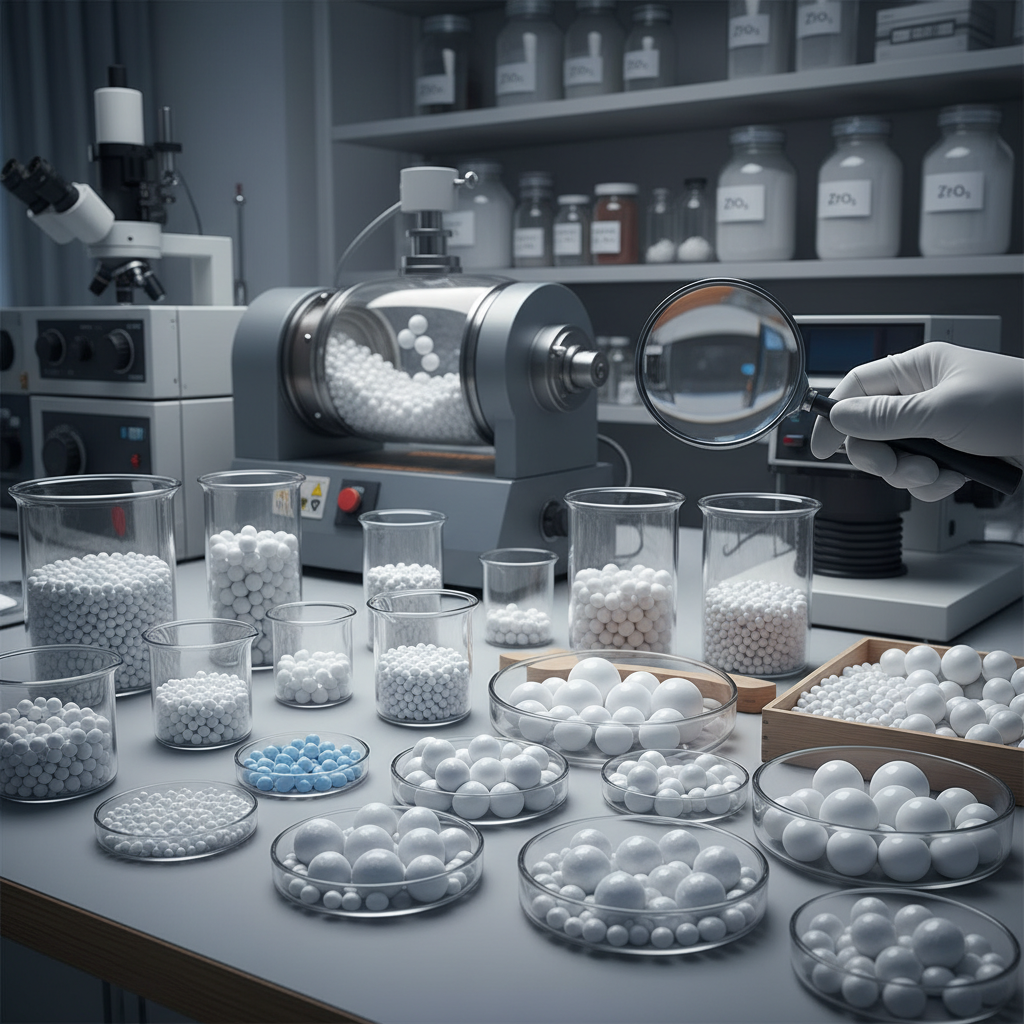
At Pingxiang Baitian (Ball-tec) New Materials Co., Ltd., we’re all about developing high-purity zirconia and alumina micro-crystalline ceramic grinding media. We’re passionate about quality, innovation, and staying ahead of the curve with our R&D efforts, which is why we’re a leading name in this niche. Whether you're into bio-dental stuff, solid fuel cells, or cutting-edge 3D printing, understanding what makes our Zirconia Ceramics Balls special and knowing their benefits will help you make smarter choices that boost your efficiency and improve your products.
In this handy guide, we’ll share some key tips and insights to make picking the right Zirconia Ceramics Balls easier for you. With our experience on your side, you'll be able to confidently select the perfect ceramic balls that match your business goals and technical needs. Let’s get started and help you find the best fit for your applications!
Understanding the Unique Properties of Zirconia Ceramic Balls for Industry
Zirconia ceramic balls are gaining recognition in various industrial sectors due to their exceptional properties. These balls are characterized by high strength, resistance to wear, and excellent thermal stability, making them ideal for applications in chemical and petrochemical industries. Their unique microstructure contributes to their durability and performance under extreme conditions, which is essential for maintaining the efficiency of machinery and equipment.
When selecting zirconia ceramic balls for industrial needs, it is crucial to consider the specific requirements of the application, including temperature ranges, loading conditions, and chemical exposure. The advanced ceramics market is projected to grow significantly, driven by the increasing use of materials like zirconia in high-performance applications. Understanding the distinct advantages of zirconia, including its low thermal conductivity and high density, can help industries make informed decisions that enhance operational efficiency and longevity of their equipment.
Key Factors to Consider When Selecting Zirconia Ceramic Balls
When selecting zirconia ceramic balls for industrial applications, there are several key factors to consider to ensure optimal performance. First, the hardness and wear resistance of the balls are crucial. Zirconia offers exceptional hardness, which enhances durability and extends the lifespan of the components. Choosing balls with the appropriate hardness can reduce maintenance costs and downtime in industrial operations.
Another significant factor is the size and precision of the ceramic balls. The diameter and tolerance levels must align with the specific requirements of your machinery. For applications that demand high-speed operations, precision becomes even more critical, as any deviations in size can lead to inefficiencies or even failure. Additionally, the thermal stability of zirconia ceramic balls should be evaluated based on the operating environment, especially if they will be exposed to extreme temperatures. By closely examining these factors, businesses can select the most suitable zirconia ceramic balls tailored for their industrial needs.
Comparative Analysis of Different Zirconia Ball Types and Their Applications
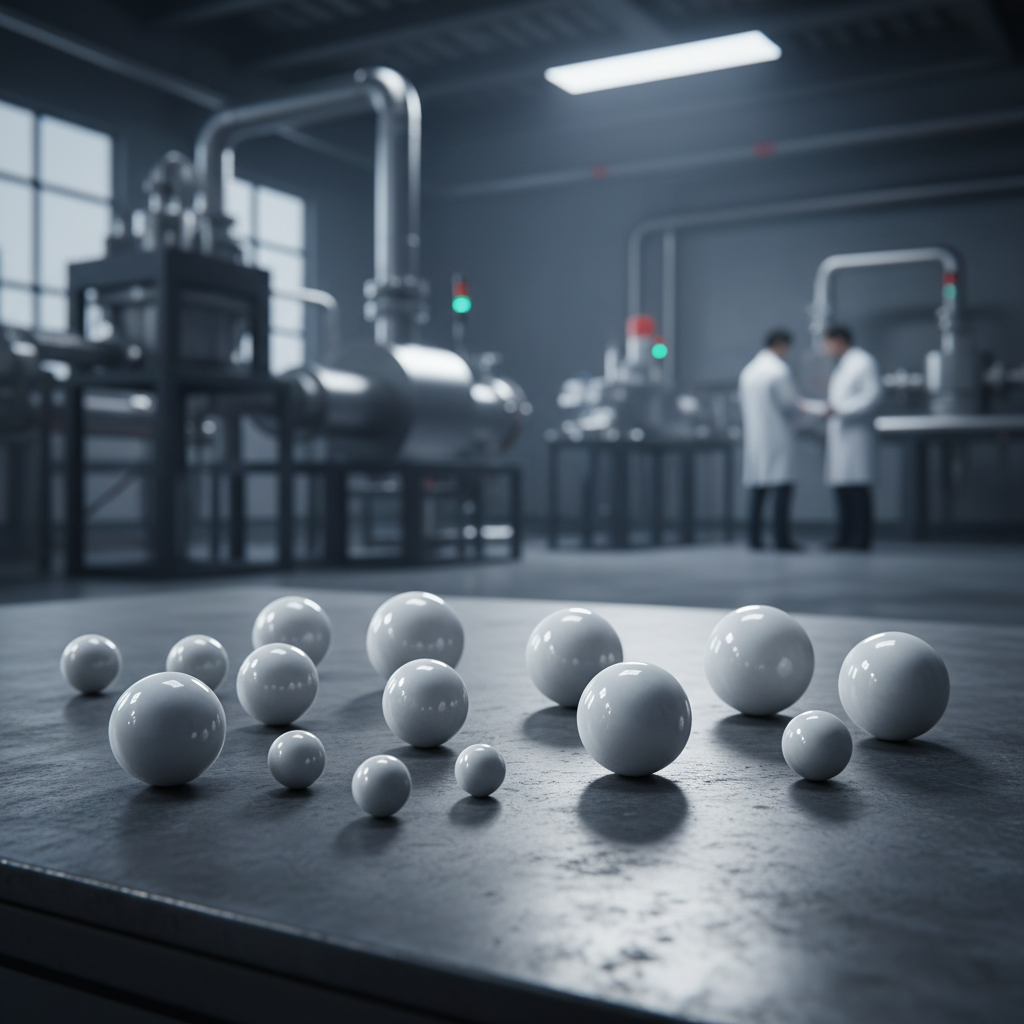
When selecting zirconia ceramic balls for industrial applications, understanding the various types available is crucial. Zirconia balls can be categorized based on their composition, manufacturing processes, and properties. For instance, blocks made from fully stabilized zirconia are known for their superior mechanical strength and resistance to wear, making them ideal for high-stress environments such as grinding and milling processes. In contrast, partially stabilized zirconia offers enhanced toughness but may not withstand as high a temperature, thus better suited for applications involving lower operational stresses.
Each type of zirconia ball serves distinct applications. For example, Yttria-stabilized zirconia balls are popular in the production of inks and coatings due to their fine microstructure and excellent stability under thermal stress. Conversely, ceria-stabilized zirconia is often utilized in the production of dental fillings and prosthetics because of its biocompatibility and aesthetic qualities. By analyzing these differences, industries can make more informed decisions when choosing zirconia balls that align precisely with their specific operational requirements and application needs.
How to Choose the Best Zirconia Ceramia Balls for Your Industrial Needs - Comparative Analysis of Different Zirconia Ball Types and Their Applications
| Zirconia Ball Type |
Diameter (mm) |
Density (g/cm³) |
Applications |
Advantages |
| Standard Zirconia Balls |
1.0 - 20.0 |
6.0 |
Grinding, Milling |
High hardness, wear resistance |
| Zirconia Toughened Balls |
3.0 - 50.0 |
6.1 |
Ceramic Industry, Metal Processing |
Enhanced toughness, impact resistance |
| Colorized Zirconia Balls |
1.0 - 10.0 |
6.05 |
Decorative Applications |
Aesthetic appeal, unique finishes |
| Superfine Zirconia Balls |
0.5 - 5.0 |
6.0 |
Nano Coating, High-Performance Composites |
Improved dispersion, fine particle fabrication |
Quality Standards and Certifications for Zirconia Ceramic Balls
When selecting zirconia ceramic balls for industrial applications, it is crucial to consider the quality standards and certifications that ensure product reliability and performance. Zirconia balls can significantly enhance operational efficiency thanks to their exceptional hardness and wear resistance, but not all products meet the rigorous demands of modern industries. According to a report by the International Organization for Standardization (ISO), materials used in industrial applications should comply with ISO 9001 guidelines, which guarantee that the quality management systems of manufacturers are continuously improving.
Furthermore, certifications such as ASTM and FDA can also play an essential role in determining the suitability of zirconia ceramic balls for specific applications. For example, ASTM C1424-19 lays out the standards for ceramic materials, including strength, durability, and thermal properties, crucial for industries such as aerospace and automotive. Additionally, Zirconia balls that meet FDA standards are vital for industries requiring hygienic materials, such as food processing and pharmaceuticals. The adherence to these standards ensures that the ceramic balls not only perform effectively but also withstand rigorous testing and operational conditions, ultimately leading to improved productivity and reduced downtime.
Cost Considerations and Budgeting Tips for Industrial Purchases
When selecting zirconia ceramia balls for industrial applications, cost considerations play a pivotal role in the decision-making process. Recent reports from the Global Zirconia Ceramics Market highlighted that the demand for zirconia ceramics is projected to reach approximately $20 billion by 2025, underscoring the necessity for businesses to budget effectively. Companies should consider not only the purchase price of the balls but also their longevity and performance, which can significantly affect overall operational costs.
Tip: When budgeting, it’s essential to account for hidden costs, including shipping, handling, and potential wholesale discounts on bulk purchases. Many suppliers offer tiered pricing models that can provide significant savings if larger quantities are ordered. This approach not only enhances budgeting but also ensures a steady supply for future needs.
Moreover, investing in high-quality zirconia balls can lead to lower maintenance costs and reduced downtime in industrial processes. The initial expenditure may be higher, but the resulting efficiency can lead to long-term savings. According to the International Institute of Advanced Manufacturing, organizations that upgrade to premium zirconia products often see a performance increase of up to 30%, making the investment worthwhile.
Tip: Engage with suppliers to negotiate custom contracts or explore financing options, ensuring the procurement process aligns with your company’s financial strategies. Maintaining flexibility in payment terms can also ease the upfront burden and facilitate smoother cash flow management.
Future Trends in Zirconia Ceramic Ball Technology and Innovation
The future of zirconia ceramic ball technology is poised for rapid innovation, driven by advances in manufacturing processes and material science. As industries increasingly demand high-performance grinding media, the focus is shifting towards enhancing the durability, precision, and versatility of zirconia ceramic balls. This evolution is being led by companies like Pingxiang Baitian (Ball-tec) New Materials Co., Ltd., which are committed to extensive research and development in this field. The integration of high-purity zirconia powder into their production processes ensures that the resulting grinding media not only meets but exceeds industry standards, catering to specialized applications in sectors such as bio-dental and 3D printing.
Emerging trends in zirconia ceramic ball technology include the development of micro-crystalline structures that improve resistance to wear and breakage while maintaining lightweight properties. These advancements allow for greater efficiency in applications across various industries, including solid fuel cells. Furthermore, as sustainability becomes a primary concern, innovations that reduce environmental impact in manufacturing and materials sourcing are gaining traction. Companies that invest in these future-oriented developments will be well-positioned to meet evolving industrial needs and contribute to a sustainable future in material technology.
Comparative Analysis of Zirconia Ceramic Balls Properties
Exploring the Benefits and Applications of Chrome Steel Solid Ball Bearings in Various Industries
Chrome steel solid ball bearings are pivotal in numerous industries due to their outstanding performance and reliability. The superior quality of these bearings stems from the use of high-quality vacuum degassed steel and cutting-edge manufacturing technologies. BTS, a leader in chrome steel ball production, ensures that their products are crafted to perfection, allowing for high precision and robustness that meet stringent industry standards. This commitment to quality has garnered the trust of world-renowned clients who rely on these bearings for various applications.
These chrome steel ball bearings excel in precision motor bearings, precision machinery, and rolling screws, among other uses. Their resistance to wear and ability to handle heavy loads make them ideal for demanding industrial environments. With a high hardness and a smooth surface finish, these bearings offer enhanced performance, which ultimately translates to increased efficiency and reduced maintenance costs in operational applications. As industries continue to evolve and push for higher performance standards, the role of chrome steel solid ball bearings will undoubtedly become even more critical in sustaining productivity and innovation.
FAQS
: The key factors include hardness and wear resistance, size and precision, and thermal stability. Each factor plays a crucial role in ensuring optimal performance and durability in industrial operations.
Hardness enhances durability and extends the lifespan of components, which can reduce maintenance costs and downtime in industrial settings.
The diameter and tolerance levels must match the machinery's specific requirements. High precision is particularly critical for high-speed operations to avoid inefficiencies or failures.
Zirconia balls can be categorized based on composition and properties. Fully stabilized zirconia balls are ideal for high-stress environments, while partially stabilized zirconia is suited for lower operational stresses. Other types serve specific applications, such as Yttria-stabilized balls for inks and coatings, and ceria-stabilized balls for dental prosthetics.
They should comply with ISO 9001 standards for quality management systems, as well as relevant ASTM and FDA certifications to ensure reliability and performance in various applications.
These certifications ensure that the zirconia balls meet stringent quality requirements necessary for specific industries, such as aerospace, automotive, food processing, and pharmaceuticals.
Thermal stability should be evaluated based on the operating environment, especially for applications exposed to extreme temperatures, ensuring the balls perform effectively under those conditions.
Performance testing helps ensure that the ceramic balls can withstand rigorous operational conditions, contributing to improved productivity and reduced downtime in industrial applications.
Conclusion
Zirconia Ceramia Balls are essential components in various industrial applications due to their unique properties such as high strength, wear resistance, and thermal stability. Understanding these characteristics is crucial for industries looking to enhance their processes. When selecting Zirconia Ceramia Balls, factors such as the specific application, ball size, and type must be considered to ensure optimal performance. Additionally, a comparative analysis of different Zirconia ball types helps in identifying the most suitable option for various uses.
Quality standards and certifications play a vital role in guaranteeing the reliability of these materials. Cost considerations should also be factored in to align with budgeting requirements while pursuing high-quality solutions. As a high-tech organization specializing in zirconia materials, Pingxiang Baitian (Ball-tec) New Materials Co., Ltd. stays ahead of future trends, continually innovating to meet evolving industrial needs.