Pingxiang Baitian New Materials Co., Ltd

Leave Your Message
Currently, the leading international market is that of the high-quality 'ecules' of high-energy vast Ball Mills, Aluminum Powder, and many other fields such as aerospace, automotive, and electronics. The latest market survey shows that the worldwide demand for aluminum powder would reach USD 3.1 billion by 2025, after registering a CAGR of 4.2% throughout the period under consideration. The demand is predominantly driven mainly by the increased market penetration of aluminum powder in powder metallurgy and additive manufacturing due to its unique features, which enable the fabrication of lightweight, high-strength components.
Pingxiang Baitian (Ball-tec) New Materials Co., Ltd. has already placed itself in the vanguard of production lines, focusing on high-tech materials involving zirconia and alumina micro crystalline ceramic grinding media apart from high purity zirconia powder. Therefore, with progress in research and innovation in material science, Baitian is directly a contributor to the increased quality standards in Ball Mill Aluminum Powder. The right supplier, or manufacturer, will help ensure that the aluminum powder meets the stringent requirements of purity and particle size distribution, which are crucial for achieving optimal performance in diverse applications.
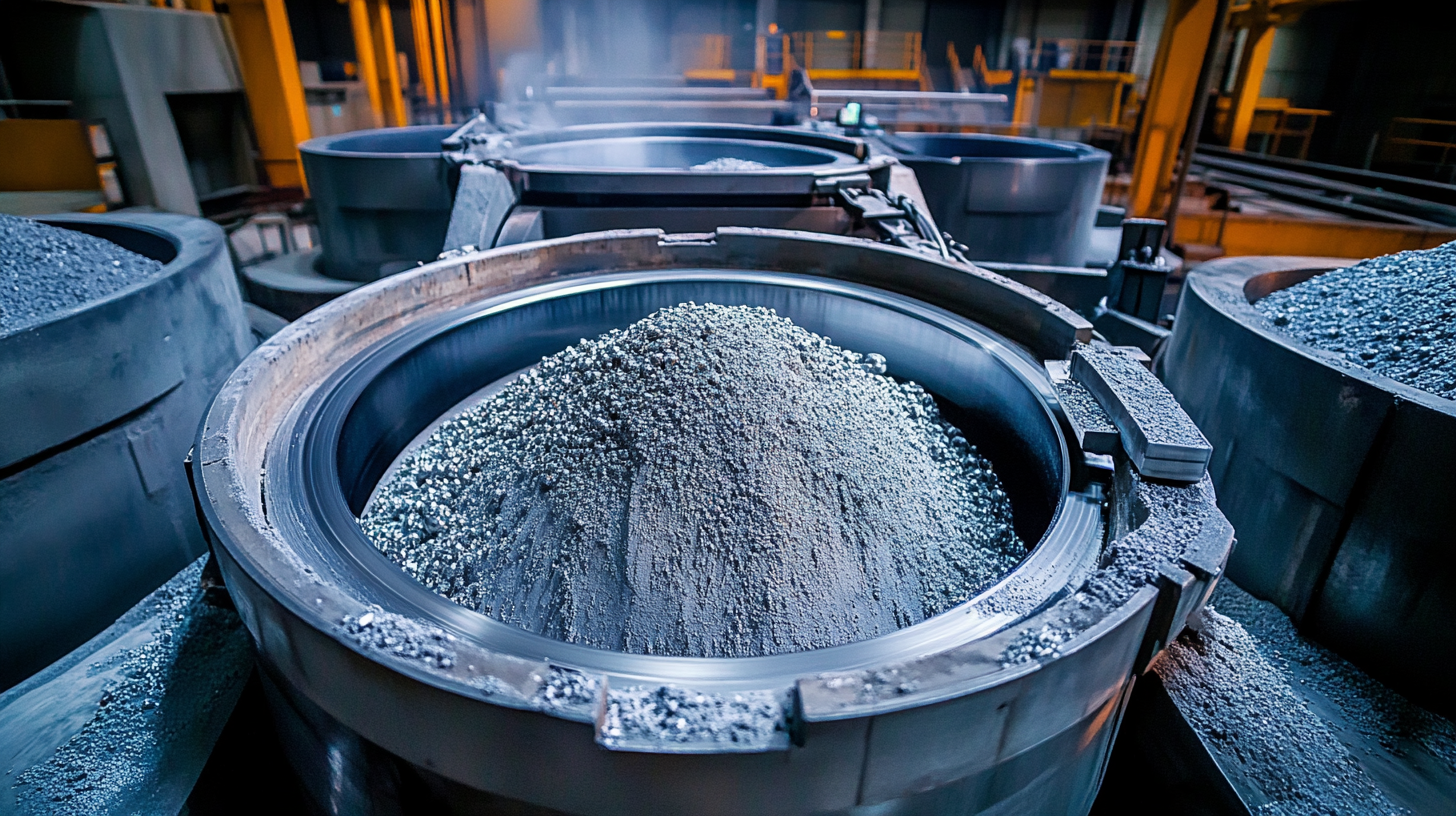
In the manufacture of Top quality ball mill aluminum powder, what is paramount are the factors that are of importance regarding quality in production. Aluminum powder, as this is used in many industries, such as in aerospace, automotive and many pyrotechnics, directly affects the product quality and safety; it has to do with every component getting into these kinds of systems. According to a MarketsandMarkets report, the global aluminum powder market will reach USD 1.85 billion by 2024, clearly indicating the soaring demand for it. The manufacturers should meet those requirements and standards concerning quality to be able to compete with competitors. While producing aluminum powder, a careful examination is made from the raw materials that are input up to the milling process itself. Particle size, shape, and surface area can substantially affect reactivity and in-use performance. According to Both Journals International Journal of Advanced Manufacturing Technology, low-quality powders give unreliable performances such as incomplete combustion in pyrotechnics, low strength in composite materials, etc. Hence, the manufacturer has to be selected on the basis of strict quality control practice, such as ISO certification with regular testing of particle characteristics of incoming materials or products. In addition, advanced technology has empowered manufacturers to produce such highly refined aluminum powders with much better performance attributes. For example, advanced milling techniques can reduce the particle size significantly while maintaining particle size distribution, which is a requirement for applications in nanotechnology and other innovative exploitation areas. Research published in the Journal of Alloys and Compounds indicates that finer aluminum powders lead to much improved mechanical properties, which makes them attractive to manufacturers of such high-performance materials. Hence, when looking for the better manufacturer, one has to consider technology and ability in accordance with quality.
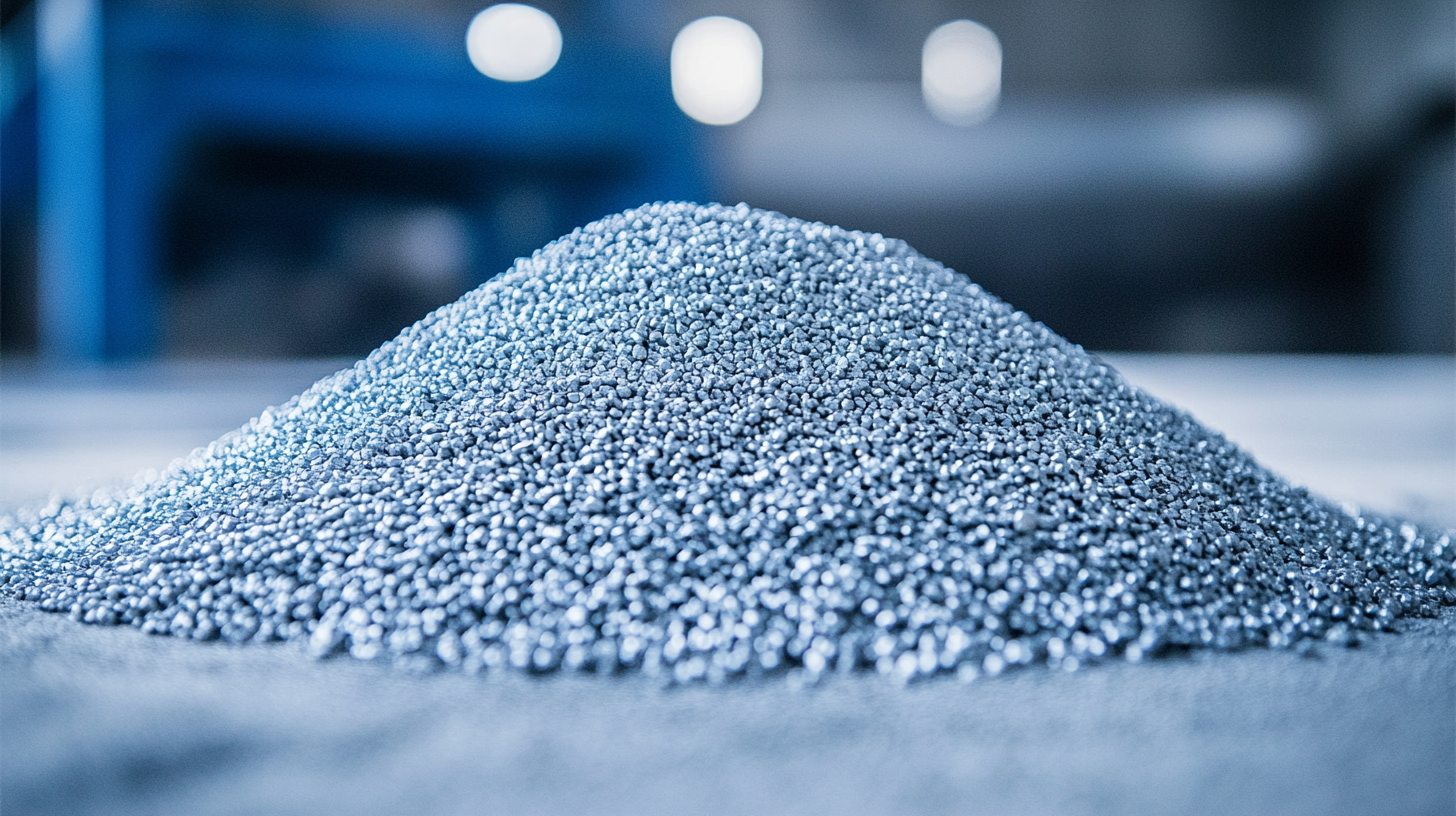
First, one should look for the experience and expertise of the manufacturer in the field. Any manufacturing company might have years of practice and know the nuances of producing aluminum powder and, thus satisfying the strict quality standards into which everyone must enter. Another important characteristic is the really steadfast commitment of the manufacturer towards his quality controls. It would be best to look at companies that really do this: offer the most stringent quality assurance throughout the production process that they employ-from the raw materials to the routine inspections, all should be aware of their testing procedures. This is another good attribute of a reliable supplier; whenever you ask for it, by default, they happen to share information about their certificates and quality management systems.
Depending on how they treat their customers or their communication process, they will automatically position themselves as good partners for such manufacturing needs. A partner is always accessible to lend their ear in case questions or issues come up. They are also able to give timely updates and real-time information on the state of production. Communication is that opening through which the entire collaboration can grow, leading to a better competitive edge. Furthermore, it ensures that the partner and you are on the same page as to where they are in their operations and timelines, minimizing the chances of delays and misunderstandings.
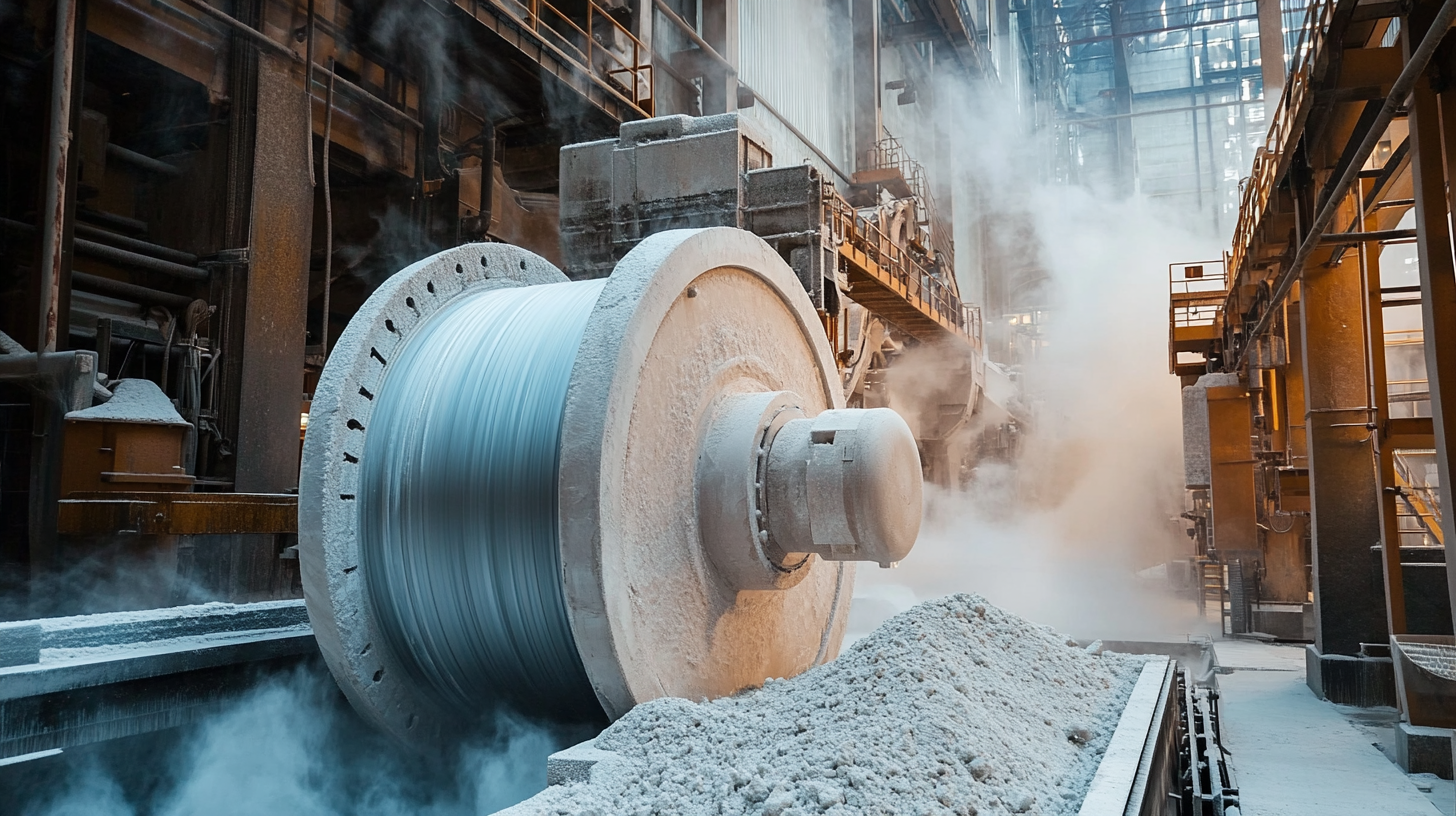
An aluminum powder end product may be generated by different methods, all of which require consideration for product quality. In this regard, the aluminum powder industry has undergone much change, with manufacturers moving into modern equipment and new procedures. A recent report on the Global Aluminum Powder Market shows that a CAGR of 6.5% is estimated between 2021 and 2026, which indicates a growing demand for aluminum powder of quality that can be used for diverse applications, including aerospace and automotive.
The principal manufacturing processes for aluminum powder are ball milling, atomization, and chemical methods. Ball milling, in particular, is the process of choice explains that due to its efficiency in producing fine particle sizes plus homogeneous distributions. According to experts, the so-called ideal milling parameters—time, speed, and ball-to-powder ratio—affect the end characteristics of aluminum powder being produced. It has been reported that optimizing these parameters will give a better yield with minimized contamination during processing, leading to a purer product that can withstand rigorous quality standards.
Another key issue is the quality control during the manufacturing process. ISO certification and conformity to standards ensure credibility for a manufacturer. The American Society for Testing and Materials (ASTM) has outlined particular testing methods for aluminum powders, thus calling for stringent testing for particle size, shape, and purity. Manufacturers who adhere to these quality control measures consistently have a competitive edge in the market, wherein they provide superior products that meet the specifications of customers and regulators.

Certifications are of paramount importance for a manufacturer to produce high-quality ball mill aluminum powder. In a competitive environment where raw material quality directly affects the end product performance, such certifications provide an assurance of the manufacturer’s commitment to excellence. As per a recent report published by Research and Markets, quality certifications can enhance company credibility by nearly 40%, which makes it imperative for buyers to consider these endorsements seriously.
Industry standards such as ISO 9001 and ISO 14001 provide an insight into a manufacturer’s capability to adhere to stringent quality control processes and environmental management practices. An ISO-certified manufacturer reflects its commitment to above-average production standards while diminishing the effects on the environment, which is increasingly important in today’s conscious market. Furthermore, a survey performed by the American Society for Quality showed how companies with certified manufacturing processes would show a 25% decrease in defects and rework, concretely proving the benefits of choosing certified manufacturers.
In addition, industry-specific certifications, such as those issued by the ASTM, keep the spotlight on those manufacturers producing aluminum powders. The certifications ensure that the products have to meet stringent specifications with respect to their intended application. Therefore, when seeking high-quality ball mill aluminum powder, buyers should prioritize manufacturers with such certifications, as they guarantee product quality and also are an indication of the manufacturer’s commitment to continuous improvement and customer satisfaction.
Customer reviews and testimonials play a significant role when one is searching for a reliable manufacturer of quality ball mill aluminum powder. In a study conducted by the American Society for Quality (ASQ), 70% of consumers expressed that they take into consideration opinions in reviews while making a purchasing decision, thus emphasizing social proof in the manufacturing industry. Online platforms such as Trustpilot and Google Reviews can provide insight into how a manufacturer-their performance, user experiences-that may help guide prospective buyers toward credible options.
Customer testimonials can also help in assessing the production capabilities and service quality of the manufacturer. A report published by Grand View Research indicates that the aluminum powder market would be propelling to USD 1.5 billion by 2025 on account of the booming demand from the aerospace and automotive industries. Given this growth, good manufacturing standards must be upheld. Past customer feedback indicates manufacturers who can provide products that meet strict quality demands so that you can be sure that your investments are safe.
Taking a look at past projects and client lists, therefore, is important to assess the standing of manufacturers in the industry. Evaluation of case studies or detailed project reports can provide a good overview of the levels of customer satisfaction achieved. Manufacturers who are proud of their work will publish stories of success, relevant information that helps potential clients assess the reliability and credibility of suppliers of high-quality aluminum powder for ball milling applications.
When searching for a manufacturer of high-quality ball mill aluminum powder, understanding the pricing mechanisms would greatly influence the overall costing. The present-day market has seen a swing towards more transparent pricing, ensuring that manufacturers can align their cost structure with quality standards. Nothing provides more justification for this than the fact that quality cannot be compromised anymore, and the demand for high-quality materials is on the rise.
It empowers comparison on various pricing structures; it means that the industrialists will be able to choose carefully. Recent developments within the financial markets in China have reaffirmed the need to emphasize pricing optimization so that it can sustain the growth of the real economy. The principles would extend past mere financial products; rather, they will be relevant to manufacturing sectors trying to overcome quality downgrades. Transparent, competitive pricing draws customers toward the company but also displays the company's commitment to both quality and service, its pillars in the market.
Any company wishing to thrive must grasp pricing options on the basis of continuous alignment with quality parameters. As industries evolve with economic change and customer expectations, the pricing must reflect both the quality of goods and operational efficiencies from the manufacturers' side. This creates an environment of informed comparisons among manufacturers whereby businesses may target and further choose those holding favor toward their quality stipulations capable of affording fair and competitive pricing schemes.
Creating an effective communication channel with your manufacturers is essential when sourcing good quality ball mill aluminum powder. It is how well you are able to communicate with your supplier that largely determines the successfulness of your production process. Communication is going to create an understanding of the specifications and standards that you require. Clear needs have to be discussed openly; this will include particle size, purity, and consistency that affect the quality of the aluminum powder produced.
One of the best ways to enable the communication would thus be a variety of means such as emails, video chat, and round-table meetings in propelling the communication along. Each channel has its use; for instance, video chat is as good as face-to-face discussion for personal relationships and enabling real-time discussion, whereas emails would preserve a record of specifications and agreements regarding aluminum powder custom manufacturing processes. Additionally, advantages such as using project management tools provide a platform for continuous operations communication between the two parties all the way through a process.
Trust and transparency between parties are also paramount in creating the necessary environment. Regular updates and feedback loops can help prevent possible issues and allow manufacturers to adjust their processes according to your needs. A two-way communication would ensure that immediate answers are tendered to arising issues but also produce grounds by which manufacturers bring valuable ideas coming from their experience with the joint commercial effort into consideration for a much brighter and successful partnership.
One of the most critical decisions in sourcing manufacturers for high-quality ball mill aluminum powder is whether to go with a domestic option versus an international one. According to a Grand View Research report, the global aluminum powder market size was valued at about USD 1.75 billion in 2020, with major growth expected due to the increasing demand in sectors such as aerospace, automotive, and construction. This widely acknowledged market can certainly affect the manufacturing arena as companies struggle to deliver quality products while keeping costs manageable.
Assessing these factors, domestic manufacturers are often credited with a quick lead time and low shipping costs, which could be crucial for businesses requiring a consistent supply of aluminum powder. In a study by IBISWorld that described the characteristics of the U.S. aluminum industry, the companies were described as strongly positioned with some of the best infrastructures and high innovation levels. Due to proximity, domestic manufacturers are likely to respond very fast to changing customer requirements as well as better enforce quality control.
On the flip side, international manufacturers could offer competitive and lower prices due to low labor and production costs, mainly in areas such as Asia-Pacific, which accounted for over 50 percent of the market share worldwide as of 2020. However, problems could be encountered with overseas suppliers, such as extended lead times and some unassured quality. Any company that would like to secure a reliable source for aluminum powder to satisfy its production requirements should ensure that those manufacturers comply with international quality standards. Hence, this choice between domestic and international sourcing requires a careful analysis of priority considerations, including cost, quality, and logistics.
Customer reviews and testimonials provide valuable insights into the performance and credibility of manufacturers, as 70% of consumers rely on them when making purchasing decisions.
Online platforms such as Trustpilot and Google Reviews can be used to gather insights into user experiences and the performance of manufacturers.
Customer feedback helps identify manufacturers that consistently meet stringent quality requirements, ensuring that investments in aluminum powder are sound.
It’s important to evaluate the manufacturer’s past projects, client lists, and any success stories published, as these provide a comprehensive understanding of their service quality and industry reputation.
Understanding and comparing pricing structures can significantly impact overall costs, and transparent pricing models reflect a manufacturer’s commitment to quality and service.
Domestic manufacturers typically offer reduced lead times and better quality control, while international manufacturers may provide lower prices but can face challenges like longer lead times and potential quality inconsistencies.
Companies should analyze priorities such as cost, quality, and logistical considerations to make an informed decision about sourcing aluminum powder.
As the demand for high-quality aluminum powder grows, manufacturers must uphold quality standards to remain competitive and meet customer expectations.
By aligning pricing structures with quality standards and ensuring transparency, manufacturers can attract customers while demonstrating a commitment to quality.
The aluminum powder market is expected to reach USD 1.5 billion by 2025, driven by demand in sectors like aerospace and automotive, highlighting the importance of reliable manufacturing sources.