When you get into the world of advanced materials, picking the right parts is honestly a pretty big deal. Take Zirconia Ceramic Parts, for example — you really can’t skimp on quality here. Dr. Emily Chen, who’s an expert over at Advanced Ceramics Solutions, puts it plainly: "The reliability of Zirconia Ceramic Parts can really make or break how well your project performs." Her words just remind us how important it is to choose your components carefully.
Zirconia ceramics are pretty impressive—they’re super durable and strong. That’s why you’ll find them popping up in all sorts of industries, from medical devices to aerospace tech. But, honestly, deciding which one is right for you can feel kinda overwhelming. Things like the exact composition, how they’re made, and even who’s making them all matter. It’s a smart move to figure out exactly what you need before making any big decisions.
Of course, not all Zirconia Ceramic Parts are created equal. Even if they look similar, quality issues can pop up and cause failures when you’re counting on them most. That’s why it’s really worth digging into your potential suppliers—check out their manufacturing processes and reputation. Doing your homework now can save you headaches later and help make sure your projects go smoothly.

Understanding Zirconia Ceramics: Properties and Benefits
Zirconia ceramics are well-known for their exceptional properties. These materials boast high strength, excellent wear resistance, and low thermal conductivity. A recent industry report highlights that zirconia can withstand temperatures up to 1,600 degrees Celsius, making it ideal for demanding applications. Its hardness, measured at 1,200 HV, exceeds that of many metals. This enables zirconia ceramics to endure harsh environments without significant degradation.
In addition to durability, zirconia offers biocompatibility. This property makes it suitable for medical applications such as dental implants and surgical instruments. Studies indicate that zirconia’s inert nature reduces the risk of rejection in patients. However, not all zirconia ceramics are created equal. Variations in production techniques can lead to inconsistencies in quality. It’s essential to evaluate the manufacturing process and sourcing of materials when selecting suppliers.
Cost is another factor to consider. While zirconia ceramics can be more expensive than other materials, the long-term benefits may justify the investment. For instance, their extended lifespan can reduce replacement costs. Despite these advantages, some manufacturers may not fully disclose material compositions or fabrication methods. This lack of transparency can pose challenges in ensuring quality. As a buyer, diligence is necessary. Understanding the properties and potential pitfalls of zirconia ceramics can lead to more informed purchasing decisions.
Identifying Your Requirements for Zirconia Ceramic Parts
When selecting zirconia ceramic parts, clarity on your requirements is essential. Begin by analyzing the specific application of these parts. Are they intended for high-stress environments, or will they be used for aesthetic purposes? Understanding the operational conditions can guide you in selecting the correct material properties.
Next, assess the desired dimensions and tolerances for your project. This step is crucial as even minor discrepancies can lead to significant failures. Gathering precise measurements and considering the acceptable tolerance levels will enhance your decision-making. Engage with suppliers and request samples to evaluate the fit and quality.
Consider the environmental conditions too. Factors like temperature, humidity, and exposure to chemicals can affect performance. Documenting these parameters will help avoid unexpected outcomes. Reflect on past experiences and be willing to iterate on your choices. Making informed decisions requires not just technical specifications but also a deep understanding of your unique needs.
Evaluating Quality Standards in Zirconia Ceramic Manufacturing
When selecting high-quality zirconia ceramic parts, it’s essential to evaluate the manufacturing quality standards. Begin by understanding the material properties of zirconia. This material stands out due to its high strength and wear resistance. A reliable supplier should provide material certification, detailing the properties of the zirconia used in their products.
Quality control in manufacturing is another critical aspect. Look for companies that adhere to established industry standards. They should perform regular testing and inspections. This includes checking for defects, measuring dimensions, and ensuring surface finish. Pay attention to the processes used in production. Companies that prioritize clean and organized facilities often yield higher-quality products.
It can be challenging to navigate the options available in the market. Not all suppliers will meet the same standards. Be wary of overly aggressive pricing, as this can indicate compromised quality. Asking for samples can provide insight into a supplier's capabilities. Ultimately, choosing the right supplier requires careful consideration and sometimes, trial and error.
Sourcing Reliable Wholesale Suppliers for Zirconia Ceramics
Sourcing reliable wholesale suppliers for zirconia ceramics requires careful consideration. Begin by assessing your needs precisely. A solid understanding of the specific application for each Ceramic Fitting Part is essential. Not all suppliers offer the same quality, and the differences can be significant. Look for suppliers with a proven track record in the industry. Consider their production capabilities and quality control processes.
Networking and seeking recommendations can lead you to reputable suppliers. Attend industry trade shows or join online forums. Check if potential suppliers have certifications or endorsements from relevant authorities. It instills confidence but may not always guarantee the best product. Price alone should not dictate your choice; quality matters most, especially with zirconia ceramics.
Additionally, test samples before committing to larger orders. This step can reveal a lot about durability and performance. Do not overlook communication. Suppliers should be responsive, willing to discuss your needs, and able to provide technical support. Reflect on these factors to ensure you partner with a reliable supplier and secure high-quality Ceramic Fitting Parts for your projects.
How to Choose Wholesale High-Quality Zirconia Ceramic Parts for Your Needs?
| Criteria |
Description |
Importance Level |
| Material Quality |
Evaluate the purity and consistency of the zirconia used. |
High |
| Supplier Reputation |
Research reviews and feedback from previous customers. |
High |
| Production Capability |
Assess the supplier's production capacity and technology. |
Medium |
| Customization Options |
Check if the supplier can provide tailored solutions for specific needs. |
Medium |
| Pricing |
Analyze the cost versus quality offered by different suppliers. |
High |
| Lead Time |
Inquire about the time required for production and delivery. |
Medium |
| Quality Assurance |
Ensure the supplier has a quality control process in place. |
High |
Comparing Costs: Budgeting for High-Quality Zirconia Parts
When budgeting for high-quality zirconia ceramic parts, it's essential to understand the cost implications. Recent industry reports indicate that the price of zirconia ceramic components can vary significantly. High-grade zirconia generally costs between $200 to $400 per kilogram. Lower grades may appear attractive, but they often compromise durability and performance. This decision requires a careful balancing act between cost and quality.
Quality should dictate purchasing decisions. For example, a well-made Ceramic Structural Part can provide long-lasting performance, reducing the need for frequent replacements. A study from a leading materials science journal noted that investments in high-quality ceramics can lead to cost savings over time. Many companies have reported a 15% reduction in maintenance expenses when using superior zirconia parts.
Another factor to consider is the sourcing of these materials. Not all suppliers have the same reliability or standards. Some may charge lower prices but lack proper certifications. This leads to further expenses due to failure or inefficiency. Balancing initial costs against potential long-term risks can be challenging, yet it is a crucial part of the decision-making process. Seeking out reputable suppliers will enhance your purchasing strategy. Overall, thorough research on material quality should ultimately guide your budget.
Assessing Customization Options for Specific Applications
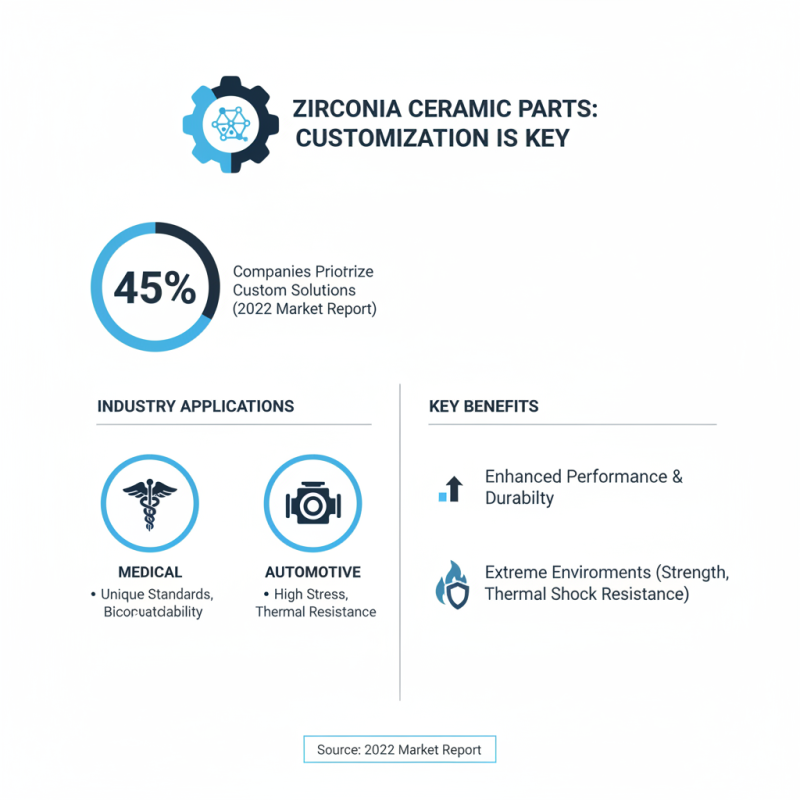
When selecting high-quality zirconia Ceramic Parts, customization is crucial for specific applications. Each industry, whether medical or automotive, requires unique standards. According to a 2022 market report, 45% of companies prioritize custom solutions for enhancing performance and durability. Zirconia’s strength and resistance to thermal shock make it suitable for demanding environments.
Customization options often include variations in size, shape, and surface finish. For example, a project may require a particular shape that optimizes fit and function. Manufacturers often work closely with clients to understand their needs. A study revealed that 60% of organizations see improved operational efficiency when using tailored ceramic parts.
Challenging aspects arise when ensuring consistency across customized orders. Fluctuations in raw material quality can lead to variations in mechanical properties. Thus, working with a reliable supplier is essential. Understanding the technical specifications and application requirements can mitigate risks. By prioritizing these customization aspects, businesses can better utilize zirconia ceramic parts to their full potential.
Performing Quality Control Checks Upon Receipt of Products
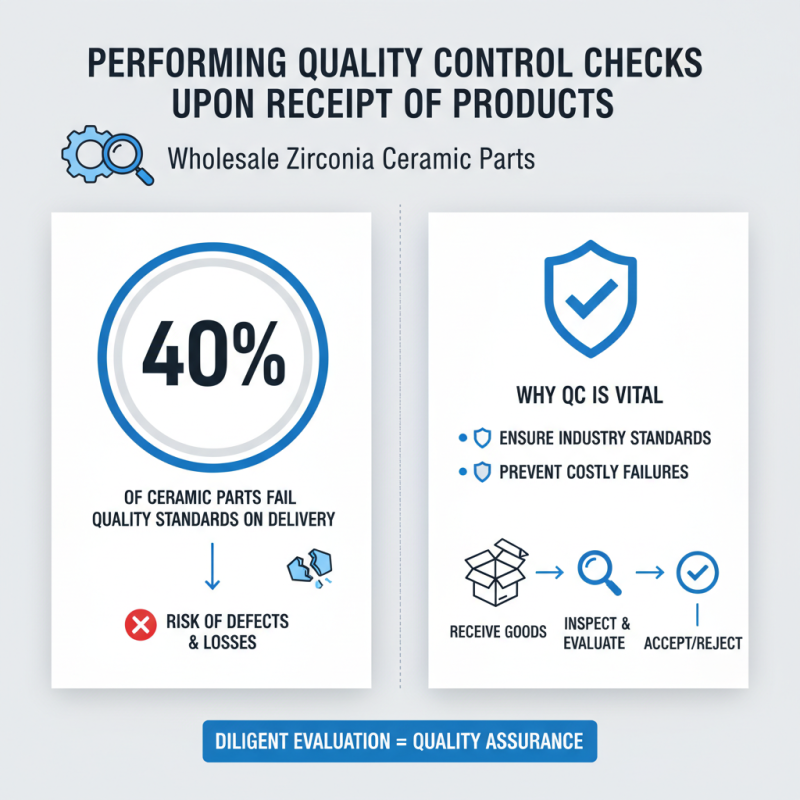
When receiving wholesale high-quality zirconia ceramic parts, it’s vital to conduct thorough quality control checks. Research reveals that approximately 40% of ceramic parts fail to meet industry standards upon delivery. This statistic underscores the importance of a diligent evaluation process.
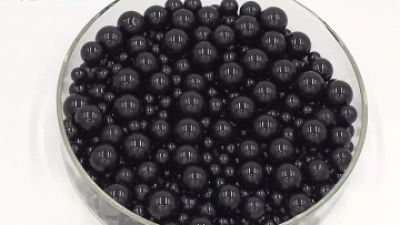
Begin by examining the packaging for any signs of damage. Damaged packaging can indicate potential breaks or defects in the zirconia ball. Inspect each piece carefully. Look for surface flaws, chips, or inconsistencies in color. According to industry reports, 30% of zirconia balls show variability in material consistency, affecting their performance in applications like fine grinding.
It’s crucial to have a reliable measurement process in place. Using calipers or gauges ensures that the dimensions match the specifications provided by the supplier. Reports indicate that 20% of misused zirconia balls lead to equipment inefficiencies and increased costs. Document any discrepancies. Addressing these issues can prevent larger problems during production. Quality control is not just a formality; it’s an essential step in maintaining operational efficiency and product reliability.
Exploring Market Trends: The Demand Surge for Precision Ground Ceramic Bearing Balls in Robotics Applications
The demand for precision ground ceramic bearing balls, particularly in robotics applications, has surged in recent years, driven by their exceptional performance and durability. Silicon nitride ceramic balls have emerged as a leading choice in this domain due to their remarkable properties. These balls exhibit high temperature resistance, corrosion resistance, and wear resistance, making them suitable for a variety of demanding environments.
In robotics, these characteristics are critical, as components often encounter high friction and operational stress. Silicon nitride ceramic balls are precisely sintered in high-temperature, non-oxidizing atmospheres, ensuring their structural integrity under extreme conditions. Their resistance to acids and alkalis further enhances their suitability for long-term use, particularly in marine environments where exposure to seawater can degrade conventional materials. Additionally, their excellent electrical and magnetic insulation properties make them ideal for applications where electromagnetic interference must be minimized.
As robotics technology continues to evolve, the integration of silicon nitride ceramic balls into system designs not only enhances performance but also increases the reliability of robotic systems. Their unique combination of properties positions them as a crucial component in the advancement of robotics, propelling the industry towards more efficient and resilient applications.
Conclusion
When choosing wholesale high-quality zirconia ceramic parts, it's essential to understand the properties and benefits of zirconia ceramics, such as their durability and resistance to wear. Identify your specific requirements for zirconia ceramic parts to ensure they meet your intended application. Evaluating quality standards in manufacturing will help you gauge the reliability of suppliers and the overall quality of the products.
Sourcing reliable wholesale suppliers is critical, as is comparing costs to stay within budget while ensuring high-quality materials. Assessing customization options can further enhance performance for specific applications. Finally, conducting quality control checks upon receipt of the zirconia ceramic parts is vital to ensure they meet your expectations and specifications. By following these steps, you can make informed decisions that will benefit your projects.