Nowadays, in the world of manufacturing, having high-quality materials really makes a big difference. Take 'Aluminum Powder 30 Micron,' for example—it's pretty popular because of how versatile and reliable it is. Dr. James Chen, a well-known expert in materials science, points out that "using the right aluminum powder can seriously boost your product quality." And honestly, that’s especially true whether you’re working in aerospace or automotive industries.
Choosing the right factory is super important too. China, for instance, has tons of factories that specialize in Aluminum Powder 30 Micron, and many of them use advanced tech and maintain strict quality control. But here’s the thing— not all factories are created equal. Do your homework! Some places might not have the right certifications or enough experience, and that could lead to inconsistent quality. Trusting the right supplier is really key.
Plus, the market is changing pretty fast. More companies are on the lookout for sustainable materials, so demand for top-quality aluminum powder is on the rise. Still, folks need to be careful. Things like reputation, experience, and specs matter a lot. Don’t just chase after the lowest price—taking a closer look and doing thorough research will get you better results in the end.

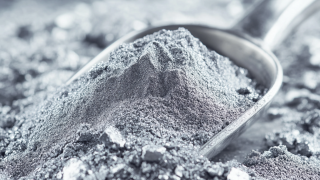
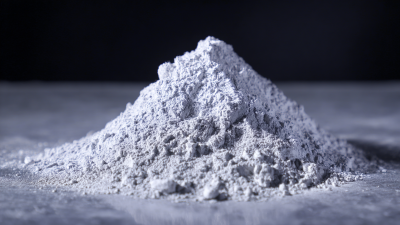
Choosing high-quality Aluminum Powder 30 Micron for your projects offers various benefits across different industries. This fine powder has numerous applications, from manufacturing to aerospace. Its unique particle size contributes to superior performance characteristics. High-quality aluminum powder provides excellent reactivity, which is crucial in many chemical processes. This reactivity enhances durability and project lifespan.
When selecting aluminum powder, consider the production process. High-quality factories ensure that the powder is uniformly sized and free from impurities. Impurities can affect the powder's performance and prevent optimal results. Moreover, superior aluminum powder offers better dispersion in mixtures. This means smoother finishes and improved applications.
Tips: Always request samples before making bulk purchases. Testing the powder can reveal its true quality. Also, review the factory's production methods. Understand their quality control procedures. A little research goes a long way in ensuring you use the best Aluminum Powder 30 Micron for your needs. Quality materials lead to successful projects. The difference becomes clear in the final output.
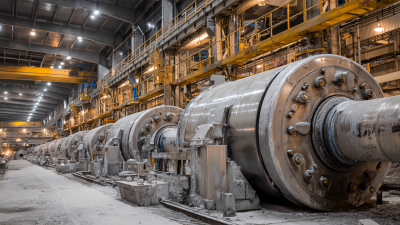
When considering aluminum powder, manufacturing precision is essential. Chinese manufacturers excel in producing 30-micron aluminum powder. Their advanced technologies and skilled workforce ensure high-quality products. These factories maintain stringent quality controls. Consistency in particle size can significantly impact application performance.
Many Chinese producers also offer additional services. They can customize the aluminum powder to suit specific needs. This flexibility is appealing to various industries. Some manufacturers explore sustainability initiatives. However, this is still a developing area for improvement. Finding the right supplier sometimes requires thorough research.
In addition to aluminum powder, these factories often provide Aluminum Oxide Abrasive Powder. This expands their product range. Nonetheless, customers should verify the specifications and applications of these materials. Each company may have different standards. Ensure you assess the suppliers carefully before committing. Quality can vary widely, even among well-established factories.
China has become a leader in aluminum powder production, particularly at the 30-micron size. The quality standards in Chinese factories are rigorous, focusing on purity and particle size distribution. Research indicates that over 90% of aluminum powder produced meets the international ASTM B211 specifications. These include controlled fineness and consistency, which are essential for various applications. High-quality aluminum powder is crucial in industries such as aerospace, automotive, and coatings.
One notable quality standard is the examination of Aluminum Oxide Powder content in the final product. Factories aim for less than 0.5% in their aluminum powder. This is vital because higher levels can lead to compromised performance in end products. Many manufacturers invest in advanced testing equipment to ensure compliance. However, not all factories consistently deliver on these standards. The variability can affect production and application processes.
Moreover, production methods play a critical role in maintaining quality. The gas atomization technique is widely adopted in China for producing fine aluminum powder. It ensures uniform particle distribution and minimizes oxidation. Yet, there are concerns about outdated equipment in some facilities. This can result in inconsistent product quality. Buyers must carefully vet suppliers and inspect production methods to avoid potential issues.
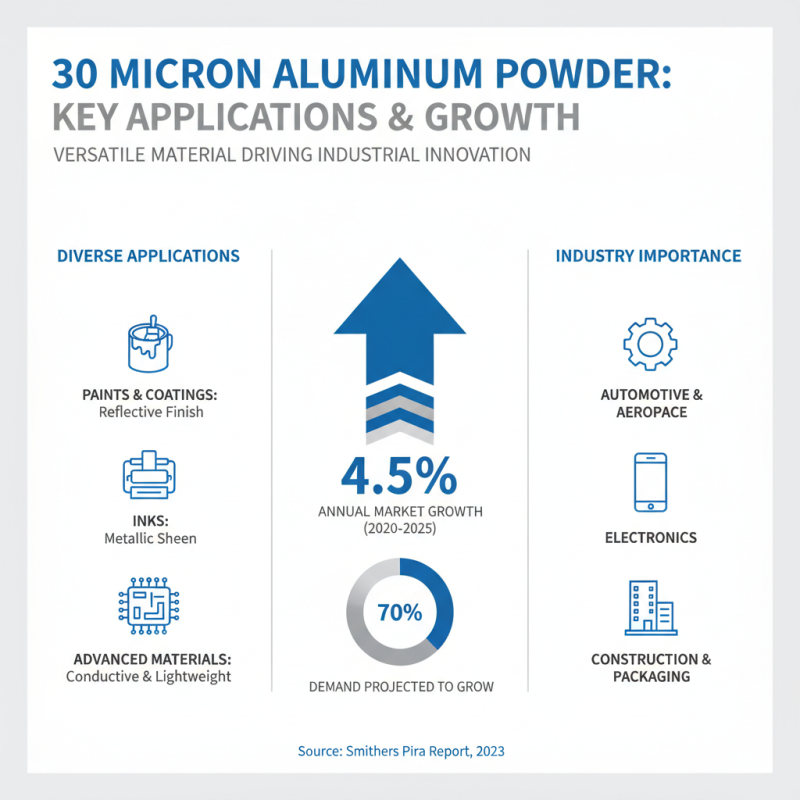
30 micron aluminum powder has diverse applications in various industries. This fine powder is utilized in paints, inks, and coatings due to its excellent reflective properties and smooth finish. According to a report by Smithers Pira, the demand for aluminum powder is projected to grow by 4.5% annually through 2025. Such growth underscores its importance in multiple sectors.
In the aerospace and automotive industries, aluminum powder plays a critical role. It enhances lightweight material formulations, leading to fuel efficiency. The use of this powder can reduce vehicle weight, directly impacting fuel consumption. However, not all suppliers guarantee consistent quality. This inconsistency might affect performance. It's vital to choose suppliers carefully to ensure that the aluminum powder meets the required specifications.
Tip: Focus on suppliers with robust quality control measures. High-quality aluminum powder ensures optimal performance in applications. Various studies highlight that using subpar materials in manufacturing can lead to failures and safety concerns. Therefore, thorough research and vetting of potential suppliers is essential.
Chinese aluminum powder factories offer significant advantages that make them a preferred choice. The production capacity in China exceeds 500,000 tons annually. This allows for consistent supply and ensures that businesses can meet their demands efficiently. The factories often utilize advanced technology, enhancing the purity and quality of the aluminum powder. According to the Industry Research Report, the global market for aluminum powders is projected to reach $1.13 billion by 2025. This growth highlights the competitive nature of the production scene in China.
In terms of pricing, Chinese manufacturers typically offer lower costs due to efficient production processes and lower labor costs. Reports indicate that products from these factories can be up to 20% cheaper than those from Western countries. However, it is important to note that not all suppliers maintain the same quality. Some may struggle with consistency. Businesses must thus conduct thorough quality checks before making bulk purchases. The risk of receiving subpar materials can impact production and reputation. Therefore, while the advantages are numerous, relying solely on price may lead to overlooked quality issues.
| Feature | China Aluminum Powder Factories | Global Average |
|---|---|---|
| Production Capacity (tons/month) | 5000 | 3000 |
| Quality Certification | ISO 9001, ASTM | ISO 9001 |
| Average Delivery Time (days) | 15 | 30 |
| Price per Ton (USD) | 1500 | 1800 |
| Customized Solutions | Available | Limited |
| Customer Support | 24/7 | Business Hours |
When selecting a supplier for aluminum powder, you must consider several important factors. Quality is paramount. High-quality aluminum powder can enhance performance in various applications. According to a recent industry report, the purity level of aluminum powder directly influences its performance. Purity standards above 99% are often preferred in industries requiring precision.
Another critical aspect is the particle size distribution. The standard for fine applications often requires powders around 30 microns. This size ensures optimal reactivity and flow properties. The manufacture's ability to deliver consistent quality is crucial. A study indicated that suppliers who maintain strict quality control reduce production variation by nearly 40%.
Sustainability practices also affect supplier choice. Suppliers with eco-friendly processes are gaining traction as industries shift toward green solutions. The reliability of the supply chain must be evaluated. Delays in sourcing can lead to project setbacks. Research estimates that supply chain failures cost companies up to 20% of their revenue annually. Choosing a supplier who meets these criteria helps mitigate risks and supports project success.
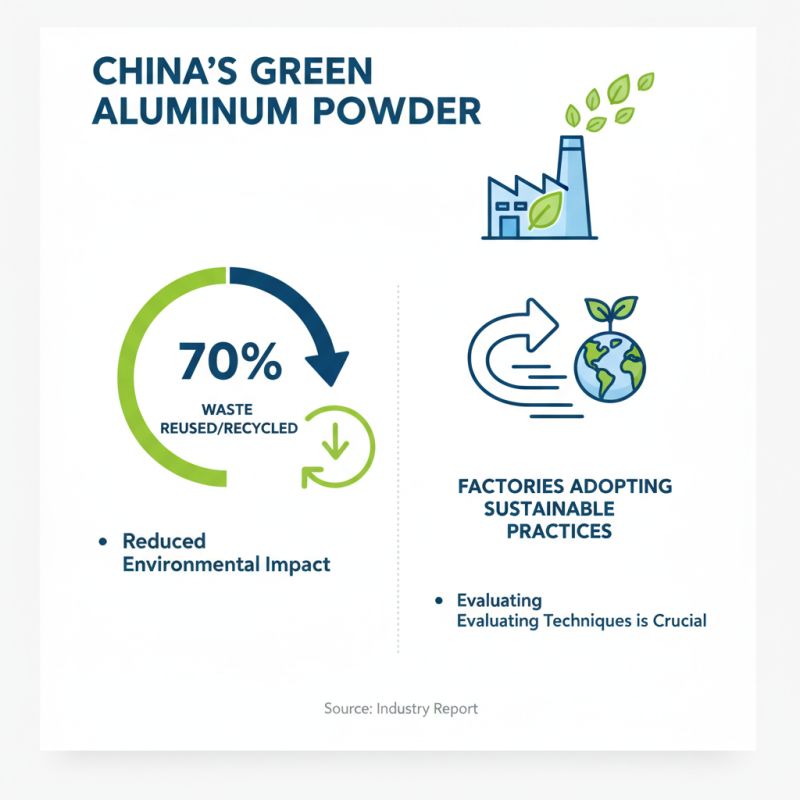
The production of aluminum powder in China has made strides in sustainability. Various factories focus on reducing waste during manufacturing. One report indicates that 70% of waste materials in aluminum powder production can be reused or recycled. This is a significant step towards reducing environmental impact. However, not every factory follows these practices. It’s essential to evaluate techniques and processes used by different manufacturers.
Energy consumption is another critical area of concern. A survey revealed that some facilities consume 30% more energy than the industry standard when producing Aluminum Hydroxide Powder. This inefficiency not only affects costs but also contributes to higher carbon emissions. While some manufacturers are investing in energy-efficient equipment, others lag behind. Adopting cleaner technologies is a challenge that many still face.
Additionally, the sourcing of raw materials plays a role. Ethical sourcing practices are not uniformly adopted. Many factories still rely on non-renewable resources, which raises questions about their long-term sustainability. The need for transparency in sourcing and production methods is crucial. Without it, the credibility of sustainability claims diminishes.
Nanometer zirconia powder, primarily composed of zirconium dioxide (ZrO₂), is gaining traction in the production of advanced ceramics and coatings. Its unique properties, such as high thermal stability, low thermal conductivity, and exceptional hardness, make it a preferred choice in various industries. As a white, nontoxic powder that is insoluble in water and acids, it is not only safe to handle but also versatile in application.
In recent developments, the use of nanometer zirconia powder has expanded beyond traditional ceramics. It is increasingly utilized in the formulation of refractories and durable ceramic materials, providing excellent wear resistance and mechanical strength. These attributes enhance the performance of coatings in demanding environments, such as those exposed to high temperatures or corrosive substances. Its role as a raw material for metallic zirconium and its compounds further emphasizes its importance in advancing material technologies and augmenting product lifespans in diverse applications.
: It aims to provide informative insights on various topics relevant to the audience.
Read it with curiosity and an open mind. Reflect on your own experiences.
Yes, sharing opinions can lead to meaningful discussions and deeper understanding.
Some topics may require maturity. Consider the audience's understanding and sensitivity.
Updates depend on the relevance of the topics. Check regularly for fresh insights.
The content aims for accuracy, but always cross-check with reliable sources.
Yes, some questions encourage reflection and may challenge your viewpoints.
Mistakes may happen. It’s important to acknowledge them and learn from the feedback.
Look for practical examples, and try to implement the ideas that resonate with you.
Take your time to digest the information. Don't hesitate to seek clarification.
The article highlights the benefits of selecting high-quality Aluminum Powder 30 Micron from Chinese manufacturers, emphasizing its versatility across various industrial applications. With a focus on superior production quality, the overview explains how specialized Chinese factories adhere to key quality standards, ensuring that their products meet global demands. The advantages of choosing these manufacturers include cost-effectiveness, access to advanced production techniques, and the ability to meet specific application needs.
Additionally, the article discusses the sustainability practices adopted by Chinese aluminum powder producers, indicating a commitment to environmentally friendly production methods. When selecting an Aluminum Powder 30 Micron supplier, considerations such as quality assurance, production capabilities, and supplier reliability are crucial for ensuring optimal outcomes in manufacturing processes. Overall, the choice of high-quality aluminum powder can significantly enhance product performance in diverse applications.