Picking out the right Zirconium Ball can actually be a bit tricky. There’s so much to consider, you know? The market’s got all sorts of sizes and grades, so it’s really about finding what works best for your particular needs.
Zirconium Balls are pretty special—they’re known for resisting corrosion and lasting a long time. That’s why you’ll see them used a lot in manufacturing and engineering projects. But honestly, the perfect pick depends on things like what you’re planning to use them for and the environment they’ll be in.
When you're choosing a Zirconium Ball, it’s really important to check out the quality and the reputation of the supplier. Not every manufacturer sticks to the same high standards, and it can make a difference. A little research into what other customers are saying can give you some good insights, ya know? Bottom line—take your time, so you don’t end up making a costly mistake by rushing the decision.
Understanding Zirconium Balls and Their Applications
Zirconium balls are vital in many industrial applications. They are known for their strength and resistance to corrosion. One of the most common materials used to create these balls is
Zirconium Oxide Ball. This material offers exceptional durability in extreme environments.
When selecting zirconium balls, consider the specific needs of your application. Think about the operating conditions, such as temperature and pressure. Pay attention to the ball's diameter and weight. These factors can significantly influence performance.
Tips: Always research the specific use case for these balls. Don’t overlook the environment where they will operate. Compatibility with other materials is crucial. Test in a controlled setting before large-scale implementation. Even small changes can lead to varying results.
The applications of zirconium balls are diverse. They are used in grinding, valve seats, and bearings. Each application may require different specifications. Understanding these nuances can help you make informed decisions. Customizing your choice based on detailed requirements will yield better performance.
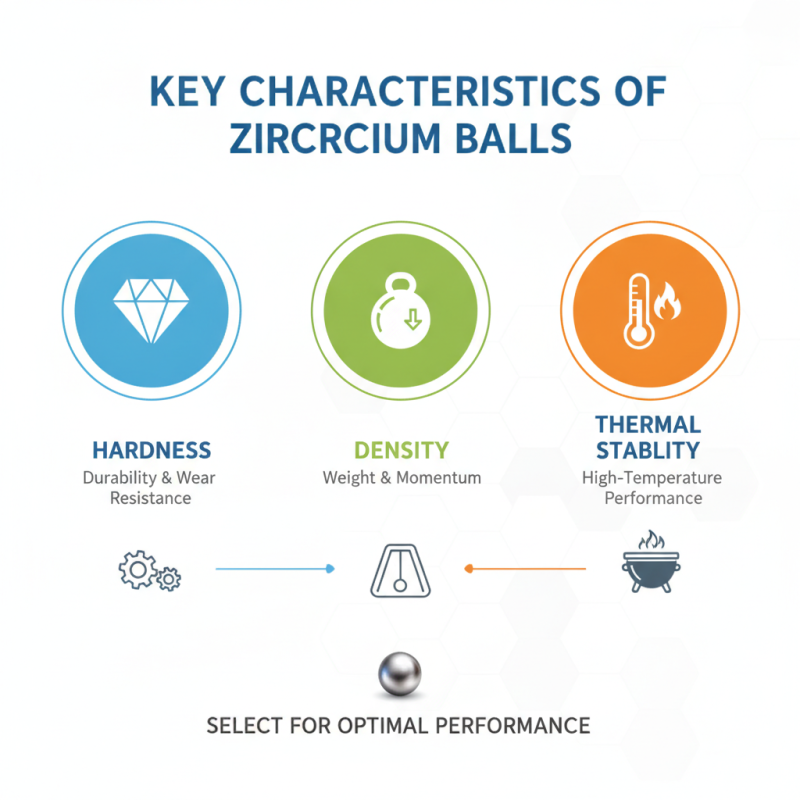
Key Characteristics of Zirconium Balls
When selecting a zirconium ball, consider its key characteristics. These include hardness, density, and thermal stability. Hardness is vital for durability. A harder ball can withstand greater force and resist wear. Density impacts the ball's weight and performance in various applications. A heavier zirconium ball may offer better momentum, influencing outcomes in specific uses.
Thermal stability is crucial if the ball will encounter high temperatures. Balls that maintain their integrity in heat retain functionality and extend lifespans. Additionally, pay attention to the composition. Zirconium Silicate Ball variants can provide unique advantages. Their properties may enhance specific performance needs.
Choosing the right zirconium ball can feel overwhelming. Not all materials are created equal. Variations in quality and specifications can lead to suboptimal performance. It's essential to evaluate your specific requirements critically. Neglecting detail here may result in inefficiencies in your applications. Explore all options thoroughly and factor in your unique circumstances for the best decision.
Factors to Consider When Choosing Zirconium Balls
When choosing zirconium balls, several factors come into play. Consider the size and weight of the balls for your application. Sizes vary widely, and the wrong choice can lead to inefficiencies. The weight also affects performance. Lightweight balls may enhance speed, while heavier ones provide stability. Evaluate how these elements align with your specific needs.
Next, material quality is crucial. High-purity zirconium offers superior corrosion resistance and durability. Look for specific grades that satisfy industry standards. This ensures long-lasting performance, even in challenging environments. You might also want to assess the manufacturing process. Precision crafting methods can lead to better tolerances and fewer defects.
Also, think about the intended application. Different applications may require different characteristics. For instance, a ball used in a high-speed setting might need different attributes compared to one in a lubrication scenario. Test multiple options when possible. Each choice could yield different results, prompting a reevaluation of your requirements. Balancing these factors can be complex, but the right zirconium ball can significantly impact your project's success.
Comparing Zirconium Ball Types and Specifications
When considering zirconium balls, their types and specifications are critical for effective selection. Zirconium balls come in various forms, including solid, hollow, and coated types. Each type serves different purposes. Solid zirconium balls are robust and ideal for high-stress applications. Hollow ones can be lighter and are often used in projects where weight is a concern. Coated options provide additional protective layers, enhancing chemical resistance.
Specifically, size and weight are crucial factors. The diameter can significantly impact performance, especially in precision applications. Smaller balls may suit intricate settings, while larger variants offer improved durability. Pay attention to the weight as well. A lighter ball is easier to handle but might lack the strength required in heavy-duty operations.
Understanding these differences is essential. A mismatch can lead to equipment failure or inefficiencies. It's advisable to assess the specific requirements of your project. Reflect on the operational conditions too. Sometimes, the best choice may not be the most popular one. Seeking expert advice can bridge these gaps, ensuring the right fit for your needs.
Evaluating Manufacturer Reputation and Quality Standards
When selecting a zirconium ball, evaluating the manufacturer's reputation is crucial. A strong reputation often reflects consistent product quality. Many industry experts recommend choosing manufacturers with ISO certification. In a recent survey, over 70% of users reported satisfaction from suppliers with recognized quality standards. This indicates the importance of quality assurance processes in the zirconium ball market.
Quality standards directly affect performance in applications like ceramics and grinding. For instance, a study indicates that zirconium oxide balls with superior density provide better wear resistance. However, not all manufacturers meet these benchmarks, leading to variable product performance. It’s vital to ask for detailed specifications and test reports to ensure you're getting a product that meets rigorous standards.
Additionally, consider feedback from previous users. Gathering reviews can provide insight into any common issues with the zirconium balls offered. Despite the availability of detailed data, some manufacturers may still lack transparency in their production processes. This reality emphasizes the need for thorough research before choosing the best zirconium oxide ball for your specific grinding use.
How to Choose the Best Zirconium Ball for Your Needs? - Evaluating Manufacturer Reputation and Quality Standards
| Manufacturer |
Reputation Score |
Quality Standards |
Material Certification |
Customer Support Rating |
| Manufacturer A |
4.8/5 |
ISO 9001, ASTM |
Certified |
4.7/5 |
| Manufacturer B |
4.5/5 |
ISO 13485 |
Pending |
4.3/5 |
| Manufacturer C |
4.2/5 |
ISO 9001 |
Certified |
4.1/5 |
| Manufacturer D |
4.0/5 |
ISO 45001 |
Pending |
4.0/5 |
Cost Considerations for Zirconium Balls
When selecting zirconium balls, cost is a major factor. Prices can vary significantly based on quality and size. It’s essential to balance cost with performance. Higher-priced options often offer better durability and precision. However, not every application requires the most expensive choice. Understanding the specific needs of your project can help avoid overspending.
Consider the application environment. Will the zirconium balls face high wear and tear? If so, investing in premium options might save costs in the long run. Evaluate your budget carefully. A thorough analysis can reveal if cheaper alternatives might suffice. Yet, choosing too cheaply can lead to increased failures.
Tips to keep in mind: always request samples before buying. This can help assess quality firsthand. Consult with experts in the field. They can offer insights tailored to your needs. Lastly, ensure you are comparing similar specifications when evaluating prices. Small differences can lead to large gaps in performance.
Understanding Maintenance and Durability of Zirconium Balls
When selecting zirconium balls, understanding their maintenance and durability is crucial. Zirconium balls, including the Cerium Zirconium Ball, are known for their strength and corrosion resistance. These properties make them suitable for various applications. However, they require specific care to maintain their longevity and performance.
Regular inspection is essential. Check for signs of wear or corrosion. Even small flaws can impact their efficiency. If you notice any damage, replace the zirconium ball promptly. Proper storage is equally important. Store them in a dry environment to prevent tarnishing.
Tips for maintenance include cleaning with a soft cloth. Avoid harsh chemicals. Regularly lubricate if necessary, but be cautious. Too much lubricant can attract dirt, leading to potential issues. Additionally, be aware of the operating conditions your zirconium balls face. High temperatures or reactive environments may necessitate more frequent checks. A proactive approach ensures optimal performance and extends their life.
Durability Comparison of Zirconium Balls Under Different Conditions
Innovative Applications of ZrO2 Grinding Balls in Enhancing Efficiency and Performance in Industrial Ball Milling: A Data-Driven Analysis
The innovative use of ZrO2 grinding balls in industrial ball milling has significantly transformed operational efficiency and performance across various sectors. These grinding media, made of high-purity yttrium-stabilized zirconia (Y-TZP), demonstrate exceptional wear resistance and impact toughness, which are critical for sustained performance in demanding environments. According to industry reports, the adoption of high-performance grinding media can reduce wear rates to as low as 0.006% over 1000 hours, greatly diminishing the frequency of replacements in large-scale milling operations.
In addition to their durability, ZrO2 grinding balls maintain consistent performance, essential for achieving uniform particle size distribution. Their Vickers hardness ranges between 1100-1300 HV, providing the strength necessary to withstand the high-impact forces encountered in mineral processing and other heavy-duty applications. This characteristic makes them ideal for use in ball mills, ensuring continuous and reliable grinding without interruptions. Industry data indicates that enhanced grinding efficiency not only drives production output but also leads to lower operational costs, establishing a clear advantage for manufacturers utilizing these advanced materials.
Furthermore, ZrO2 grinding balls exhibit remarkable chemical inertness, allowing them to be compatible with various industrial materials. This quality not only prevents contamination but also ensures the stability of the final products. In sectors like cement and building materials, their application has been linked to improved milling efficiency, streamlining production processes significantly. As industries continue to push for higher productivity and quality, the data-driven analysis of ZrO2 grinding balls underscores their role as a game-changer in the realm of industrial ball milling.
FAQS
: Zirconium balls are used in various applications, including grinding, valve seats, and bearings.
Hardness determines durability, enabling the ball to withstand greater force and resist wear effectively.
Consider operating conditions, ball diameter, weight, and compatibility with other materials for optimal performance.
Thermal stability is crucial for maintaining integrity in high temperatures, prolonging functionality and lifespan.
No, their types vary, including solid, hollow, and coated, each serving different purposes and needs.
Ignoring specifications can lead to inefficiencies or equipment failure, affecting overall application performance.
Smaller zirconium balls may lack the strength needed for heavy-duty operations; larger variants are more suitable.
Perform tests in a controlled setting to observe performance under specific conditions before large-scale implementation.
Seek expert advice to clarify options and ensure the best choice aligns with your unique project requirements.
Yes, understanding operational conditions can guide better material selection, impacting efficiency and effectiveness.
Conclusion
When selecting the best Zirconium Ball for your needs, it's important to understand their unique characteristics and applications. Zirconium Balls are renowned for their durability and resistance to corrosion, making them suitable for various industrial uses. Key factors to consider include the specific application requirements, such as size, weight, and performance expectations.
Additionally, evaluating the reputation of manufacturers and their adherence to quality standards can greatly influence the reliability of the Zirconium Balls you choose. Cost is another crucial consideration, as it can vary based on specifications. Lastly, understanding the maintenance requirements and overall durability of Zirconium Balls will help ensure optimal performance and longevity in your specific applications.