Picking the right equipment is such a big deal, whether you're working in a lab or in an industrial setting. When it comes to milling materials, having a solid 250ml Ball Mill Jar can really make a difference. Honestly, it’s something people don’t always pay enough attention to, but trust me, it matters a lot for getting good results. Choosing the right jar means your experiments stay consistent and accurate.
Upgrading to a 250ml Ball Mill Jar can really improve how things run for you. But, not all jars are the same—things like what they’re made of, how tough they are, and whether they work well with your machine are super important to consider. Sometimes, I get how overwhelming it can be with so many options out there. The trick is to really understand what you need for your specific process before making a call.
Sure, price might be tempting to go for, but in the long run, performance is what counts. A cheap or poorly chosen jar could mean lousy milling, wasted time, and resources. So, definitely think back on your past experiences and maybe chat with trusted sources or folks in your network. Picking the right 250ml Ball Mill Jar is an investment that’s gonna pay off over time. Take your time, choose carefully, and make sure you’ve got the best tool for the job — you’ll thank yourself later!
Understanding the Purpose of a 250ml Ball Mill Jar in Material Processing
A 250ml ball mill jar plays a vital role in material processing. It is designed for grinding, mixing, or blending materials efficiently. The capacity of 250ml is ideal for both small-scale experiments and larger production runs. When working with ceramics or metal oxides, the material's properties can change during the grinding process.
Choosing the right jar material is key. Zro2 Ball Mill Jars are popular for their durability and chemical resistance. They minimize contamination, ensuring purity in your materials. However, they can be more expensive than other options. It's essential to balance your budget with the performance you need. Proper handling and maintenance are crucial. Regularly inspect the jars for wear and tear.
Consider the size of your samples and the desired outcome. A jar that’s too small may not provide adequate mixing. Conversely, a larger jar could result in wasted resources. Adjust your choice based on the material's characteristics and your processing goals. Reflect on your specific needs, and select the jar that aligns best with your work.
Key Materials Used in 250ml Ball Mill Jars and Their Properties
When choosing a 250ml ball mill jar, the material is crucial. Different materials interact differently with samples. For instance,
Zirconia Ceramic Ball Mill Grinding Jar With Lids
is known for its high density and hardness. This makes it an excellent choice for grinding hard materials. Research shows that zirconia offers superior wear resistance. This extends the jar’s lifespan and reduces contamination of samples.
Another commonly used material is agate. Agate jars are softer than zirconia but can also be effective for various milling tasks. They are less durable, which means they may wear out quickly with aggressive grinding. A study by the Journal of Materials Science highlights the trade-offs between hardness and sample purity.
You may find that some users encounter issues with jar selection. Testing different materials can lead to unexpected results. It’s essential to evaluate the compatibility of the jar material with your specific application. Decision-making should be iterative, focusing on the material properties and testing outcomes to refine jar choices.
Factors Affecting the Selection of Ball Mill Jars for Different Applications
When selecting a 250ml ball mill jar, certain factors significantly influence your choice. Material composition is crucial. Common materials include ceramics, stainless steel, and plastic. Each type has unique properties that affect wear resistance and contamination levels. For instance, ceramic jars offer excellent chemical resistance and are highly abrasion-resistant, making them ideal for sensitive materials. However, they can be brittle and prone to cracking under impact.
Another important aspect is the intended application. Different materials may require jars with specific features. For example, high-energy milling applications may benefit from jars with tightly sealed lids to prevent leakage. A 2022 report from Materials Science Review highlighted that around 30% of researchers faced contamination issues due to inadequate sealing. Conversely, if you're milling heavier materials, a more robust design is essential to withstand the mechanical forces.
Lastly, consider the compatibility with milling media. The interaction between the media and jar can alter the efficiency of the milling process. The American Journal of Material Science noted that improper material combinations could lead to decreased yield and increased wear. Therefore, understanding these variables is critical for achieving the desired outcomes in milling projects.
Comparative Analysis of Popular Brands and Models of 250ml Ball Mill Jars
When selecting a 250ml ball mill jar, it’s essential to understand the features that matter most. Compare materials, construction, and design. High-quality jars often use durable materials like ceramic or high-density polyethylene. Consider how these materials impact grinding efficiency and the longevity of the jar. Check the lid design, too; a secure closure prevents spills and contamination.
Tips: Always choose a jar that matches your sample size. A jar that is too large may lead to ineffective grinding. Also, pay attention to the weight. A heavier jar can provide more stability during operation.
Next, explore various brands. Some models focus on low cost, while others emphasize performance. Each brand may offer unique advantages in terms of grinding efficiency or user experience. Analyze user reviews for insights into performance and longevity. Look for feedback on compatibility with different mill machines. This research will guide your decision, ensuring you select the best jar for your needs.
Tips: Don’t overlook warranty options. A good warranty indicates a manufacturer’s trust in their product. Take time to determine which features you prioritize most. This reflection leads to better choices in your milling projects.
Assessing Durability and Cost-effectiveness of Ball Mill Jars in Work Environments
When selecting a ball mill jar, assessing durability and cost-effectiveness is crucial. A reliable jar can withstand the demands of various work environments. Durability not only ensures a longer lifespan but also enhances performance quality. A frequent concern is the material composition of the jar. For example, a Ceramic Jar For Planetary Ball Mill offers excellent resistance to wear and tear.
Cost-effectiveness is another significant factor. Investing in a high-quality jar may require a higher initial outlay. However, the long-term savings from fewer replacements can be substantial. Before making a purchase, evaluate different materials and their respective performance in your specific applications.
Tips: Always consider user feedback and reviews when selecting jars. Look for warranties that indicate the manufacturer’s confidence in their product. Assess what best fits your unique needs. It's important to reflect on your previous choices—what worked and what didn't. This self-evaluation can lead to better decisions in the future.
Optimal Grinding Media Selection for Use with 250ml Ball Mill Jars
Choosing the right grinding media is vital when using a 250ml ball mill jar. The choice of materials affects efficiency, particle size, and desired outcomes. For example, steel balls, ceramic media, and zirconia beads are among the popular options. Each material is suitable for different tasks.
A key factor is hardness. Steel balls are durable but may introduce unwanted metallic contamination. According to a recent study, contamination can affect the purity of sensitive materials. In contrast, ceramic and zirconia media minimize contamination risks, making them ideal for demanding applications. A report from the International Journal of Material Sciences suggests that using ceramic media improves grinding efficiency by 30% compared to steel.
When selecting media, consider size and density. Smaller media can achieve finer particle sizes, yet they may require longer milling times. Larger media can process material quickly but may produce uneven particle distribution. Furthermore, an analysis revealed that the wrong media choice could lead to inefficient grinding, resulting in higher operational costs. Exploring different media options through trials can provide clarity.
How to Choose the Best 250ml Ball Mill Jar for Your Needs? - Optimal Grinding Media Selection for Use with 250ml Ball Mill Jars
| Material |
Hardness (Mohs) |
Application |
Density (g/cm³) |
Price Range ($) |
| Alumina |
9 |
Ceramics, Pharmaceuticals |
3.5 |
30 - 60 |
| Zirconia |
8.5 |
Nanomaterials, Chemical Industry |
6.0 |
50 - 120 |
| Stainless Steel |
6.5 |
Metallurgy, Food Industry |
8.0 |
20 - 50 |
| Agate |
7 |
Geology, Fine Chemicals |
2.6 |
40 - 80 |
| Polypropylene |
3 |
Sample Preparation, Cosmetics |
0.9 |
10 - 30 |
Maintenance Tips for Maximizing the Lifespan of Ball Mill Jars
When it comes to maintaining ball mill jars, attention to detail is crucial. A well-maintained jar ensures consistent performance and longevity. Regular cleaning is essential; residue buildup can affect results. Use gentle solvents to avoid damaging the material. Rinse thoroughly and let it air dry.
Tips for Maintenance: Inspect the lid and seals regularly. Wear and tear can lead to leaks. Replacing seals in time can prevent larger issues. Keep the jars away from extreme temperatures. Store them in a stable environment to avoid cracking.
Even the best 500ml Ball Mill Jar requires careful handling. Avoid dropping or knocking the jar against hard surfaces. Any damage can impact the efficiency of milling. Use liners or cushioning during transportation. It’s also valuable to document the jar's usage. This record can help you identify patterns that may necessitate earlier maintenance than expected.
The Impact of Zirconia Grinding Balls on Particle Size Reduction and Dispersion Efficiency in Advanced Material Processing: Insights from Industry Reports
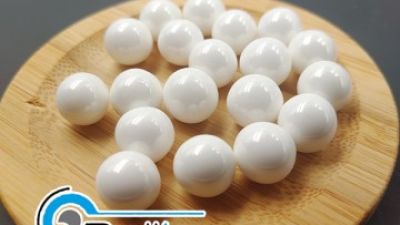
Zirconia grinding balls have emerged as a pivotal component in advanced material processing, particularly in the realms of particle size reduction and dispersion efficiency. These premium ceramic media are engineered specifically for fine grinding applications, ensuring an effective breakdown of coarse particles while maintaining a uniform particle size. The incorporation of yttrium stabilization in zirconia contributes to enhanced mechanical stability, allowing for consistent performance even under challenging conditions. Through advanced high-temperature sintering and precision polishing, these grinding balls achieve a level of sphericity and uniformity that is crucial for optimal grinding results.
The impact of these zirconia grinding balls is evident in their ability to address common challenges faced during material processing. Traditional grinding methods often lead to material agglomeration and uneven particle distribution, which can compromise the quality of the final product. However, the ultra-low wear and zero pollution characteristics of zirconia grinding media effectively mitigate these issues, resulting in a more efficient dispersion of materials. This not only enhances the overall processing efficiency but also contributes to achieving stable and high-quality outcomes across various powder and slurry applications. The insights drawn from industry reports underscore the transformative role of zirconia grinding balls in revolutionizing material processing techniques, ensuring that manufacturers can meet the growing demand for precision and consistency in their products.
FAQS
: It is used for efficiently grinding, mixing, or blending materials.
The jar material affects durability, chemical resistance, and contamination levels.
A small jar may not provide adequate mixing for your samples.
Yes, larger jars can lead to unnecessary material waste and ineffective grinding.
Regularly inspect jars for wear and tear. Proper handling is essential.
Analyze materials, design, and how they affect grinding efficiency and longevity.
Secure lids prevent spills and contamination, ensuring effective results.
Reviews provide insights into performance and compatibility with different mill machines.
It suggests the manufacturer’s confidence in their product.
It allows for better choices that align with processing goals and sample sizes.
Conclusion
When selecting a 250ml Ball Mill Jar, it is essential to understand its role in material processing, where it facilitates the grinding of various materials into fine powders. Key materials used in these jars, such as ceramics or stainless steel, greatly influence their properties and performance. Factors affecting selection include compatibility with the materials being processed, desired particle size, and specific application requirements.
Additionally, a comparative analysis of popular brands provides insights into various features, while assessing durability and cost-effectiveness is crucial for long-term use. Choosing the right grinding media to pair with the 250ml Ball Mill Jar further enhances efficiency, and implementing maintenance tips can significantly prolong its lifespan. By considering these factors, users can make informed decisions tailored to their specific needs.