Lately, there’s been a real spike in demand for Zirconia ball products—folks are looking for solutions that not only work well but also won’t break the bank. China, in particular, has quite a few manufacturers that specialize in making these Zirconia balls for fine grinding. They’re actually pretty impressive—these balls are tough, durable, and perform really well across different kinds of industries. Their strength and wear resistance make them a top pick if you’re into grinding processes.
Now, understanding how important it is to get a reliable Zirconia ball really matters. Picking the right one can seriously boost how efficient your grinding is and even extend how long your equipment lasts. If you’re shopping around, especially dealing with suppliers in China, it’s crucial to do your homework. Not all manufacturers are created equal—some may have better expertise or higher-quality materials. Unfortunately, a few might cut corners, which can lead to products that aren’t consistent at all.
When you're investing in tough Zirconia balls, there’s a lot to consider—like balancing cost with performance. The market can feel a bit overwhelming with so many options, and not every product will meet your expectations. But don’t worry—doing thorough research can help you find that sweet spot between quality and affordability. The whole process of finding the best Zirconia ball isn’t always smooth sailing, and every choice you make along the way can really influence your results. It’s a journey, for sure, but totally worth it when you get the right fit.

What is Zirconia Ball and Its Properties?
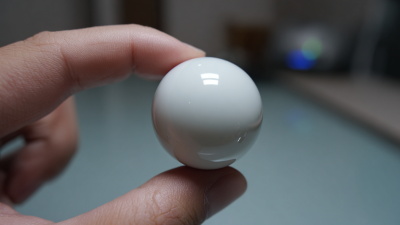
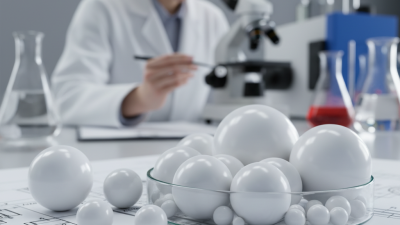
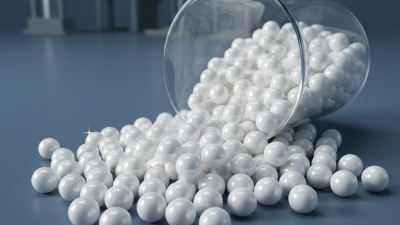
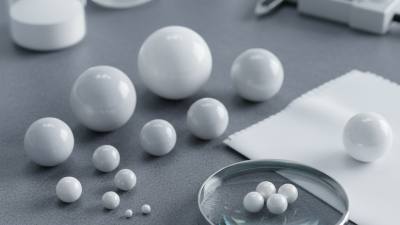
Zirconia balls are high-performance ceramic spheres made from zirconium dioxide. They exhibit exceptional hardness and wear resistance. These properties make them a popular choice in various industrial applications. Zirconia balls have low thermal conductivity, making them suitable for high-temperature operations. This versatility is essential for industries like ceramics, electronics, and even food processing.
Many users find zirconia balls enable greater efficiency in grinding and milling processes. However, not all zirconia balls are created equal. Differences in manufacturing processes can lead to variations in quality. It’s crucial to choose the right type based on specific needs and applications.
Tips: When selecting zirconia balls, consider their size and density. A higher density can enhance performance. Also, look at their fracture toughness and thermal stability. Ensure you receive detailed specifications from suppliers. This can help in making informed decisions for your applications.
China Best Zirconia Ball for Durable and Cost Effective Solutions
| Property |
Value |
| Material |
Zirconia (ZrO2) |
| Density |
6.05 g/cm³ |
| Hardness |
>1200 HV |
| Tensile Strength |
900 MPa |
| Fracture Toughness |
6-7 MPa·m1/2
|
| Thermal Expansion Coefficient |
10.5 x 10⁻⁶/°C |
| Operating Temperature |
Up to 1200°C |
| Applications |
Grinding media, medical devices, automotive, dental |
Advantages of Using Zirconia Balls in Various Industries
Zirconia Ball
offer significant advantages in various industries. These balls are known for their hardness and resistance to wear. In manufacturing, they are used in grinding and milling processes. Their durability reduces the need for frequent replacements. This can lead to cost savings over time.
In the medical field, zirconia balls are favored for their biocompatibility. They play a key role in dental applications. Their aesthetic finish is appealing and functional. However, the production process can be complex. Achieving the right specifications might require advanced technology.
Another area where zirconia balls excel is in the automotive sector. They help reduce friction in engines, improving efficiency. Using these balls can extend the life of components. Yet, sourcing high-quality zirconia can be a challenge for some suppliers. Ensuring reliability in performance is critical for manufacturers.
Cost-Effectiveness of China Made Zirconia Balls
China has become a significant player in producing zirconia balls. These balls are known for their durability. They offer a cost-effective solution for various industries such as automotive, electronics, and manufacturing.
When considering zirconia balls, look for their hardness and wear resistance. These features contribute to their longevity. Their lightweight nature helps in reducing operational costs. However, not all products are created equal. It's crucial to assess the specifications and production techniques used. Some lesser-known manufacturers might compromise on quality for a lower price.
Tips: Always request samples before committing to large orders. Testing the balls under specific conditions can reveal potential performance issues. Inquire about the manufacturing process to ensure that quality control measures are in place.
Another factor to consider is the availability of support and customer service. Reliable suppliers should offer guidance on usage and maintenance. Miscommunication can lead to expensive mistakes. Ask for feedback from other customers. Their experiences can provide valuable insights into the reliability of the product.
Comparison of Zirconia Balls with Other Materials
Zirconia balls are increasingly popular for industrial applications. They offer unique properties that set them apart from traditional materials. The hardness and toughness of Zirconia Ceramic Balls make them ideal for high-pressure environments. They resist wear and deformation, ensuring a longer lifespan compared to steel or plastic balls.
However, choosing the right material can be challenging. For instance, while steel balls are cheaper, they are prone to rust and wear over time. In contrast, Zirconia Ceramic Balls provide better durability but at a higher initial cost. Users should weigh these factors carefully.
Tip: When selecting bearing materials, consider not only the price but also the operating conditions. For example, corrosive environments demand higher quality materials.
Another point to reflect on: not all applications require high performance. In low-stress applications, mid-range materials might suffice. This consideration could lead to significant cost savings while still meeting your needs.
Tip: Conduct a thorough analysis of your specific demands. This helps ensure that you make an informed decision, balancing cost and performance effectively.
Applications of Zirconia Balls in Manufacturing Processes
Zirconia balls are increasingly used in various manufacturing processes due to their unique properties. Their hardness and wear resistance make them ideal for high-performance applications. These balls play a crucial role in reducing wear on machinery and enhancing productivity.
In industries like ceramics, electronics, and pharmaceuticals, zirconia balls are essential. They are often found in machinery such as the Zirconia Ceramic Ball Mill Grinding Jar With Lids. This equipment benefits from the durability and low contamination levels provided by zirconia. Users have noted improved grinding efficiency, resulting in higher quality end products.
Nevertheless, not every application is flawless. Some manufacturers face challenges with the initial cost of zirconia balls. The investment can be significant for smaller operations, making cost-effective solutions a top priority. Yet, the long-term gains often outweigh these initial concerns. Proper evaluation and understanding of specific needs are vital in these situations.
Quality Control Measures in the Production of Zirconia Balls
The production of zirconia balls requires stringent quality control measures. From raw material selection to the final product, each step impacts performance and longevity. The key is using high-purity zirconia to avoid impurities that may weaken the product. Regular testing ensures the material meets necessary standards for hardness and density.
In practice, manufacturers often implement a series of checks throughout the production process. For instance, they may assess the particle size of zirconia powder before pressing. This attention to detail is crucial. Minor deviations can affect the balls' durability in applications, such as when using Zirconia Jars For Retsch Ball Mills.
Tips: Always inquire about a manufacturer’s quality control protocols. Ask about their testing frequency and methods. Each question reveals their commitment to excellence and reliability.
Moreover, consistency is vital. Variations in processing temperatures during sintering can lead to inconsistent ball performance. Companies should strive for uniform temperature distribution in kilns. Testing samples from different production batches can help identify trends or issues.
Future Trends in Zirconia Ball Technology and Market Demand
Zirconia balls are gaining traction in various industrial applications. Their unique properties make them suitable for high-performance environments. However, the market is evolving. New advancements in zirconia ball technology are on the horizon. These innovations aim to enhance durability and reduce costs.
Manufacturers are focusing on improving the material composition. This leads to more robust and reliable products. Research shows a demand for lighter, stronger zirconia options. Companies are exploring alternatives that can withstand extreme conditions. These developments are not without challenges. Not all new materials perform as expected in real-world conditions.
Customer feedback is crucial in this process. Companies must remain open to refining their products. There is always room for improvement. Engaging with end-users can guide future innovations. Understanding market needs will be key in shaping the next generation of zirconia balls.
Exploring the Versatility and Applications of Chrome Steel Solid Balls: Industry Insights and Market Trends in Stainless Steel Bearings
Chrome steel solid balls have emerged as a cornerstone component in various high-precision applications, particularly within the stainless steel bearings market. With their unique properties, including high hardness, exceptional surface quality, and the ability to support heavy loads, these balls are increasingly favored in the manufacturing of precision motor bearings, machinery, and rolling screws. Industry reports indicate a growing demand for chrome steel balls, driven by advancements in technology and the push for higher performance in industrial applications. According to a recent study, the global bearing market is projected to expand significantly, with stainless steel bearings accounting for a considerable share due to their enhanced durability and corrosion resistance.
The versatility of chrome steel balls extends beyond traditional applications. Recent innovations have led to their incorporation in newer technologies, reflecting a shift in engineering paradigms toward more robust and longer-lasting components. Reports suggest that sectors such as automotive, aerospace, and robotics are increasingly relying on chrome steel balls to meet stringent performance criteria. The use of high-quality vacuum-degassed steel in production processes further elevates the performance standards, providing products that not only meet but often exceed the expectations of major industry players.
As market trends indicate a competitive edge for companies adopting these high-precision components, it is essential for manufacturers to stay abreast of technological advancements and evolving customer demands. The combination of high performance and adaptability makes chrome steel solid balls a pivotal element in modern engineering solutions, fostering innovation across various industries.
FAQS
: Zirconia balls are hard and tough. They resist wear and deformation. This leads to a longer lifespan in industrial settings.
Steel balls are cheaper but prone to rust and wear. Zirconia balls offer better durability, but at a higher initial cost.
Consider operating conditions. Corrosive environments need higher quality materials for better performance and longevity.
Not always. In low-stress applications, mid-range materials may suffice. This could save costs while still meeting requirements.
Industries like ceramics, electronics, and pharmaceuticals use zirconia balls. They reduce wear on machinery and enhance productivity.
The initial cost can be significant for smaller operations. Balancing cost and performance is key to investment decisions.
Manufacturers are enhancing material composition. This results in stronger, lighter zirconia options for extreme conditions.
Feedback guides improvements and innovation. Understanding user needs helps refine product performance and market alignment.
Conclusion
Zirconia balls are advanced ceramic materials known for their exceptional hardness, wear resistance, and chemical stability, making them suitable for various industrial applications. Their advantages include high durability, lightweight properties, and low friction, which contribute to enhanced efficiency in manufacturing processes. The cost-effectiveness of zirconia balls produced in China further boosts their appeal, as they offer quality solutions without compromising on performance.
In comparing zirconia balls to other materials, they stand out for their superior properties, particularly in high-stress environments. Quality control measures in the production of zirconia balls play a crucial role in ensuring consistent performance and reliability. As the demand for precision components continues to grow, future trends indicate increased innovation in zirconia ball technology, leading to broader applications across multiple industries.