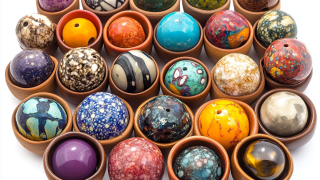
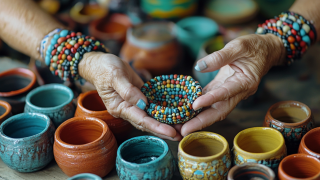
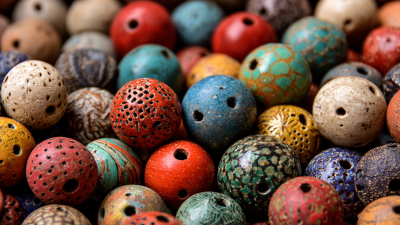
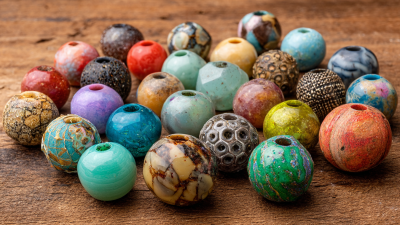
Lately, there’s been a real uptick in demand for unique, handcrafted items—things that have a story and a bit of soul behind them. And, honestly, pottery beads are right at the top of that list. They’re not just pretty—they’re versatile and full of artistic charm. A lot of artisans and even companies are starting to look towards China to source these beautiful beads. What’s really cool is that each bead carries a piece of Chinese cultural heritage, adding depth and meaning to every piece. Of course, finding the right suppliers is super important if you want to make sure you’re getting authentic, good-quality beads.
Now, let’s be real—sourcing can get pretty tricky. There are so many things to consider, like product quality, price points, and whether the supplier is legit. It’s easy to run into issues when trying to figure out if a supplier can be trusted. Doing your homework, reading reviews, and gathering feedback can save you a lot of headaches down the line. Because one bad choice can seriously hurt your brand’s reputation.
Diving into China’s pottery bead market? Yeah, it’s a mixed bag—full of opportunities but also its fair share of challenges. Every step you take in sourcing gives you new insights and makes you better at navigating the whole process. And let’s not forget—high-quality beads attract customers who really know what they want. So, if you’re thinking about jumping in and making the most of this, it’s all about planning carefully and executing thoughtfully. It’s worth the effort, for sure.
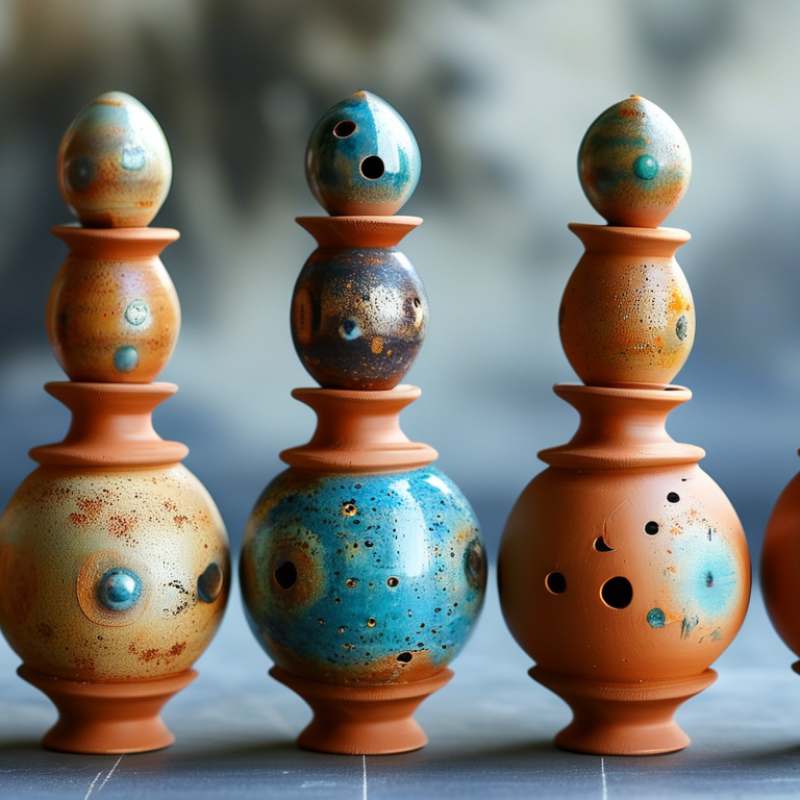
Overview of China's Pottery Beads Industry
China's pottery beads industry is a vibrant market. It showcases a blend of tradition and modernity. With centuries of craftsmanship, artisans create unique and diverse designs. These beads serve various purposes, from jewelry making to decorative art.
When sourcing pottery beads from China, consider a few tips. Explore local markets; they often reveal hidden gems. Establish relationships with artisans to gain insights into techniques and materials. Assess quality upfront, as variations can occur.
Be mindful of cultural significance. Each design may hold meaning beyond aesthetics. Flexibility in your sourcing strategy can yield unexpected discoveries. Understand the regional differences to enhance your collection. The diversity in styles offers endless opportunities for creativity.
Historical Development of Pottery Beads in China
Pottery beads have a rich history in China, showcasing the artistry and craftsmanship of various dynasties. These vibrant beads date back to the Neolithic period, around 10,000 years ago. Archaeological findings reveal that early Chinese communities used pottery beads for both decorative and functional purposes. The colors and patterns often reflected local culture and beliefs, making each piece a unique artifact.
Data from a recent industry report indicates that the global pottery bead market is expected to grow annually by 5.2% from 2023 to 2030. This growth has sparked interest in the unique techniques of Chinese artisans. The intricate designs of
Pottery Beads Handmade appeal to both collectors and crafters alike. However, there is a struggle with maintaining traditional methods amid modern mass production. Many artisans face the challenge of preserving age-old techniques while adapting to current market demands.
In recent times, cultural preservation efforts have gained momentum. Some organizations are working to support artisans by providing resources and training. Engaging with the past while innovating for the future is essential. China's pottery bead industry, with its deep-rooted history, continues to offer compelling opportunities for global sourcing and appreciation. Yet, a balance between authenticity and commercial viability remains a critical concern.
Key Regions for Pottery Bead Production in China
China is a hotbed for pottery bead production, offering various cultural designs and techniques. Key regions like Jingdezhen in Jiangxi province are known for their rich history in pottery. This city has been producing ceramics for over a thousand years. The craftsmanship here is both traditional and innovative, showcasing the skills of local artisans.
In addition to Jingdezhen, Yixing in Jiangsu province stands out for its unique clay, called zisha. This clay is renowned for its ability to hold heat and enhance flavor in teapots and beads. Local workshops produce Pottery Balls that reflect specific aesthetic qualities. These creations often embody intricate designs and artistic themes.
However, the global market faces challenges. Some artisans struggle to maintain quality while meeting international demand. Understanding these nuances can help buyers navigate sourcing opportunities. Exploring different regional specialties allows for a broader appreciation of pottery balls and their cultural significance.
Types of Pottery Beads and Their Unique Features
Pottery beads are fascinating art pieces with rich cultural backgrounds. Their unique features vary widely based on the region they come from, showcasing traditional craftsmanship. They can be vibrant and colorful or subtle and earthy. These distinctions make pottery beads appealing for global sourcing opportunities.
One popular type is the Zirconia Beads. Known for their brilliance, these beads mimic gemstones and add a touch of elegance to any project. They offer durability and a lightweight finish that can enhance designs. Many artisans incorporate them into jewelry or decorative items.
When sourcing pottery beads, consider their intended use. For jewelry, select beads with softer, smoother finishes to enhance comfort. If used for decor, focus on distinct patterns that showcase traditional techniques. Always assess the quality and authenticity. Sourcing locally can sometimes reveal hidden gems and support local artisans.
China Top Pottery Beads for Global Sourcing Opportunities
| Type of Pottery Bead |
Material |
Unique Features |
Common Uses |
| Porcelain Beads |
Porcelain clay |
High durability, glossy finish |
Jewelry, decorative items |
| Stoneware Beads |
Stoneware clay |
Robust, earthy colors |
Pottery, rustic jewelry |
| Earthenware Beads |
Earthenware clay |
Porous, vibrant coloring |
Craft projects, handmade jewelry |
| Sculpted Beads |
Mixed clay |
Intricate designs, customizable shapes |
Artistic jewelry, decorative art |
| Glazed Beads |
Ceramic clay |
Smooth finish, varied colors |
Fashion accessories, art pieces |
Global Market Trends and Demand for Pottery Beads
The global market for pottery beads is evolving.
Consumers are increasingly drawn to handmade and artisanal products.
These preferences are driven by a desire for authenticity and unique craftsmanship.
Pottery beads, with their rich history and cultural significance, meet these demands perfectly.
In addition to traditional uses in jewelry, these beads are finding their place in home decor and artistic projects.
Designers often seek sustainable and environmentally friendly materials.
Pottery beads, typically made from natural clay, align with these values.
Artisans and manufacturers in China are exploring innovative designs,
combining modern aesthetics with traditional techniques.
However, challenges exist. Competition in the market can be fierce.
Sourcing high-quality pottery beads requires diligence.
Buyers must navigate the intricacies of production and supply chains.
There’s a constant need for quality control and communication with suppliers.
This process can be daunting but ultimately rewarding for those who are committed to quality and craftsmanship.
Sourcing Strategies for International Buyers in China
When sourcing pottery beads in China, buyers should adopt a strategic approach. Understanding local craftsmanship is vital. Pottery beads vary greatly in quality and design. Researching artisans and factories helps identify reliable suppliers. It’s beneficial to visit production sites. Observing the manufacturing process provides insight into quality control.
International buyers must also consider local market trends. Many suppliers now focus on eco-friendly materials. This is particularly relevant for products like Tyre Balancing Beads. Buyers should request samples before making large orders. Testing these samples can reveal inconsistencies. Establishing good communication with suppliers is crucial. Is the supplier responsive? Are they transparent about production capabilities? Such factors greatly influence long-term partnerships.
However, not all experiences will be smooth. Cultural differences may lead to misunderstandings. Language barriers can complicate negotiations. Patience and adaptability are essential. Keep in mind that sourcing can be a learning process. Reflecting on past challenges can foster better strategies in the future. By staying informed and flexible, buyers can navigate the complexities of the Chinese market effectively.
Challenges and Opportunities in the Pottery Beads Market
The pottery beads market in China presents both challenges and opportunities. Recent reports indicate that the global pottery beads market is projected to reach $3.2 billion by 2026, growing at a CAGR of 4.5%. This growth reflects increasing demand for artisan crafts and DIY projects, especially in North America and Europe. However, sourcing these beads can be complex due to quality control issues. Many suppliers do not meet international standards, leading to buyer concerns.
The competition is fierce. Small and medium enterprises in China often struggle to maintain consistency. Reports show that 55% of pottery manufacturers experience quality inconsistencies in production. This not only affects their reputation but also complicates international sourcing. Buyers looking for reliable partners might find it challenging to navigate this landscape. Research suggests that establishing strong relationships and conducting thorough evaluations are crucial for success.
Furthermore, sustainability is becoming a key focus. Eco-friendly products are gaining traction. About 40% of consumers prefer sustainable choices. Artisans who embrace these practices may find new opportunities. Investing in sustainable materials and ethical production methods can enhance market appeal. However, the costs associated with these initiatives require careful consideration, making the decision complex for many manufacturers.
Advancing Mining Efficiency: The Impact of Zirconia Alumina Composite Beads on Grinding Performance and Operational Cost Reduction
In the quest for enhanced mining efficiency, the introduction of zirconia alumina composite beads has marked a significant turning point in grinding performance and cost management. These advanced ceramic materials are designed to optimize the milling processes in the mining industry, offering an unparalleled combination of durability and cost-effectiveness. Research indicates that the utilization of such composite beads can lead to an impressive reduction in operational costs by as much as 30%, due to their extended lifespan and improved grinding outcomes.
The unique composition of zirconia alumina beads allows for superior mechanical properties, making them ideal for high-impact applications commonly found in mineral processing. Industry reports suggest that the wear rate of these materials is significantly lower than that of traditional media, which translates to fewer media replacements and reduced downtime. Furthermore, their enhanced grinding efficiency contributes to higher throughput rates, thereby improving overall productivity within mining operations.
The shift towards using zirconia alumina composites aligns with the industry's growing demand for sustainable practices. By optimizing resource usage and minimizing energy consumption, these materials not only bolster operational efficiency but also contribute to a reduced environmental footprint. Such advancements embody the future of mining technology, paving the way for smarter, more efficient extraction methods that prioritize both economic and ecological considerations.
FAQS
: Pottery beads date back to the Neolithic period, around 10,000 years ago.
They served both decorative and functional purposes, reflecting local culture and beliefs.
It is expected to grow annually by 5.2% from 2023 to 2030.
They struggle to maintain traditional methods amid modern mass production.
Organizations provide resources and training to help artisans innovate and preserve history.
Jingdezhen is known for its rich history and craftsmanship in pottery.
Zisha clay holds heat well and enhances flavor, making it desirable for teapots and beads.
Many artisans find it hard to maintain quality while meeting international demand.
It's crucial for sustaining traditional art while also appealing to modern buyers.
Exploring regional specialties helps appreciate cultural significance and quality differences.
Conclusion
The article "China Top Pottery Beads for Global Sourcing Opportunities?" provides an in-depth look at the thriving pottery beads industry in China. It delves into the historical development of this craft, highlighting how traditional techniques have evolved over time. Key regions renowned for their pottery bead production are also discussed, showcasing the unique characteristics and types of beads available.
With global market trends indicating increased demand for pottery beads, the article outlines effective sourcing strategies for international buyers seeking to capitalize on this niche market. While opportunities abound, it also addresses the challenges faced by buyers in navigating the complexities of sourcing from China. Overall, the article positions Chinese pottery beads as a compelling option for global markets, emphasizing their artistic value and cultural significance.