Talking about advanced materials, choosing the right Zirconium Balls is pretty crucial if you want to boost performance in various areas—think grinding media, bio-dental applications, or even solid fuel cells. From what industry reports say, the global zirconia market is on the rise, mainly because there's a growing demand for high-purity zirconia powders across different sectors.
Pingxiang Baitian (Ball-tec) New Materials Co., Ltd. is a pretty big name in this space, focusing on researching, producing, and selling zirconia and alumina microcrystalline ceramic media. They're really keeping up with market needs.
To make the most out of your operations, understanding key factors like hardness, density, and wear resistance when selecting Zirconium Balls can make a huge difference in efficiency and quality. This handy checklist is here to help industries make smarter choices and stay ahead by leveraging the latest market insights.
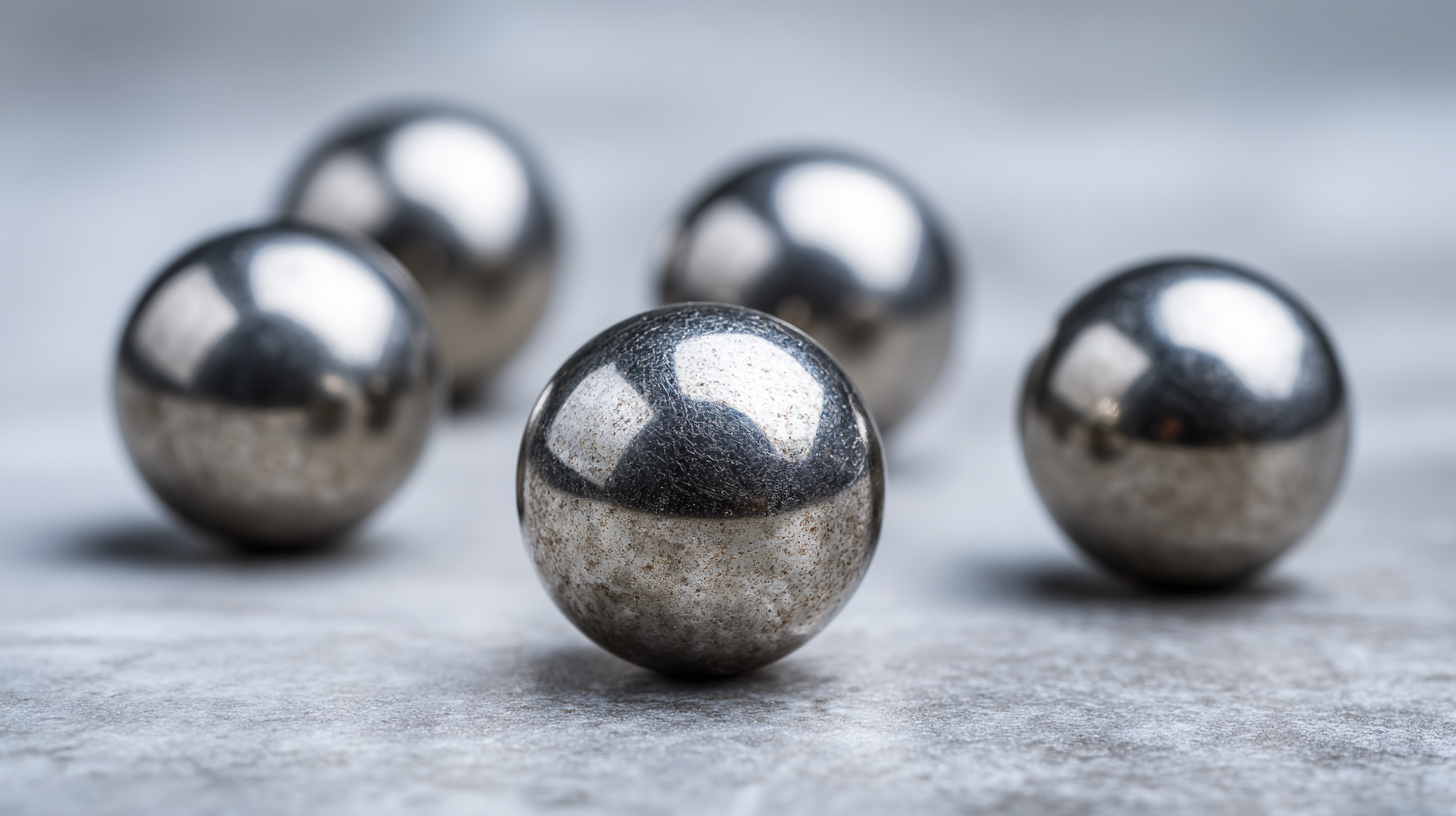
Understanding Zirconium Balls: Key Properties and Applications
Zirconium balls have really been catching everyone's attention across different industries lately. People love them because of their unique qualities, especially when it comes to durability and resistance to corrosion—they're kind of a go-to for tough applications. These little spheres have a density of around 6.5 g/cm³ and melt at about 1855°C, which means they’re incredibly strong for their weight—perfect for high-pressure situations. Interestingly, a recent market report from Mordor Intelligence predicts that the global zirconium market is gonna grow at a Compound Annual Growth Rate (CAGR) of about 3.2% between 2021 and 2026. That’s a clear sign that more and more sectors—like aerospace, automotive, and healthcare—are turning to zirconium-based materials.
What’s also pretty impressive is how chemically stable zirconium balls are—they resist oxidation and don’t wear down easily, even in really abrasive environments. Because of that, they’re often used in things like ball mills, grinding media, or as parts in medical devices. In fact, reports suggest that the use of zirconium in medical implants has almost doubled recently, thanks to its biocompatibility and lower risk of causing adverse reactions. All these properties together don’t just boost performance but also help products last longer. So, for manufacturers looking to level up their processes and improve product quality, zirconium balls are actually a pretty smart investment.
Ultimate Checklist for Selecting the Right Zirconium Balls: Key Metrics and Industry Insights
| Property |
Measurement |
Significance |
Application Areas |
| Density |
6.0 g/cm³ |
Indicates strength and durability |
Aerospace, Nuclear, Medical |
| Hardness |
1200-1400 HV |
Resistance to wear and deformation |
Oil & Gas, Manufacturing |
| Thermal Conductivity |
25 W/m·K |
Heat dissipation characteristics |
Electronics, Automotive |
| Corrosion Resistance |
Excellent |
Longevity in harsh environments |
Chemical Processing, Marine |
| Size Range |
0.5 mm to 10 mm |
Versatility for different applications |
Grinding, Aerospace Components |
Critical Metrics for Evaluating Zirconium Balls in Industrial Use
When you're choosing zirconium balls for industrial use, it’s pretty important to get a good handle on the key specs so you can make the right call. Stuff like hardness, density, and how well they resist corrosion — these are the biggies. Hardness tells you how tough the balls are against wear and tear, especially if they’re going to be used where there's a lot of friction. Density, on the other hand, affects how smoothly they perform, especially in machinery that needs those balls to stay balanced. And then there's corrosion resistance — basically, how well they hold up in tough environments to keep them working longer and better.
A good tip is to shop around and do your homework. Look for suppliers who give you clear, detailed specs and data sheets. It’s also worth asking for some samples to test out physically — that way, you can see how they perform in real-world conditions, not just in a brochure. Don’t forget to check reviews or feedback from other folks in the industry; it can give you a real sense of which brands are reliable and high quality.
And, of course, cost matters — but try not to just go for the cheapest option. Make sure whatever you pick actually meets the necessary standards for durability and performance. Sometimes, spending a little extra upfront can save you a ton of hassle and money down the line, with fewer replacements and less downtime happening to mess up your workflow.
Comparison of Zirconium Balls with Alternative Materials
When you're choosing zirconium balls for industrial use, it's really good to know what sets them apart from other materials. People often praise zirconium for being super hard and resistant to corrosion, which makes it a solid pick for tough, high-stress environments. If you compare them to stainless steel balls, you'll notice that stainless steel tends to wear out pretty quickly when faced with abrasive conditions. Zirconium, on the other hand, keeps its shape and strength much longer — in fact, industry reports suggest they can last up to 40% longer than stainless steel in certain cases.
Tip: When you're looking at different materials, don't forget to think about the environment they'll be used in — things like temperature and chemical exposure really matter and can make a big difference in how well the balls perform.
Compared to polymer balls, which are usually lighter and cheaper, zirconium balls really shine when it comes to durability and performance, especially in high-precision or demanding mechanical applications. A study from the Material Science Journal showed that zirconium can outperform polymers in compression tests by about 30%. That’s one of the reasons sectors like aerospace and medical devices tend to favor zirconium — because they need things that are reliable and strong.
Tip: Always take a good look at what your application demands and factor in the total cost of ownership, including possible replacements, before making your call. It’s all about making the smartest choice for your needs.
Industry-Specific Insights: Choosing the Right Zirconium Balls
When you're picking zirconium balls for different industrial uses, there are quite a few things you should keep in mind—stuff that really impacts how well they work. Different industries have their own special needs, like size, density, or the finish on the surface of these balls. For instance, in aerospace, you want something super precise and lightweight. But in the medical world, things like biocompatibility and resisting corrosion are the name of the game.
Here’s a tip: always make sure to check what specs are actually required for your specific industry. Take a good look at where and how you'll be using these zirconium balls and see if there are any rules or standards to follow. That way, you can cut down your options and make sure you’re playing by the rules.
And don't forget about where you’re getting these balls from. A reputable, experienced supplier can be a goldmine of valuable info—they often keep up with the latest tech and trends in zirconium ball manufacturing. This can really help you make a smarter choice.
My second tip is: look for suppliers who are open about sharing their knowledge. Chatting with them can give you insights into how their zirconium balls perform, making it easier for you to pick the right ones for your specific needs. It’s all about getting the right info and making a choice you can feel good about.
Best Practices for Sourcing High-Quality Zirconium Balls
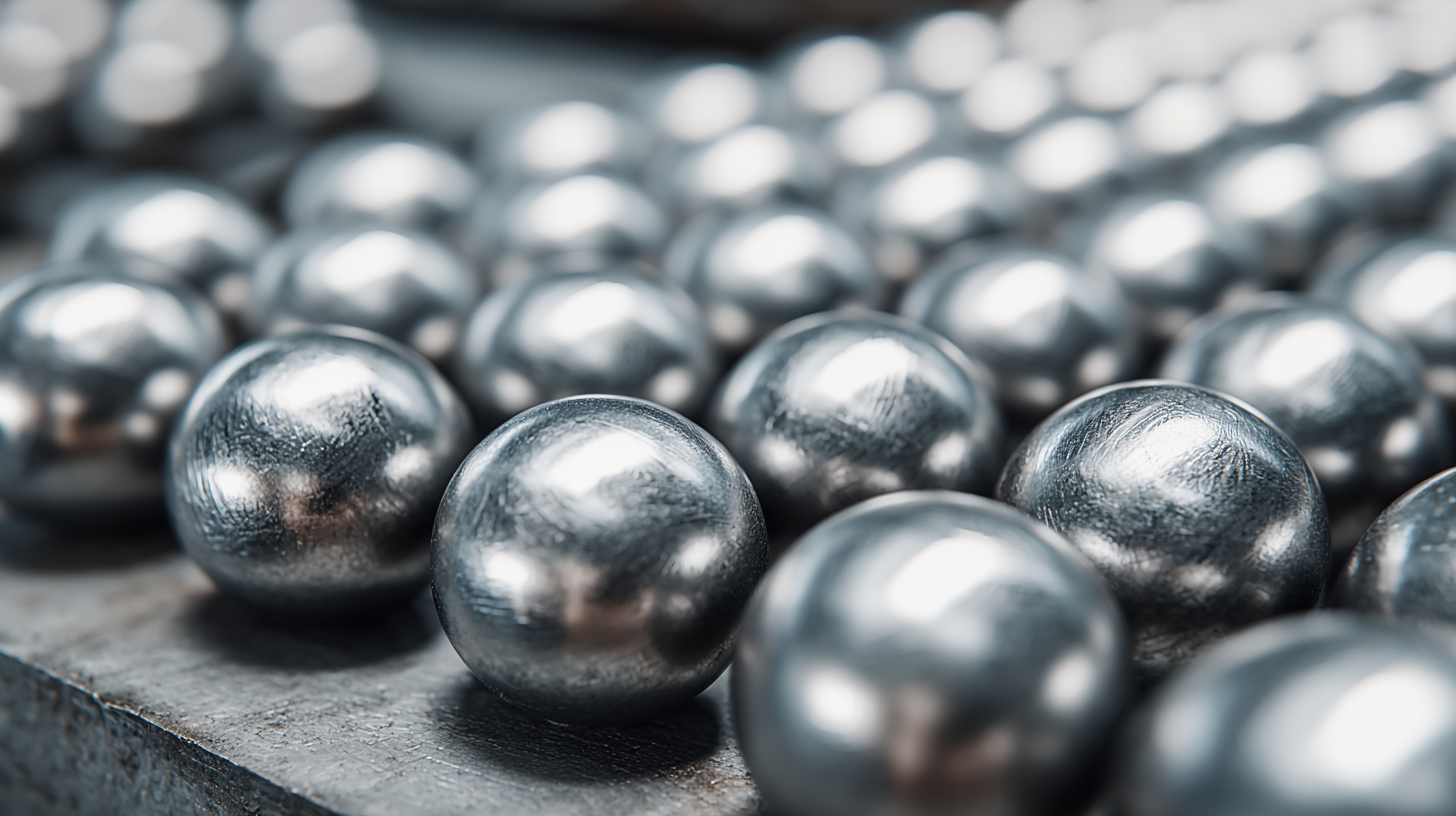
When you're on the hunt for high-quality zirconium balls, it’s really important to pay attention to a few key things that ensure they’re durable and perform well. I read a recent industry report that pointed out zirconium balls with a density over 6.1 g/cm³ tend to have better structural strength, especially when under stress. This makes them a solid choice for a bunch of different applications. Also, don’t forget about hardness—ideally, these balls should score at least an 8 on the Mohs scale, which basically means they'll resist wear and tear pretty effectively, even in tough industrial settings.
Now, with all the talk lately about outsourcing production—kind of like the debates around dental crowns—it’s worth remembering that you usually get what you pay for. A lot of studies in materials science show that cheaper zirconium balls, while they might seem tempting, often cut corners and could lack consistency or the nice finish you want. Cutting costs might save you some bucks now, but it can end up costing you more in the long run if your products fail or need replacing. So, basically, if you're serious about getting reliable zirconium balls, it’s best to go with reputable manufacturers who follow industry standards. Trust me, it pays off in the end when it comes to durability and efficiency.
Ultimate Checklist for Selecting the Right Zirconium Balls
This chart illustrates key metrics to consider when selecting zirconium balls. The metrics include diameter, density, hardness, toughness, and cost per kilogram. These parameters are crucial for sourcing high-quality zirconium balls suitable for various industrial applications.
Future Trends in Zirconium Ball Technology and Market Demand
Looking ahead, it seems like zirconium ball technology is really on the rise, especially in the U.S., where the market’s starting to grow quite a bit. As more industries start using these balls—think bearings, grinding equipment, and valve parts—the importance of top-notch materials like silicon, alumina, and zirconia just keeps getting clearer. They’re pretty amazing because their unique properties don’t just boost how well things work—they also fit the specific needs of different industrial jobs, whether that means being inert or active.
If you’re trying to pick the right zirconium balls for your project, a good tip is to start with what you'll be using them for. For example, if you’re dealing with bearings, you’ll want to look at how resistant they are to wear and how much weight they can support. Also, keep an eye on the latest trends, like the push towards nano-structured zirconia—it’s supposed to be more durable and lighter, which is a game-changer.
With the demand climbing so rapidly, it’s smart to get a handle on who’s competing in this space. Because a lot of the high-end ceramic parts are still imported, especially where performance really matters, understanding this can help you make smarter choices—whether you're buying now or thinking about boosting domestic manufacturing in the future. Getting these insights can really help improve how effectively industries use ceramic balls overall.
FAQS
: Zirconium balls have superior hardness and resistance to corrosion, allowing them to outperform stainless steel balls by up to 40% in lifespan, especially in high-stress environments.
While polymer balls may be lighter and less costly, zirconium balls offer enhanced durability and performance, outperforming polymers in compression tests by as much as 30% and making them a better choice for applications requiring high precision and mechanical strength.
It's crucial to assess the specifications needed for your industry, including size, density, surface finish, and regulatory standards applicable to the operational environment.
A well-established supplier can offer insights into the latest trends and advancements in zirconium ball technology, which can be beneficial for making informed choices that meet specific application needs.
Zirconium balls are preferred for sectors such as aerospace and medical devices where high precision, mechanical strength, biocompatibility, and corrosion resistance are essential.
Factors such as temperature and exposure to chemicals can greatly impact the performance of zirconium balls, making it important to consider these conditions during the selection process.
Beyond the initial purchase price, consider potential replacement costs and the longevity of the balls in order to make a more informed financial decision.
Understanding the operational environment helps ensure compliance with industry norms and narrows down options to meet specific performance requirements.
Suppliers can provide valuable information about the performance characteristics of their zirconium balls and offer guidance on the best choices to align with application needs.
Conclusion
So, you're on the hunt for the perfect Zirconium Balls for industrial use, huh? Well, to get it just right, you really need to understand its key features and how people use them. Zirconium Balls are pretty popular because they’re tough and resistant to wear and tear, which makes them a go-to for stuff like grinding, dental applications, and high-tech manufacturing. When you’re choosing the right one, it's all about checking out important things like size, density, and how smooth the surface is—these details matter if you want things to work smoothly.
And don't just compare Zirconium Balls to other materials; thinking about what’s specific to your industry can really help you pick the best fit. When it comes to sourcing top-quality Zirconium Balls, teaming up with trusted manufacturers like Pingxiang Baitian (Ball-tec) New Materials Co., Ltd.—who focus on high-purity zirconia—can make a big difference. Plus, since tech keeps moving forward, staying in the loop about future trends and market shifts in Zirconium Ball tech will help you stay ahead of the game in this ever-changing landscape.