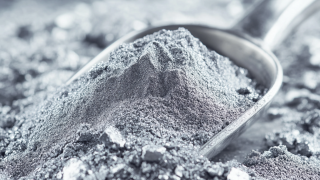
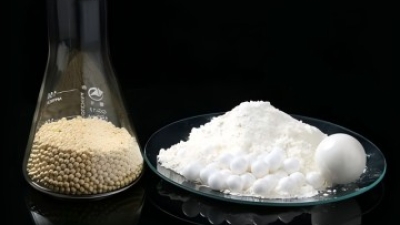
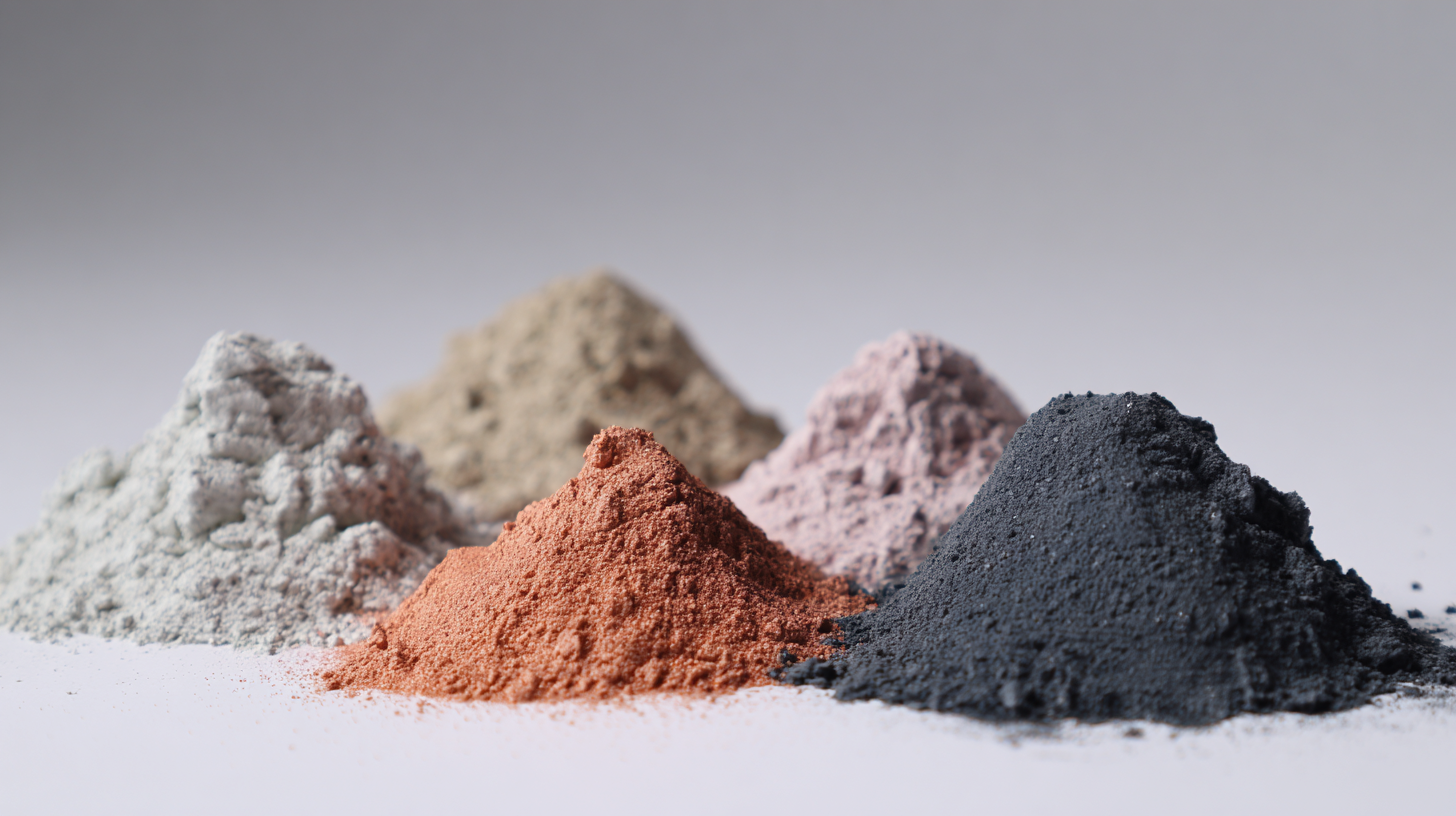
 Aluminum Oxide Polishing Powder has really become a go-to in a bunch of industries, especially when it comes to advanced manufacturing and precision engineering. I mean, with its incredible hardness and ability to give a super shiny, high-quality finish, it’s no wonder that places like automotive, aerospace, and electronics are relying on it all the time. And if you’ve been following industry trends, you probably noticed that the demand for this stuff is only gonna grow—around 4% annually until 2025, apparently—thanks to its expanding role in making optical parts and semiconductors.
As a high-tech company, Pingxiang Baitian (Ball-tec) New Materials Co., Ltd. really stands out — they focus on zirconia and alumina micro crystalline ceramic grinding media, including top-notch Aluminum Oxide Powders. Their dedication to R&D, manufacturing, and sales means they’re always ready to meet the changing needs of their customers, especially when it comes to dealing with the tricky aspects of Aluminum Oxide Polishing Powder in different applications.
Challenges in Aluminum Oxide Polishing: Industry Insights and Data
Using aluminum oxide polishing powder has pretty much become the go-to in a bunch of industries because it does a solid job of giving that glossy, high-quality finish. That said, there are still some hurdles, mainly around how the particle sizes and hardness levels can vary quite a bit. For example, industries like automotive and electronics often have pretty strict standards when it comes to polishing materials. The auto folks usually want a super fine polish to make their cars look shiny and attractive, while electronics demand gentler abrasives so they don’t damage delicate parts.
Another thing is that how well aluminum oxide powder works really depends on what it's being used on. Different materials react differently to the abrasive, so results can sometimes be a bit hit or miss. That means people in these fields are always tweaking their methods—trying out different formulations or changing their techniques—to get things just right. More companies are now leaning on data analysis to crack this code. They closely look at how the polishing powder interacts with different materials, so they can fine-tune their processes and boost overall performance. By understanding these little details, they're able to improve their polishing results and get better, more consistent outcomes.
Challenges in Aluminum Oxide Polishing Across Different Applications
Comparative Analysis of Aluminum Oxide Grades for Polishing Efficacy
When it comes to polishing with aluminum oxide powders, choosing the right grade really makes a big difference in how well things turn out across different projects. Each grade has its own quirks—like particle size, shape, and hardness—that hugely affect the final result. For instance, coarser grades tend to be better for the heavy lifting early on, like removing a lot of material quickly, which is great if you're starting with rough surfaces. On the flip side, finer grades are perfect when you want that super shiny, polished look and are usually what you’d use at the end of the process.
If you look at the different grades side by side, you’ll notice they each have their perks and potential downsides. Lower-grade powders, while powerful for rough work, can scratch up your surface if you're not careful. Meanwhile, the higher-grade options take a bit longer but give you a much smoother, more polished finish. So, the choice really depends on what you're working on—whether it’s cars, aircraft parts, or jewelry—and what kind of finish you’re after.
Picking the right aluminum oxide grade for each job is kind of essential if you want things to turn out just right.
Impact of Particle Size Distribution on Polishing Performance
When it comes to getting that perfect polish, a lot of it really depends on the size and distribution of the abrasive particles, especially when you're working with aluminum oxide. Recent research shows just how much this can influence not only how well the particles disperse but also how smoothly the polishing process goes. For example, scientists have found that anionic triblock copolymers work pretty well as dispersants for alumina. They help keep the suspension stable, which is a big deal because stable suspensions mean more consistent, high-quality results no matter what material you're polishing.
So, a quick tip if you're picking out polishing powders—pay attention to the shape and size of those particles. Smaller, well-dispersed particles tend to make better contact with your workpiece, which helps cut down on defects and boosts the overall efficiency of the polish. And don’t overlook mixing different types of abrasives in your slurry; that combo can really work wonders thanks to the synergistic effects.
Plus, it’s super important to measure the particle size distribution accurately. Techniques like electrospray scanning mobility particle sizing can give you a good idea of what's in your abrasive mixture, so you can fine-tune things for better results. Companies like Pingxiang Baitian New Materials Co., Ltd. are actually making strides in this area—they develop high-purity zirconia and alumina grinding media, using the latest tech to craft products that are perfect for different polishing needs.
Understanding the Challenges with Aluminum Oxide Polishing Powder in Different Applications - Impact of Particle Size Distribution on Polishing Performance
| Application |
Average Particle Size (µm) |
Particle Size Distribution (PSD) |
Polishing Speed (mm/min) |
Surface Finish (Ra, µm) |
| Optical Glass |
0.5 |
D90: 1.0 µm |
20 |
0.02 |
| Automotive Finishing |
1.0 |
D90: 2.5 µm |
30 |
0.05 |
| Jewelry Polishing |
0.3 |
D90: 0.6 µm |
15 |
0.01 |
| Metal Surface Treatment |
3.0 |
D90: 5.0 µm |
40 |
0.1 |
| Ceramic Polishing |
0.8 |
D90: 1.2 µm |
25 |
0.03 |
Influence of Application Types on Aluminum Oxide Polishing Results
Aluminum oxide polishing powder is pretty common across a bunch of industries, but its performance can really vary depending on what you're using it for. Things like the kind of material you're polishing, how smooth you want the finish to be, and what kind of polishing equipment you're using all play a role in how well it works. Take dental work, for example—where precision and a super-smooth surface are everything—special formulas of aluminum oxide powders can make a big difference, helping achieve finer finishes and cut down on surface flaws.
At Pingxiang Baitian (Ball-tec) New Materials Co., Ltd., we totally get that each application comes with its own set of challenges. That’s why we focus on providing high-purity zirconia and alumina micro-crystalline ceramic grinding media — so we can craft polishing powders tailored to the specific needs of different fields, from bio-dental to 3D printing. By understanding what factors influence the polishing results, we keep innovating and improving our products to make sure they perform perfectly in every kind of job we’re asked to do.
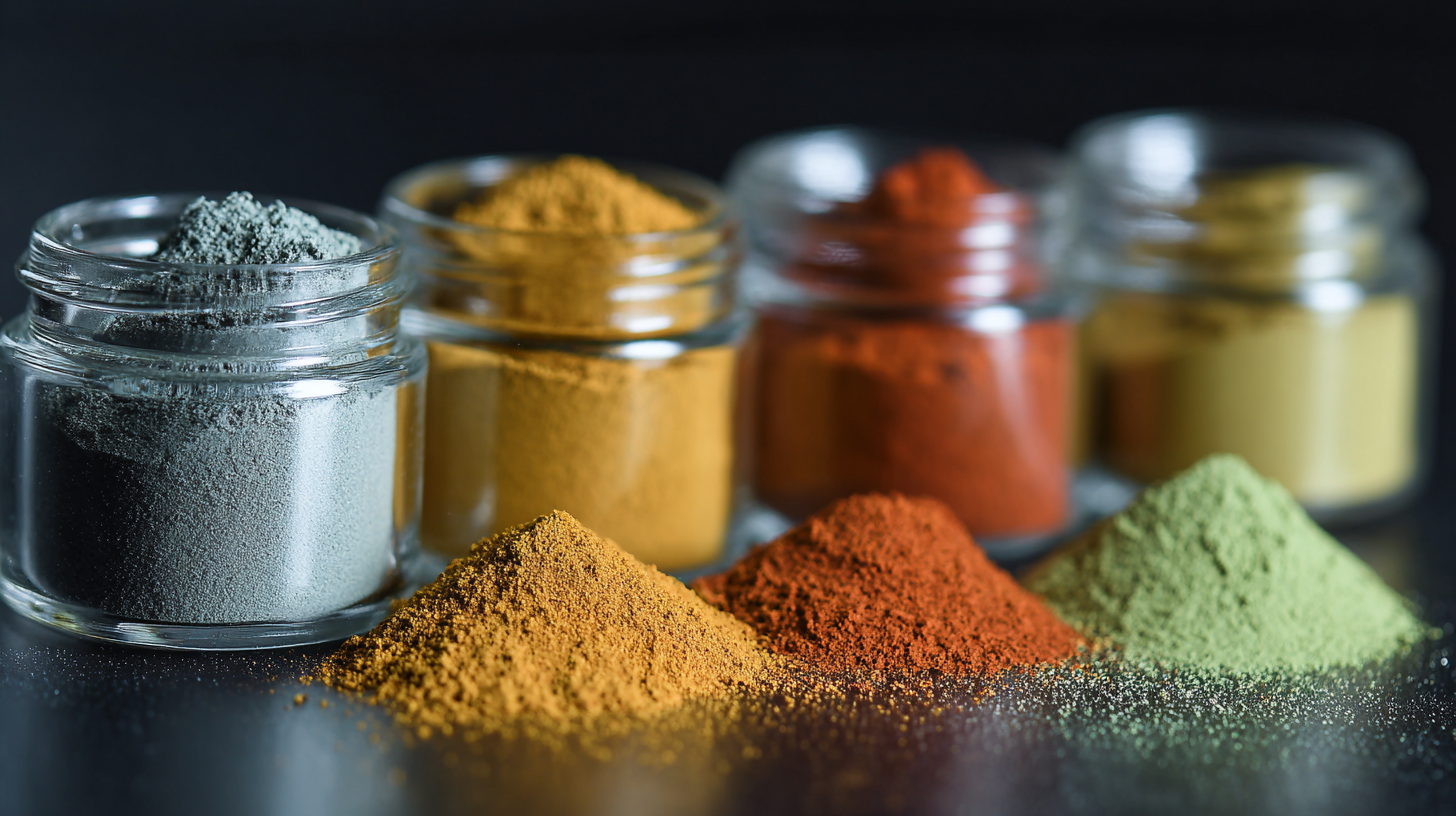
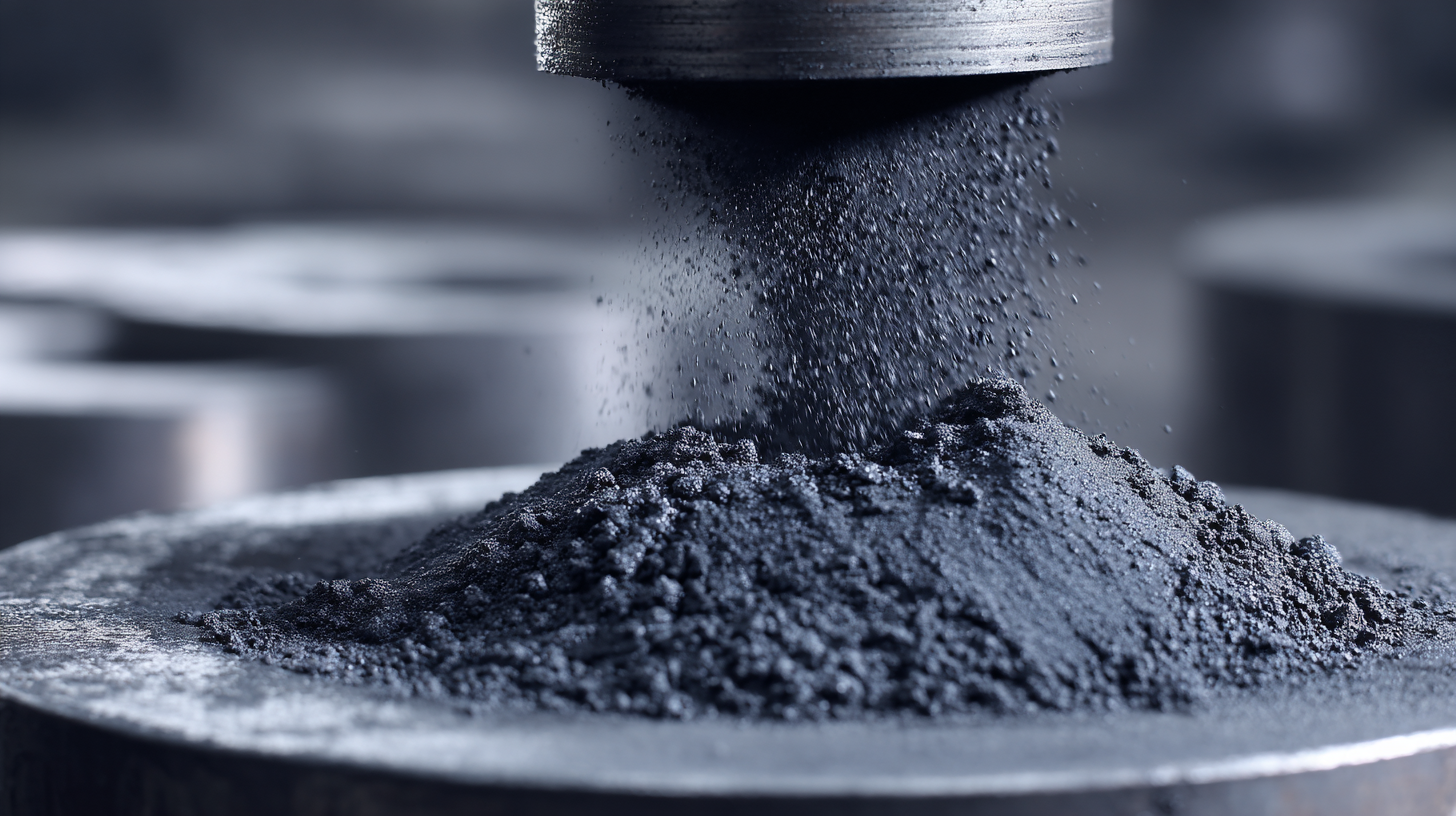
This image illustrates the various applications and challenges associated with aluminum oxide polishing powders.
Best Practices to Mitigate Common Challenges in Polishing Operations
Aluminum oxide polishing powder is pretty popular in a bunch of different industries, but honestly, using it can come with some tricky challenges. One of the main issues is that the particle sizes and how they’re spread out can vary a lot, which can make the polishing results a bit inconsistent. To get around that, it’s really important to follow some good practices during prep and when actually applying the powder. Making sure the powder is mixed evenly and tweaking the polishing settings a bit can make a big difference in how well everything turns out.
Another thing to watch out for is picking the right tools and methods depending on what material you're working with. For example, if you’re polishing soft metals, you’ll want to use gentle pressure and finer grit abrasives. On the other hand, harder materials might need a more forceful approach. Investing in good quality equipment and training your team to understand these differences really pays off. Plus, it’s a smart move to systematically test each batch of polished surfaces— catching issues early on helps you get better results and keeps the workflow smooth sailing.
Future Trends: Innovations in Aluminum Oxide Polishing Technologies
You know, the world of aluminum oxide polishing is really getting a lot of exciting innovations lately. Companies and researchers are working hard to make finishes better and more efficient, especially for industries like auto制造, aerospace, and electronics—places where a perfect surface truly matters. They've been experimenting with new formulas, like super tiny nano-sized aluminum oxide particles, which not only make surfaces smoother but also help cut down on material usage. That’s a win for both quality and sustainability, right?
And here’s the cool part — automation and AI are now playing a huge role in how we do polishing. Imagine smart systems equipped with sensors that can adjust their settings on the fly, based on the material they’re working on. This means a more precise polish, and it significantly reduces the risk of damaging delicate surfaces. As these innovations keep advancing, I honestly think we’re going to see some seriously impressive improvements in both the look and efficiency of polishing processes down the line. It’s an exciting time for the industry, for sure.
Exploring the Impact of Magnesia Stabilizer Zirconia Powder on Advanced Ceramics: Insights from Recent Market Analysis Reports
In the realm of advanced ceramics, the application of Magnesia Stabilizer Zirconia Powder has emerged as a pivotal development, significantly influencing the material's performance characteristics. Recent market analysis highlights the dual forms of this innovative powder: Airflow Powder and Spray Granulation Powder. Both types, packaged in double plastic film sealed buckets of 25 kg each, are engineered to meet stringent quality standards, with impurities controlled at the PPM level. This meticulous control leads to a super fine and narrow particle size distribution, ensuring a consistent specific surface area essential for high-performance ceramic applications.
The unique properties of ZO-P-Mg powder, especially its low sintering temperature and remarkable aesthetic qualities, position it as a preferred choice for manufacturers aiming to produce ceramics with high strength and toughness. Its anti-aging properties and resistance to defect formation, such as pinholes, further enhance its appeal. With easy processing and machining capabilities, this Magnesia stabilizer zirconia powder not only meets the demands of advanced ceramics but also enables innovations in various industries. The growing interest in these materials underscores the importance of understanding their impact on ceramics, as market reports continue to unveil the advantages of integrating such advanced materials into production processes.
FAQS
: Aluminum oxide polishing powder is used across various industries due to its effectiveness in achieving a high-quality finish.
Challenges include variations in particle size and hardness, which can affect the polishing results and require adjustments in techniques and formulations.
The automotive industry demands a finer polish for visual appeal, while the electronics sector prioritizes gentler abrasives to protect sensitive surfaces.
Different substrates react uniquely to aluminum oxide's abrasive properties, leading to inconsistent polishing results that professionals must continually adapt to.
Particle size distribution significantly influences dispersion stability and the efficiency of polishing processes, affecting the overall quality of the finish.
Anionic triblock copolymers are effective dispersants that enhance the stability of alumina suspensions, improving the consistency and quality of polishing results.
Accurate measurement of particle size distribution ensures optimal polishing results and can guide the formulation and application of abrasives.
Fine dispersions facilitate better contact with the workpiece, reducing defects and enhancing the efficiency of the polishing process.
Mixed abrasive slurries can leverage the synergistic effects of different particle types, leading to improved polishing outcomes.
Companies like Pingxiang Baitian New Materials Co., Ltd. are developing high-purity zirconia and alumina grinding media, focusing on advancements that tailor products for various polishing applications.
Conclusion
When it comes to surface finishing, Aluminum Oxide Polishing Powder definitely has its share of hurdles that can impact how well it works in different applications. Industry folks often point out that the performance really depends a lot on the grade of aluminum oxide you're using. For example, the particle size distribution is pretty key—getting that just right can make all the difference in achieving a smooth, polished finish. And, honestly, every application has its own unique quirks and demands, which means there's no one-size-fits-all solution. It usually takes a bit of tweaking and a tailored approach to really get things done effectively.
To avoid the common headaches during polishing, folks recommend sticking to best practices—like choosing the right grade of aluminum oxide and fine-tuning the process parameters. Looking ahead, there are some exciting innovations on the horizon that could really boost both efficiency and results in polishing, opening up new possibilities for industries that rely on top-notch surface finishes. Here at Pingxiang Baitian (Ball-tec) New Materials Co., Ltd., we’re passionate about pushing the boundaries of polishing tech. Plus, we’re also dedicated to providing high-purity zirconia and aluminum oxide materials to meet the diverse needs of our customers.
Basically, it’s all about continuous improvement and finding smarter ways to shine—literally!