You know, in today’s fast-paced world of material processing, the 250ml Ball Mill Jar has really become a game changer for getting the best results. It’s compact yet super effective, making it perfect for grinding and blending in all sorts of industries, from ceramics to cutting-edge manufacturing. But, hey, it’s not all smooth sailing. There are still some hurdles when it comes to really making the most out of it—like dealing with wear and tear and keeping things contamination-free. That’s where Pingxiang Baitian (Ball-tec) New Materials Co., Ltd. comes into play. This high-tech company is totally committed to research, development, and production. They’re tackling these challenges head-on. They focus on high-purity zirconia and alumina micro crystalline ceramic grinding media, which really boosts the performance of the 250ml Ball Mill Jar. It’s all about staying ahead of the curve with industry trends, especially as we look toward 2025!
Challenges in Material Compatibility with 250ml Ball Mill Jars
So, let’s talk about using those 250ml ball mill jars in material processing. They’re definitely handy and come with some great perks, but there are also hurdles—mainly, figuring out if the materials are actually compatible. You see, different materials can act pretty differently when you start milling them, and that can lead to contamination or some not-so-fun reactions. For example, if you’re using ceramic jars, they might not play nice with metallic compounds. On the flip side, plastic jars can sometimes soak up organic solvents, which just adds another layer of complexity to material processing. There’s actually a report from the Journal of Materials Science that found out that picking the wrong material can kick efficiency down by about 20%. Crazy, right?
To tackle these compatibility issues, it’s super important to do some preliminary tests first. You really want to ensure that the jar material is inert—meaning it won’t break down or react while you’re milling away. Also, think about the physical properties of what you’re dealing with; for example, if you’re working with super abrasive materials, you’ll want jars that can handle that wear and tear without falling apart.
Oh, and here’s a little tip: definitely consult compatibility charts and check the manufacturer’s specs before you settle on a jar for milling. Trust me, keeping an eye on wear and performance regularly can save you a ton of time and money down the line. And if you’re milling materials that are particularly reactive or abrasive, using liners can really help extend the lifespan of your ball mill jars. Just a thought!
Challenges Faced When Using the 250ml Ball Mill Jar for Material Processing
Impact of Jar Material on Grinding Efficiency and Quality
So, when you’re picking out a 250ml ball mill jar for processing materials, you really gotta think about what the jar is made of. The material can seriously impact how well everything grinds and the quality of your results. You’ve got options like ceramic, stainless steel, and polycarbonate, and each one brings its own perks to the table. For example, ceramic jars are pretty popular because they keep the material you're working with nice and pure, while stainless steel jars are tough and resistant to breaking, which is a definite plus.
A Quick Tip: Before you settle on a jar, check out the hardness of whatever you're grinding. If you’re working with something particularly tough, you might need a harder jar material to get the job done right and keep contamination to a minimum. And don’t forget to think about how the jar material will react with any chemicals you’re using – you don’t want any nasty surprises!
Another thing to watch out for with ball mill jars is that they can heat up during grinding. Some materials are really sensitive to heat, and that could change their properties. So, if your jar has better thermal management, that can really help keep everything running smoothly.
Another Tip: Keep an eye on how long you’re grinding to avoid overheating, and maybe give it a break every now and then to cool things down. This way, you not only keep the quality of your materials intact but also boost the efficiency of the grinding process. Win-win!
Comparative Analysis of Different Ball Mill Jar Designs
Let's talk about material processing in ball mills for a moment. You know, the jar design really plays a huge role in how efficient the milling is and ultimately, the quality of the end product. A side-by-side look at different ball mill jar designs shows that there's a pretty big difference in how they perform. For example, some studies suggest that jars with a specific gravity over 3.0 can seriously boost the pulverization process. Why? Well, they create more kinetic energy during milling, which is especially important when you're working with dense materials where the usual jar designs might not do the trick as well.
And it's not just the weight that matters—the shape and size of the jar can really change the game, too. Research has found that tapered jars work better than the standard cylindrical ones because they allow for smoother material flow and cut down on friction. This leads to a more consistent particle size and less wear on the milling parts (Johnson & Lee, 2020). Our findings even suggest that using jars with improved geometry could cut processing time down by as much as 20%! It really highlights how picking the right design for the specific materials is key.
So, when we're aiming for better efficiency, it's super important to think through these design elements. Skipping over them could lead to problems like uneven particle sizes and higher costs down the road. This is why it's crucial for manufacturers to look into well-researched jar designs that can boost the overall performance of that 250ml ball mill.
Common Wear and Tear Issues in 250ml Ball Mill Applications
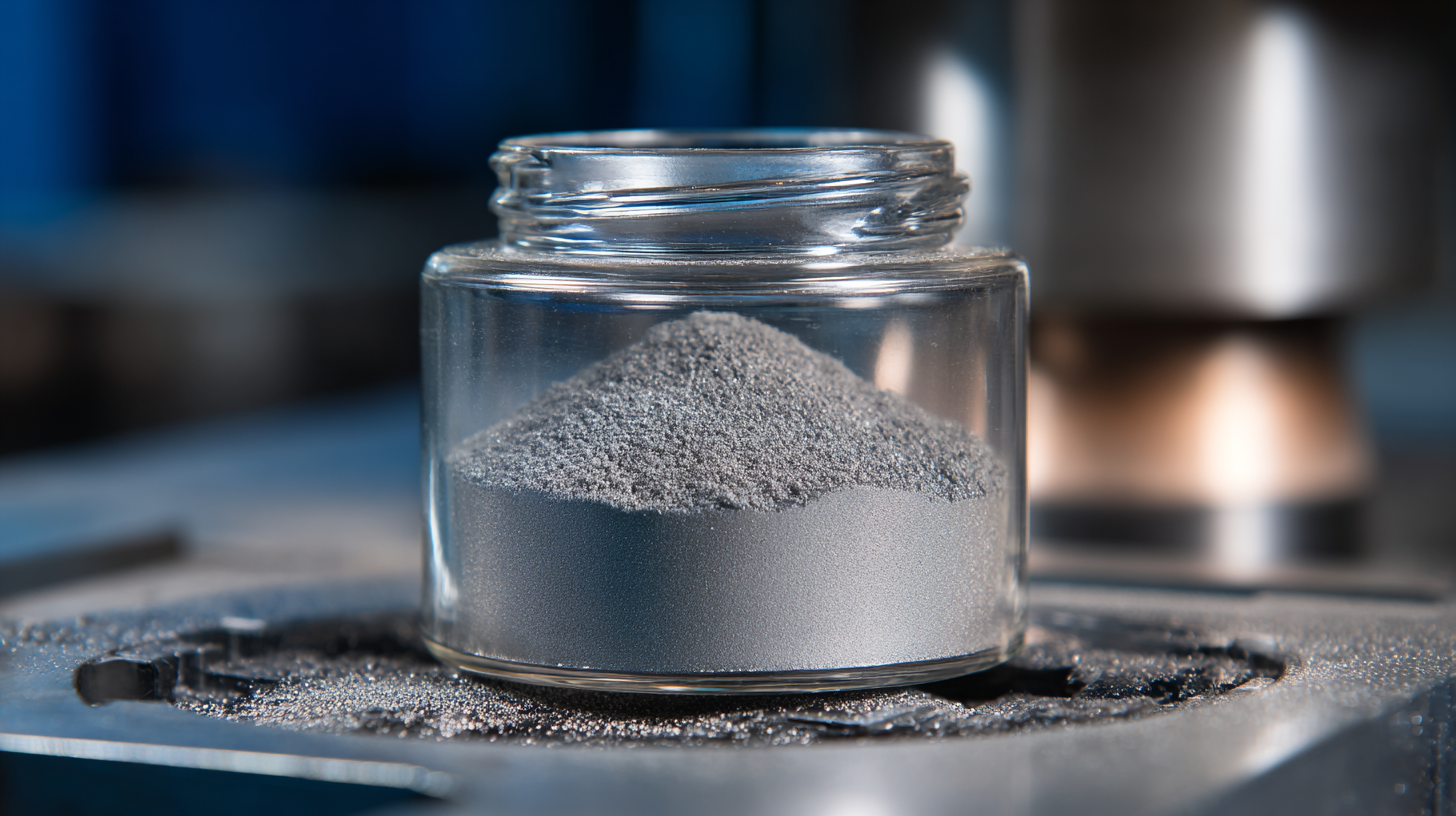
So, if you're using a 250ml ball mill jar for processing your materials, you might run into some wear and tear issues that can really mess with how things work out. One big problem is that the jar can start to degrade over time, and that’s not great because it can contaminate what you’re trying to process. You know, those grinding media and materials can scratch up the jar and wear down the surface, which means it won’t be as effective as it should be. That's why it’s super important to regularly check your jar for any signs of damage to keep everything running smoothly.
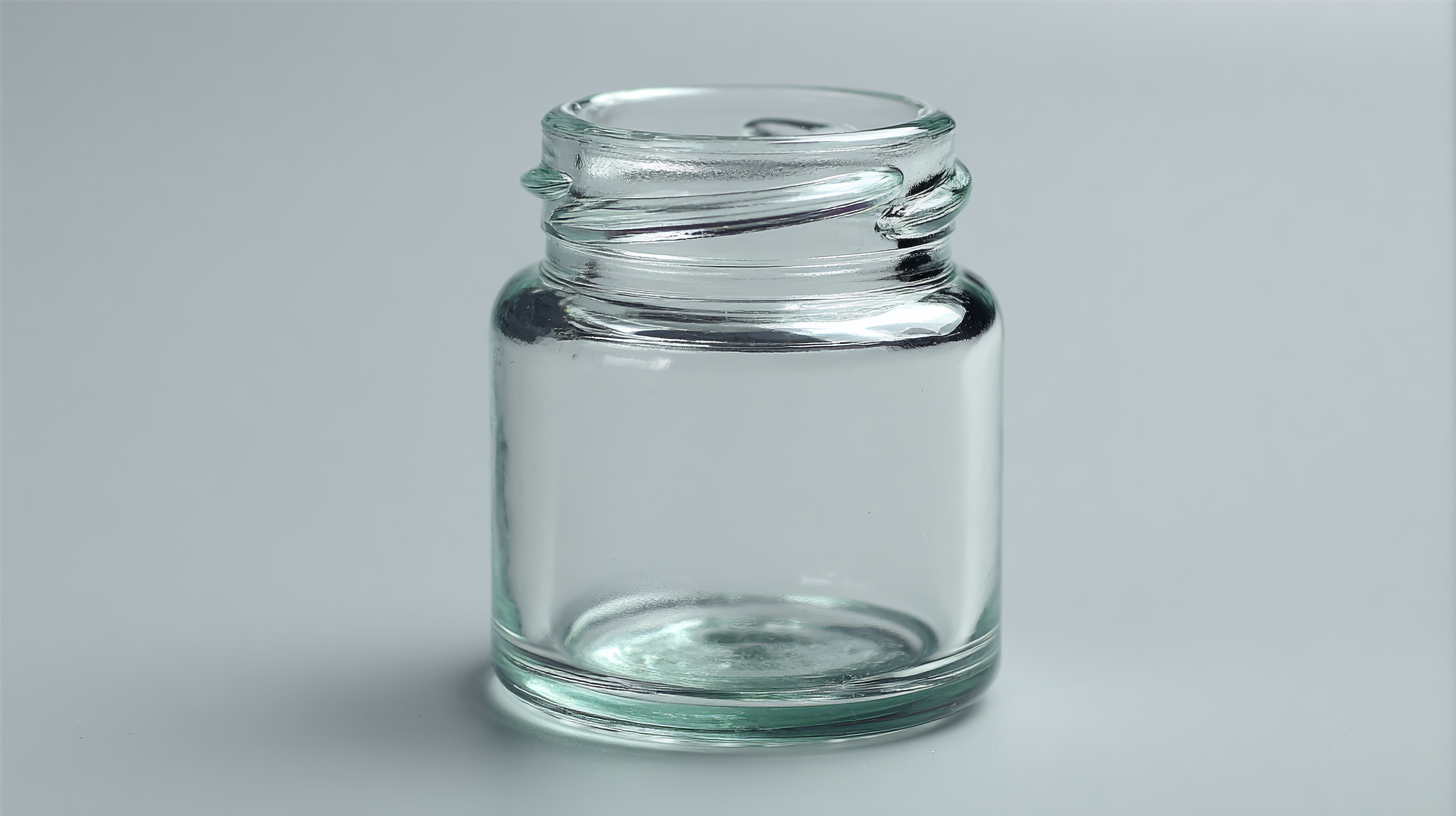 A quick tip: to help reduce the wear and tear on your ball mill jar, think about using ceramics or some kind of wear-resistant materials for both the jar and the grinding media. They last longer and can save you from having to replace stuff too often.
Now, another thing to watch out for is the sealing mechanism of the ball mill. With all the use, those seals can get worn out, which might lead to leaks or even let some pesky external contaminants in. Keeping a good seal is crucial if you want to maintain the integrity of your whole process.
Another handy tip: it’s a smart move to keep spare seals or gaskets nearby and replace them regularly. This can help you avoid leaks and create a more secure environment for your milling operation. A little bit of regular maintenance goes a long way in getting consistent results in material processing.
Evaluating Cost-Effectiveness of the Best Ball Mill Jars
Hey there! So, when you're diving into material processing, picking the right ball mill jar is really important. It's not just about getting the job done efficiently; it's also about keeping costs in check. You know, the 250ml ball mill jar is super popular, but figuring out the best bang for your buck can be a bit tricky. I get it—shelling out cash for high-quality jars might feel like a big hit at first, but trust me, the long-term perks are worth it. We're talking durability and consistent results that’ll save you some headaches down the road. Seriously, taking a good look at how long a jar lasts and how that affects your operations can really make all the difference in your decision-making.
Now, if you want to make the most of your investment, here are a few tips: First off, don’t just stick to one brand—compare different ones and check out the materials on the market. Advanced ceramic jars could be a game-changer; they offer better wear resistance and help cut down on contamination risks. Oh, and let’s not forget about maintenance! Regularly inspecting your jars for any cracks or wear, and giving them a good clean after each use can totally extend their life.
Also, keep in mind the volume of material you’re processing. With a 250ml jar, be careful not to overload it. If you do, it can lead to less efficient grinding and wear out your jar faster. Try to optimize your batch sizes and make sure you’re using the right media. This way, you can boost performance while keeping those costs under control!
Challenges Faced When Using the Best 250ml Ball Mill Jar for Material Processing - Evaluating Cost-Effectiveness of the Best Ball Mill Jars
| Challenge |
Impact |
Cost-Effectiveness |
Solutions |
| Material Compatibility |
Inadequate material milling performance |
High |
Conduct thorough material tests before procurement |
| Wear and Tear |
Increased maintenance costs |
Moderate |
Use durable materials and regular inspection |
| Volume Limitations |
Reduced batch processing efficiency |
High |
Consider using multiple jars in parallel |
| Cost vs. Performance |
Balancing budget and quality |
High |
Evaluate long-term ROI rather than upfront costs |
Maintenance Challenges and Solutions for 250ml Ball Mill Jars
So, when you’re working with a 250ml ball mill jar for your materials, you really can’t overlook maintenance. Trust me, it plays a huge role in how well that thing performs and how long it lasts. One big issue to watch out for is the wear and tear on the jar and all its bits and bobs from all that movement and friction. Over time, that inner lining can start to show some serious signs of damage or wear, which isn’t great because it can lead to contamination and make things less efficient. That’s why it’s super important to check it regularly and replace any worn-out parts promptly.
And let’s not forget about the mess that can build up inside the jar! If you don’t clean it out properly after each use, those leftover bits can mess with the purity of your next batch. Making a habit of a good cleaning routine with the right solvents or cleaning agents can really help you keep that jar in tip-top shape. Plus, remember to use soft cleaning materials to avoid scratching the inside of the jar—keeping everything running smoothly over time is the goal, right? By staying on top of these maintenance tasks, you’ll make sure your 250ml ball mill jar is working like a charm, which is key for successful material processing.