You know, today’s manufacturing world is pretty hectic—full of challenges when it comes to
boosting efficiency and
keeping up with innovation. And if we focus on
Metal Packing solutions, things get even more interesting.
As industries grow and change, the need for smarter, more advanced packaging tech has skyrocketed.
In fact, recent reports say the global metal packaging market could be worth around
$240 billion by 2025. That’s a huge jump, and it’s all about companies looking for
sustainable options, durability,
and better ways to protect their products.
Leading the charge in this space is Pingxiang Baitian (Ball-tec) New Materials Co., Ltd. They’re a high-tech firm that’s
been really pushing the envelope with materials like zirconia and alumina ceramic grinding media.
We also handle the production and sales of high-purity zirconia powders, which fits right in with the industry’s move towards
more innovative metal packaging solutions—solutions that can meet the tough demands of modern manufacturing.
Pretty exciting stuff, right?
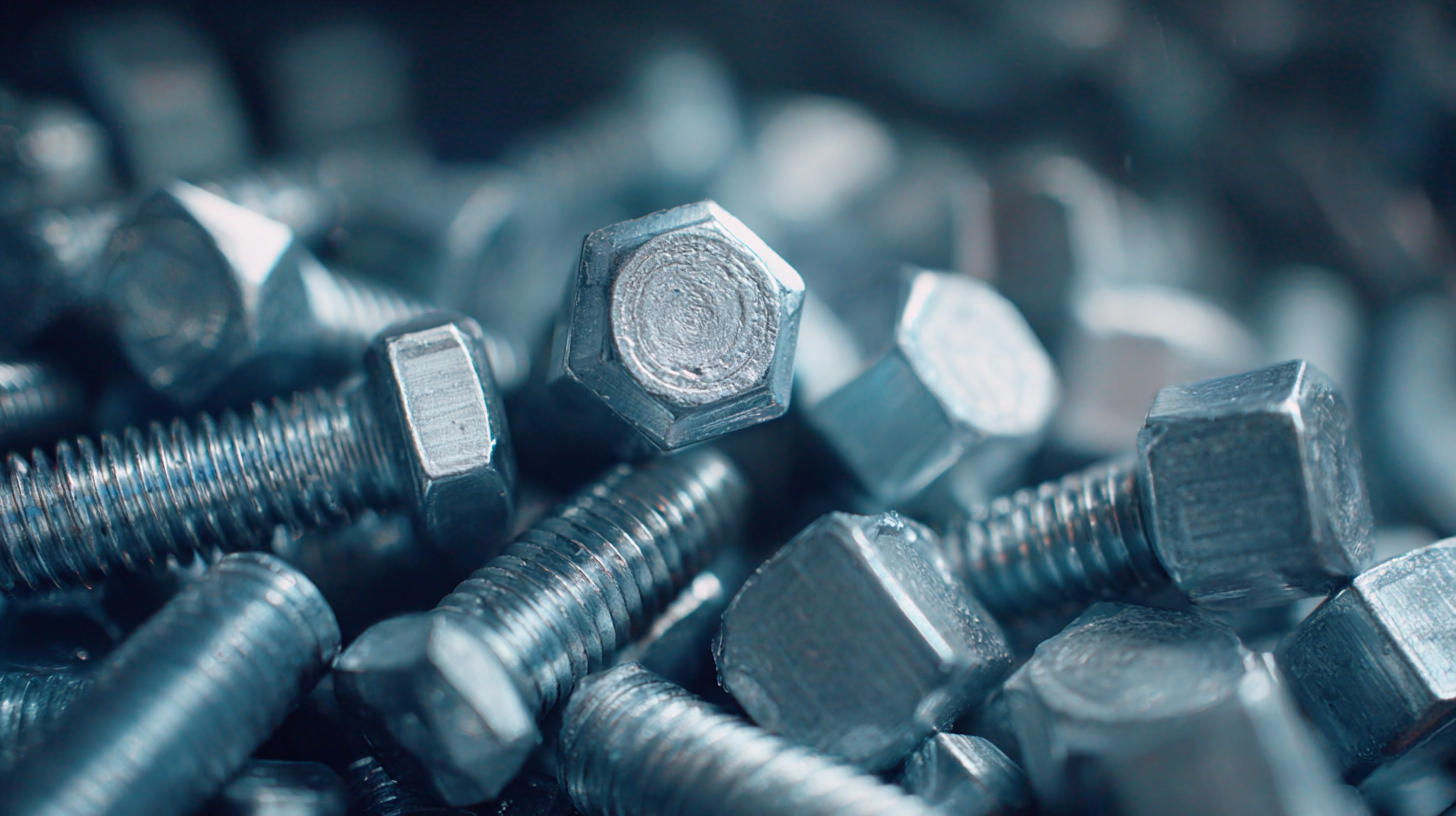
Exploring Sustainable Alternatives in Metal Packing Solutions for Manufacturing
These days, if you look at the manufacturing world, it's clear that finding sustainable options for metal packaging is becoming more and more of a priority. You know, traditional metal packing methods often depend on materials that aren’t recyclable and involve processes that can seriously harm the environment. Because of that, lots of manufacturers are now looking for greener solutions—not just to cut down their carbon footprint, but also to make products safer and more efficient. It's kind of exciting to see these changes happening!
One really good strategy is to switch to recyclable metals and use innovative coatings that are less toxic. That way, after the packaging's done its job, the materials can be reused instead of tossed out. This helps cut down on waste and keeps the circle of resources going. Plus, with tech like 3D printing, companies can create custom solutions that fit their specific needs perfectly, which also means less unnecessary material gets used.
**A few tips if you're thinking about making the switch to greener metal packing:**
1. **Do a Material Check:** Take a good look at what you're currently using and see where you might swap in more sustainable options.
2. **Get Your Team On Board:** Make sure your staff knows why eco-friendly practices matter and train them in the new methods.
3. **Work Closely with Your Suppliers:** Collaborate with your suppliers to find sustainable materials and explore new packaging tech that lines up with your green goals.
Making these moves might seem like a lot at first, but they can really make a difference — for your business, the environment, and the future!
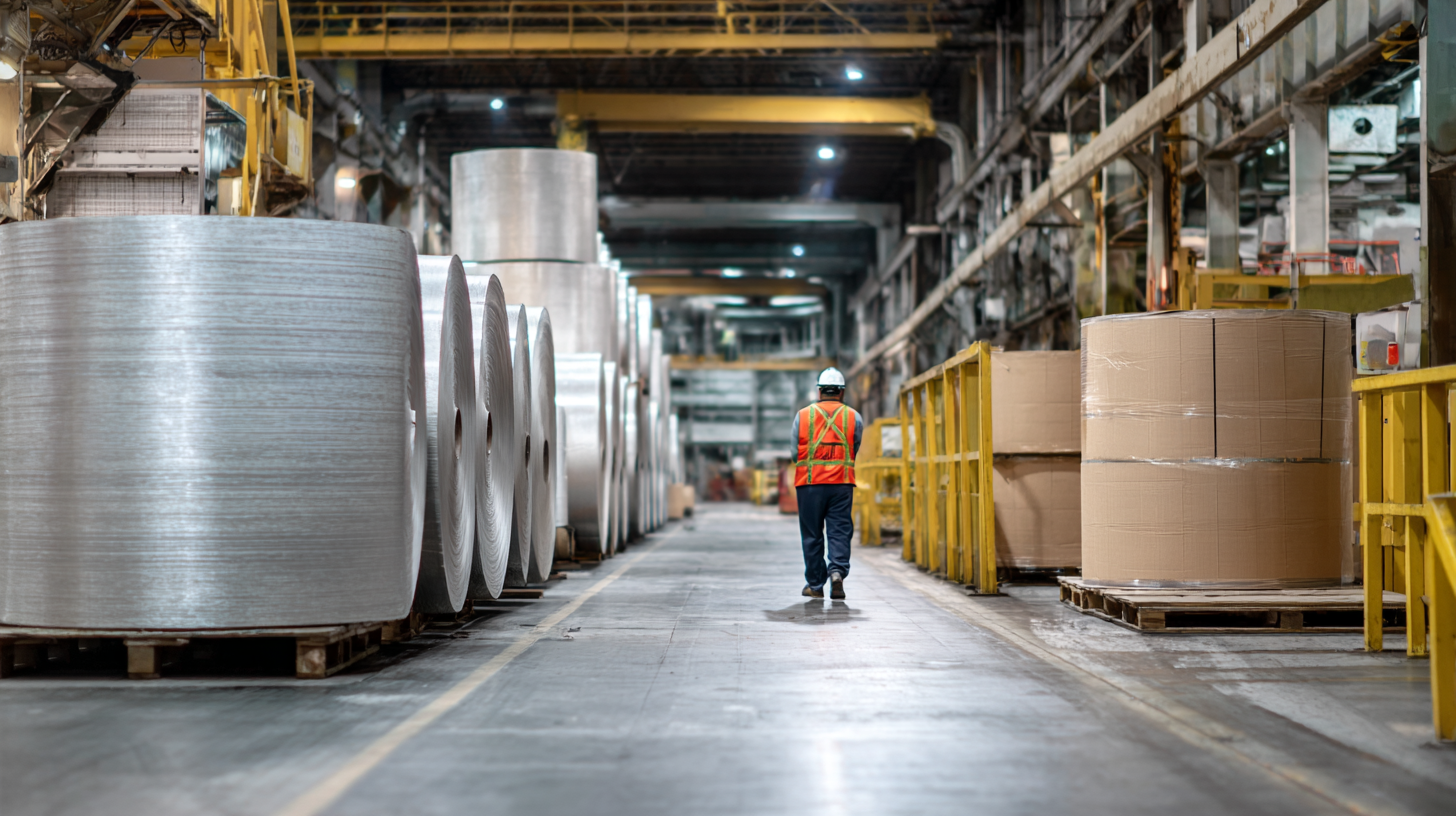
Innovative Technologies Enhancing Metal Packing Efficiency
In today’s world of manufacturing, how well you pack your metals really makes a difference when it comes to keeping the supply chain running smoothly. I came across this recent report from Smithers Pira, and it’s pretty eye-opening — they’re saying the market for top-notch packaging solutions could hit a massive $475 billion by 2026. It just shows how much everyone’s craving new tech that can make packing faster and more efficient. Companies are always on the lookout for ways to not only cut down on material waste but also speed things up and get things right the first time.
One of the biggest game-changers right now is automation. Things like robotic systems and AI are really shaking up how we do metal packing. Apparently, these smart systems can boost packing speed by up to 30%, and at the same time, cut labor costs by around 20% – that’s according to the International Packaging Association. Plus, adding smart sensors into the machines lets manufacturers monitor and tweak things on the fly, which helps reduce waste and keep everything running smoothly. Thanks to these cool innovations, companies are definitely better equipped to stay competitive without sacrificing their sustainability goals — it’s a win-win all around.
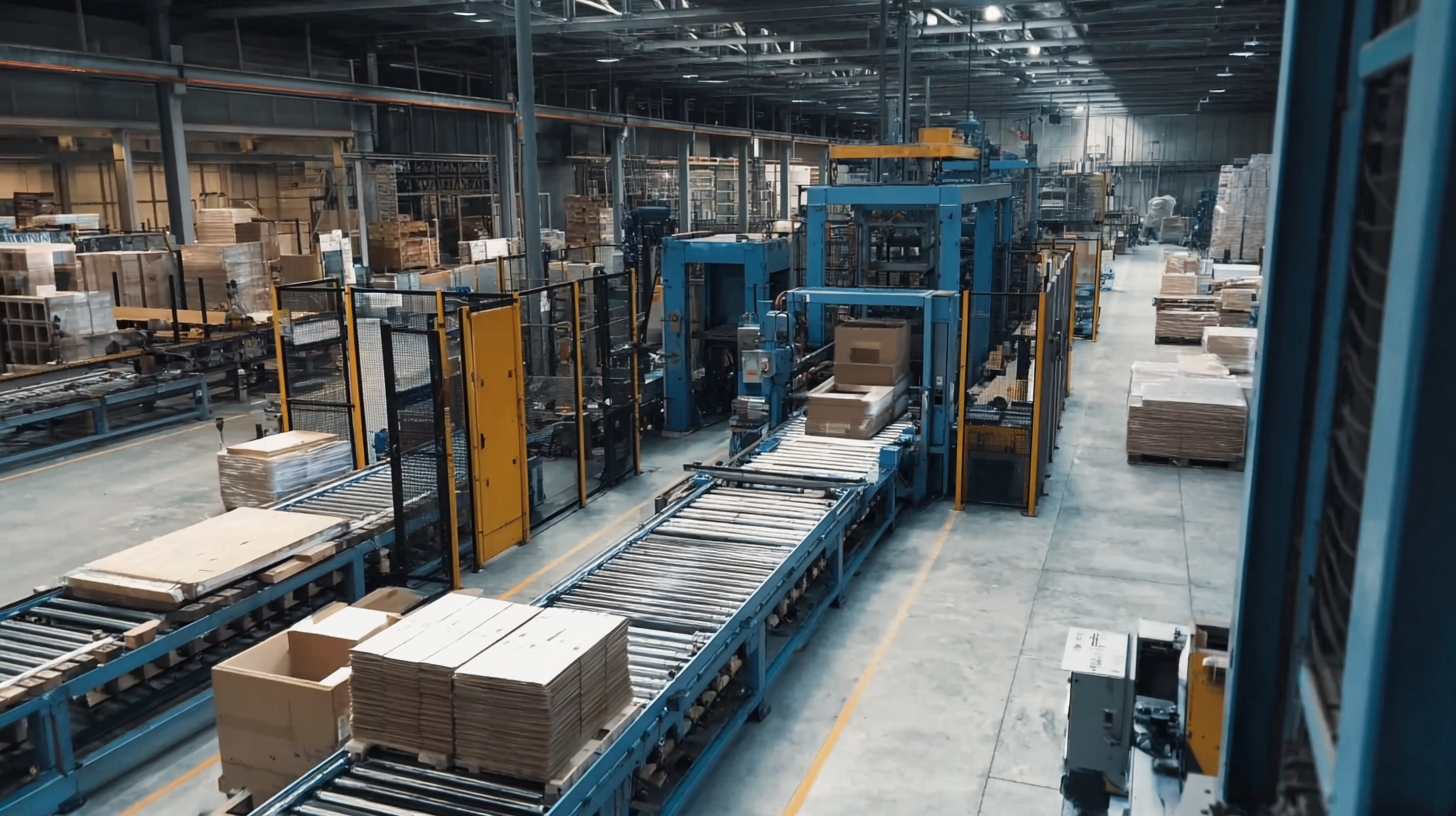
Cost-Effective Alternatives to Traditional Metal Packaging
You know, in today's world of manufacturing, finding cheaper and more eco-friendly packaging options than traditional metals is becoming a real top priority. As companies push for sustainability and efficiency, we're actually seeing some pretty exciting innovations pop up. Take biodegradable stuff like biopolymers and plant-based fibers—these are totally changing the game and providing manufacturers with greener choices that help cut down their carbon footprint.
If you're thinking about switching things up with alternative packaging, a few tips might help. For example, checking out materials like chitosan-metal nanocomposites can be a smart move—they’re not just good at keeping products fresh, but they also bring some 'smart' features to the table. Plus, they’re aligned with those sustainability goals we all care about. And don’t overlook flexible packaging options—they’re not only cost-effective but also super popular with consumers because they’re practical and eco-friendly at the same time.
Jumping into bio-based nanomaterials is another avenue worth exploring. These materials are starting to get a lot of attention, especially in food packaging and protecting natural resources. By embracing these cool innovations, manufacturers can stay competitive and meet the increasing demand for sustainable practices in packaging. Honestly, it’s an exciting time to be in the industry!
Addressing the Challenges of Metal Packing Solutions in Modern Manufacturing - Cost-Effective Alternatives to Traditional Metal Packaging
| Material Type |
Cost per Unit |
Weight (grams) |
Sustainability Rating |
Common Applications |
| Aluminum |
$0.75 |
10 |
Recyclable, Moderate |
Beverage cans, Foils |
| Tinplate |
$1.00 |
15 |
Recyclable, Low |
Food cans, Containers |
| Stainless Steel |
$1.50 |
20 |
Recyclable, High |
Cookware, Appliances |
| Cardboard |
$0.30 |
5 |
Highly recyclable, Very High |
Packaging, Shipping |
| Plastic |
$0.50 |
8 |
Recyclable (varies), Moderate |
Consumer goods, Containers |
Assessing the Environmental Impact of Metal Packing Materials
Lately, people have been paying a lot more attention to the environmental footprint of metal packaging materials. As companies look for ways to be more sustainable, it’s become a pretty hot topic. The market for metal packaging is booming, expected to hit around $40.25 billion by 2032, so it’s really important to think about greener practices in this space. The growth rate for metal packaging—what they call the CAGR—shows just how much this stuff is gaining importance, mainly because folks want reusable and recyclable options. As businesses try to stick to ESG principles—those social, environmental, and governance guidelines—using metal packaging makes a lot of sense since it’s tough and recyclable.
The whole packaging industry, which was valued at about $583.21 billion in 2024, is actually expected to grow to nearly $895 billion by 2032, with a steady annual growth rate of around 5.5%. Among all these options, metal packaging really shines because it can be greener compared to traditional materials. More and more companies are paying attention to creating sustainable supply chains—thinking not just about how their products look or perform but also how their packaging ends up after use. Thanks to new coatings and better production methods, switching to eco-friendly metal packaging can really cut down the environmental impact and boost overall industry sustainability. It’s an exciting shift that’s happening all over the place.
The Role of Automation in Improving Metal Packing Processes
Automation has really become a game-changer when it comes to how metal packing is done in today’s manufacturing world. I mean, by bringing in automated tech, companies are able to crank up their efficiency big time, cut down on the manual labor, and even reduce mishaps caused by human error. Things like advanced robots and smart factory systems now handle the once-tedious tasks, making packing metal goods faster and way more accurate. Not only does this boost productivity, but it also helps meet the super tight turnaround times that everyone’s after—especially in industries like automotive and electronics.
On top of that, putting automation into packing isn’t just about speed—it’s also a big plus for workers’ safety and comfort. When repetitive manual work is reduced, employees can work in a safer, less stressful environment. And from a sustainability point of view? Automation really helps with better inventory control and smarter use of resources. Looking ahead, all these ongoing tech advancements are set to totally change the way we pack metal products, helping manufacturers tackle complex problems and encouraging innovation along the way.
Future Trends in Metal Packing Alternatives in Manufacturing
As manufacturing keeps changing, the future of metal packaging options is becoming more and more important. Did you know that the global food packaging market is expected to grow from about $500 billion in 2024 to over $815 billion by 2032? That's a huge jump, and it really shows how there's a growing push for innovative packaging solutions that balance practicality with sustainability. Metal packaging, in particular, seems to be getting a lot of attention, mainly because of policies encouraging its use. Its recyclability and durability make it a favorite for many companies looking to reduce waste and be more eco-friendly.
Recently, industry analyses have highlighted that regions like South China are leading the way, especially with companies heavily investing in smarter, automated packaging machinery. This fits right into the broader trend of smarter manufacturing — you know, the kind that boosts efficiency and cuts down on wasted resources. Plus, with everyone becoming more eco-conscious, there’s a real need to develop better recycling systems to deal with metal packaging waste. Industry folks believe that with these technological and environmental advancements, metal packaging isn’t just going to stay relevant — it’s actually going to thrive in a more sustainable manufacturing future.
Challenges and Alternatives in Metal Packing Solutions
FAQS
: The traditional methods often utilize non-recyclable materials and harmful processes that contribute to environmental degradation, prompting manufacturers to seek greener options to reduce their carbon footprint and enhance product safety.
Utilizing recyclable metals, innovative coatings with minimal toxicity, and advanced technologies like 3D printing can help create custom solutions that reduce waste and promote a circular economy.
Conducting a material audit to evaluate existing materials and identify sustainable replacement opportunities is crucial for making informed changes.
Investing in training is essential as it equips employees with knowledge about eco-friendly practices, ensuring that the entire team is aligned with sustainability goals.
Collaborating with suppliers is important for sourcing sustainable materials and exploring new packaging technologies that meet a manufacturer's sustainability objectives.
Innovations such as biodegradable materials, like biopolymers and plant-based fibers, are emerging as environmentally friendly options that can reduce carbon footprints and costs.
These materials provide both active and intelligent packaging solutions that enhance product preservation and align with sustainability goals, offering dual benefits for manufacturers.
Flexible packaging solutions can lead to significant cost savings and increase consumer appeal while maintaining environmental responsibility, making it a growing trend in the industry.
Bio-based nanomaterials are effective for various applications, including food packaging, and help manufacturers remain competitive while fulfilling the increasing demand for sustainable practices.
Leveraging innovations in materials and technologies is key for manufacturers to adapt to changing market demands and to embrace sustainable practices in the packaging industry.
Conclusion
In our recent blog titled "Addressing the Challenges of Metal Packing Solutions in Modern Manufacturing," we dive into how the world of metal packing is really changing. As manufacturers look for more sustainable options, new and innovative tech is popping up that makes metal packing both more efficient and effective. Let's be honest—cost is a big deal right now, especially since traditional metal packaging is under some pretty heavy environmental scrutiny.
On top of that, automation is becoming a game-changer. It helps streamline the whole process, so manufacturers can boost production and cut down on waste at the same time. Looking ahead, we're excited about upcoming trends that could totally reshape how we approach metal packing—moving us toward greener, more eco-friendly manufacturing practices. Here at Pingxiang Baitian (Ball-tec) New Materials Co., Ltd., we’re dedicated to using advanced, high-tech solutions, like our expertise in micro crystalline ceramics, to be part of this exciting evolution—metal packing and beyond.