 Hey there! If you’ve been keeping an eye on the market lately, you know that finding the right ceramic packing for your business can be quite the puzzle. It really has its own set of challenges that can either make or break your efficiency and performance.
Luckily, there are companies like Pingxiang Baitian (Ball-tec) New Materials Co., Ltd. that are doing some pretty cool stuff in this area. They’re all about high-tech solutions, especially when it comes to advanced materials like zirconia and alumina micro crystalline ceramic grinding media.
With a solid grasp of both production and sales, they really get the nitty-gritty of providing high-purity zirconia powder that's just right for different industry needs.
In this blog, we’ll take a closer look at the various hurdles businesses face when picking out ceramic packing. We’ll cover things like how compatible materials are, staying within budget, and how to find suppliers you can count on. Plus, we’ll share some best practices to help you nail your sourcing strategy, making sure it fits perfectly with what modern manufacturing is all about.
Understanding Ceramic Packing and Its Importance in Various Industries
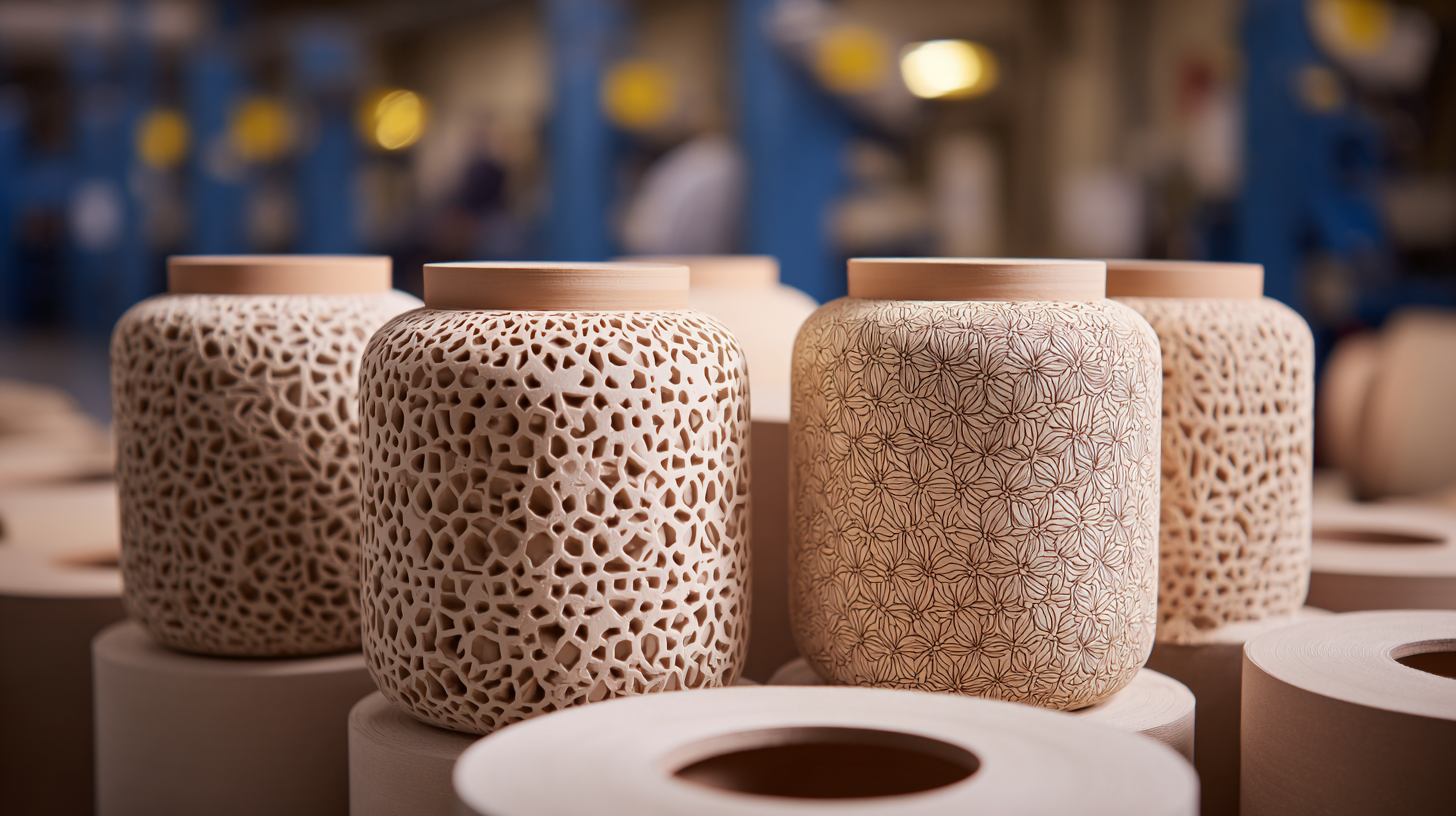
You know, ceramic packing really does play a big role in a bunch of different industries, like cosmetics, electronics, and even dental applications. The interesting thing is that the global market for ceramic packaging is on track to really take off, with projections hitting around USD 11.32 billion this year. So, understanding how to source top-notch ceramic packing is becoming more and more important. Companies are really stepping up their game when it comes to sustainability, especially in the ceramic sector. They’re using digital tools and diving into Industry 4.0 to create performance metrics that track how eco-friendly their operations really are. This shift is a pretty clear sign that the industry is making a solid commitment to clean beauty and more sustainable ingredients.
On the quest for innovative solutions, companies like Pingxiang Baitian (Ball-tec) New Materials Co., Ltd. are leading the charge in making advanced ceramic materials. Their emphasis on high-purity zirconia and alumina microcrystalline ceramic grinding media not only boosts how well their products perform but also matches up with the increasing demand for greener manufacturing. As things move forward, the blending of cutting-edge technologies, like artificial intelligence in ceramic design, really shows just how many exciting possibilities there are for creating efficient and sustainable ceramic packing solutions.
Key Challenges in Sourcing High-Quality Ceramic Packing Materials
Finding top-notch ceramic packing materials can be a bit of a headache for businesses. It's one of those things that really affects both performance and budgets. A report from Global Market Insights points out that the global market for ceramic packing is on track to hit around $2.5 billion by 2027, which is pretty impressive, considering it’s growing at a rate of 6.5% each year. This just shows how much demand there is for solid and reliable ceramic packing options in industries like chemicals and petrochemicals. But here’s the kicker: with so many players in the game, it’s tough to track down trustworthy suppliers who consistently deliver high-quality stuff.
On top of that, there’s the whole issue of varying standards. Different manufacturers have their own specs and it can get confusing. The International Organization for Standardization (ISO) has put out some guidelines about ceramics for packaging, but not every local supplier follows them, which can be frustrating. According to a survey by the Ceramic Association, a whopping 40% of businesses faced problems due to inconsistent suppliers and pretty weak quality checks. This doesn’t just hike up operational costs; it can also put the safety and effectiveness of the final product at risk. So, it’s crucial for companies to really dive into research and thoroughly vet possible suppliers to dodge these pitfalls.
Challenges in Sourcing High-Quality Ceramic Packing Materials
The following chart presents the key challenges faced by businesses when sourcing high-quality ceramic packing materials. The data illustrates various challenges and their corresponding impacts on sourcing efficiency.
Industry-Specific Applications: Where Ceramic Packing Shines
When it comes to industrial uses, ceramic packing really shines as a solid choice for all sorts of industries, making things run smoother and more reliably. You know, it's especially praised in the chemical and petrochemical sectors for just how well it can handle corrosion and high temperatures. This is super important because these industries are constantly being pushed to improve their processes while sticking to all those pesky regulations. Recent studies have shown that using ceramic materials can boost process efficiency by 15-20%. I mean, who wouldn't want that, right? It’s like having a secret weapon for businesses aiming to ramp up productivity.
But wait, there's more! Ceramic packing isn't just about withstanding high heat; it's also a champ in the food and beverage world. As more and more companies make the shift toward sustainable practices, they need materials that keep safety at the forefront. Some recent reports suggest that ceramic packing can really reduce contamination risks and help maintain product quality. It's a pretty big deal in food safety, where it’s not just about being effective but also being dependable. After all, consumers want to trust what they’re eating!
Evaluating Suppliers: What to Look for in Ceramic Packing Manufacturers
When it comes to picking suppliers for ceramic packing, there are some key things you definitely want to keep in mind to ensure you’re getting quality materials that you can rely on. A recent report from Grand View Research states that the global ceramic packing market is expected to hit $3.6 billion by 2027, thanks to a surge in demand from a bunch of different industries. So, teaming up with reputable manufacturers can really make a difference in how well your business does and how smoothly things run day to day.
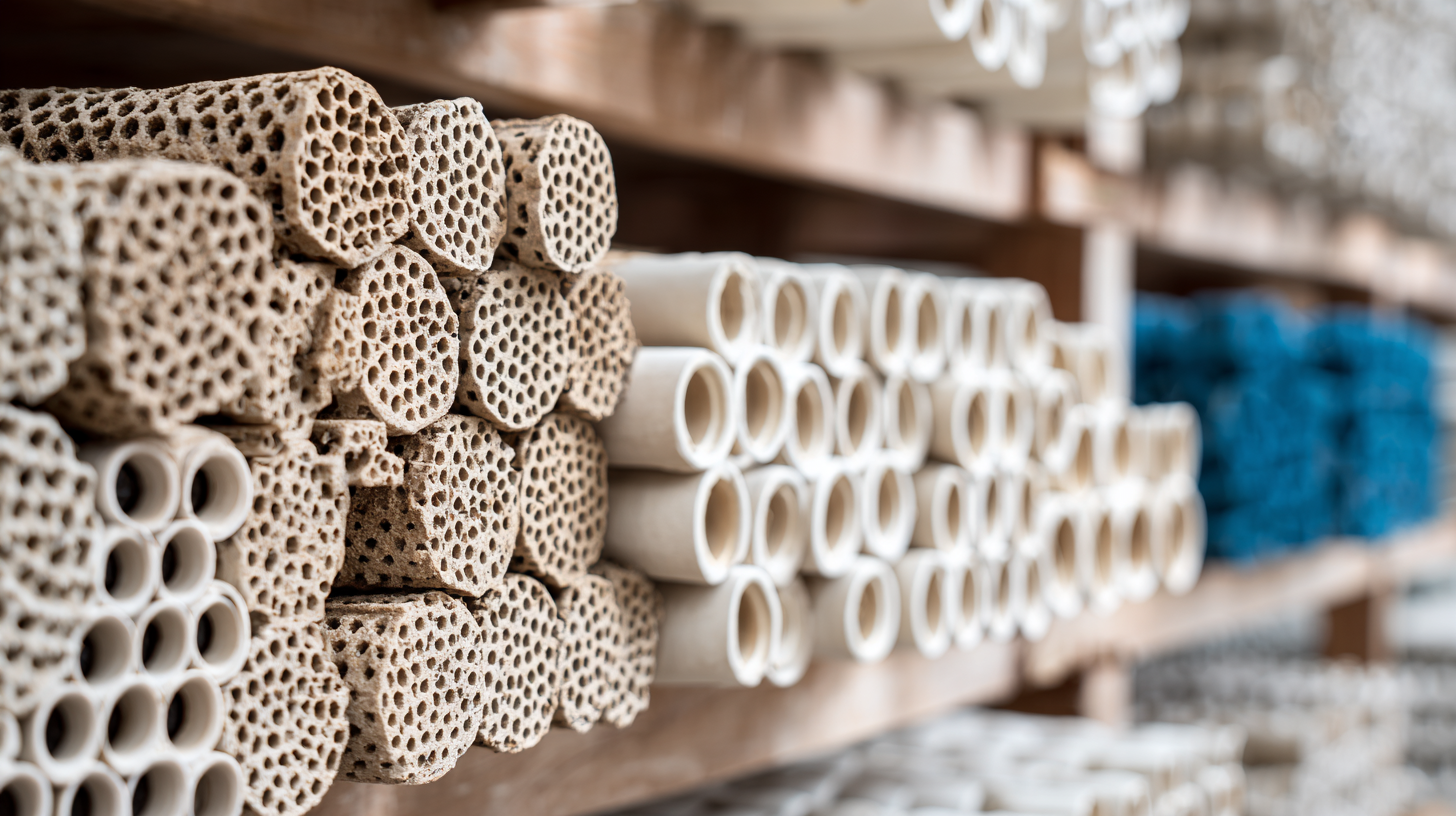
First off, take a good look at how much experience and expertise the manufacturer has in this field. You’ll want to find suppliers who’ve been around for a while and built a strong reputation. Interestingly, a study by Research and Markets found that companies with over ten years in the game usually see customer satisfaction rates that are 30% higher, probably because their processes are more refined and their product quality has really improved. Also, don’t forget to check out the materials they use for their ceramic packing; sourcing from companies that invest in high-quality raw materials can really boost durability and performance—especially important in industries like oil and gas where you need everything to be super tough.
Lastly, make sure the manufacturer is up to snuff with industry standards and certifications, like ISO 9001. This kind of certification shows they’re committed to quality management systems. According to an analysis by MarketsandMarkets, products made in compliance with these standards are 50% less likely to fail, saving companies a ton of money in the long run. So, when you choose the right ceramic packing manufacturer, not only are you securing your supply chain, but you’re also giving your business a solid competitive edge in a market that’s really on the rise.
Best Practices for Implementing Ceramic Packing in Your Operations
When it comes to finding the best ceramic packing solutions, companies often run into a bunch of hurdles. You've got to think about everything from finding top-notch materials to figuring out how to implement them effectively. Here at Pingxiang Baitian (Ball-tec) New Materials Co., Ltd., we really believe in the power of using advanced zirconia and alumina micro-crystalline ceramics. They can seriously boost your operational efficiency and product performance!
Now, if you want to make ceramic packing work seamlessly in your operations, it’s super important to keep in mind what your application really needs and the specific traits of the materials you’re considering.
One great tip is to dive deep and do your homework on the different types of ceramic packing out there. This will help you pick the right material that suits your needs, especially when you’re looking at stuff like chemical resistance, thermal stability, and mechanical strength. Plus, make sure your team knows the ropes when it comes to handling and installing ceramic packing; this way, you’ll reduce mistakes and get better results.
Don’t forget to keep the lines of communication open with suppliers like us at Pingxiang Baitian. Having good chats about material specs, availability, and the support you can count on can really make a difference in how well you source and integrate ceramic packing into your processes. Stick to these strategies, and before you know it, you'll be tackling those sourcing challenges head-on and reaping all the benefits that ceramic packing has to offer!
The Impact of Ceramic Foam Filters on Aluminum Casting Quality: Insights from Recent Industry Reports
The Impact of Ceramic Foam Filters on Aluminum Casting Quality: Insights from Recent Industry Reports
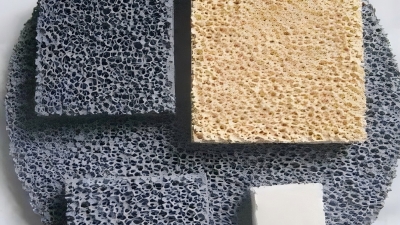
In the aluminum casting industry, the use of ceramic foam filters, such as the Ball-tec ceramic foam filter, has shown a significant impact on casting quality. Recent industry reports highlight that employing high-temperature resistant and corrosion-resistant filters greatly enhances the purification process of molten metal. With a design characterized by high strength and an extensive surface area, these filters facilitate a smooth and uniform flow of molten aluminum, crucial for achieving optimal casting results. The porous structure of the ceramic foam not only minimizes the presence of micron-sized inclusions but also effectively captures entrained gases within the molten metal.
Data collected from various industry studies indicate that utilizing ceramic foam filters can reduce casting defects by up to 50%. This is largely due to their ability to target specific impurities that compromise the integrity of the final product. For instance, when a mixture of molten aluminum flows through the filter, it encounters a series of interconnected pores that remove harmful inclusions, leading to a cleaner metal that reduces wear and tear on molds. Adjusting pore sizes and porosity levels allows foundries to tailor their filtration process, ensuring that the filtration effectiveness is aligned with their specific operational requirements.
Furthermore, findings show that these filters can significantly lower the erosion rates of sand molds, contributing to a decrease in product obsolescence. As the industry increasingly focuses on sustainability and quality assurance, the implementation of ceramic foam filters demonstrates a tangible solution for foundries to elevate their casting processes and deliver superior aluminum products while maintaining operational efficiency.
FAQS
: The main challenges include finding reliable suppliers that deliver consistent quality, varying standards among manufacturers, and issues with supplier inconsistencies and inadequate quality assurance processes.
The global ceramic packing market is expected to reach $2.5 billion by 2027, growing at a CAGR of 6.5%.
Evaluating suppliers is crucial to ensure high quality and reliability, which can significantly impact a business’s success and operational efficiency.
Businesses should look for manufacturers with several years in the industry and a solid reputation, as those with over a decade of experience typically show higher customer satisfaction rates.
Sourcing from manufacturers that utilize high-grade raw materials can enhance the longevity and performance of ceramic packing, which is essential for industries like oil and gas.
A reliable manufacturer should comply with industry standards and certifications such as ISO 9001, indicating a commitment to quality management systems.
Products manufactured under industry standards such as ISO 9001 are 50% less likely to result in failures, which can save companies significant costs.
Consistent quality can lead to reduced operational costs and improved safety and efficacy of the end product.
40% of businesses reported issues with supplier inconsistencies and inadequate quality assurance processes.
Selecting the right manufacturer secures your supply chain and strengthens your business's competitive edge in a growing market.