Pingxiang Baitian New Materials Co., Ltd
Leave Your Message
You know, in the world of manufacturing, things are changing super quickly, and it’s so important to fine-tune those production lines to boost efficiency and product quality – like, it can really make a huge difference! One of the coolest innovations out there is Ceramic Chips. They're pretty amazing because they not only make the production equipment more durable, but they also help improve overall performance. So, get this – a recent market report from MarketsandMarkets says that by 2026, the global ceramic materials market is projected to hit a whopping $300 billion! This growth is largely thanks to advances in high-performance ceramics for all kinds of applications. And, leading the charge in this tech revolution is Pingxiang Baitian (Ball-tec) New Materials Co., Ltd. They’re a high-tech company that specializes in making zirconia and alumina microcrystalline ceramic grinding media. By incorporating Ceramic Chip innovations into their processes, manufacturers can really minimize wear and tear, make better use of energy, and boost product consistency. It’s setting a whole new bar for excellence in production line efficiency!

You know, as industries really push to boost productivity and streamline their operations, ceramic chip innovations are turning out to be total game-changers for production lines. These materials aren’t just fancy—they’re super important for a bunch of applications because they offer fantastic thermal stability and wear resistance. When manufacturers start using ceramic chips in their machinery, they're really cutting down on that pesky downtime that happens when equipment breaks down. That means a smoother workflow and, let’s be honest, a nice bump in output rates, which is what everyone wants!
And get this: the lightweight nature of these ceramic chips means machines can run faster without losing any of that tough durability. This improvement doesn’t just make production lines more efficient; it also helps save on energy costs since machines with ceramic chips don’t need to work as hard to maintain high speeds. Plus, given their ability to handle some pretty harsh conditions, these chips end up extending the lifespan of tools and components. So, manufacturers can enjoy lower maintenance costs and use their resources way better overall.
So, here’s the deal: ceramic chips have totally changed the game in manufacturing! They’re not just a trendy buzzword; companies are actually seeing some pretty big savings because of them. A report from MarketsandMarkets is predicting that the global ceramic components market could hit a whopping $133.4 billion by 2025, with an amazing growth rate of about 10.9% each year. Why's that happening? Well, it turns out that ceramic materials are super durable and efficient, which means less downtime and lower operational costs for manufacturers. That’s a win-win!
There was a study put out by the Ceramic Industry Association that found companies using ceramic chips in their production lines are cutting costs by around 20-30% per unit. Not too shabby, right? This drop in expenses comes from using less material overall and spending less on maintenance — ceramics usually last way longer than what we’re used to seeing with traditional materials. Oh, and get this: because ceramic chips are also more energy-efficient, companies can potentially slashes their energy bills by up to 15% during manufacturing.
All these numbers really show just how crucial ceramic chip technology is for manufacturers who want to streamline their processes and save some cash. So if you're in that industry and looking to stay ahead, ceramic chips should definitely be on your radar!
You know, the way ceramic chips have been woven into production lines is pretty game-changing for manufacturers tackling quality control. It’s fascinating how these chips, with their unique ceramic properties, really cut down on defects at different stages of production. Their impressive resistance to wear and corrosion helps keep components intact even in tough conditions, which means you see way fewer malfunctions and delays. And let's be honest, this reliability is a big deal when it comes to ensuring consistent product quality that customers really care about.
But there’s more! These ceramic chips don’t just stop at durability—they also boast some pretty precise thermal and electrical characteristics. This makes them perfect for everything from electronics to automotive parts. Since they can handle high temperatures without breaking down, you can count on them for processes needing solid thermal management. Plus, they really help to cut down on those pesky imperfections that can come from traditional manufacturing. So, what you end up with aren’t just functional products; they actually meet some tough quality standards. As more manufacturers jump on the ceramic chip bandwagon, it's like they’re not only fine-tuning their production lines but also stepping up the quality of what they’re putting out there.
You know, in today's super fast-paced world of production, getting supply chain management just right is more crucial than ever. One of the coolest innovations we've seen lately is the use of ceramic chips. These little guys are game-changers—they not only amp up the efficiency of manufacturing processes but also really help streamline the whole supply chain. Thanks to their durability and thermal stability, ceramic chips can handle some pretty tough conditions, which makes them a fantastic choice for all sorts of industrial applications. So, when companies start integrating them into their production lines, they can actually cut down on downtime and boost overall equipment effectiveness. That’s a big deal if you want to stay ahead of the competition!
And let's be real, as global supply chains get more complicated each day, the benefits of ceramic chips go way beyond just one production line. They help with smart inventory management and logistics by allowing real-time monitoring of all those manufacturing processes. This means companies can spot potential hiccups before they even happen and tweak their supply chain strategies on the fly. With technology zooming ahead, using ceramic chips could really be the secret sauce that helps companies become more nimble and responsive. In the end, this leads to better productivity and keeps those operational costs in check.
You know, the future of production lines is really getting a makeover thanks to some cool advancements in ceramic technology. It’s all about boosting efficiency and performance these days! As industries lean more towards innovative materials, ceramic chips are popping up as super important in streamlining production processes. These chips have fantastic thermal stability, are super hard, and their electrical properties are top-notch—just perfect for high-performance applications. And get this: a recent report suggests that the ceramic materials market is expected to rocket past $80 billion by 2025, all because more folks in manufacturing are jumping on the ceramics bandwagon.
As we step into this more digitized and integrated manufacturing world, having ceramics in our production lines is going to be crucial. Take a look at what’s happening with additive manufacturing—companies are reporting some pretty impressive results, like a 30% drop in manufacturing time and a 20% cut in material waste. Plus, when you mix ceramic tech with 3D printing, it opens up a whole new world of custom, scalable production solutions. This combo of traditional manufacturing and cutting-edge technology isn't just streamlining processes; it’s also helping businesses adapt to what the market demands like super quickly.
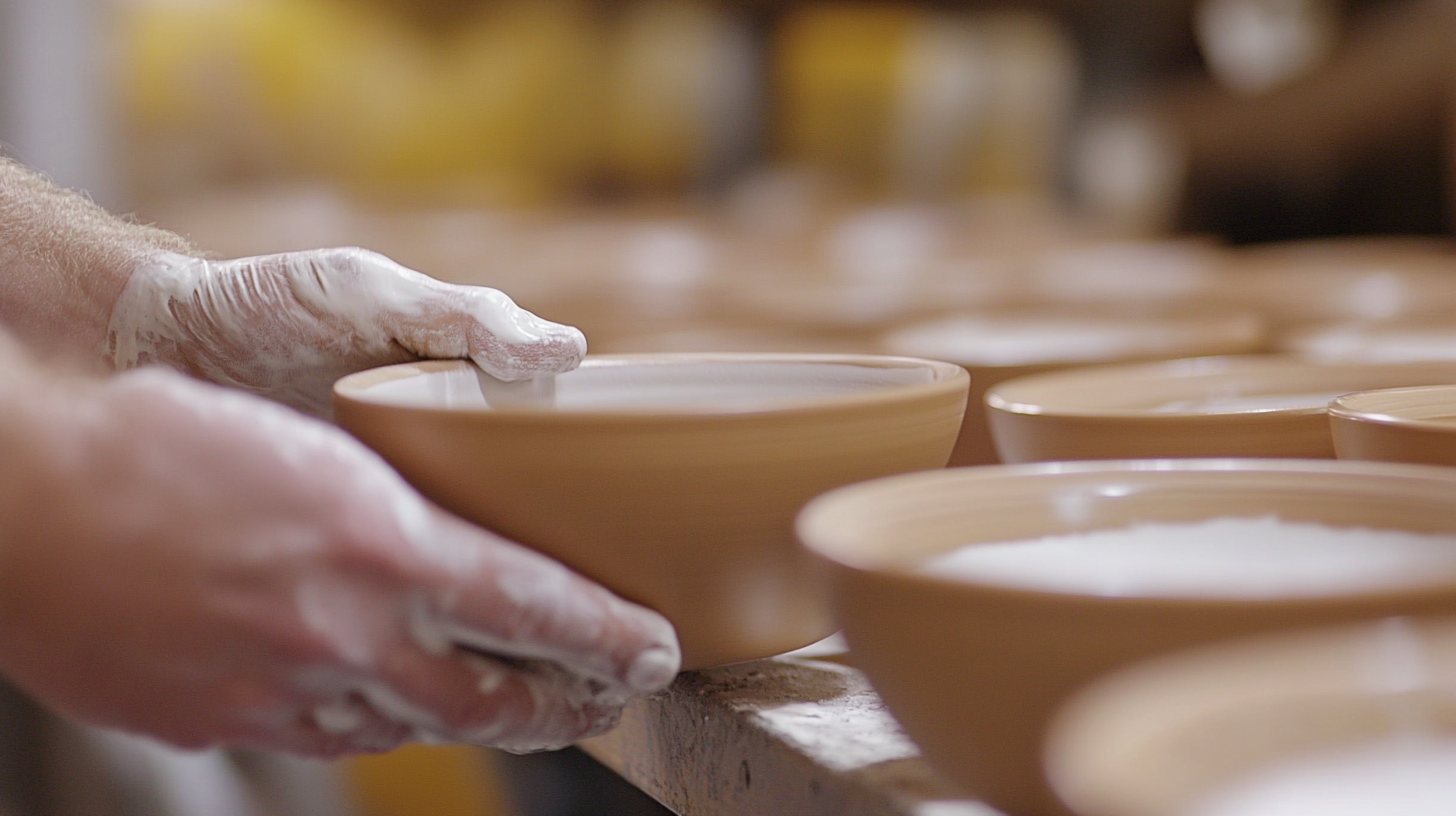
You know, the way ceramic chip technology is being integrated into production lines has proven to be pretty amazing across a bunch of different industries. It's really helping to boost efficiency and be more eco-friendly, which is super important. Just take the automotive industry, for example; manufacturers are using these ceramic chips for high-tech sensors, and they’ve seen production accuracy jump by around 30%! These little chips are tough and can handle heat like a champ, so not only are they ramping up productivity, but they’re also cutting down on maintenance costs, which is a big win.
And it’s not just cars. The food processing sector is reaping some major benefits from ceramic chips, especially when it comes to managing waste. Some studies have shown that using ceramic technology in packaging could actually reduce food waste by up to 25%! Pair that with those cool bioremediation techniques — you know, like using fungi and bacteria to break down biowaste — and companies are really stepping up their game by minimizing harmful byproducts during production. A recent report even mentioned that embracing these innovations could lead to a massive 40% cut in overall waste, which definitely has industries rethinking their old-school production methods to be a lot more sustainable.
| Industry | Ceramic Chip Application | Results | Challenges Faced |
|---|---|---|---|
| Electronics | High-Performance Capacitors | Increased efficiency by 25% | Cost of materials |
| Automotive | Engine Components | Weight reduction by 15% | Integration with existing systems |
| Aerospace | Thermal Insulation | Improved thermal resistance | Regulatory compliance |
| Medical | Implantable Devices | Higher biocompatibility | Longer testing phases |
| Energy | Smart Grids | Reduced energy loss | Initial setup costs |
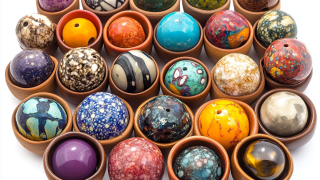
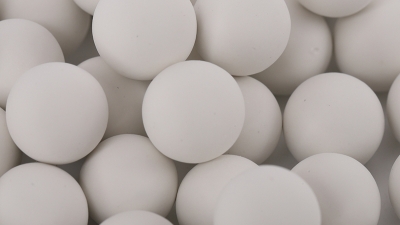
Maximizing performance and efficiency in grinding processes can be a game changer for many industries. Ceramic grinding balls, particularly those made from Zirconia Alumina Silicate, offer substantial advantages that enhance productivity while maintaining high-quality standards. These grinding balls are crafted from a composite powder, known for its lightweight properties yet impressive durability. This unique combination allows for superior performance in various grinding applications, ensuring that the materials processed are ground more efficiently and effectively.
The BCB Ball-tec® BCB stands out as an exemplary product in the realm of ceramic grinding balls. Composed of Zirconia/Alumina/Silicate, it combines light density with high performance, making it the optimal choice for those looking to improve their grinding efficiency. In addition to reducing energy consumption due to lower mass, the enhanced wear resistance of these balls means less downtime for equipment maintenance and ultimately cost savings for businesses. By investing in high-quality zirconia alumina silicate grinding balls, manufacturers can achieve a competitive edge in their production processes.
: The global market for ceramic components is projected to reach $133.4 billion by 2025, growing at a CAGR of 10.9%.
Companies integrating ceramic chips into their production systems reported an average cost reduction of 20-30% per unit.
Cost reductions come from decreased material wastage and lower maintenance costs, as ceramic components have a longer lifespan compared to traditional materials.
Ceramic chips can lead to substantial savings on energy bills, with estimates suggesting reductions of up to 15% in energy consumption during manufacturing operations.
Ceramic chips enhance the efficiency of manufacturing processes and streamline supply chains by reducing downtime and enabling real-time monitoring of manufacturing processes.
Significant advancements in ceramic technology, such as superior thermal stability and the integration of ceramics with additive manufacturing and 3D printing, are key drivers of adoption.
Businesses have reported up to a 30% reduction in manufacturing time and 20% less material waste by using advanced ceramic technology.
The ceramic materials market is projected to surpass $80 billion by 2025, driven by increased adoption across manufacturing sectors.
Ceramic chips are ideal for high-performance applications due to their superior thermal stability, hardness, and electrical properties.
By facilitating real-time monitoring of manufacturing processes, ceramic chips enable better inventory management and help anticipate potential supply chain disruptions.