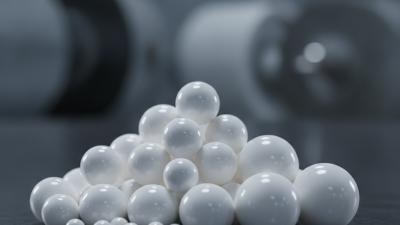
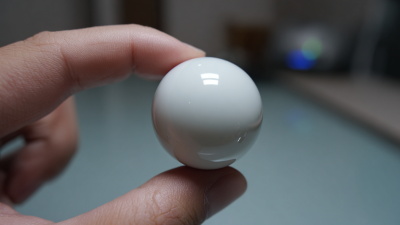
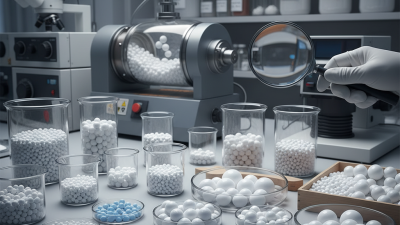
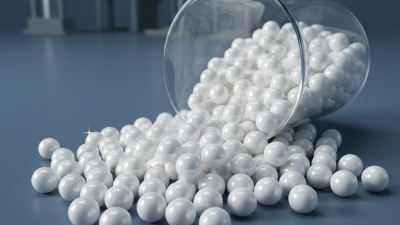
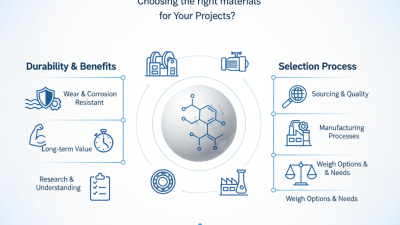
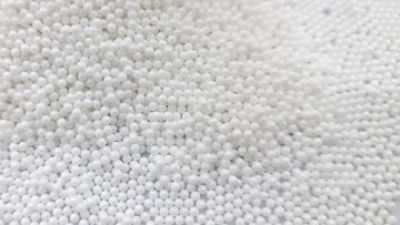
Zirconia balls are pretty essential in a bunch of industrial applications. Their toughness and high quality make them a go-to choice in many fields. You'll find reliable suppliers, especially in China, offering top-notch zirconia balls that meet global demand. When you're picking out a zirconia ball, don’t forget to consider a few key factors—like the material composition and how they’re made, since those really impact how well they perform. Going for a high-quality zirconia ball for fine grinding can really boost your efficiency. But here’s the thing—not all suppliers are consistent with quality, so it’s super important to do a bit of homework and stick with reputable companies. Sometimes, manufacturers might make promises that sound too good to be true. Always check their experience and what kind of products they offer. Reading reviews from other customers and looking for industry certifications can help a lot. That way, you’re more likely to end up with zirconia balls that actually meet your needs. Remember, quality isn’t something to compromise on — it directly affects the success of your projects, after all.

Understanding Zirconia Balls: Composition and Properties
Zirconia balls are known for their exceptional performance in various industrial applications. Composed primarily of zirconium dioxide, these balls exhibit outstanding hardness and wear resistance. Their density ranges from 6 to 6.1 g/cm³, making them suitable for high-stress environments. According to industry reports, zirconia can withstand temperatures exceeding 1000°C, offering remarkable thermal stability. This combination of properties positions zirconia balls as a preferred material in fields such as ceramics and precision engineering.
When selecting zirconia balls, consider the grinding and polishing applications. They are often used in the manufacture of high-quality abrasives. The microstructure of zirconia affects its toughness and strength, showing fracture toughness up to 8 MPa.m^0.5. Additionally, due to their low friction coefficients, they minimize wear on equipment, helping reduce costs over time.
Tips: Always check the material specifications before making bulk purchases. Inconsistent quality may lead to unexpected failures. Engage with suppliers who can demonstrate their quality assurance processes. Regular testing of balls can help maintain performance standards. Even minor flaws in zirconia can lead to significant performance issues.
The Manufacturing Process of High-Quality Zirconia Balls
The manufacturing process of high-quality Zirconia Balls is intricate and requires precision. Zirconia, known for its hardness and durability, undergoes several stages. Initially, zirconium oxide is sourced, then finely milled. This milling ensures that the particles are uniform in size, which is crucial for the final product quality.
After milling, the powder is subjected to a pressing process. In this phase, the powder is compressed into specific shapes. This step is vital as it determines the density and strength of the zirconia ball. Next, the pressed materials are sintered at high temperatures. This stage bonds the particles together, enhancing hardness and improving durability.
Tips: Select suppliers who prioritize quality. Ensure that they follow strict manufacturing guidelines. Regular testing of zirconia balls is essential to maintain high standards. Look for manufacturers who provide detailed information about their production processes. Understanding these aspects will help you choose reliable zirconia balls for your needs. Remember, every manufacturing process has its flaws; learning from them can lead to innovation and improvement in future batches.
Key Factors Influencing Durability in Zirconia Balls
When considering the durability of Zirconia Balls, several key factors come into play. The composition of the Zirconia material is crucial.
High-purity Zirconia typically demonstrates superior mechanical properties. Reports indicate that ZrO2 content above 95% results in enhanced toughness and wear resistance.
Additionally, the manufacturing process affects the ball's integrity. Techniques like sintering improve the microstructure, leading to increased strength.
Tip: Always check the supplier's material data sheets. Look for detailed specifications on porosity and grain size.
Temperature and environmental conditions also impact durability. Zirconia Ceramic Balls can withstand high temperatures without deforming.
However, exposure to harsh chemicals can lead to degradation. Reliable testing shows that Zirconia maintains its performance in acidic and alkaline environments.
However, some manufacturers may not certify their products for extreme conditions.
Tip: Assess your application requirements carefully. Ensure that the Zirconia Ceramic Balls meet the specific conditions they will face.
Small inconsistencies in the material could lead to significant performance issues over time. Always seek materials backed by rigorous testing and certification.
Comparative Analysis: Zirconia vs. Other Ceramic Balls
When comparing zirconia balls to other ceramic balls, several factors emerge. Zirconia, known for its high strength and wear resistance, often outperforms standard ceramic options. Its unique properties make it ideal for demanding applications, such as in bearings and grinding media. The durability of zirconia balls generally leads to a longer lifespan, reducing the frequency of replacements.
However, not all applications require the high performance of zirconia. Alternative ceramic balls, like alumina, can offer sufficient functionality at a lower cost. These materials may lack some of the toughness found in zirconia, yet they still serve well in less demanding environments. The choice ultimately depends on the specific needs of the project. Analysing performance metrics and application demands is crucial to making an informed decision.
While zirconia presents numerous advantages, it is essential to acknowledge its limitations. The production process can be more complex, potentially leading to inconsistencies. In some cases, the benefits may not justify the higher expense. Practitioners must weigh these factors carefully and reflect on what truly meets their operational goals.
Market Trends: Demand for Zirconia Balls in Various Industries
The demand for zirconia balls is increasing across various industries. Recent studies show that the global market for zirconia balls is projected to grow at a CAGR of 8.1% from 2022 to 2029. Key industries include electronics, automotive, and medical devices. These sectors require high wear resistance and durability, which zirconia balls provide. Their applications range from grinding media in milling processes to components in precision instruments.
Zirconia balls stand out due to their exceptional properties. They offer low thermal conductivity and high strength, making them suitable for environments with extreme conditions. For example, in manufacturing, using Zirconia Ceramic Ball Mill Grinding Jar With Lids enhances the grinding process by minimizing contamination. However, sourcing quality zirconia is challenging. Many suppliers operate without proper certifications. Therefore, businesses must conduct thorough market research.
In the ceramic industry, the shift towards eco-friendly materials further fuels the demand for zirconia balls. Consumers prefer sustainable products, pushing manufacturers to adapt. Despite the growth, issues remain. Some zirconia products fail to meet quality standards. A lack of transparency in quality control can lead to inconsistent performance. Industries must address these challenges to maintain trust and ensure lasting partnerships.
Top Manufacturers of Zirconia Balls in China: A Review
When exploring the Chinese market for zirconia balls, it's crucial to identify reputable manufacturers. These balls are significant for various applications, especially in high-energy mills. Quality manufacturing ensures durability and proper performance. Manufacturers that prioritize precision in their production processes tend to offer superior products.
Some top manufacturers have adapted advanced technologies to create zirconia balls. The material's innovative qualities contribute to its appeal. While many companies claim to sell the best products, evaluating their expertise and experience is vital. Not all manufacturers maintain a consistent quality standard. This inconsistency can lead to unsatisfactory outcomes in specific usages, like with Zirconia Jars For Retsch Ball Mill.
Additionally, the availability of quality control measures plays an essential role in production. Companies that perform rigorous testing often deliver better results. Yet, some manufacturers may overlook quality checks for cost-cutting. This poses risks to users who expect a certain level of durability. Decisions should be informed, recognizing the potential pitfalls in sourcing zirconia balls in bulk.
Cost-Effectiveness and Performance of Wholesale Zirconia Balls
Zirconia balls have gained popularity in various industries due to their exceptional performance and cost-effectiveness. Recent studies show that zirconia balls have a hardness rating of 1200 HV, making them suitable for use in high-stress applications. Their durability often surpasses that of other materials like steel or ceramic. Moreover, the consistent quality of these balls minimizes downtime in operations, ultimately leading to lower maintenance costs.
Cost-effectiveness becomes more pronounced when considering the longevity of zirconia balls. They can last up to five times longer than traditional materials. A report by the Ceramic Industry Association indicates that companies switching to zirconia balls can reduce replacement frequency, resulting in significant savings. However, it's essential to assess the initial investment against long-term gains. While the upfront cost may be higher, the overall lifecycle cost often justifies the choice.
Despite these advantages, there are still questions about compatibility with certain processes. Not all industries may benefit equally from zirconia balls. Users should evaluate their specific requirements carefully. Choosing the right size and grade can also affect performance. Awareness of these factors can improve overall reliability in applications where zirconia balls are employed.
The Impact of High Purity 95% Yttria Zirconia Beads on Modern Materials Science: Insights from Industry Reports
The evolution of modern materials science has heralded significant advancements, particularly with the introduction of high purity 95% yttria zirconia beads. These beads, characterized by their impressive density of 6.1 g/cm³ and bulk gravity of 3.6 g/cm³, present an array of benefits for various applications ranging from industrial to technological innovations. Their purity ensures enhanced performance, as attested by numerous industry reports, which highlight the beads’ substantial Vickers hardness rating of 1250, making them exceptionally durable under considerable stress.
With particle sizes varying from 0.05 mm to 20 mm, yttria zirconia beads demonstrate remarkable versatility in their applications. These attributes have made them ideal for use in grinding, milling, and dispersing materials in diverse fields, including ceramics and electronics. Industry analyses increasingly emphasize the importance of these beads in optimizing processes and improving material properties, noting that the pure white color and bright surface qualities further enhance their appeal for high-performance applications.
Incorporating high purity yttria zirconia beads into production processes not only elevates the quality of the final products but also supports advancements in material science by enabling the development of lighter, stronger, and more resilient materials. As research continues to unveil the benefits of these beads, their role in shaping the future of materials science remains pivotal, signifying their contribution to enhanced performance and innovation within the industry.
FAQS
: Zirconia balls are known for their high strength and wear resistance. They often surpass other ceramic options in performance.
Yes, alumina balls are cheaper. They provide sufficient functionality but may lack durability compared to zirconia.
Zirconia balls are ideal for demanding applications. They excel in bearings and grinding media.
Zirconia balls can have a complex production process. This may lead to inconsistencies in quality over time.
Choosing a reputable manufacturer is crucial. Not all manufacturers maintain consistent quality standards.
Consider quality control measures. Some manufacturers skip checks, risking product durability for lower costs.
No, quality varies. Some companies may claim superiority without proof of consistent performance.
Complex processes may yield inconsistencies. This could impact performance in specific applications.
Factors include performance metrics and specific application needs. Reflect on what meets operational goals best.
It can be challenging. Users must evaluate expertise and technology used by potential manufacturers.
Conclusion
This article provides a comprehensive overview of zirconia balls, emphasizing their composition, properties, and the manufacturing processes that ensure high quality and durability. Zirconia balls are recognized for their superior strength and wear resistance, making them ideal for various industrial applications. Key factors such as material quality, processing methods, and environmental conditions play a critical role in influencing the durability of these ceramic balls.
Additionally, the demand for zirconia balls in different industries is explored, highlighting market trends and the increasing preference for these products over traditional ceramic balls. A comparative analysis reveals the advantages of zirconia balls in terms of performance and cost-effectiveness, showcasing their value in wholesale markets. The article also reviews leading manufacturers in China, underscoring the significance of sourcing high-quality zirconia balls for optimal operational efficiency.