In today’s increasingly connected world, demand for top-quality materials like Ceramic Chips has really been picking up. I mean, according to MarketsandMarkets, the global ceramics market is projected to reach about $234 billion by 2026 — and a big chunk of that growth is coming from the electronics side of things. This really highlights how important it is to find reliable suppliers who can keep up with your procurement needs without a hassle.
Ceramic chips are pretty much everywhere — from powering circuits to handling automotive parts. Some of the top names in the game, like NHK Spring, Kyocera Corporation, and APLIX, have really earned their reputation for quality and innovation. That said, dealing with these suppliers isn’t always smooth sailing. Logistics can get tricky, and raw material prices tend to fluctuate, which throws a wrench in planning.
It’s surprising how many companies still stick to just one supplier for ceramic chips. That’s risky, and honestly, it can leave you pretty vulnerable if something goes wrong. As the industry keeps changing, so should your sourcing strategies. Diversifying your supplier base is a smart move—it helps you stay flexible and maintain that competitive edge. Finding the right balance between quality and cost isn’t always easy, but it’s a challenge procurement teams worldwide are all too familiar with.

Overview of Ceramic Chips and Their Applications
Ceramic chips are essential components in modern electronics. They are widely used in applications that require high stability. For instance, you can find them in radio frequency devices, automotive electronics, and even medical equipment. Their durability makes them ideal for harsh environments.
The manufacturing process of ceramic chips is intricate. It involves creating a solid ceramic substrate, which is then treated to enhance its properties. This includes improving thermal stability and electrical insulation. However, achieving consistent quality across batches can be challenging. Variations in materials can lead to performance discrepancies.
Despite advancements in technology, not every supplier meets the expected standards. Some may promise high-quality Integrated Circuit Chips but deliver subpar results. It's crucial for procurement teams to evaluate suppliers based on their expertise and reliability. Rigorous testing and validation are necessary steps before making bulk purchases. Understanding the material composition and production methods can also help in decision-making.
Key Factors in Selecting Ceramic Chip Suppliers
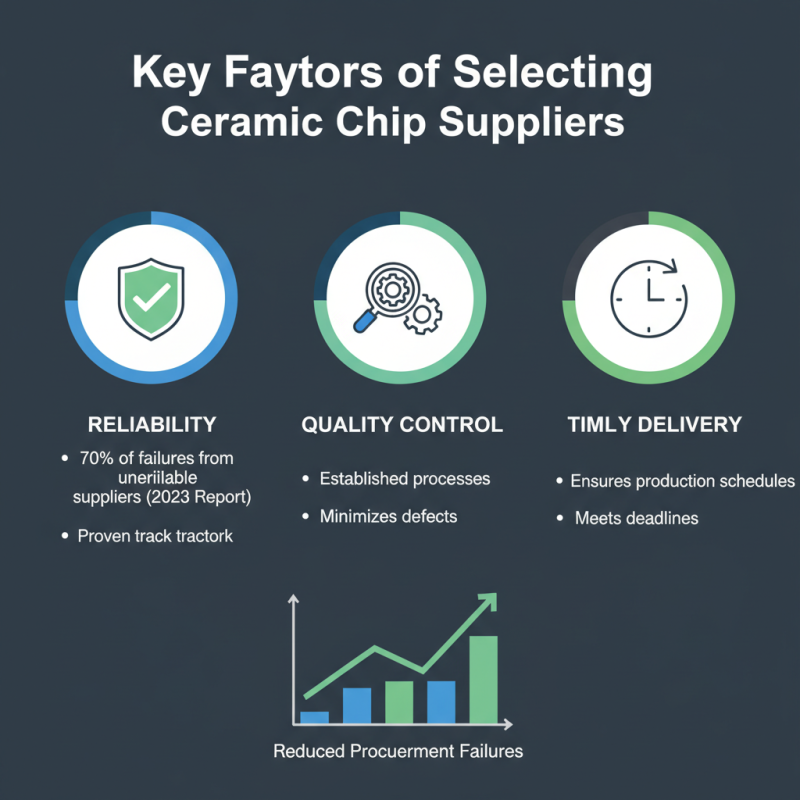
When selecting ceramic chip suppliers, a few key factors come into play. Reliability is paramount. A 2023 report from Industry Insights highlighted that 70% of procurement failures stem from unreliable suppliers. Companies must ensure their suppliers have established quality control processes. This minimizes defects and ensures timely delivery. Evaluating a supplier’s track record in fulfilling orders can provide insights into their reliability.
Another critical factor is the technological capability of the supplier. A sophisticated manufacturing process can produce higher-quality ceramic chips, like Zirconia Ceramic Ball. This specific type of ceramic is known for its durability and thermal stability. According to Material Science Reviews, ceramic chips manufactured using advanced techniques exhibit a 25% increase in performance efficiency. Potential buyers should assess suppliers’ commitment to adopting new technologies.
Price is often a deciding factor but shouldn’t be the only consideration. A low price can result in subpar materials. Industry reports suggest balancing cost with quality assurance is vital. It's essential to reflect on the long-term value of investments in quality suppliers. Sometimes, a higher initial cost leads to better performance and durability in the end.
Top Global Suppliers of Ceramic Chips
The global market for ceramic chips is expanding rapidly. Companies seek reliable suppliers who can deliver high-quality products. These components are essential in electronics, automotive, and manufacturing industries. Suppliers vary greatly in expertise and capabilities. Finding the right one is crucial for reputable sourcing.
Some top global suppliers specialize in different applications. They offer unique innovations and technologies. Each has strengths in specific areas like performance or durability. Businesses often encounter challenges in balancing cost and quality. An informed choice involves evaluating each supplier's track record and customer feedback.
In this competitive landscape, trust is key. Potential suppliers must demonstrate reliability and consistency. Companies should conduct thorough audits to gauge production processes. Building relationships with suppliers might also require ongoing dialogue. This dynamic ensures that quality standards continue to meet evolving market demands.
Regional Analysis of Ceramic Chip Supply Markets
The ceramic chip supply market is vast and diverse, with different regions showcasing unique strengths and challenges. In Asia, particularly in China, there is a significant production base for ceramic materials, driven by robust manufacturing capabilities and lower labor costs. According to a recent market analysis, Asia contributes over 60% of the global supply, primarily focused on high-performance ceramic products like the 99 Alumina Ceramic Ball. This position creates both opportunities and risks for global procurement strategies.
In North America and Europe, suppliers tend to focus on advanced materials and technology integration. The supply chain here is often more complex, with higher quality standards and regulatory requirements. This region accounts for approximately 25% of the global market. While they offer premium products, issues like supply chain disruptions and higher prices can affect procurement resilience. Companies might need to rethink sourcing strategies, weighing the benefits of quality against costs.
Emerging markets, especially in Africa and South America, are becoming vital players. These regions are seeing increased investments in local manufacturing capabilities, which could alter dynamics in the coming years. However, challenges such as infrastructure and political stability remain points of concern. The market's evolution underscores a need for agility in procurement approaches, as different regions present distinct advantages and weaknesses in the ceramic chip landscape.
Quality Standards and Certifications for Ceramic Chips
When sourcing ceramic chips, quality standards and certifications are crucial. The manufacturing process for Ceramic Grinding Media demands strict adherence to specifications. Certified suppliers often submit their products to rigorous testing. These tests evaluate durability, chemical composition, and compatibility with various applications.
Industry standards such as ISO and ASTM play a significant role. They ensure that ceramic material meets expectations in performance and safety. This is especially important when the chips are used in high-stakes environments like aerospace or healthcare. A lack of proper certifications can lead to quality inconsistencies.
However, finding reliable suppliers isn't always straightforward. Some companies may display certifications but lack genuine expertise. It's important to conduct due diligence. Researching a supplier's history and customer reviews can reveal much about their reliability. Transparency in sourcing materials also reflects their commitment to quality. This level of scrutiny is essential to ensure that your procurement needs are met effectively.
Best Ceramic Chip Suppliers for Global Procurement Needs
| Supplier Location |
Quality Standard |
Certification |
Delivery Time |
Minimum Order Quantity |
| North America |
ISO 9001 |
RoHS Compliant |
2 weeks |
100 units |
| Europe |
ISO 14001 |
CE Marking |
3 weeks |
500 units |
| Asia |
ISO 45001 |
UN Certification |
4 weeks |
200 units |
| South America |
ISO 13485 |
FDA Approved |
5 weeks |
300 units |
| Africa |
ISO/IEC 17025 |
ISO 9001:2000 |
6 weeks |
150 units |
Trends and Innovations in Ceramic Chip Manufacturing
The ceramic chip manufacturing industry is rapidly evolving, driven by technological advancements and market demands. According to a recent report by ResearchAndMarkets, the global ceramic substrate market is projected to reach $6.85 billion by 2025, growing at a CAGR of 5.9%. This rise reflects innovations like the development of high-thermal-conductivity ceramics, which improve performance in electronic applications.
One notable trend is the shift towards environmentally friendly production methods. Manufacturers are now prioritizing sustainable raw materials and energy-efficient processes. This approach can reduce carbon footprints significantly, aligning with global sustainability goals. However, challenges remain, especially in ensuring consistent quality while making eco-friendly choices.
Tips: Consider partnering with suppliers who demonstrate a commitment to sustainability. Evaluate their practices to ensure alignment with your procurement values. Additionally, invest in technologies that can help automate processes, increasing efficiency and reducing costs over time.
Frequent communication with suppliers is crucial. This ensures that you stay updated on new materials and technologies, which can affect your production strategies. Cultivating strong relationships can lead to better pricing and more reliable supply chains. The landscape of ceramic chip manufacturing is competitive and requires constant innovation, yet many companies struggle to adapt quickly.
Strategies for Effective Global Procurement of Ceramic Chips
Effective global procurement of ceramic chips requires a strategic approach. Understanding the market landscape is essential. Researching suppliers can uncover hidden gems that offer quality and reliability. Not all suppliers meet the high standards needed in various industries. Assessing their manufacturing processes can reveal their commitment to excellence.
Building relationships is crucial in the procurement process. Communication can break down barriers and foster trust. Regular check-ins with suppliers ensure transparency and accountability. However, not all communications yield perfect results. Misunderstandings can occur, leading to delays or quality issues. It’s important to address these challenges promptly. This fosters a collaborative environment for future orders.
Cost management also plays a vital role. Evaluating different pricing models can lead to better budget alignment. However, the cheapest option isn't always the best. Compromises on quality for cost can backfire. A thorough understanding of total cost of ownership can help in making informed decisions. Balancing quality and cost is an art that requires constant reassessment.
Maximizing Efficiency in Electronic Ceramics: An Analysis of Low-Impurity Zirconia Grinding Media Performance Trends
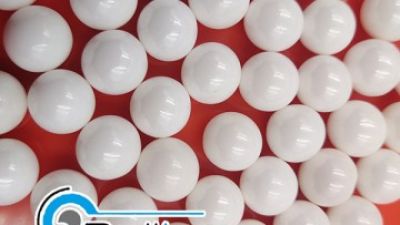
The pursuit of maximizing efficiency in electronic ceramics has highlighted the critical role of low-impurity zirconia grinding media. These zirconia ceramic balls, produced from high-purity zirconium powder with several additives, demonstrate exceptional mechanical, physical, and chemical properties. Such properties make them indispensable in various industries, including thermal barrier coatings, catalyst supports, medical applications, and more. Their unique composition mitigates wear and maintains consistency throughout the grinding processes, ultimately leading to enhanced performance in manufacturing.
Zirconia ceramic balls are particularly renowned for their hardness and durability, which directly contribute to the efficiency of grinding operations. Low-impurity variants significantly reduce contamination during milling, ensuring the integrity of the final products. This quality is particularly critical in high-precision applications where even slight impurities can compromise performance. Moreover, their resistance to corrosion and chemical reactions enhances longevity and reliability, making them a preferred choice for industries aiming to optimize production efficiency while minimizing maintenance costs. The performance trends indicate a growing demand for these specialized grinding media as manufacturers increasingly seek to improve their output quality and operational sustainability.
FAQS
: Quality standards ensure ceramic chips meet performance and safety requirements. They are crucial in critical environments.
Industry certifications like ISO and ASTM verify durability and compatibility of ceramic materials in various applications.
Research suppliers carefully. Check their history and customer reviews to gauge their expertise and reliability.
Innovations like high-thermal-conductivity ceramics and eco-friendly production methods are driving market growth and performance.
Sustainable practices help reduce carbon footprints and align with global environmental goals. Consistency in quality remains a challenge.
Frequent communication allows you to stay informed about new materials and technologies, improving procurement strategies.
Many companies find it hard to keep up with fast-paced changes and innovations in ceramic chip manufacturing.
Transparent sourcing indicates a commitment to quality and helps ensure your procurement needs are effectively met.
Investing in automation technologies can enhance efficiency and reduce costs in the production process over time.
Strong partnerships lead to better pricing and more reliable supply chains, which can improve overall business performance.
Conclusion
The article titled "Best Ceramic Chip Suppliers for Global Procurement Needs?" provides a comprehensive overview of ceramic chips, highlighting their diverse applications across various industries. It emphasizes the importance of selecting the right suppliers based on key factors such as quality, reliability, and regional availability. The identification of top global suppliers and an analysis of different regional markets underscore the competitive landscape in ceramic chip procurement.
Furthermore, the article delves into quality standards and certifications essential for ensuring the performance and safety of ceramic chips. It also explores current trends and innovations in manufacturing processes, reflecting the evolving demands of the market. Finally, strategic approaches for effective global procurement of ceramic chips are discussed, enabling organizations to navigate the complexities of sourcing these critical components successfully.