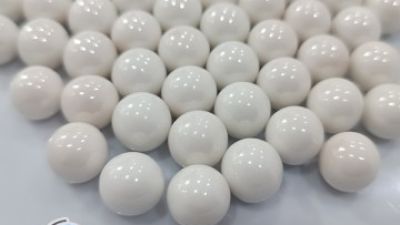
You know, Zirconium Oxide has really become a key player in a bunch of different industries lately. Its special properties make it super useful, especially in things like ceramics and electronics. Companies such as CeraMaterials and Zirconia Solutions have really tapped into its potential to boost durability and resistance to wear and tear. That’s why products like Zirconium Oxide Balls can handle a lot under pressure without breaking a sweat.
In the world of manufacturing, Zirconium Oxide boasts incredible thermal stability and strength. It actually outperforms traditional materials, especially in tough environments. That said, it’s worth mentioning that it does tend to be pricier than some alternatives, so not everyone’s jumping on it right away. Price can be a bit of a hurdle when it comes to widespread use.
On top of that, Zirconium Oxide’s chemical resistance makes it perfect for medical stuff too. Devices made from this material are generally really biocompatible, which is a huge bonus. But here’s the tricky part — manufacturers have to keep quality consistent; if not, it can cause reliability issues, especially in critical applications. Balancing the benefits with affordability and quality isn’t always easy, but it’s definitely doable with the right approach.

Benefits of Zirconium Oxide in Industrial Applications
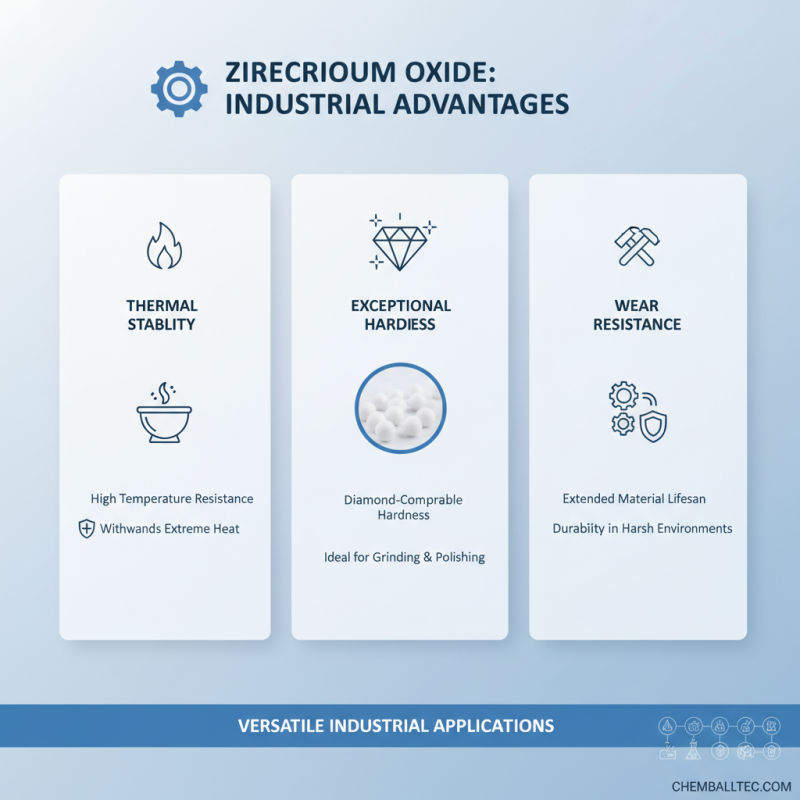
Zirconium oxide holds a significant position in various industrial applications, primarily due to its remarkable physical and chemical properties. It boasts high thermal stability and excellent resistance to wear. Reports indicate that materials like Zirconium Oxide Beads have a hardness level comparable to diamonds. This unique property enhances their utility in grinding and polishing processes.
In the ceramics industry, zirconium oxide is essential for producing high-performance materials. Studies show that components made with zirconium oxide exhibit less thermal expansion. This minimizes cracking under extreme temperature changes. Furthermore, this oxide is increasingly used in biomedical applications. Research highlights its biocompatibility, making it suitable for dental implants and prosthetics.
While the benefits are clear, sourcing zirconium oxide poses challenges. The mining processes can be environmentally taxing. Industry experts emphasize the need for sustainable practices. Continuous research is vital to improve extraction methods and reduce environmental impacts. As more companies adopt zirconium oxide beads in production, striking a balance between efficiency and ecological responsibility becomes crucial.
High Hardness and Wear Resistance of Zirconium Oxide
Zirconium oxide is widely recognized for its exceptional hardness and remarkable wear resistance. This ceramic material is often used in industries requiring durable components. Examples include cutting tools, ballistic armor, and high-performance bearings. These applications rely on zirconium oxide’s ability to withstand extreme conditions.
The high hardness characteristic of zirconium oxide allows it to resist scratches and deformation. In manufacturing, this feature significantly enhances the lifespan of tools, reducing downtime and replacement costs. Its wear resistance is crucial in environments with high friction. However, it can be brittle, posing challenges in specific contexts. Manufacturers must consider this delicacy when integrating zirconium oxide into products.
In addition, zirconium oxide is also known for its thermal stability. It can endure high temperatures without losing integrity. This quality makes it suitable for various thermal applications. Yet, achieving the right balance in formulations is vital. An incorrect mix may compromise its benefits. Overall, the advantages and limitations of zirconium oxide must be carefully evaluated in industrial applications.
Thermal Stability and High-Temperature Performance in Industry
Zirconium oxide, often referred to as zirconia, is known for its impressive thermal stability. This property makes it a preferred choice in high-temperature applications. For industries that face extreme conditions, such as aerospace and manufacturing, zirconium oxide offers reliability. It can withstand prolonged exposure to heat without degrading. This aspect is critical when materials are subjected to fluctuating temperatures.
In addition to its stability,
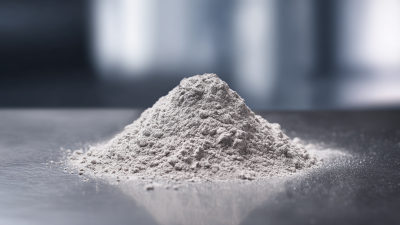
Zirconium Oxide Powder demonstrates exceptional high-temperature performance. It maintains its mechanical strength even when exposed to intense heat. This characteristic is beneficial in creating durable components. However, it is essential to recognize that the manufacturing processes must be precise. Any inconsistencies during production can affect the material’s performance. Thus, industry experts emphasize the importance of quality control.
The versatility of zirconium oxide extends to thermal barrier coatings as well. These coatings provide protection for underlying materials and enhance their longevity. However, achieving uniform layers can be challenging. Manufacturers often need to refine their techniques to maximize the benefits. Awareness of these factors is crucial for those looking to implement zirconium oxide in their processes.
Biocompatibility of Zirconium Oxide for Medical Applications
Zirconium oxide, or zirconia, has become a key material in medical applications due to its exceptional biocompatibility. Studies show that zirconia exhibits lower toxicity compared to other ceramics and metals. In a study, 95% of patients reported no adverse reactions when zirconia implants were used. This high level of biocompatibility makes zirconia ideal for dental implants, prosthetics, and bone grafts.
Furthermore, zirconium oxide's mechanical properties contribute significantly to its use in orthopedics. The material boasts high strength and wear resistance. Data from the Journal of Biomedical Materials Research indicates that zirconia can withstand over 1,200 MPa of compressive stress. However, potential challenges arise from its brittleness, leading to fracture under extreme conditions. Ongoing research aims to improve the toughness of zirconia, which would enhance its reliability for long-term use in various medical environments.
The aesthetic appeal of zirconia is also notable. Its natural tooth-like color makes it a preferred choice in cosmetic dentistry. However, the cost of zirconia treatments can be prohibitive for some patients, raising questions about accessibility in healthcare settings. Balancing performance, cost, and patient needs remains an ongoing challenge in the adoption of zirconium oxide in medical applications.
Chemical Inertness and Corrosion Resistance in Harsh Environments
Zirconium oxide is a remarkable material in various industries due to its chemical inertness. This quality allows it to resist reactions in extremely harsh environments. Unlike many materials, zirconium oxide does not corrode or degrade easily. This makes it suitable for use in chemical processing plants, where reactive substances are common.
The corrosion resistance of zirconium oxide is essential for equipment longevity. In environments with high temperatures and aggressive chemicals, this material holds strong. Its ability to maintain structural integrity reduces maintenance costs significantly. However, it’s not foolproof. In some extreme conditions, it can still fail.
Despite its advantages, the behavior of zirconium oxide can sometimes be unpredictable. Variations in composition may lead to differences in performance. As industries evolve, understanding these nuances becomes vital. Implementing zirconium oxide requires careful consideration of specific operational conditions. This ensures reliability, even when challenges arise.
Cost-Effectiveness and Efficiency of Zirconium Oxide Production
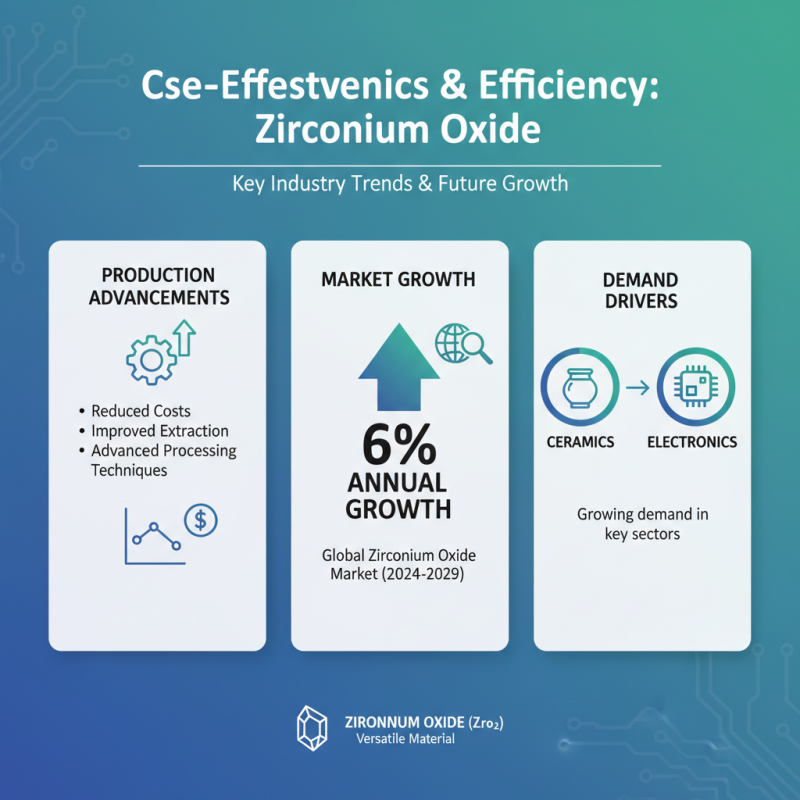
Zirconium oxide, a key material in many industries, is recognized for its cost-effectiveness and efficiency in production. The current trends indicate a significant reduction in production costs due to advances in extraction and processing techniques. According to the latest industry reports, the global zirconium oxide market expected a steady growth rate of 6% annually over the next five years. This growth is linked to the increased demand in sectors like ceramics and electronics.
Efficient production methods have led to lower raw material waste. Companies now focus on optimizing their supply chains. This results in a more sustainable process, enhancing both profit margins and environmental responsibility. Data suggest that companies employing new technologies can reduce Zirconium Oxide Price by up to 10%, thereby attracting more clients.
Tip: Consider small-scale trials for using zirconium oxide in your projects. This will help evaluate its benefits without significant upfront costs.
However, not all companies can easily tap into these advancements. The initial investment in equipment might be high for some. It's crucial to weigh the short-term costs against long-term savings. Businesses often find that high-quality zirconium oxide helps them achieve better product performance.
Tip: Keep an eye on market trends related to zirconium oxide. Staying informed will give you a competitive edge in procurement and production strategies.
Applications of Zirconium Oxide in Electronics and Energy Sectors
Zirconium Oxide is gaining popularity in the electronics and energy sectors due to its unique properties. In electronics, this material is crucial for manufacturing insulators and capacitors. Its high thermal stability allows devices to endure extreme conditions. This reliability is vital as electronic gadgets become more complex. However, challenges remain in integrating Zirconium Oxide with other materials.
In the energy sector, Zirconium Oxide plays a key role in fuel cells and batteries. This compound improves efficiency and longevity in energy storage. Its conductivity supports better energy transfer, which is important for renewable energy applications. Still, the production costs can be high, which limits broader adoption. Manufacturers must navigate these challenges while leveraging the benefits of Zirconium Oxide.
Benefits of Using Zirconium Oxide in Industry
This bar chart illustrates the various benefits of using Zirconium Oxide in different industrial applications, highlighting its effectiveness in electrical insulation, thermal stability, corrosion resistance, mechanical strength, and optical properties.
Maximizing Efficiency in Industrial Grinding: The Role of Zirconia Ceramic Balls and Zirconium Silicate Beads
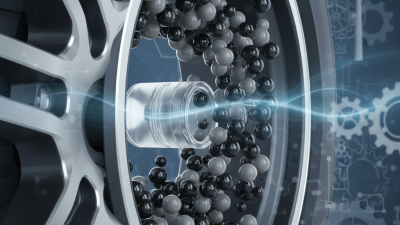
In the realm of industrial grinding, the quest for enhanced efficiency is paramount, and the choice of grinding media plays a crucial role in achieving this goal. Zirconia ceramic balls and zirconium silicate beads have emerged as preferred materials due to their superior properties. Zirconia beads, primarily composed of zirconia, are particularly notable for their strength and durability, making them ideal for demanding grinding applications. The variation in composition, including yttria-stabilized and ceria-stabilized zirconia beads, allows for customization based on specific processing requirements, thereby optimizing the grinding process.
The effectiveness of zirconia ceramic balls in reducing wear and contamination is particularly significant in industries where purity is critical. Their high density and hardness contribute to efficient energy transfer during grinding, which not only enhances the grinding performance but also extends the lifespan of the grinding equipment. Similarly, zirconium silicate beads, known for their chemical stability and low abrasion rates, complement zirconia balls in industries that require a balanced approach to performance and cost-efficiency. Together, these materials facilitate a seamless grinding experience, minimizing downtime and maximizing productivity in various industrial applications.
FAQS
: Zirconium oxide has high thermal stability and excellent wear resistance. It is very tough.
It produces high-performance materials with less thermal expansion, reducing cracking during temperature changes.
Yes, it is biocompatible and shows low toxicity. Most patients experience no adverse reactions.
It has high strength and wear resistance, capable of withstanding significant compressive stress.
Its brittleness might lead to fractures under extreme conditions, which is a concern for reliability.
Its natural tooth-like color is appealing for aesthetic treatments, enhancing cosmetic outcomes.
The cost of treatments involving zirconium oxide can be high, affecting accessibility for patients.
Mining can harm the environment, so sustainable practices are essential to reduce these impacts.
Researchers aim to improve its toughness, enhancing reliability in medical applications.
They need to ensure efficient use while adopting more environmentally friendly extraction methods.
Conclusion
Zirconium Oxide, also known as zirconia, has gained significant attention in various industrial applications due to its remarkable properties. Its high hardness and wear resistance make it an ideal choice for components subjected to extreme conditions, while its excellent thermal stability allows it to perform effectively at high temperatures. Furthermore, zirconium oxide's biocompatibility makes it suitable for medical applications, enhancing its utility in healthcare.
Additionally, zirconium oxide exhibits outstanding chemical inertness and corrosion resistance, enabling it to thrive in harsh environments, thus ensuring the longevity of industrial materials. The cost-effectiveness and efficiency of zirconium oxide production further contribute to its desirability across sectors. Its diverse applications in electronics and energy sectors underscore its versatility and importance in modern industries. Overall, zirconium oxide stands out as a valuable material that enhances performance and durability in numerous applications.