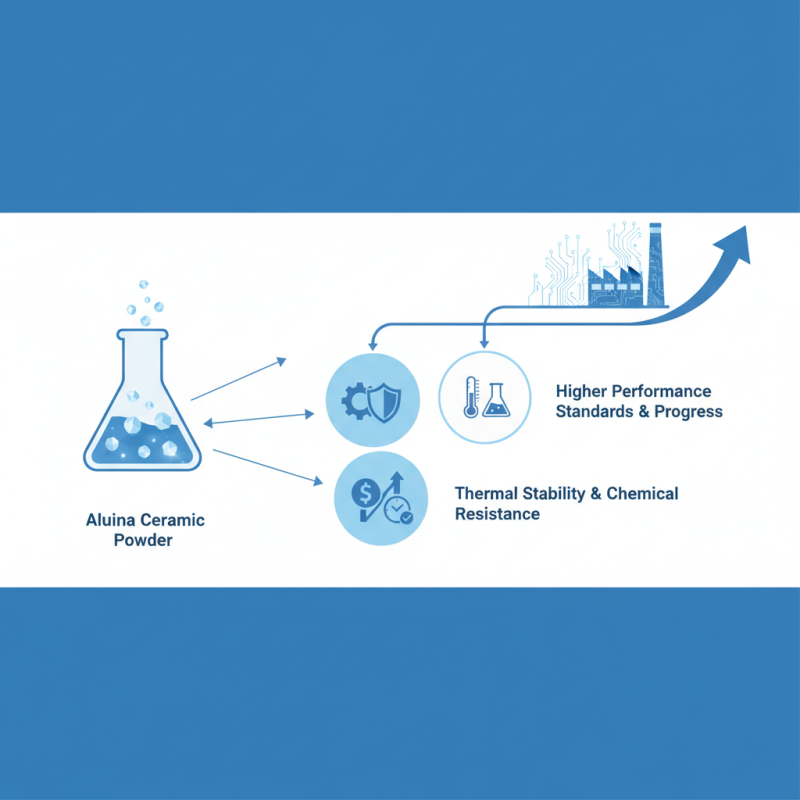
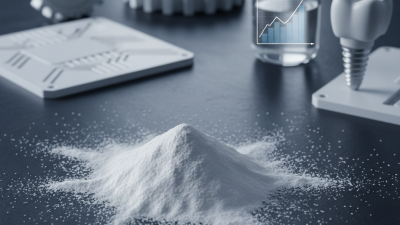
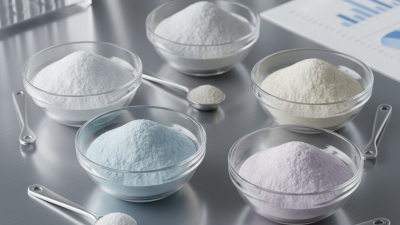
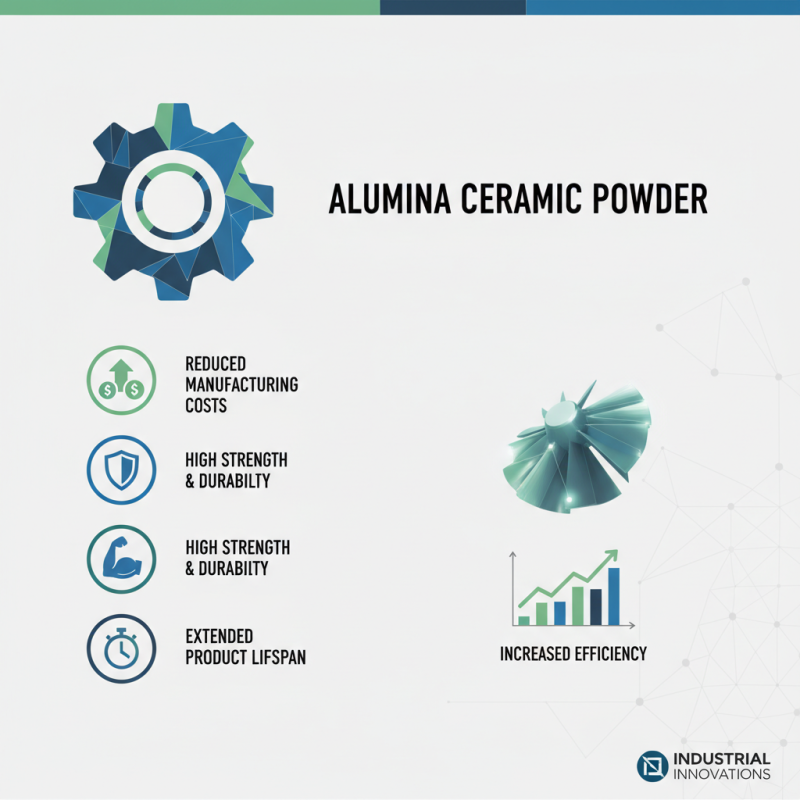
When we talk about industrial applications these days, it’s pretty clear that finding materials with outstanding durability and reliability is a game-changer. Alumina Ceramic Powder has really been making waves in this space. It offers a bunch of benefits that fit various industries—think aerospace, electronics, you name it. Dr. John Smith, who's a respected expert in advanced materials at the Institute of Ceramic Engineering, actually highlighted just how transformative this stuff is. He said, "Alumina Ceramic Powder is really changing the way industries pick their materials, helping them hit higher performance goals."
Advantages of Alumina Ceramic Powder in Industrial Processes
Alumina ceramic powder is rapidly gaining traction in various industrial processes due to its exceptional properties. One of the primary advantages of alumina ceramic powder is its high hardness and wear resistance, which make it an ideal material for applications where abrasion is a concern. This characteristic is particularly valuable in industries such as manufacturing, where machinery and tools are subject to significant wear and tear. The durability of alumina ensures long-lasting performance, reducing the need for frequent replacements and maintenance.
Additionally, alumina ceramic powder exhibits excellent thermal stability and electrical insulation properties. These qualities make it suitable for use in high-temperature environments and in applications requiring electrical insulation. Industries such as electronics and aerospace benefit from these properties, as alumina can withstand extreme conditions without degrading. Moreover, its chemical inertness enhances its suitability for use in harsh environments, where exposure to corrosive substances is a concern.
Overall, the incorporation of alumina ceramic powder into industrial processes not only improves efficiency but also contributes to greater safety and reliability.
Properties of Alumina Ceramic Powder Elevating Industrial Applications
Alumina ceramic powder is renowned for its exceptional properties, making it a pivotal material in various industrial applications. One of its most notable characteristics is its outstanding hardness, which provides superior wear resistance. This intrinsic hardness is vital for components exposed to high abrasion, such as in machinery and cutting tools, where longevity and performance are critical. The fine grain structure of alumina also contributes to its strength, enabling it to withstand significant mechanical stress without fracturing.
In addition to its hardness, alumina ceramic powder boasts excellent thermal stability and insulation properties. This enables it to perform effectively in high-temperature environments, making it ideal for applications in the aerospace, automotive, and electronics industries. Furthermore, its low thermal conductivity helps protect sensitive components from excessive heat, ensuring operational efficiency and reliability. The chemical inertness of alumina contributes to its use in environments exposed to corrosive substances, thereby extending the lifespan of industrial equipment. These combined properties of alumina ceramic powder not only enhance product performance but also lead to cost savings and efficiency improvements in industrial processes.
Top Benefits of Using Alumina Ceramic Powder in Industrial Applications
| Property |
Description |
Industrial Applications |
| High Hardness |
Alumina ceramic powder possesses exceptional hardness, making it resistant to wear and tear. |
Cutting tools, wear-resistant coatings |
| Thermal Stability |
It can withstand high temperatures without degrading, which is beneficial in many industrial processes. |
Kilns, furnaces, and high-temperature equipment |
| Chemical Resistance |
Resistant to many chemicals, preventing corrosion and degradation in harsh environments. |
Chemical processing equipment, laboratory apparatus |
| Electrical Insulation |
Good insulator of electricity, making it suitable for electronic applications. |
Insulators, electronic substrates |
| Versatility |
Can be formulated for various types of applications, enhancing its utility across industries. |
Medical devices, automotive components, ceramics manufacturing |
Applications of Alumina Ceramic Powder Across Various Industries
Alumina ceramic powder is increasingly recognized for its versatility and utility across various industrial applications. One of the most prominent uses is in the manufacturing of advanced ceramics, which serve critical roles in electronics and telecommunications. This powder lends itself well to the production of insulators and substrates, thanks to its excellent dielectric properties and thermal stability. Industries such as aerospace and automotive benefit from alumina's high strength and wear resistance, making it suitable for components subjected to extreme conditions.
Moreover, alumina ceramic powder plays a vital role in the production of cutting tools and abrasives. Its hardness makes it an ideal material for grinding and machining applications, allowing for increased efficiency and longevity of tools. Additionally, the powder is utilized in the medical field where biocompatibility is essential. Components like dental ceramics and orthopedic implants leverage the advantages of alumina to ensure both performance and safety in surgical procedures.
Across these sectors, alumina ceramic powder not only enhances product durability but also contributes to improved operational efficacy.
Cost-Effectiveness of Using Alumina Ceramic Powder in Production
Alumina ceramic powder is gaining popularity in various industrial applications due to its unique properties and cost-effectiveness. One of the primary advantages of using alumina ceramic powder is its ability to reduce manufacturing costs without compromising quality. Its high strength-to-weight ratio allows for the production of lighter components that require less material overall, translating into savings on raw materials. Furthermore, the powder's excellent wear resistance and durability contribute to longer lifespans for the final products, thereby minimizing maintenance costs and increasing overall efficiency in industrial processes.
Tips: When considering the use of alumina ceramic powder in production, it's essential to assess the specific requirements of your application. Evaluate factors such as thermal stability and chemical resistance to ensure that you select the optimal grade of alumina powder for your needs. Additionally, investing in the right processing equipment can help maximize the benefits of alumina powder, leading to significant long-term savings.
By opting for alumina ceramic powder, industries can achieve a balance between performance and cost efficiency. The versatility of this material enables it to be used across a range of applications, from automotive to electronics, making it a smart choice for manufacturers looking to streamline production while maintaining high standards of quality. Taking proactive steps, such as conducting thorough research and testing, can further enhance the cost-effectiveness of incorporating alumina ceramic powder into industrial applications.
Comparative Analysis: Alumina vs. Other Ceramic Materials
When evaluating the performance of alumina ceramic powder in industrial applications, it is essential to conduct a comparative analysis against other ceramic materials. Alumina, known for its exceptional hardness and high temperature resistance, typically exhibits superior mechanical properties compared to commonly used ceramics such as zirconia and silica. According to a 2022 report by the
International Journal of Advanced Manufacturing Technology, alumina’s compressive strength can reach values over 400 MPa, making it an ideal choice for wear-resistant components. In contrast, zirconia, while offering higher toughness, tends to be more susceptible to thermal shock, which limits its utility in extreme thermal environments.
Additionally, the cost-effectiveness of alumina ceramic powder places it ahead of competitors in many industrial applications. A recent market analysis conducted by Materials Science and Engineering indicated that, on average, alumina ceramics are approximately 30% less expensive to produce than zirconia ceramics. This cost advantage, in combination with its excellent insulating properties and high thermal stability, makes alumina a preferred material in sectors such as aerospace, automotive, and electronics. As industries continue to seek materials that balance performance and cost-efficiency, alumina ceramic powder's properties ensure its prominent role in future manufacturing processes.
Sustainability and Environmental Impact of Alumina Ceramic Powder
The use of alumina ceramic powder in industrial applications offers significant benefits not only in terms of performance but also regarding sustainability and environmental impact. Alumina, a versatile ceramic material, is known for its exceptional hardness, wear resistance, and thermal stability. These properties make it an ideal choice for various applications, including cutting tools, abrasives, and protective coatings. Its long lifespan reduces the need for frequent replacements, contributing to lower material waste and resource consumption.
From an environmental perspective, alumina ceramic powder is produced through processes that can be designed to minimize energy use and emissions. Its production typically involves less energy-intensive methods compared to metals and other materials, making alumina a more sustainable option. Additionally, alumina is recyclable, allowing manufacturers to reclaim materials at the end of a product's life cycle. This closed-loop approach not only conserves resources but also reduces landfill waste, supporting a shift towards more circular economic practices in industry. By utilizing alumina ceramic powder, companies can demonstrate their commitment to sustainability while enhancing the durability and efficiency of their products.
Top Benefits of Using Alumina Ceramic Powder in Industrial Applications
This chart illustrates the top benefits of using alumina ceramic powder in industrial applications, highlighting its durability, chemical resistance, thermal stability, lightweight nature, and sustainability. Each benefit is quantified with a percentage, showcasing the significance of alumina ceramic powder in various industrial sectors.
Future Trends in the Use of Alumina Ceramic Powder in Industry
The future of alumina ceramic powder in industrial applications looks promising as industries increasingly seek advanced materials to enhance performance and sustainability. One of the key trends is the development of nano-alumina, which offers superior mechanical properties and significantly reduces the weight of components. This advancement allows manufacturers to produce lighter and stronger products, thereby improving energy efficiency in sectors such as automotive and aerospace. Furthermore, the growing emphasis on eco-friendly materials pushes the adoption of alumina ceramics in applications like electronics, where they can replace more hazardous substances.
Another significant trend is the integration of alumina ceramic powder in additive manufacturing processes. As 3D printing technology continues to mature, the ability to use alumina ceramics enables the creation of complex geometries that were previously unattainable with traditional manufacturing methods. This innovation not only drives material efficiency but also allows for greater customization in product design. As industries strive for more sustainable practices and advanced capabilities, the versatility of alumina ceramic powder will undoubtedly play a critical role in shaping future manufacturing landscapes.
FAQS
: Alumina ceramic powder is known for its outstanding hardness, excellent thermal stability, low thermal conductivity, and chemical inertness. These properties contribute to its superior wear resistance, ability to perform in high-temperature environments, and suitability for corrosive conditions, enhancing the durability and efficiency of industrial products.
Alumina ceramic powder is widely utilized in industries such as aerospace, automotive, electronics, telecommunications, and medical fields. Its applications include advanced ceramics, insulators, substrates, cutting tools, and dental ceramics, among others.
Alumina ceramic powder reduces manufacturing costs by enabling the production of lighter components and longer-lasting products. This leads to savings on raw materials and maintenance, while its durability enhances overall efficiency in industrial processes.
The thermal stability of alumina ceramic powder makes it ideal for applications in high-temperature environments, such as those found in aerospace, automotive, and electronics, where it helps protect sensitive components from excessive heat.
Alumina ceramic powder is preferred for cutting tools and abrasives due to its hardness, which provides excellent wear resistance and durability. This results in increased efficiency and longevity of the tools used in grinding and machining applications.
When using alumina ceramic powder, it's essential to assess specific application requirements such as thermal stability, chemical resistance, and the appropriate grade of alumina powder. Additionally, selecting the right processing equipment can maximize its benefits.
In the medical field, alumina ceramic powder is utilized for dental ceramics and orthopedic implants due to its biocompatibility, ensuring both performance and safety during surgical procedures.
The fine grain structure of alumina ceramic powder contributes to its strength and allows it to withstand significant mechanical stress, making it suitable for use in high-abrasion environments without fracturing.
Yes, alumina ceramic powder's chemical inertness allows it to be used in environments exposed to corrosive substances, thereby extending the lifespan of industrial equipment.
Manufacturers can conduct thorough research and testing to select the optimal grade of alumina powder for their needs and invest in appropriate processing equipment to enhance the cost-effectiveness and performance of their products.
Conclusion
Alumina Ceramic Powder has become increasingly essential in various industrial applications due to its numerous advantages. Its superior properties, such as high strength, excellent thermal resistance, and chemical stability, significantly enhance industrial processes. This versatile material is widely utilized across industries, including electronics, automotive, and biomedical, owing to its ability to improve product performance and longevity.
Additionally, Alumina Ceramic Powder presents cost-effectiveness in production, making it an attractive alternative compared to other ceramic materials. Its sustainability attributes further emphasize its positive environmental impact, promoting responsible manufacturing practices. As industries continue to evolve, future trends indicate a growing reliance on Alumina Ceramic Powder, paving the way for innovative applications and advancements in technology.